South Africa exports 26.2 million tons of manganese, mining damages ecology and communities
en.Wedoany.com Reported - The manganese mining boom in South Africa's Kalahari Basin is severely impacting local communities and the environment, sparking widespread concerns among residents over land, water, and health issues. South Africa is the world's largest manganese producer, accounting for over one-third of global output and holding 70% of known global reserves. As global competition for minerals needed for the green transition intensifies, mining activities in the region have accelerated since 2010.
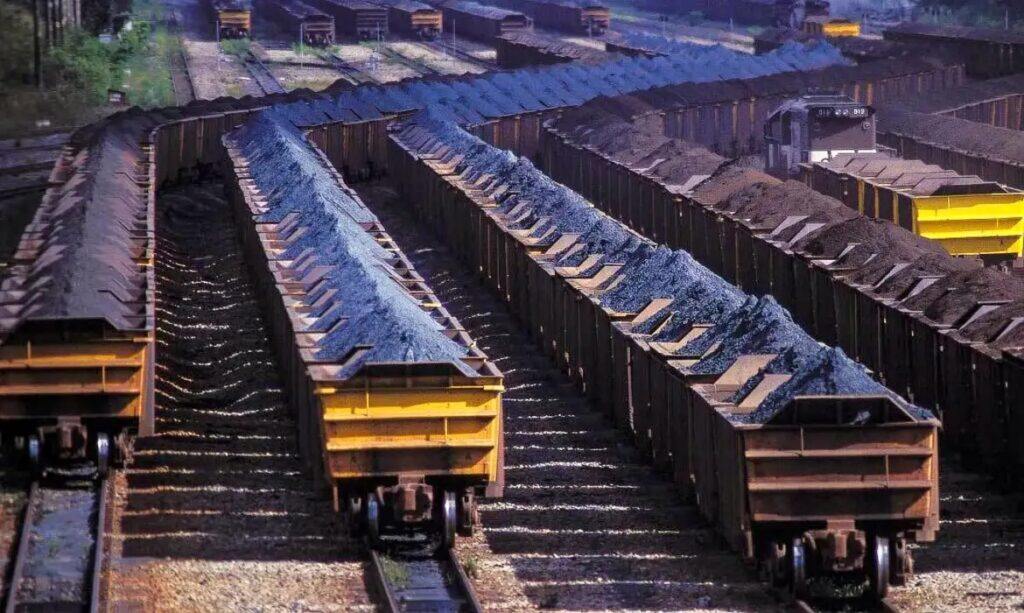
According to data from the Minerals Council South Africa, the country is expected to export approximately 26.2 million tons of manganese in 2025, a record high, surpassing the previous peak of 22.3 million tons in 2024. London-based consultancy Benchmark Mineral Intelligence estimates that demand for manganese in batteries will increase eightfold this decade, driven primarily by new battery chemistries and rising electric vehicle sales.
Rosie Joel, a resident of the Maypen settlement in the Northern Cape Province, said that explosions from nearby mines have caused cracks in her house walls and made windows unable to seal. The community garden she once had is gone, and the vegetable plot in her own garden shrinks year by year. Her husband, Itumeleng, stated that livestock have fallen ill after drinking water covered in dust and eating plants coated with dust.
In the Maruping settlement, a few kilometers away, residents Ben Seupe and Joseph Seupe live in two-room houses with corrugated iron roofs. They are descendants of the Batlaping royal family, whose ancestors have lived in the area for centuries. Joseph said mining activities have caused wall cracks, dust has contaminated water sources, and triggered lung diseases. He stated that mining companies have brought no benefits to the community, and their concerns have been ignored.
Ecologist Chrizette Neethling noted that thousands of Vachellia erioloba trees (a type of camel thorn tree) are cut down each year to make way for infrastructure such as roads and power lines. Fine dust raised by mining operations settles on leaves, weakening the trees' ability to photosynthesize; these trees can live up to 800 years.
South Africa's mining laws are designed in principle to limit environmental damage and ensure communities share in benefits, but implementation faces challenges. A local government official, speaking on condition of anonymity, said municipalities lack the capacity to regulate mines, and provincial and national departments only take "surface compliance" measures. A water department official added that even the largest mines rarely fully comply with regulations, with many meeting only about 60% of requirements. The Department of Mineral Resources and Energy (DMRE) did not respond to multiple interview requests.
Tshifhiwa Nemakhavhani of Kudumane Manganese Resources denied that the industry is unregulated, stating that development projects are proposed by communities and approved by local councils. South32, in a statement, said the company values its environmental obligations and conducts water quality testing as required by law.
Rancher Eben Anthonissen, on his cattle farm in the town of Hotazel, said blasting from upstream mines is contaminating the aquifer used for livestock watering. Regular water quality tests show rising nitrate levels. A 2018 assessment for the Tshipi Borwa manganese mine found that local groundwater nitrate levels exceeded the World Health Organization guideline of 50 milligrams per liter. Recent studies have also identified nitrate as one of the main pollutants of concern in the region's open-pit manganese mines, noting that mining activities may allow pollutants to enter the aquifer. Anthonissen also stated that dewatering operations by mining companies have reduced his well's annual yield.
A 2018 report prepared for Agri Northern Cape warned that the region's groundwater levels could take over a century to recover. As deposits around Hotazel are depleted, mining companies are expanding northward into wilderness areas near the Botswana border. A rancher who requested anonymity said his family has owned the land since the 1970s and expressed concerns about water supply security. Louis Haumann, who previously managed a local manganese mine, said hydrological reports underestimate long-term impacts. Another landowner, Pieter Grové, expressed concerns about plans to build the area's only road, believing it would facilitate large-scale mining and deal a fatal blow to the local ecology.
Related Products
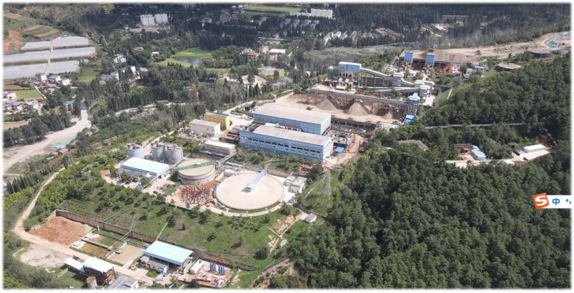

Yunnan Phosphorus Chemical Group Co., Ltd. 2 Million t/a Phosphorus Ore Mining and Beneficiation Project
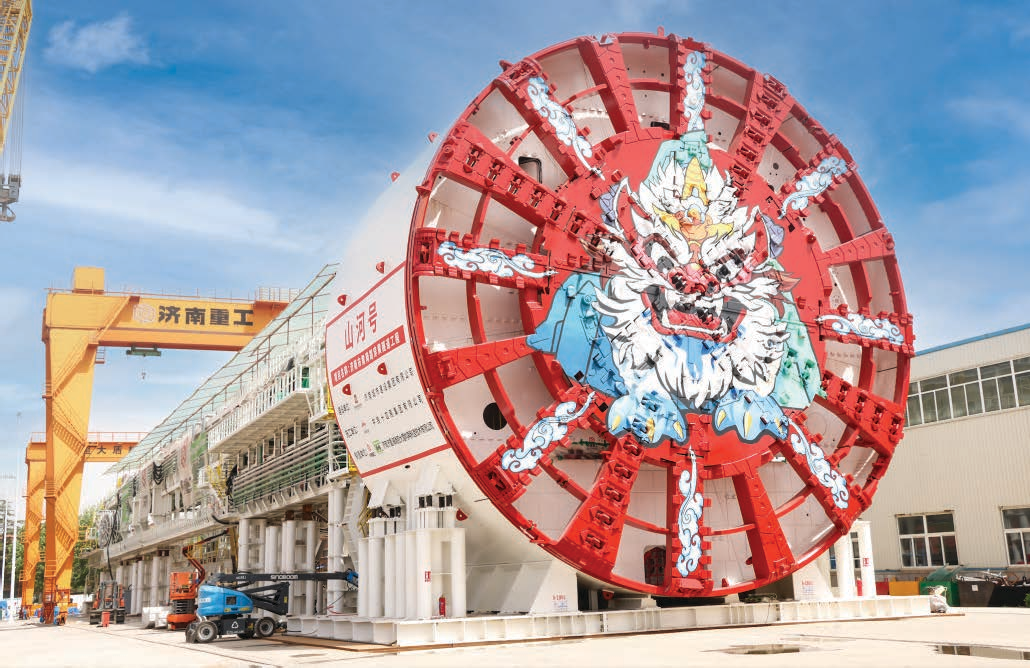
China Bluestar Lehigh Engineering Corporation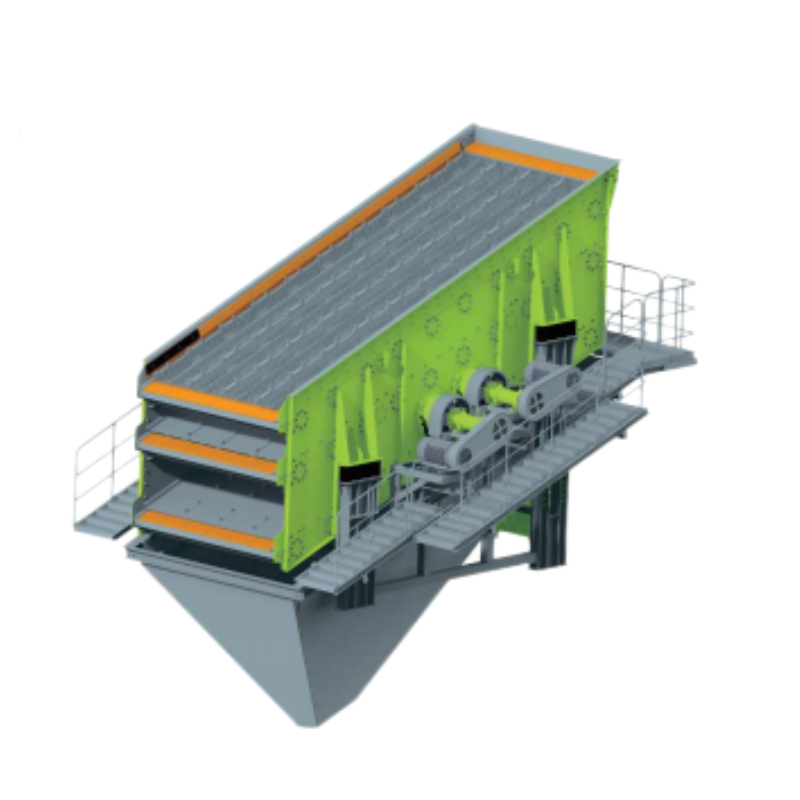
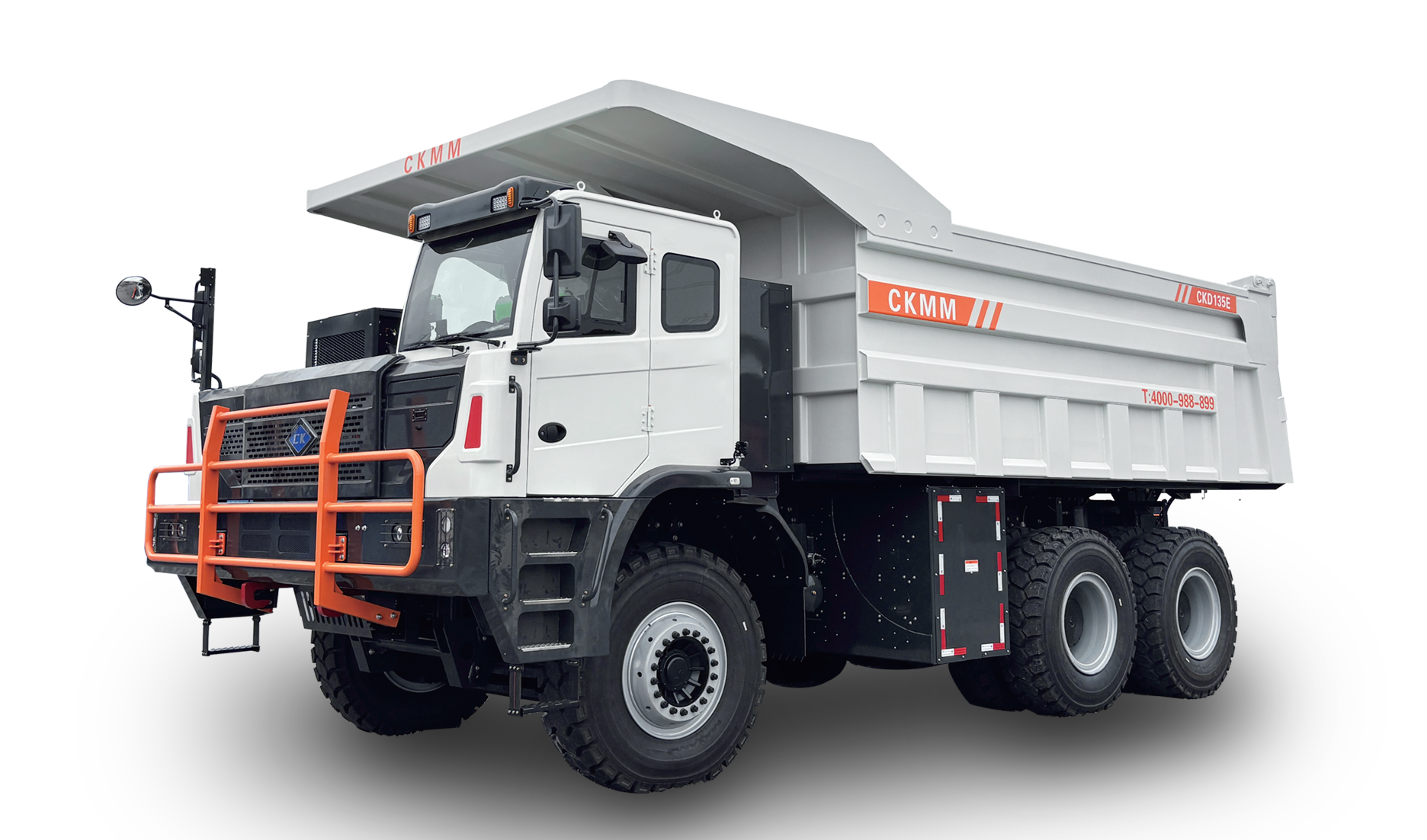
CKD135E Pure Electric Wide-body Dump Truck
Jiangsu Changkuang Engineering Machinery Co. Ltd.
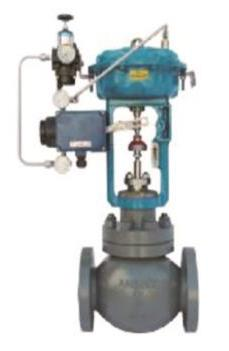
Quick-Change Single-Seat Control Valve / Quick-Change High-Pressure Single-Seat Control Valve
Beijing Consen Automation Technology Co., Ltd.

Industrial and Commercial Point-Type Gas Detector
Jinan Benan Technology Development Co., Ltd.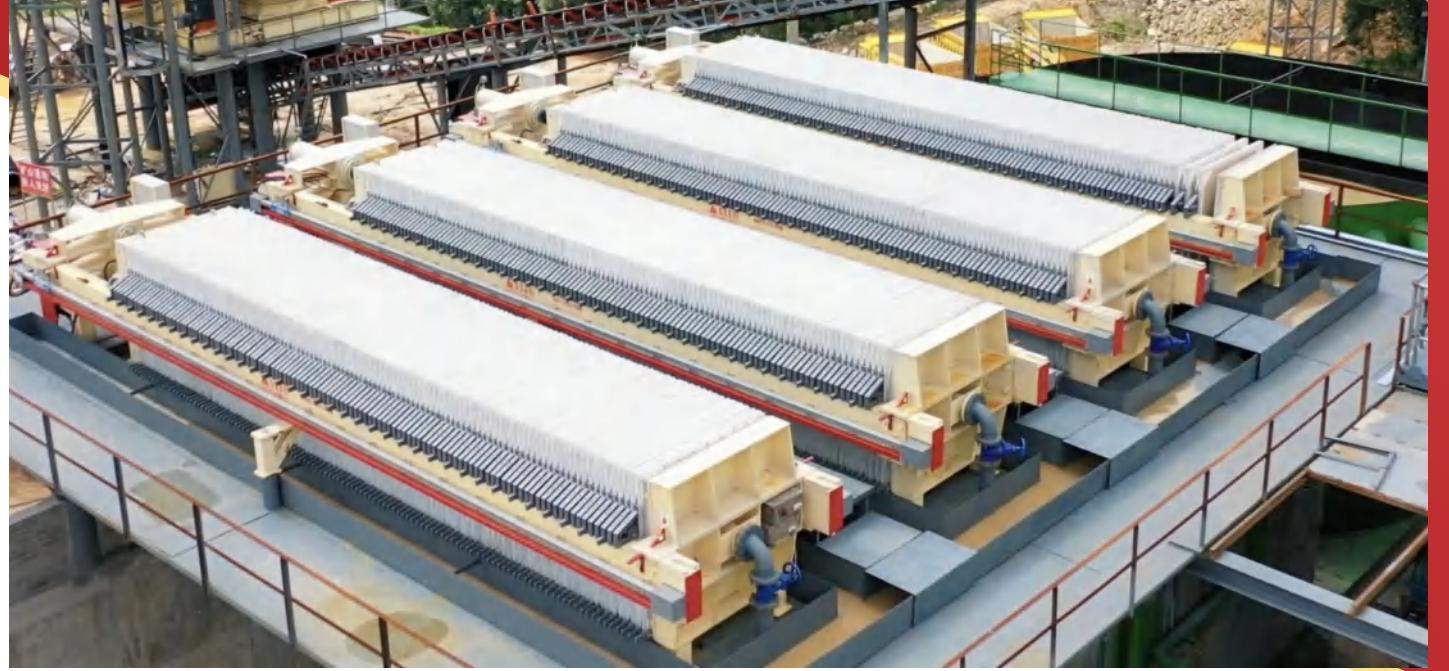
Hydraulic Plate and Frame Filter Press
Guangdong Leimeng Intelligent Equipment Group Co., Ltd.
Comprehensive Mining Automation Control System
Beijing Tianma Intelligent Control Technology Co., Ltd.
Linyi Steel Investment Special Steel 2.7 Million Tons per Year High-quality Special Steel Project
Capital Engineering & Research Incorporation Limited