Construction of Caisson Sinking and Bottom Sealing for Circulating Water Pump House of Units 5-6 of Datang Chaozhou Power Plant Successfully Completed
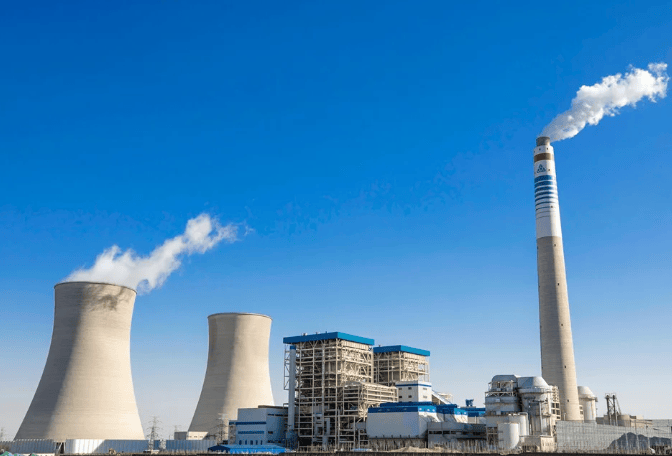
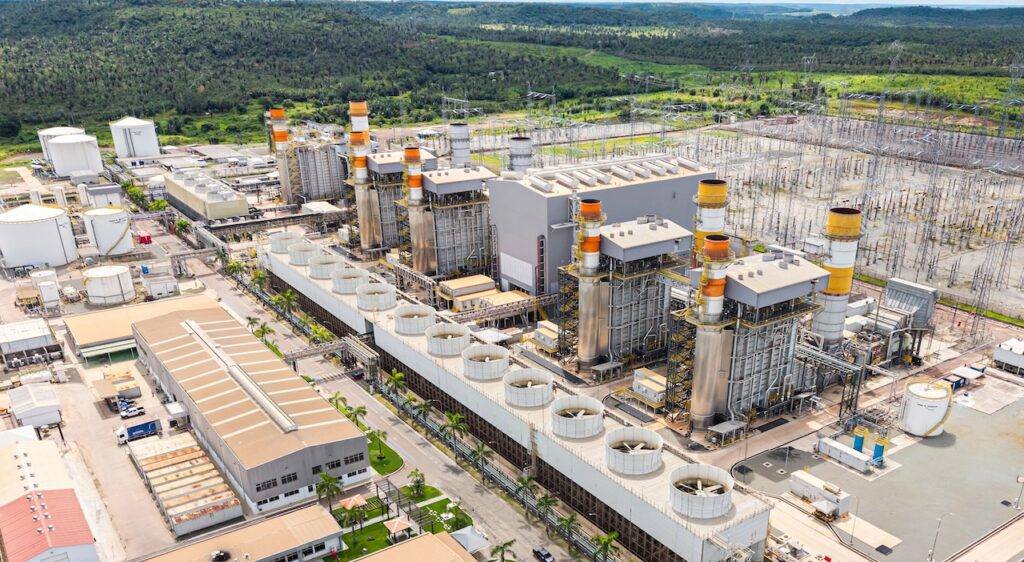
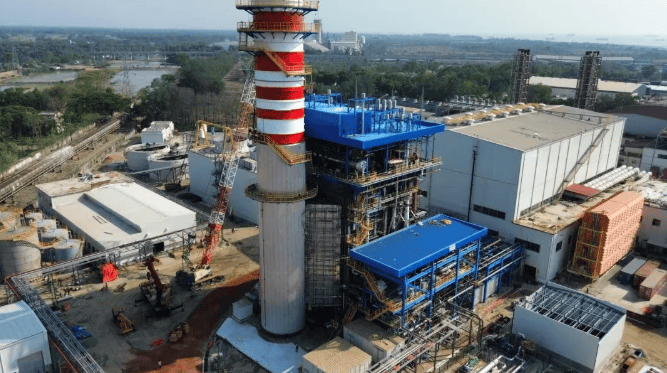
en.Wedoany.com Reported - The caisson sinking and bottom sealing construction for the circulating water pump house of Units 5-6 of the Datang Chaozhou Power Plant, undertaken by China Energy Engineering Group Construction Co., Ltd., has been successfully completed, marking a major breakthrough at this critical milestone and laying a solid foundation for the subsequent main structure construction of the pump house. As one of the core structures of the project, the circulating water pump house was constructed using the caisson method, with a sinking depth of 16.6 meters. The construction difficulty and technical challenges are rare in similar projects. Facing multiple difficulties such as complex coastal geological conditions, high water seepage risk, and fragmented underground rock layers, the project team adhered to the principles of Party building leadership, technical research, and strict standards, ultimately achieving smooth caisson sinking and high-quality bottom sealing.
Overcoming Difficulties: Gaining Momentum from Tough Challenges
The core difficulty of caisson construction lies in safely and effectively addressing complex issues exposed during the sinking process, such as coastal water seepage, rock fragmentation, and local sudden sinking and collapse. The actual geological conditions at the construction site significantly deviated from the geological survey report, with a widespread distribution of large quarry stones, concrete blocks, and other construction waste beneath the surface. More challenging was the presence of a hardened, massive block structure in the fly ash layer, with strength far exceeding that of conventional loose states, severely restricting excavation efficiency.
Faced with large stones that long-arm excavators could not directly break, the project team quickly organized technical experts for on-site assessment. They used building tower cranes to lift and remove the stones one by one and deployed telescopic boom excavators for precise soil extraction in areas inaccessible to conventional equipment. For the hardened fly ash layer, the team repeatedly tested the flushing pressure and breaking angle of high-pressure water jets, gradually developing an effective method of "layered breaking and sequential stripping." With the tenacity of "ants gnawing at a bone," they advanced the excavation inch by inch.
However, an even greater challenge soon emerged. A sudden water seepage incident occurred on the east side of the caisson, which is close to the sea, causing a large influx of seawater into the pump house, which was once completely flooded. Facing this crisis, the project team did not wait or rely on others but proactively responded. They held multiple on-site special meetings, repeatedly discussed and compared emergency plans, and pushed forward emergency work with extraordinary efforts: urgently deploying two additional telescopic boom excavators for 24-hour uninterrupted excavation, working day and night with continuous operations, and alternating personnel and machinery to maximize soil removal efficiency. In the southeast corner, where water seepage occurred, steel sheet piles were decisively driven, and foaming agent was injected to stop water ingress, effectively controlling the water level inside the pump house. Simultaneously, an underwater robot was introduced for visual detection, precisely locating problematic areas to ensure targeted excavation and reduce ineffective work. In terms of drainage organization, the team proactively communicated and coordinated with the owner to optimize pumping schedules and discharge routes, minimizing environmental impact and securing valuable pumping operation time. All management and construction personnel competed in speed, precision, and endurance, managing to "reclaim" the caisson sinking progress bit by bit under extremely adverse conditions.
After several months of arduous struggle, the caisson finally sank smoothly to the designed elevation, and the bottom sealing construction was successfully completed. Supporting this achievement were not only technology and equipment but also the fighting spirit of all project participants, who persevered day and night in the face of difficulties—technical experts repeatedly refining plans late into the night, frontline workers taking shifts in the mud, emergency repair teams urgently reinforcing water-stop facilities in heavy rain, and debugging underwater equipment in the early hours. It was these extraordinary efforts that converged into a victory of battling geology and racing against time.
Safety and Quality: "Dual Defense Lines" Safeguarding the Entire Process
Safety is the lifeline of caisson construction, and quality is the fundamental requirement of engineering construction. Throughout the entire process of caisson sinking and bottom sealing construction, the project team consistently adhered to the safety and quality concepts of "prevention first, controllable and under control" and "striving for excellence, achieving quality at the first attempt," establishing a rigorous dual control system.
The project department established a comprehensive safety production responsibility system, breaking down safety targets to each team, position, and process. Before daily construction, strict pre-shift safety briefings were held, detailing the risk points and preventive measures for the day's operations, ensuring that all workers were "well-informed and well-prepared." Safety management personnel conducted full-process supervision, focusing on key periods and critical parts to ensure any anomalies were detected and addressed immediately.
The more intense the schedule and the greater the difficulties, the more safety and quality standards must not be relaxed—this was the bottom line consistently upheld by the project team. During the water seepage emergency and accelerated construction period, the project department strictly implemented the "three no" principle: "no construction without safety, no construction without measures in place, no construction without clear briefings," preferring to sacrifice some work time rather than compromise safety and quality. Quality management and safety management advanced simultaneously, supporting each other—from strict inspection of raw materials such as cement and sodium silicate upon arrival, to testing slurry performance per shift; from real-time recording and analysis of key grouting parameters, to segmented verification of permeability after bottom sealing; each process strictly followed the "self-inspection, mutual inspection, and special inspection" three-inspection system, with no entry into the next process if the previous one was unqualified. Safety and quality management personnel coordinated and collaborated, inspecting for quality defects while checking safety hazards, forming an integrated on-site safety and quality control model. It was this firm attitude of treating safety and quality as top priorities that ensured every construction activity could withstand scrutiny and testing.
Party Building Leadership: "Pioneer Flags" Uniting Spirit and Morale
"At critical moments, we must step up, hold firm, and win"—this was the resolute vow made by the project Party branch during the caisson assault phase. Facing unprecedented construction difficulties, the project Party branch responded swiftly, establishing a "Party Member Commando Team for Circulating Water Pump House Assault" in the pump house area, planting the Party flag at the forefront and most challenging points of construction.
The commando team was composed of Party member cadres from the project leadership team, technical positions, and frontline team representatives, vertically connecting decision-making, execution, and operation levels, and horizontally covering all key links such as technical research, on-site coordination, safety monitoring, and logistical support. The team established a 24-hour shift duty mechanism, with Party members taking the lead in night shifts and difficult and dangerous positions, ensuring round-the-clock response and full-time presence, so that construction issues were resolved overnight and technical problems did not accumulate. Under the organizational framework of the commando team, decision-making efficiency significantly improved, on-site coordination became smoother, forming a clear work orientation of "find a Party member if there's a problem, let Party members handle difficulties."
More critically, the Party member commando team fully played the role of "backbone" and "adhesive." Facing schedule pressure and recurring emergencies, Comrade Chen Wei not only took the lead in staying on-site but also charged forward first in every crisis; when equipment failures or process conflicts occurred, Comrade Huang Wei proactively communicated and coordinated, stabilizing team morale. With a "white plus black" and "5 plus 2" fighting attitude, they led by example, driving all project participants to face difficulties head-on, effectively transforming the Party organization's political and organizational advantages into practical momentum for on-site assault.
One Party member is one flag. Under the exemplary leadership of the Party member commando team, the project team maintained high morale and firm confidence throughout months of sustained high-intensity operations. The Party organization's care and mobilization ran through the entire construction process, uniting people and stabilizing the situation, ensuring the entire team remained coordinated and disciplined under multiple pressures. This spiritual force, catalyzed by Party building leadership, complemented the earlier technical research and safety management, jointly building a strong backing for the smooth progress of the project and injecting lasting and profound momentum for the construction of the Chaozhou million-kilowatt project.
From the initial sinking starting on January 1 to the final completion of sinking and bottom sealing, the caisson construction of the circulating water pump house for the Chaozhou million-kilowatt project has traversed an extraordinary and challenging path. This path included the unpreparedness caused by geological changes, the severe test of coastal water seepage, and the anxiety and persistence during schedule delays. But through repeated confrontations with difficulties, late-night battles, and Party member charges, the project team honed their skills, tempered their team, and demonstrated their responsibility. The success of this caisson construction not only laid a solid foundation for the subsequent construction of the circulating water pump house but also, through the vivid practice of overcoming difficulties, ensuring safety and quality, and leading with Party building, added a brilliant chapter to the construction of the Chaozhou million-kilowatt project. (China Energy Engineering Group Construction Co., Ltd., Zhang Yuewen)
Related Products
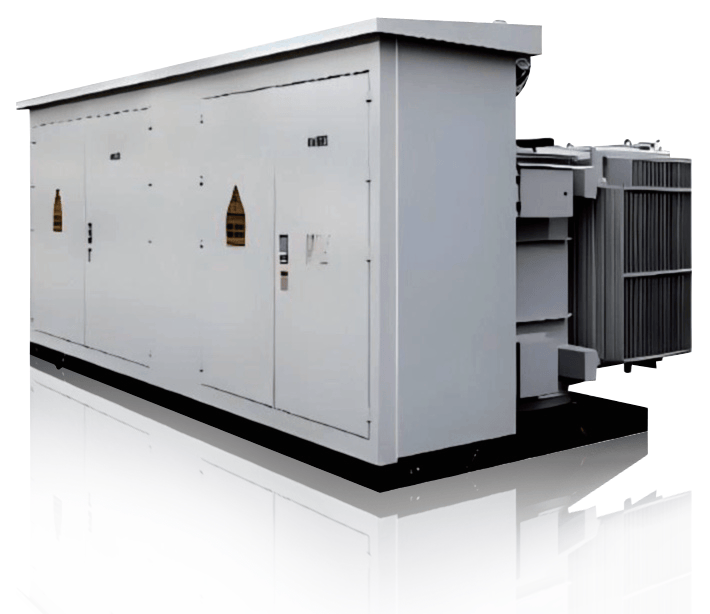

H-40.5/0.4~1.14kV New Energy Power Generation Dedicated High Voltage/Low Voltage Prefabricated Substation
XJ (Xiamen) Intelligent Power Equipment Co., Ltd.
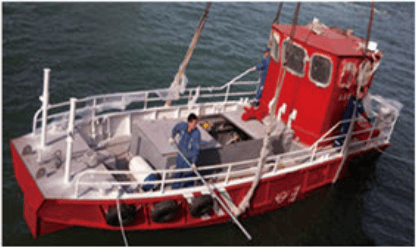
Electromagnetic Fluid Seawater Floating Oil Separation and Recover Equipment
Huate Magnet Group Co., Ltd.
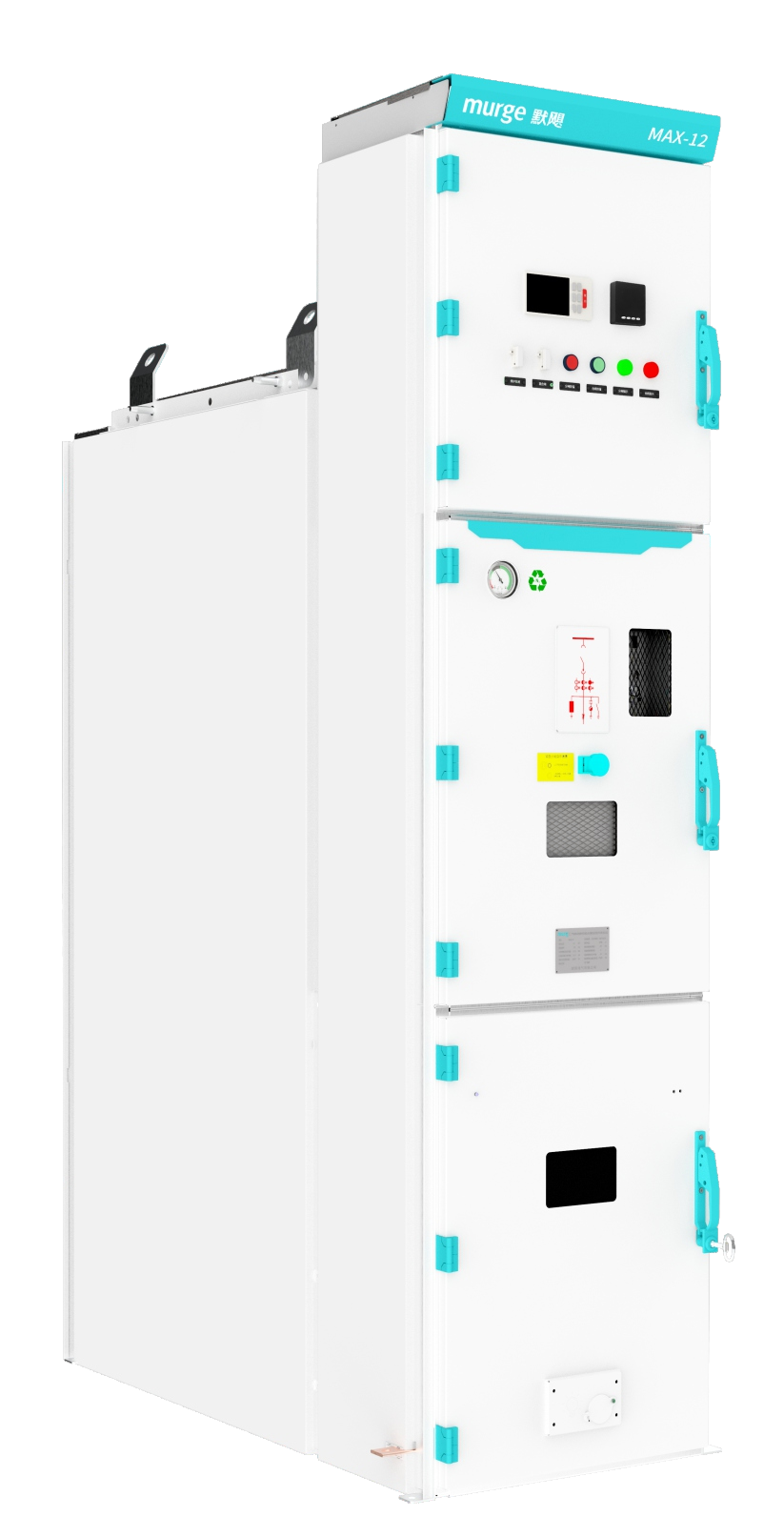
MAX-12 series Environmental Protection/SF6 gas insulated switchgear (C-GIS)
Murge Electric Co.,Ltd.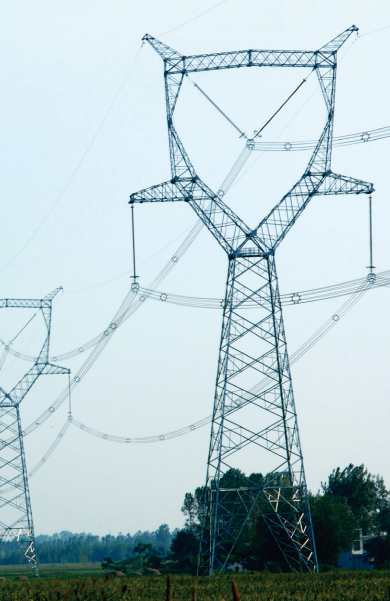
1000kV Jin Southeast-Nanyang-Jingmen UHV AC Transmission and Transformation Pilot Demonstration Project
Anhui Hongyuan Steel Tower Co., Ltd.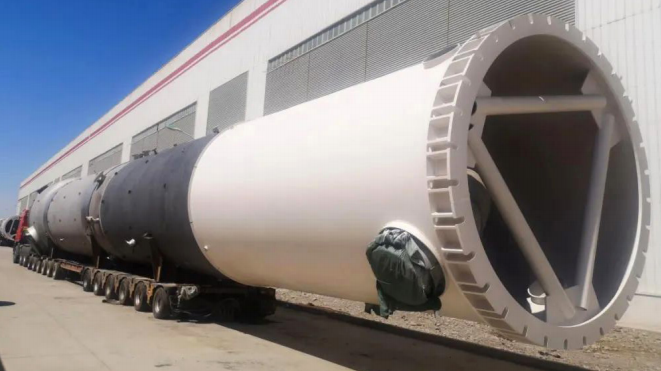
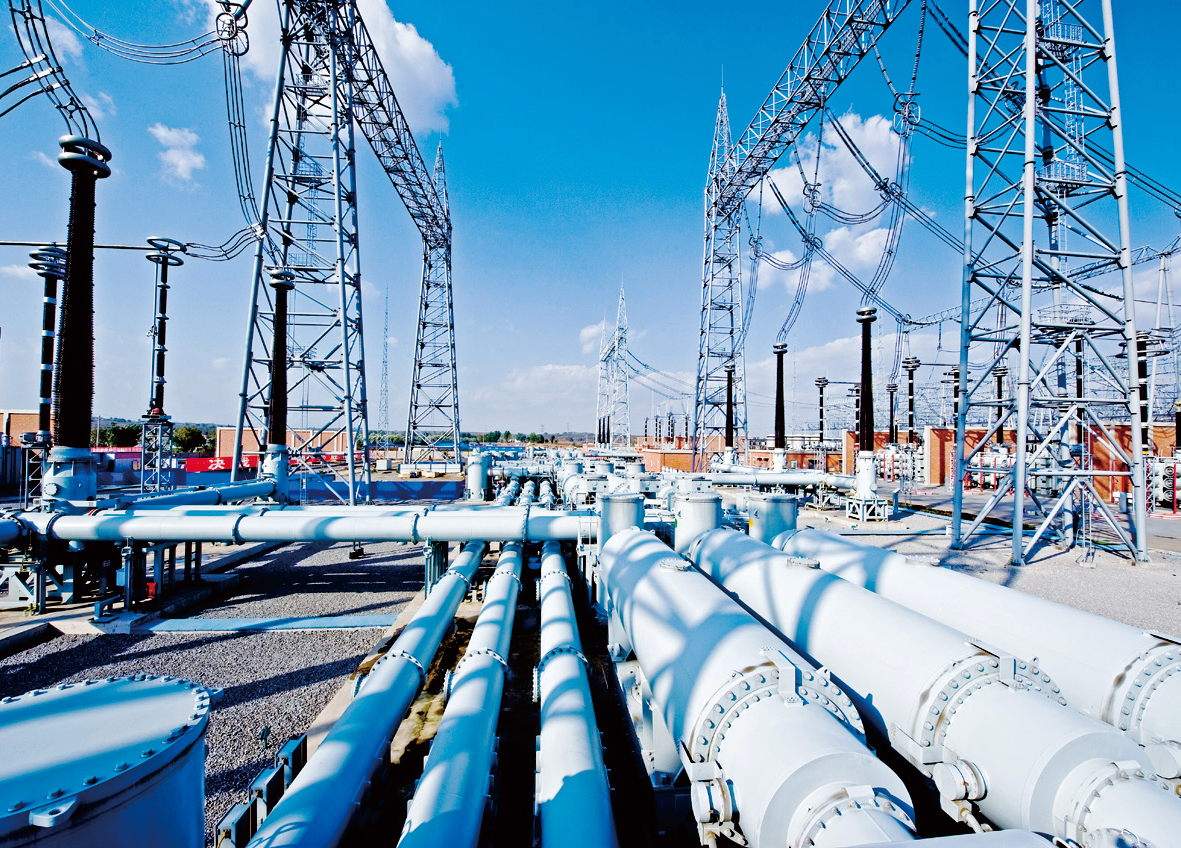
40.5kV-1100kV Gas Insulated Metal-Enclosed Switchgear (GIS)
Henan Pinggao Electric Co., Ltd.

Hydraulic Turbine Genset
Dongfang Electric Corporation Dongfang Electric Machinery Co., Ltd.