RMIT University Develops Micro-Nanobubble Technology, Achieving Over 90% Microplastic Removal in Wastewater
en.Wedoany.com Reported - A research team from RMIT University in Australia has developed a new method using a combination of microbubbles and nanobubbles to capture microplastics from wastewater, achieving a removal rate of over 90% in a series of tests.
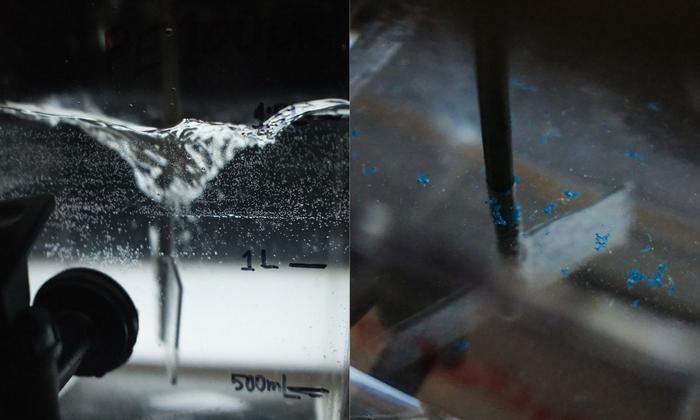
This technology is based on enhanced dissolved air flotation, a common water treatment process that removes pollutants by attaching them to bubbles and floating them to the surface. Researchers found that when microbubbles and nanobubbles are used together, the plastic removal efficiency is significantly higher than systems using either type of bubble alone. Microbubbles provide the lift needed to carry plastic particles to the flotation surface, while nanobubbles enhance particle interactions, improving the attachment and aggregation process for higher treatment efficiency.
Associate Professor Biplob Pramanik, lead author of the study and Director of the Water Effective Technology and Tools Research Centre at RMIT, noted that this method offers a practical way to reduce microplastic pollution. He stated that wastewater treatment plants are a major pathway for microplastics to enter the environment, often escaping existing filtration processes and posing risks to ecosystems and human health. The team's proposed method is easy to implement and can significantly improve microplastic removal rates early in the treatment process.
The study also validated the method's effectiveness under real wastewater conditions. Dr. Sirajum Monira, who completed this research during her PhD at RMIT, said that organic matter, fats, oils, and greases in wastewater, typically considered treatment obstacles, did not reduce the method's performance. In some cases, when combined with standard coagulants, these organic substances even helped microplastics aggregate into larger, more easily removable particles, further improving treatment outcomes. By capturing microplastics before they concentrate in sewage sludge, the amount entering biosolids can be reduced, minimizing release into the environment.
Having successfully validated the dual-bubble method at the laboratory scale, the research team is seeking collaboration with industry partners to further test it under real-world conditions across various wastewater streams. Pramanik stated that the method can be directly adopted by wastewater treatment plants by optimizing existing operating conditions—including air pressure, saturation time, and bubble size—without requiring major infrastructure modifications.
The related research findings were published in the journal ACS ES&T Water (DOI: 10.1021/acsestwater.6c00127) under the title "Micro-Nanobubble Integrated Dissolved Air Flotation: A High-Efficiency Strategy for Microplastic Mitigation in Wastewater," authored by Sirajum Monira and Biplob Pramanik.
Related Products


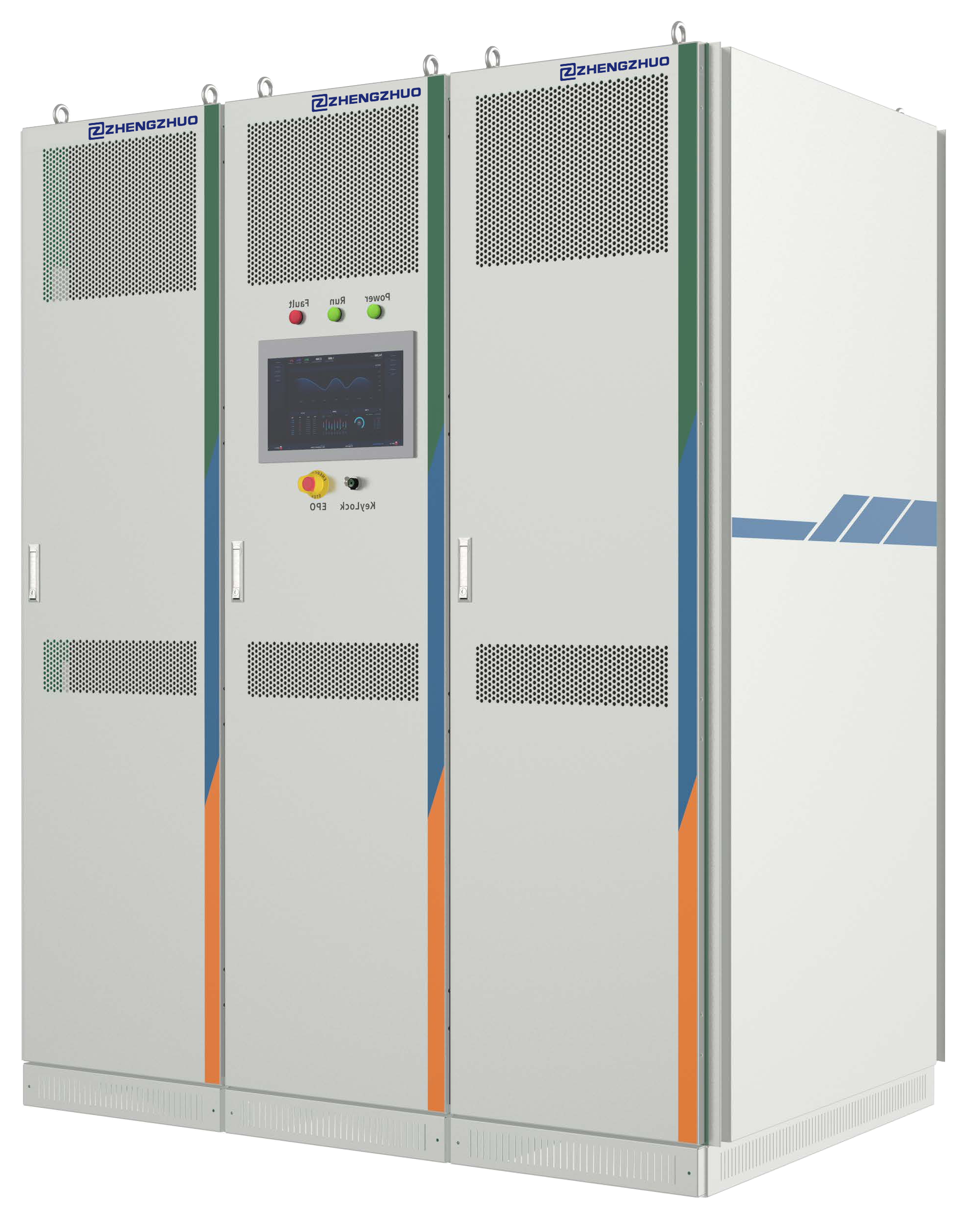
IGBT Hydrogen Production Power Supply - High Power Air Cooling
Beijing Zhengzhuo Engineering Technology Co., Ltd.

Prefabricated Houses and Electrical Energy Boxes
Chengdu Ruilong Machinery Manufacturing Co., Ltd.
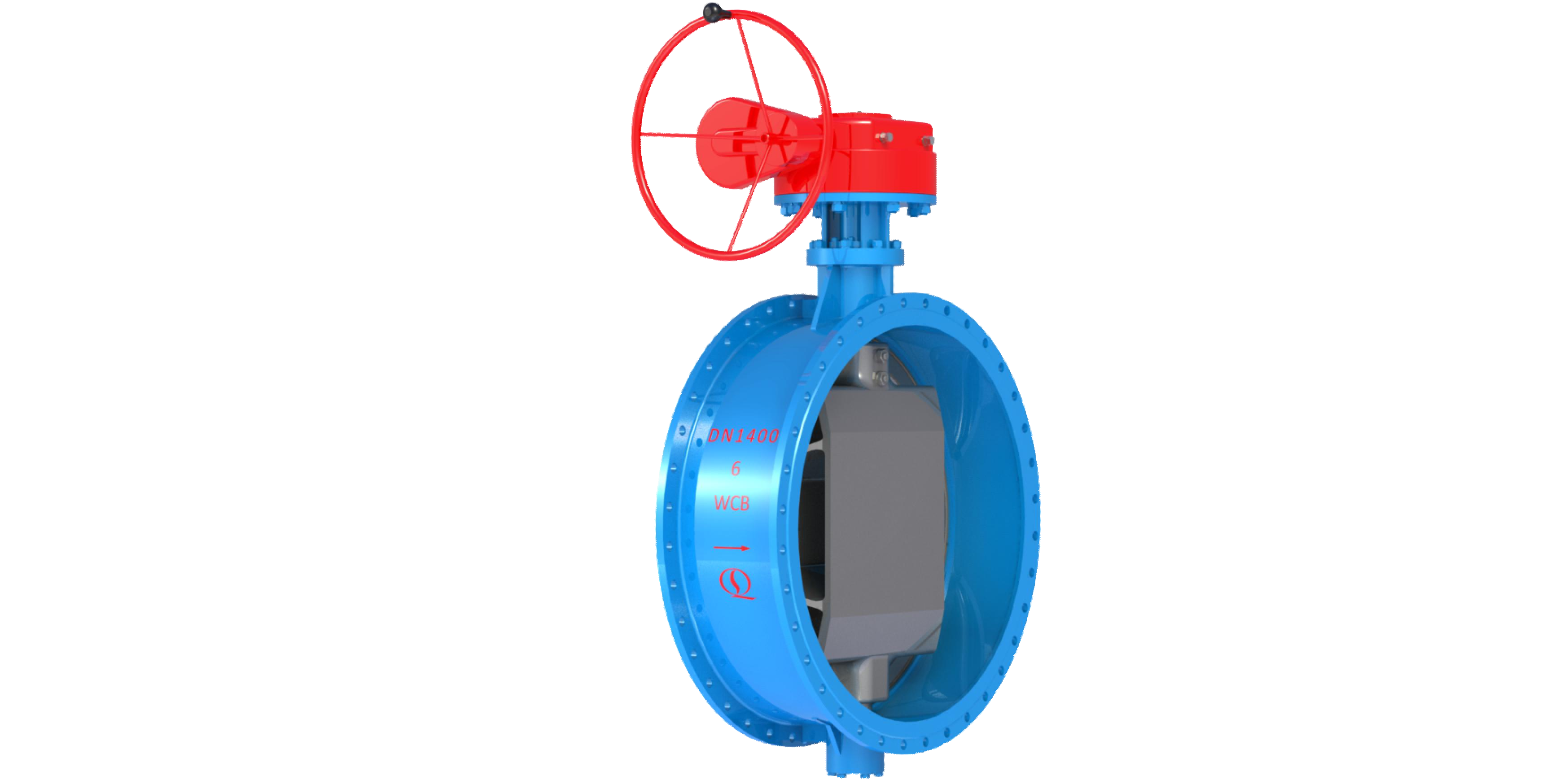
Bidirectional Metal Hard Sealed Seawater Butterfly Valve
Henan Quanshun Flow Control Science & Technology Co., Ltd.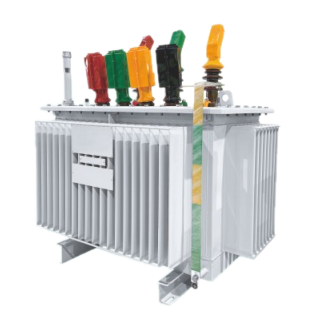
IS(B)□-M·RL Series Oil-immersed 3D Transformer (Planar / 3D Wound Core)
Guangdong Kehua Electric Power Technology Co., Ltd.