Kenyan Government Promotes Ethanol and Renewable Energy, Sugarcane Area Expands by 200,000 Hectares
en.Wedoany.com Reported - The Kenyan government is intensifying efforts to expand ethanol production and renewable energy generation as part of reform initiatives aimed at transforming the sugar industry into a more efficient, diversified, and sustainable sector.
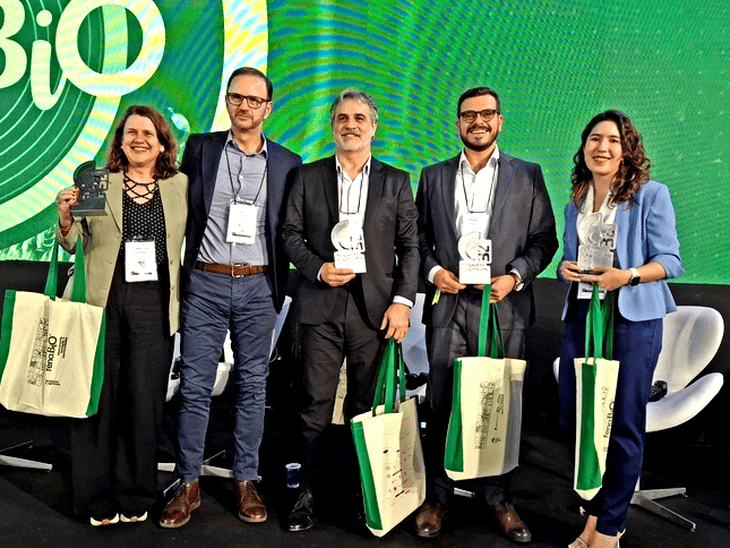
Kenya's Deputy President, Kithure Kindiki, announced this plan at the 68th International Sugar Organisation Symposium held in Diani, Kwale County. Participants discussed global and regional developments in the sugar and bioenergy industries.
According to ChiniMandi, Kindiki stated that the government is implementing structural reforms to address long-standing challenges in the sugar industry, including weak management systems, delayed payments to farmers and workers, and low productivity levels that have hindered sector growth for years.
Reform measures include restructuring the Kenya Sugar Board and leasing state-owned sugar mills to private operators to enhance efficiency, attract investment, and strengthen operational performance across the industry.
Kindiki noted that reforms have already yielded initial results, with sugarcane cultivation area expanding by approximately 200,000 hectares, alongside improved sugar production levels and increased farmer incomes supported by government agricultural subsidies.
As part of the next phase of transformation, the government is encouraging sugar mills to diversify from traditional sugar production into ethanol manufacturing and power generation, creating additional revenue streams and supporting Kenya's broader renewable energy development goals.
According to reports, some sugar mills are considering cogeneration projects to supply surplus electricity to the national grid, while others plan to increase ethanol output for use as a cleaner, more sustainable transportation fuel.
Kindiki stated that the future of the sugar industry lies in diversification. He noted that the sector will evolve into a multi-product field, producing sugar, ethanol, aviation fuel, renewable energy, and other industrial by-products to support national development and energy security.
He emphasized that these changes aim to modernize the industry, enhance competitiveness, and ensure it contributes more effectively to Kenya's economic transformation agenda.
The Deputy President also expressed concerns over global trade imbalances, pointing out that subsidies and restrictive policies in the international sugar market continue to disadvantage developing economies and limit fair competition.
He called for increased investment in African agriculture, urging government and private sector players to adopt modern technologies and innovative practices to boost productivity and make the industry more attractive to the younger generation.
The 68th International Sugar Organisation Symposium brought together government officials, industry leaders, investors, and development partners to explore growth opportunities in sugar production, renewable energy integration, and industrial manufacturing in the region.
Participants discussed the potential of bioenergy and ethanol as key drivers of economic diversification, particularly in sugar-producing countries seeking to reduce reliance on raw material exports.
The Kenyan government reaffirmed its support for reforms combining agricultural development with renewable energy expansion, positioning the sugar industry as a core pillar of the nation's transition to a greener, more diversified economy.
Related Products



Rated Voltage 6-35kV Cross-linked Polyethylene Insulated Power Cable
TONGDING INTERCONNECTION INFORMATION CO., LTD.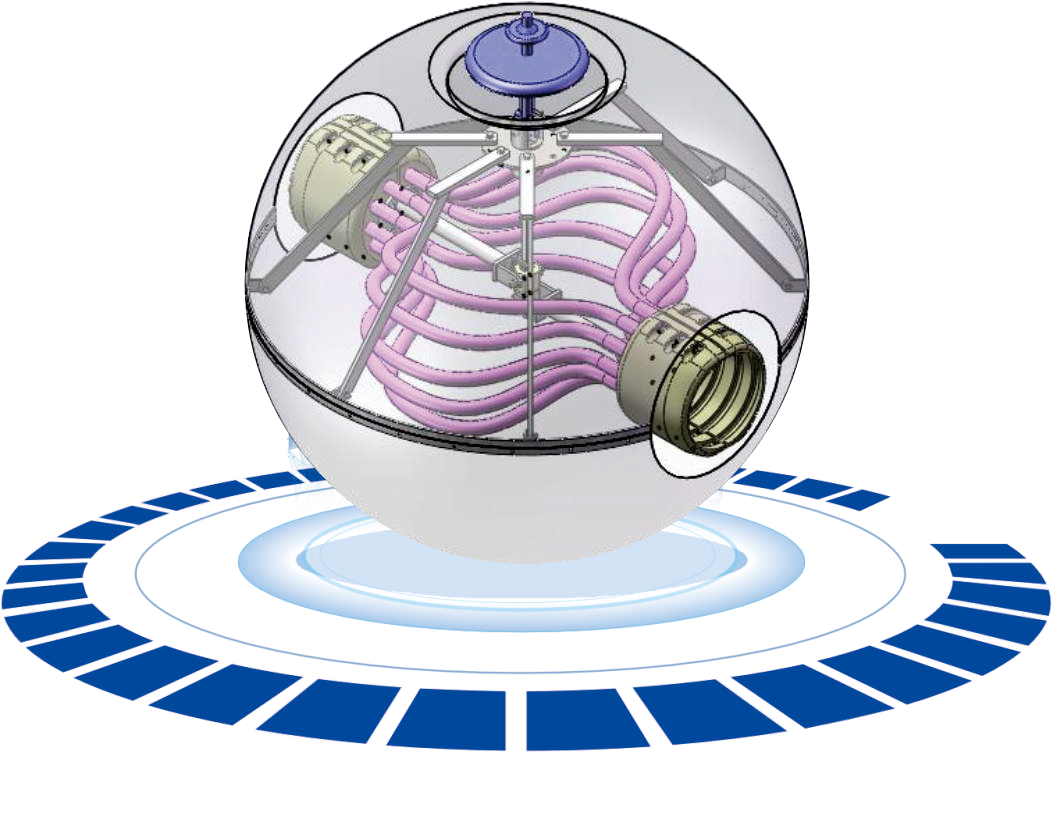
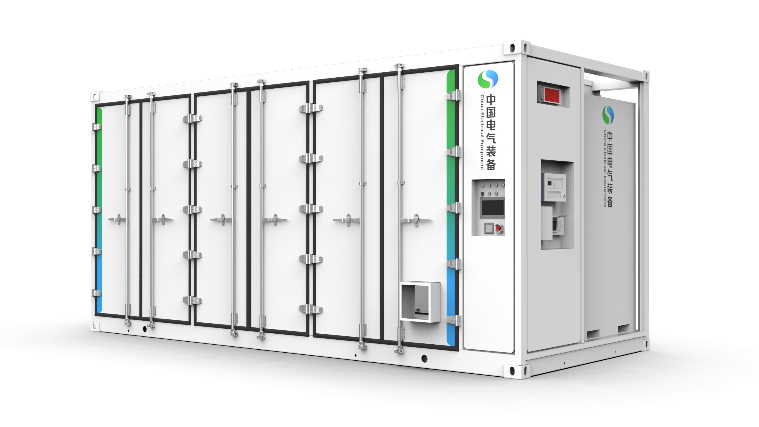
MESS8201-2507/5015-BN Prefabricated Liquid-cooled Energy Storage Battery Container
Xuchang Xuji Electric Science Energy Storage Technology Co., Ltd.
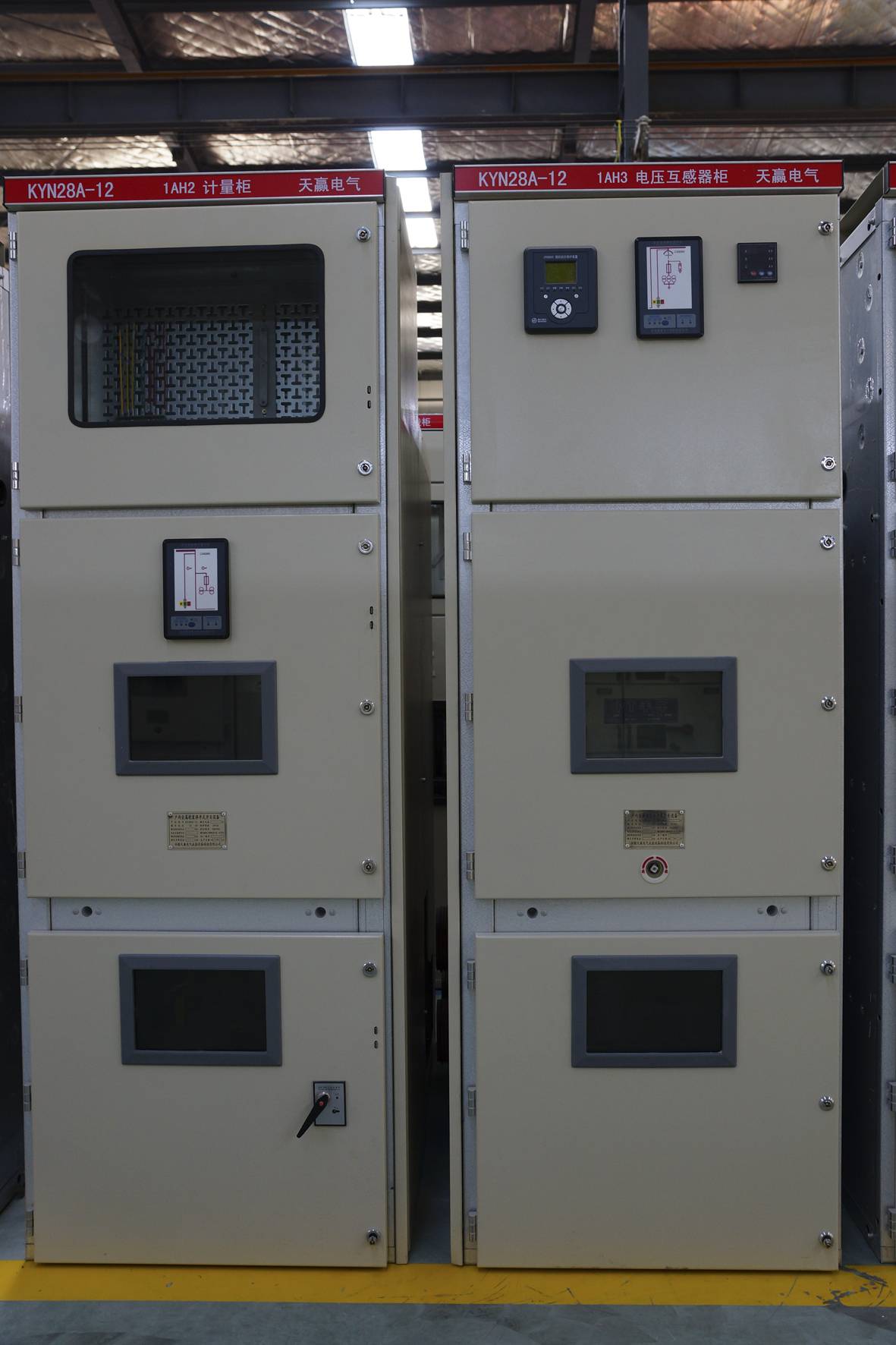
KYN28 - High Voltage Switchgear
Anhui Tianying Electrical Equipment Manufacturing Co., Ltd.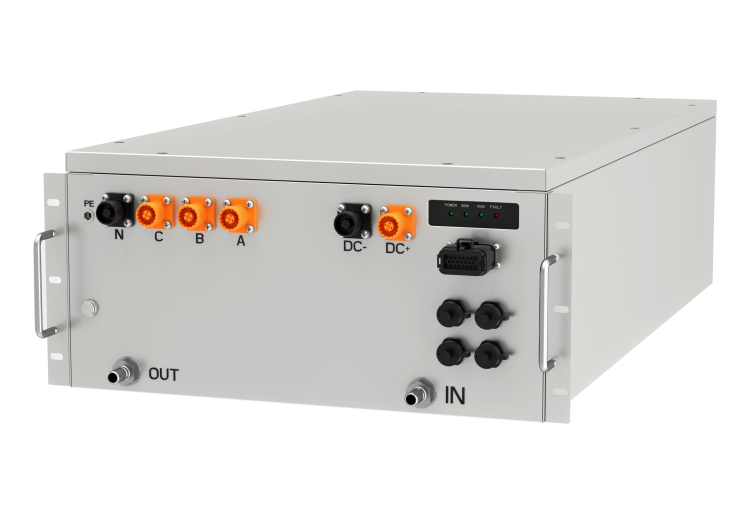
Mars (Liquid Cooling) Series Industrial and Commercial Energy Storage Converter High Protection Module
Shenzhen Winline Technology Co., Ltd.