UN and Nigeria Collaborate to Expand Microgrid Deployment
en.Wedoany.com Reported - The United Nations is collaborating with the Nigerian government to expand renewable energy access through the deployment of microgrid systems, with goals including improving electricity supply, supporting industrial growth, and driving economic development across Africa.
At the launch ceremony of the Africa Microgrid Initiative pilot project in Abuja, officials emphasized the significance of decentralized energy solutions in addressing electricity supply gaps, particularly in rural and underserved communities.
Mohammed Fall, the UN Humanitarian Coordinator in Nigeria, stated that access to renewable energy should not only be viewed as an environmental goal but also as a primary driver of development, job creation, and economic opportunities, especially for women and young people.
Fall noted that the UN is working with the Nigerian government, the Rural Electrification Agency, development partners, private investors, and local communities to expand sustainable energy initiatives aligned with the Sustainable Development Goals. He mentioned that Africa's energy transition is not just about reducing carbon emissions; it fundamentally involves enhancing industrial capacity, creating jobs, and improving living standards. With its abundant renewable energy resources, private sector engagement, and economic potential, Nigeria is well-positioned to lead this transition.
According to Fall, the Africa Microgrid Initiative demonstrates how decentralized energy systems can serve as a development tool, going beyond electricity supply to support education, healthcare, agriculture, and small businesses in rural areas. Microgrids power schools, medical facilities, and farms while helping small enterprises scale up, thereby strengthening local economies and improving livelihoods in underserved communities. He praised the collaboration between the Nigerian government, the Rural Electrification Agency, the United Nations Development Programme, technical experts, investors, and local communities, calling it a model for sustainable energy development.
Nigeria's Minister of Power stated that microgrids remain one of the most practical and effective solutions for closing the electricity supply gap, especially in remote areas where extending the national grid is difficult and costly. He reiterated the government's commitment to making rural electrification a key component of national energy planning, noting that reliable electricity is crucial for transforming all economic sectors. Power supply supports education, healthcare services, agricultural productivity, commerce, digital innovation, and industrial development—it is about national growth. In rural communities, electricity determines whether schools can function effectively, medical facilities can store vaccines, and young people can access economic opportunities.
A senior UN official responsible for African affairs urged Nigeria to expand renewable energy deployment, pointing out that the country has the capacity to attract global financing to scale up clean energy. She added that Nigeria has made progress in renewable energy investment and should further scale up efforts to ensure sustainable electricity access for a broader population.
Related Products


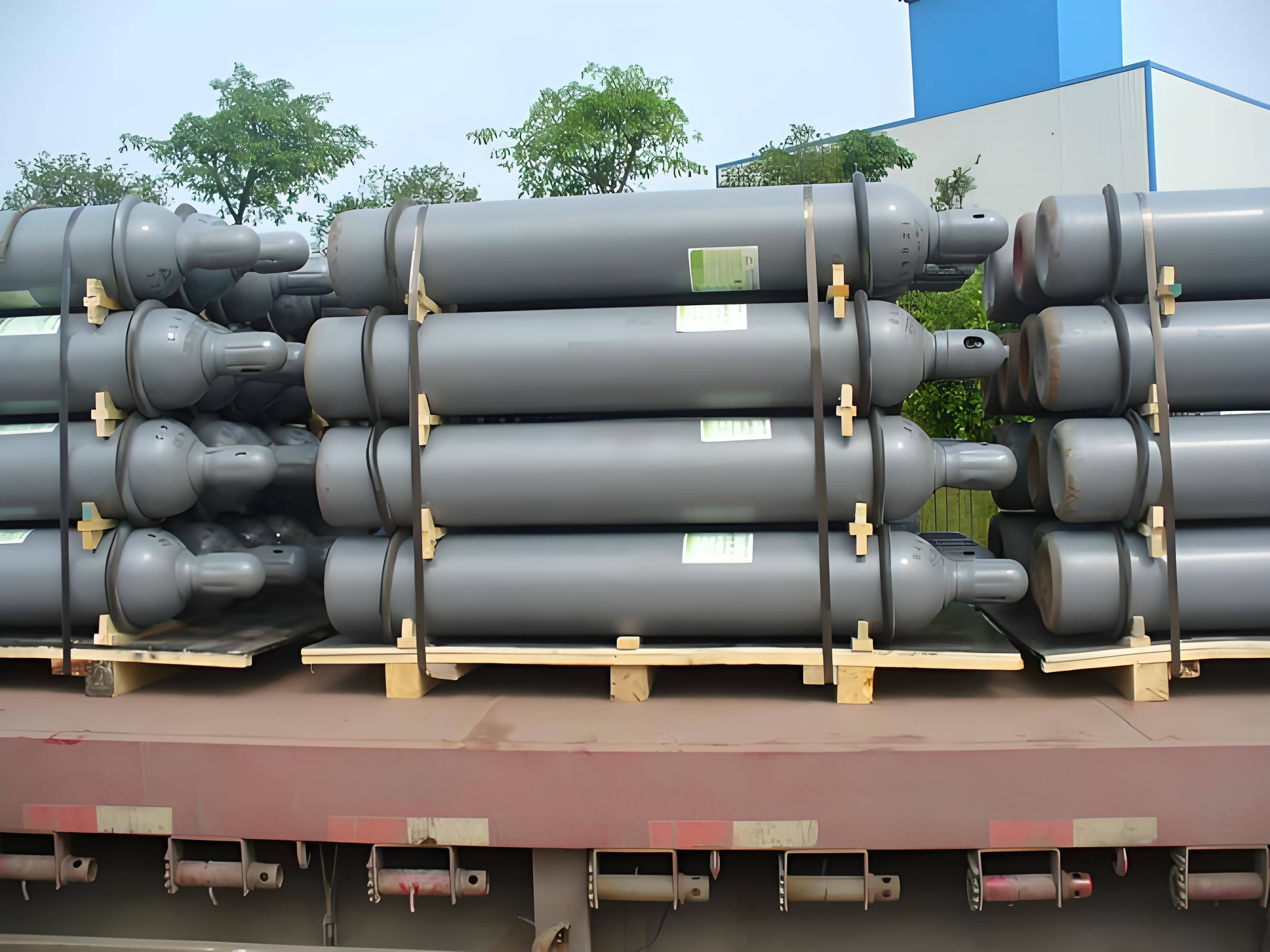
Global Sulfur Hexafluoride Gas Supply and Cylinder Export
Foshan Yuexin Industrial Gas Co., Ltd.


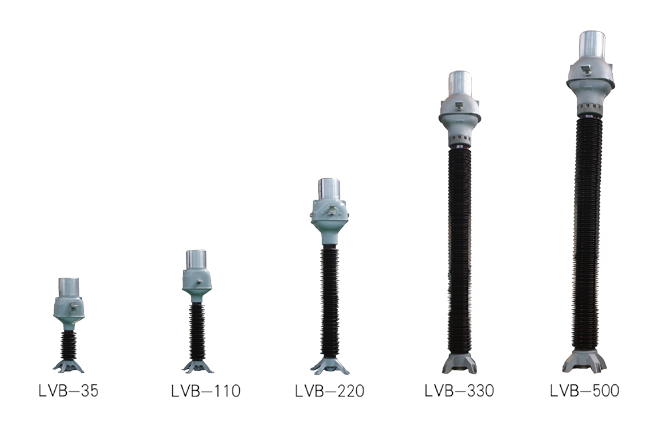
LVB Series 35-500kV Oil-immersed Inverted Current Transformer
Shandong TaiKai Instrument Transformer Co., Ltd.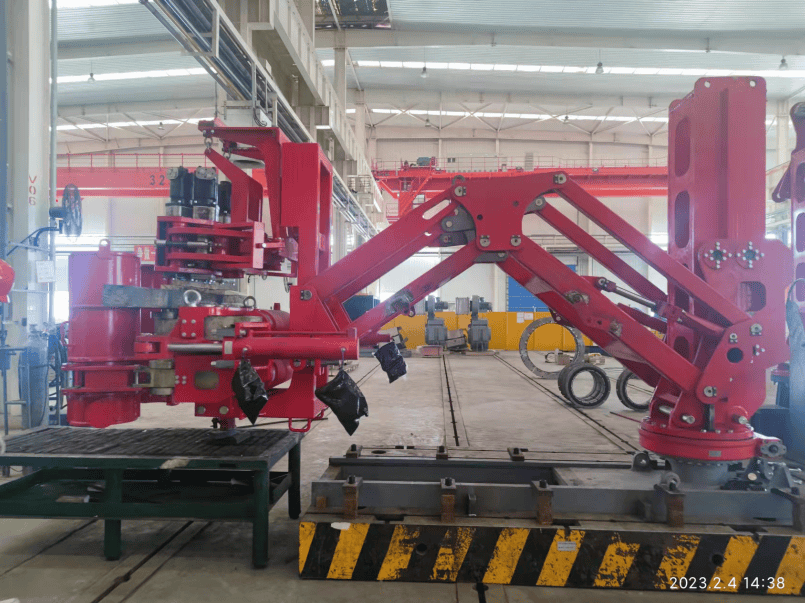

Electromagnetic Fluid Seawater Floating Oil Separation and Recover Equipment
Huate Magnet Group Co., Ltd.
G.652.D Wavelength-extended Non-dispersion Shifted Single-mode Optical Fiber
HONGAN GROUP CO., LTD.