Australian High-Energy Home with 40kW Solar + 60kWh Battery Achieves Near-Zero Electricity Bills
en.Wedoany.com Reported - A high-energy home in Epping, northwest Sydney, Australia, has dramatically reduced its quarterly electricity bill from approximately AUD 8,000 to near zero by deploying a large-scale solar and energy storage system. The residence is equipped with a 40-kilowatt rooftop solar system and an Anker SOLIX X1 battery system with a capacity of 60 kilowatt-hours, considered the largest residential-grade Anker energy storage system in the Southern Hemisphere.

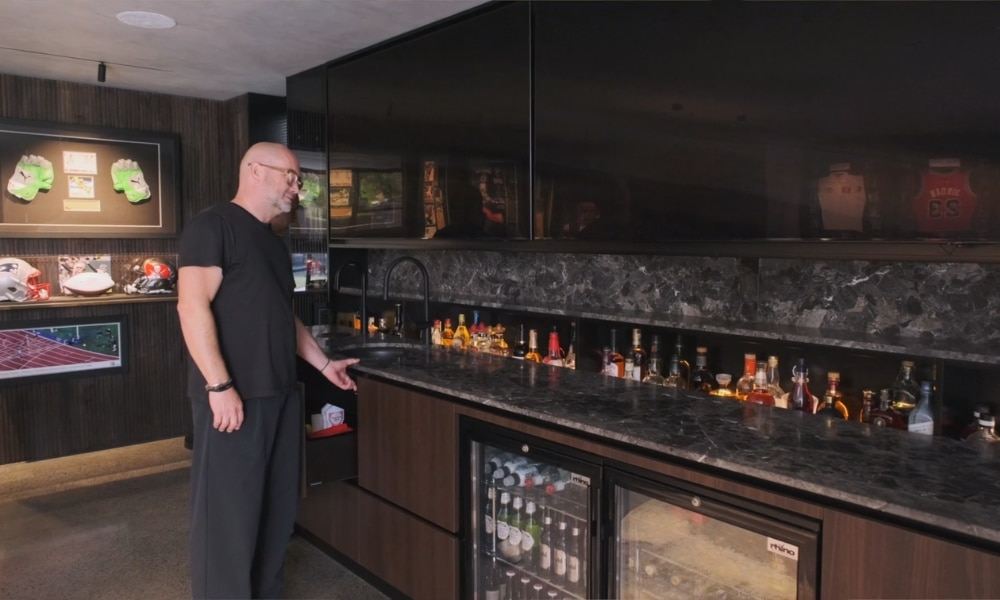
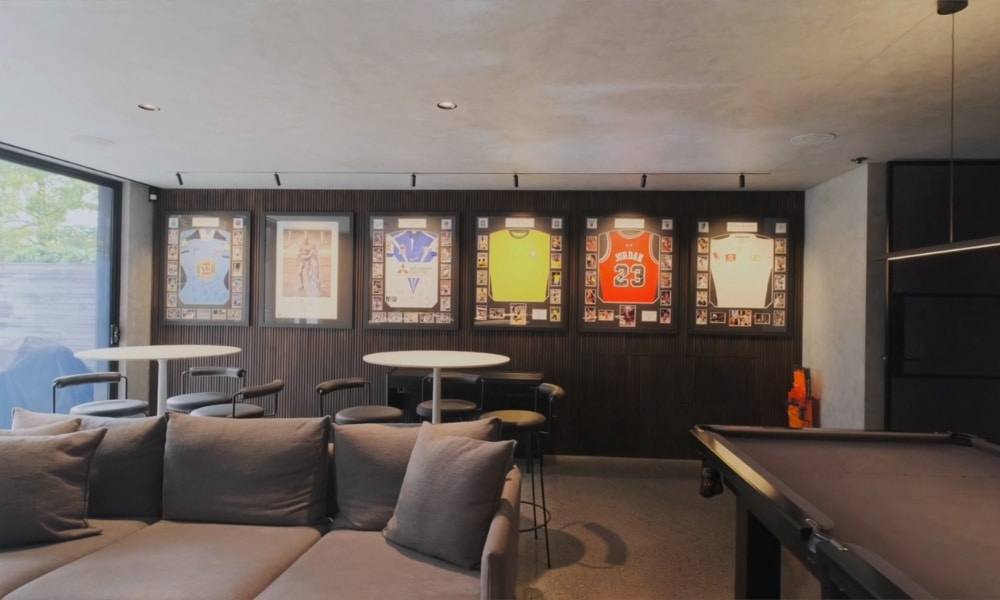
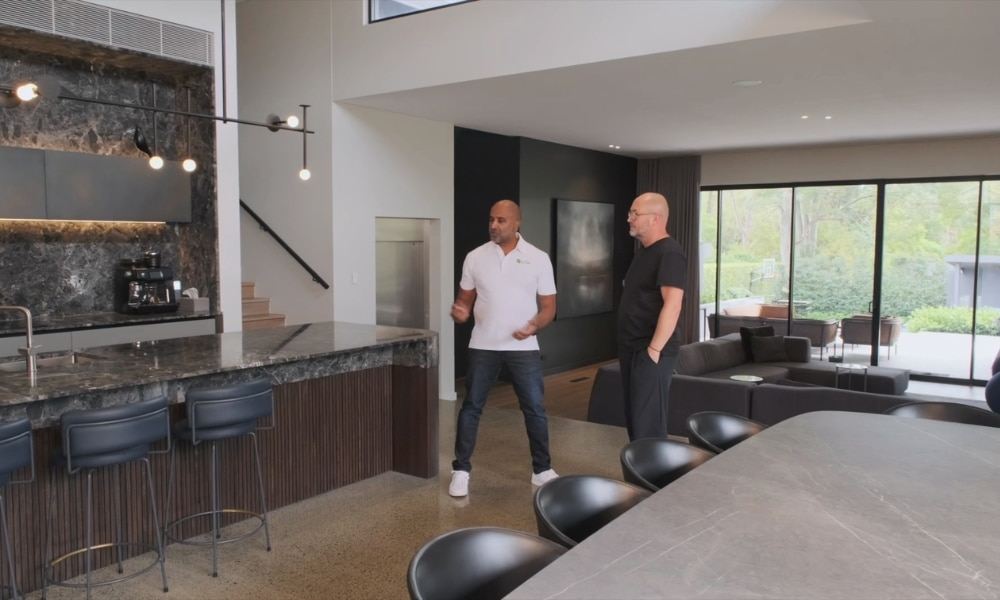

The home's interior was renovated by interior design firm Studio Minosa, with design director Darren Genner explaining the concept—pursuing harmony between indoor and outdoor spaces. The residence features a spectacular marble kitchen, custom lighting, a temperature-controlled wine cellar, and a signature design: a 5.5-meter-high electric lift whiskey bar that rises from the countertop at the push of a button. Such luxurious amenities result in high electricity demand. Before upgrading the energy system, the home's quarterly electricity bill was around AUD 8,000; even after installing a large rooftop solar system, relying on the grid at night kept the quarterly bill at approximately AUD 3,000.
Harrison Blake of electrical installer Smooth Current Electrical & Solar stated that the team first conducted a detailed energy audit, reviewing electricity bills and analyzing the home's energy usage patterns. Given the home's enormous electricity consumption, traditional residential batteries were insufficient. The team therefore chose the modular Anker SOLIX X1 platform, which supports storage capacity expansion as needs grow, allowing future adaptation for additional appliances or electric vehicle charging without replacing existing equipment.
Another key consideration for the Anker SOLIX X1 was environmental adaptability. It features a C5 Marine corrosion rating, capable of withstanding salt-laden air, making it suitable for installation in Australia's coastal areas. Regarding aesthetics, Darren Genner noted that the battery's dark finish complements the home's dark color palette, integrating neatly into the garage and harmonizing with the residence's other premium features. The system is also compatible with Anker's electric vehicle charging solutions and energy gateway, enabling an integrated home energy system.
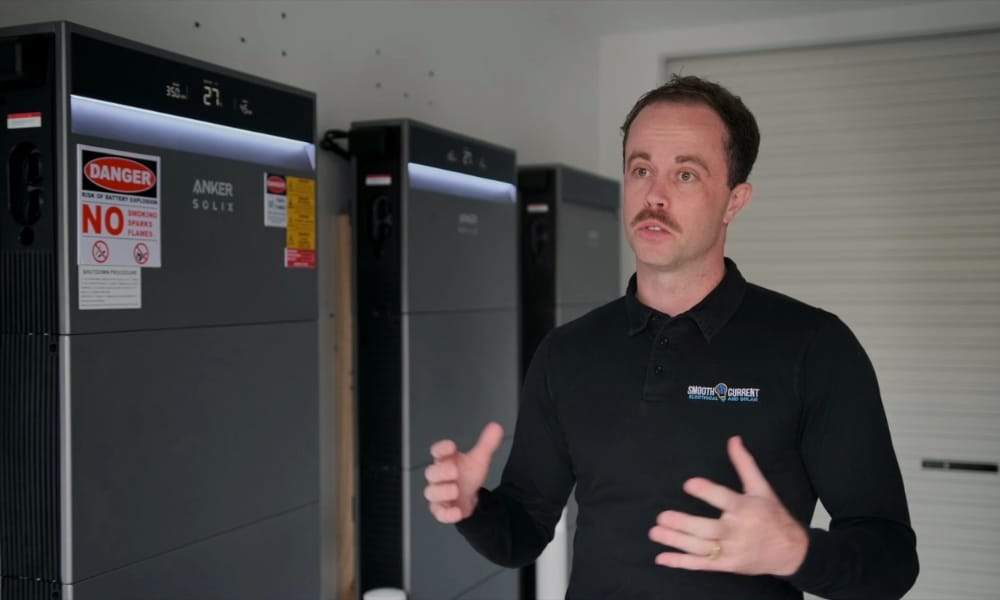
By storing excess daytime solar energy in the battery for nighttime use, the home has significantly increased its photovoltaic self-consumption rate and reduced reliance on the grid. Harrison estimates that this 40-kilowatt solar plus 60-kilowatt-hour storage solution, under favorable operating conditions, can reduce the quarterly electricity bill from the original approximately AUD 8,000 to near zero. This case demonstrates the application pathway of modular battery storage in reducing electricity costs for high-energy homes.
Related Products



Quick-Change Single-Seat Control Valve / Quick-Change High-Pressure Single-Seat Control Valve
Beijing Consen Automation Technology Co., Ltd.
CAP1400 main feedwater flow nozzle flowmeter.
Jiangsu Hongda Instrument Technology Co., LTD.
Hydraulic Turbine Genset
Dongfang Electric Corporation Dongfang Electric Machinery Co., Ltd.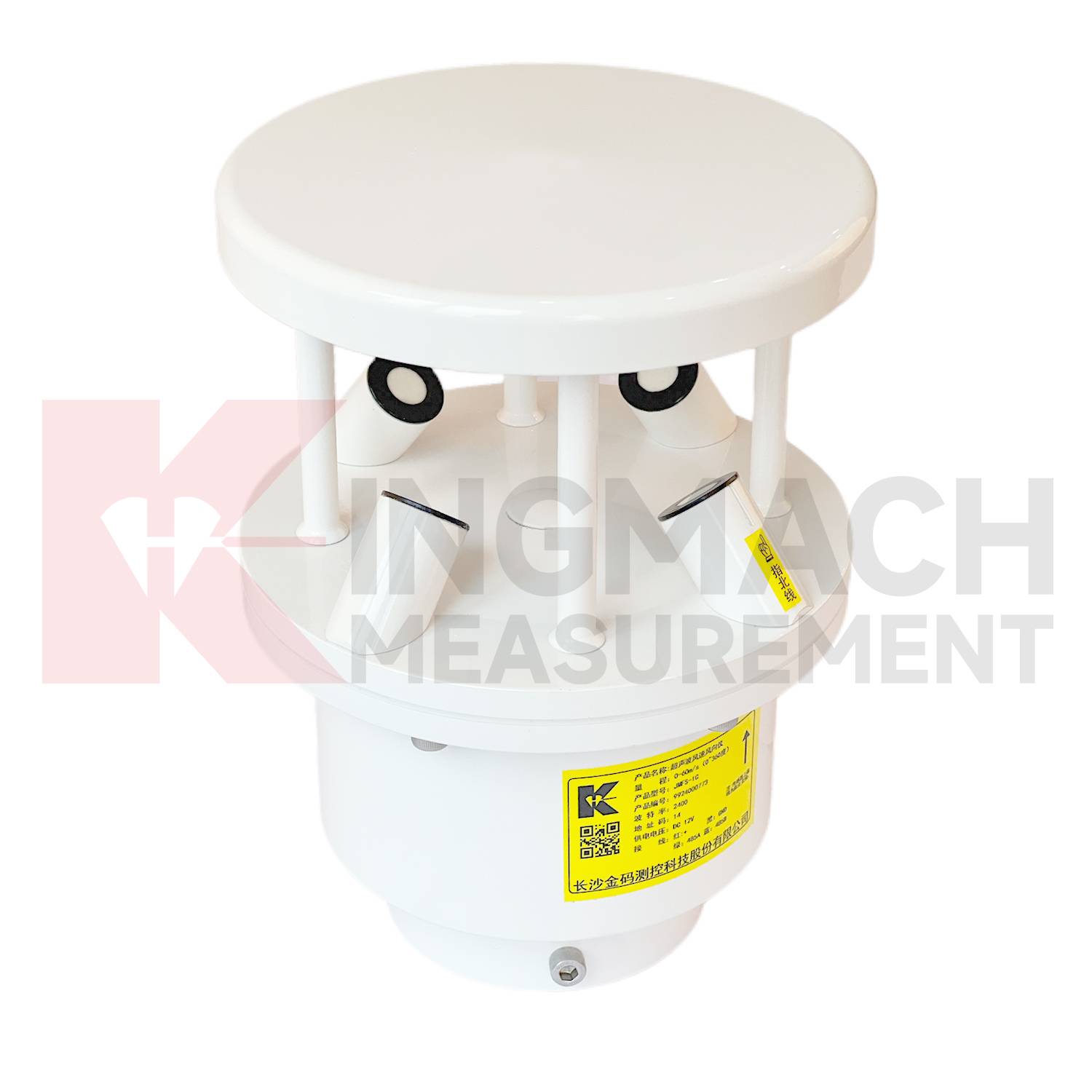
Ultrasonic Wind Speed and Direction Instrument
Kingmach Measurement & Monitoring Technology Co., Ltd.
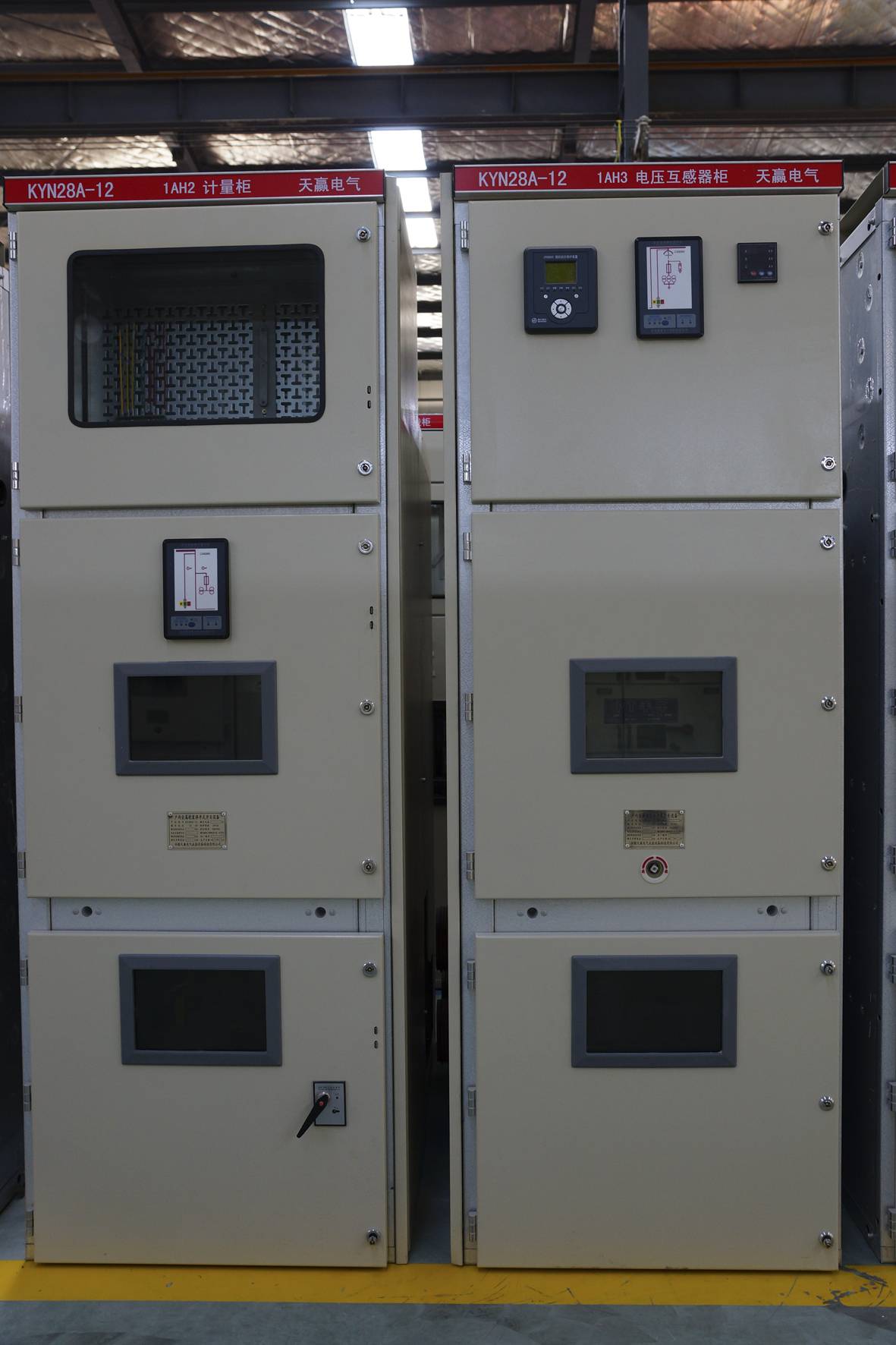
KYN28 - High Voltage Switchgear
Anhui Tianying Electrical Equipment Manufacturing Co., Ltd.