India Plans Solar Module Recycling Policy to Tackle 4.5 Million Tonnes of Waste
en.Wedoany.com Reported - The Indian government plans to introduce a national policy to regulate the recycling of solar modules, reducing their environmental impact and recovering reusable materials.
As the country's first batch of solar projects is expected to reach the end of their lifespan around 2030, the Ministry of Environment, Forest and Climate Change and the Ministry of New and Renewable Energy (MNRE) are seeking industry input on safe disposal solutions for solar waste.
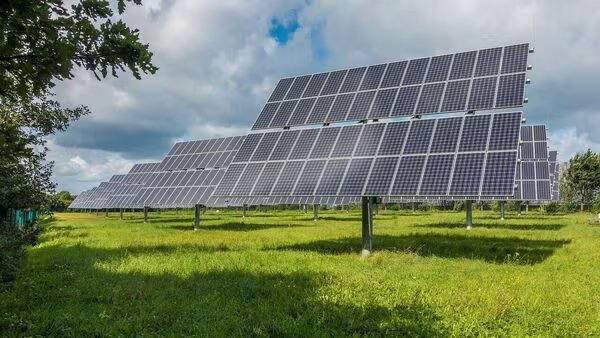
"The government plans to introduce relevant policies and is currently listening to stakeholders. The Central Pollution Control Board (CPCB) will play a key role in formulating regulations and this policy," said a source. Another source stated that a key consideration is mandating module recycling by 2029-2030. The typical lifespan of a solar module is 25 years.
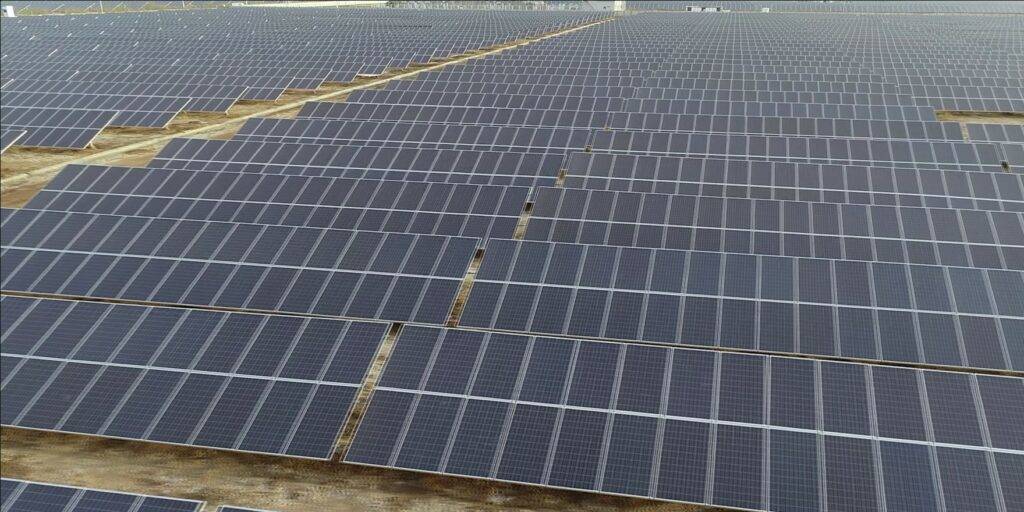
India is the world's third-largest solar power producer, with an installed capacity of 157 GW, and aims to reach 280 GW by 2030. Additionally, rooftop solar systems are being installed under the 'PM Surya Ghar Muft Bijli Yojana' scheme, valued at INR 750 billion. Due to the accelerated pace of installation, the government targets auctioning 50 GW of renewable energy capacity annually.
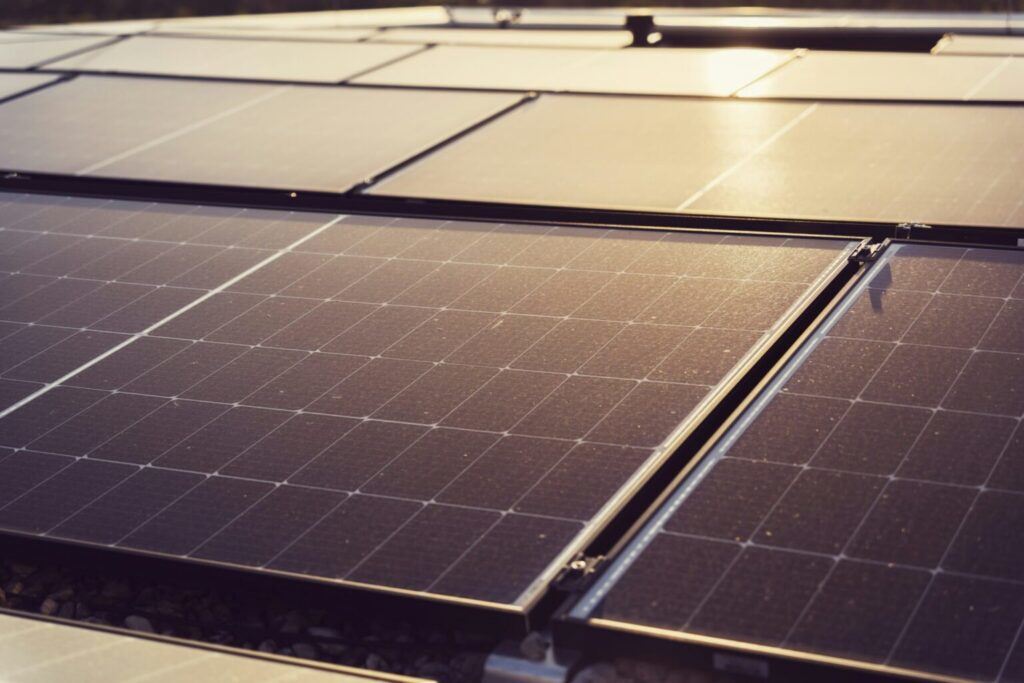
Solar modules are panels composed of connected photovoltaic cells that convert sunlight into electricity. Recycling modules helps prevent electronic waste and allows for the recovery of valuable materials such as silver, copper, silicon, and glass, enabling their re-entry into the manufacturing cycle.
Partial Recycling
According to an analysis by the Center for Study of Science, Technology and Policy (CSTEP), India is expected to generate approximately 4.5 million tonnes of solar photovoltaic waste by 2050. However, currently only 20% of solar photovoltaic waste is recycled, with the remainder being disposed of informally.
"Bridging this recycling gap is crucial for effectively managing the increasing volume of solar photovoltaic waste. Furthermore, it will benefit a wide range of stakeholders," CSTEP stated in its report.
The Central Pollution Control Board (CPCB) recently released draft guidelines for the safe storage, handling, and transportation of discarded solar photovoltaic modules, panels, and cells. These guidelines are part of the Electronic Waste (Management) Rules, 2022. Solar photovoltaic waste falls under the category of electronic waste.
Unlike other electronic waste, solar photovoltaic waste is exempt from EPR (Extended Producer Responsibility) recycling targets. However, manufacturers and recyclers must register and obtain storage permits by 2034-2035, submit annual returns, and comply with CPCB's standard operating procedures.
"Solar waste is becoming a significant issue on the global policy agenda, with a global trend shifting towards structured end-of-life responsibility supported by recycling targets," said Amit Manohar, Secretary General of the Indian Solar Manufacturers Association (ISMA). "Europe is leading the way, with Asia-Pacific and the US now catching up. These frameworks offer valuable lessons, but India is developing standards suited to its own scale and context, in close consultation with MNRE and CPCB."
Manohar noted that the goal is to create a framework that defines recycling around high-value material recovery and distributes responsibility fairly across the value chain.
With domestic module manufacturing capacity multiplying over the past few years, the focus on recycling has become more critical. India currently has over 210 GW of solar module manufacturing capacity and approximately 30 GW of cell manufacturing capacity. These figures are expected to grow as the goal of fully localizing the solar ecosystem is pursued.
Avoiding Toxic Waste
Module recycling typically begins with removing the aluminum frame and the junction box on the back, where the solar cell leads connect to the power cables.
"When recycling any end-of-life, quality-check-failed, or transit-damaged modules, the aluminum frame and junction box are removed," said Gagan Chanana, Joint Managing Director of Jakson Solar, a solar module and cell manufacturing company. "All other components are sent for recycling. The main end products are silica containing silver, followed by glass, polymers, and copper."
Anujesh Dwivedi, Partner at Deloitte India, stated that without regulation, end-of-life solar panels could end up in landfills, releasing toxic heavy metals.
"Solar panel recycling can recover over 90% of module materials, including glass, aluminum, copper, and precious metals. Therefore, not recycling them results in a loss of economic value and waste of precious metals on one hand, and is harmful to the environment on the other," Dwivedi said.
He noted that since industrial-scale solar recycling facilities are not yet established, producers and bulk consumers are permitted to store generated solar waste until 2034-2035.
"As the volume of end-of-life solar panels increases year by year, the industry is expected to develop concurrently. Meanwhile, the industry will need government support and incentives, at least in the initial years, to accelerate the establishment of recycling facilities," he added.
ISMA's Manohar stated that with a significant volume of end-of-life solar modules expected in the early 2030s, the industry is utilizing this time for planning, building recycling capacity, and strengthening the overall ecosystem.
Inquiries sent to the Ministry of Environment, Forest and Climate Change, the Ministry of New and Renewable Energy, and the CPCB had not received a response at the time of writing.
Related Products

80kW Megawatt Supercharging Module TH80F10030C9
Shijiazhuang Tonhe Electronics Technologies Co., Ltd.

40.5kV-1100kV Gas Insulated Metal-Enclosed Switchgear (GIS)
Henan Pinggao Electric Co., Ltd.
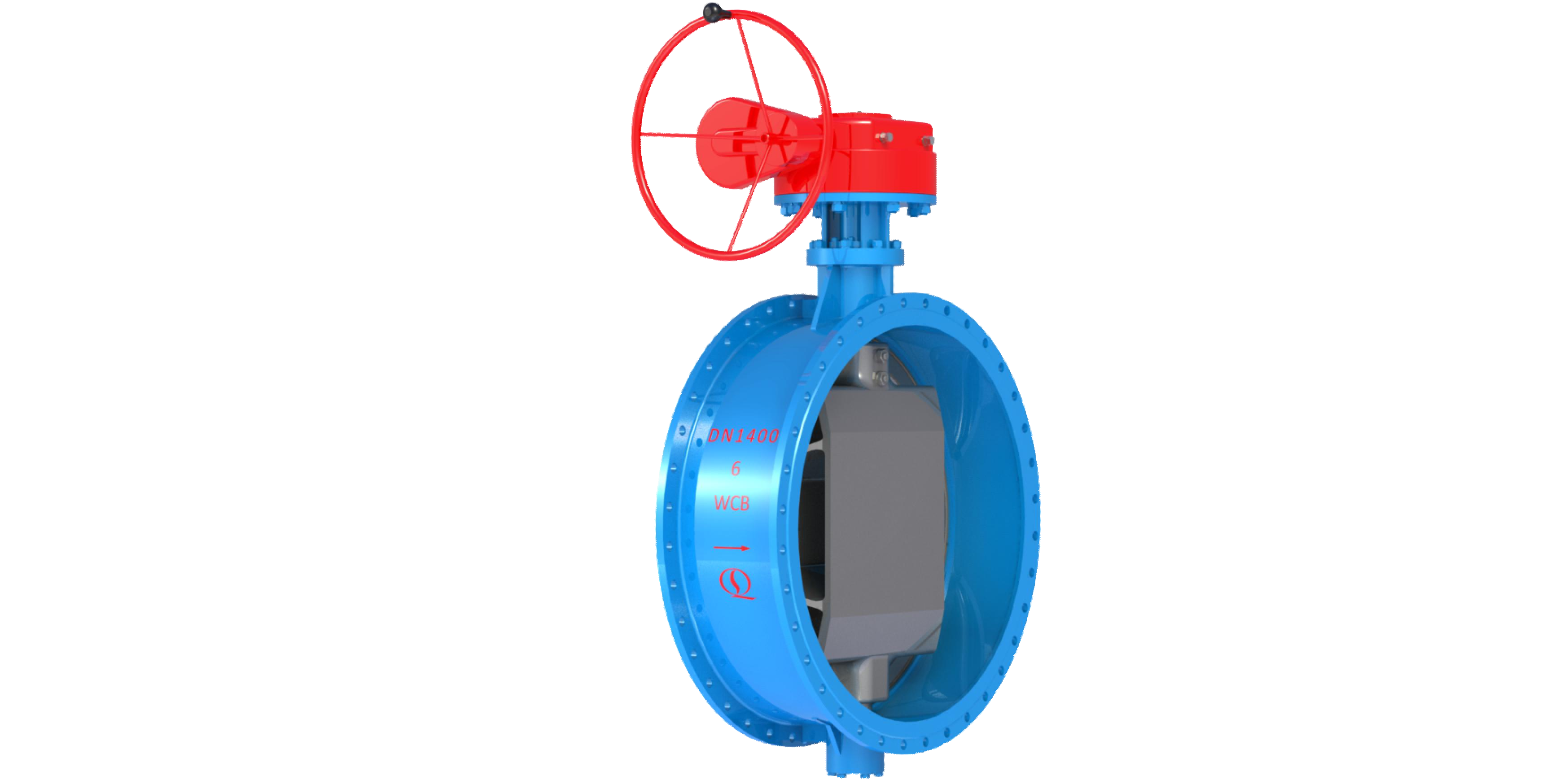
Bidirectional Metal Hard Sealed Seawater Butterfly Valve
Henan Quanshun Flow Control Science & Technology Co., Ltd.

Perfluorinated Ionic Membrane-CM-10N Series Membrane
Guizhou Juneng Century Technology Co., Ltd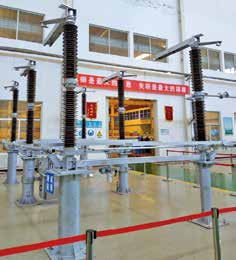
GW4-40.5/72.5/126/145/170/252/363/420 Series Double-column Horizontal Rotary High-voltage AC Disconnect Switch
SHANDONG TAIKAI DISCONNECTORS CO., LTD.
FR2000H 2.15MWh (Air-cooled) 20-foot Containerized Energy Storage System
Jiangyin Furen High-tech Co., Ltd.