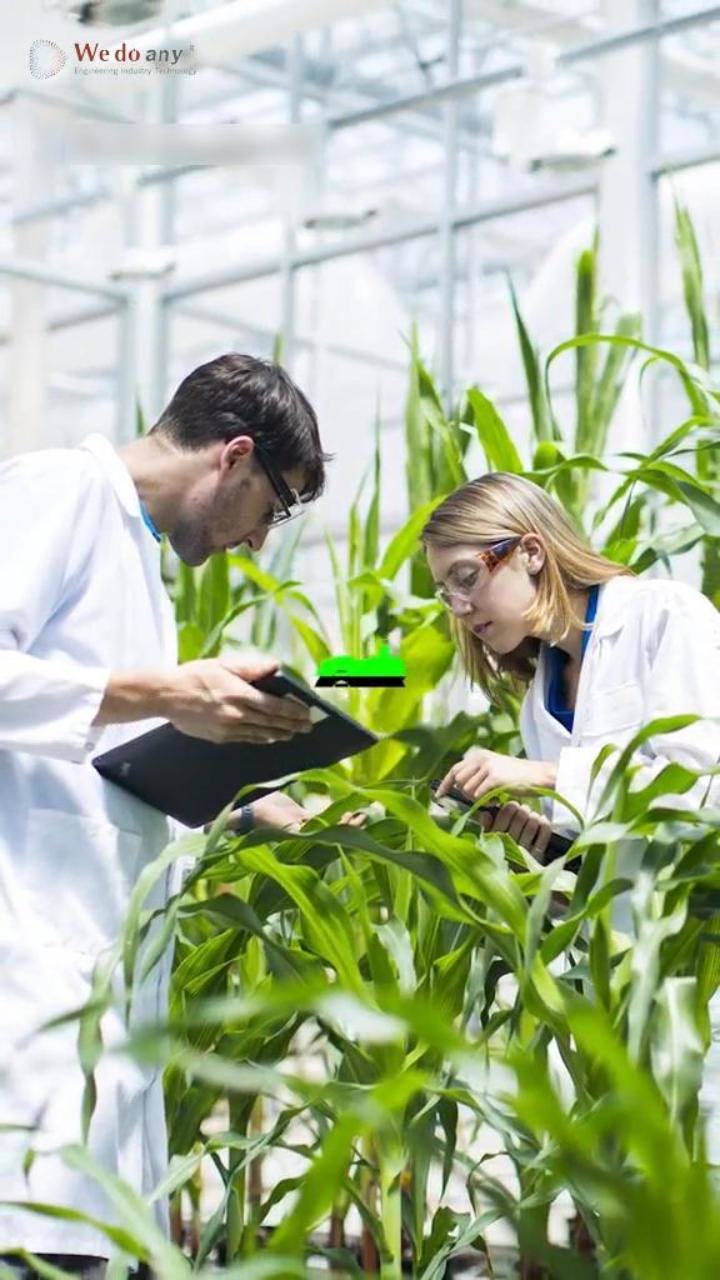
Paraná State's 2025/26 Summer Crop Reaches Record 26.3 Million Tons
en.Wedoany.com Reported - The 2025/26 summer crop harvest in Paraná has concluded, with grain production reaching a record 26.3 million tons, a 6% increase from the 24.7 million tons of the previous cycle. The data was released at the end of June by the Department of Rural Economy (Deral), under the State Secretariat of Agriculture and Supply (Seab).
The main driver of growth was soybeans, with production reaching 21.8 million tons. Additionally, corn output recovered from 3.1 million tons to 4.1 million tons, contributing to the overall increase.
Ágide Eduardo Meneguette, President of the FAEP System (Sistema FAEP), stated that while there were optimistic expectations, the final result was achieved thanks to farmers' continuous investment in technology, management, and qualifications. He believes the record is the result of three factors working together: favorable climate conditions, expanded planting area (especially for corn), and the ongoing technological advancement of farmland in Paraná.
Meneguette also noted that technological progress on Paraná's farms, combined with increasingly precise agronomic practices, played a decisive role in improving yield levels.
In Guarapuava, located in the central-southern region, farmer Eduardo Pletz achieved a historic corn yield of 369.9 bags per hectare during the summer harvest. According to Pletz, who has been growing corn on his farm since the 1980s, this result is the culmination of decades of improvements in the production system, including advances in knowledge, soil management, crop rotation, integration, and the use of higher-yielding genetic material.
Pletz believes that, in addition to technological inputs, climate conditions were decisive in achieving the record. There was no water shortage during the crop growth period, which, combined with meticulous soil management, lime supplementation, fertilization, and care throughout the cycle, ultimately led to this outcome.
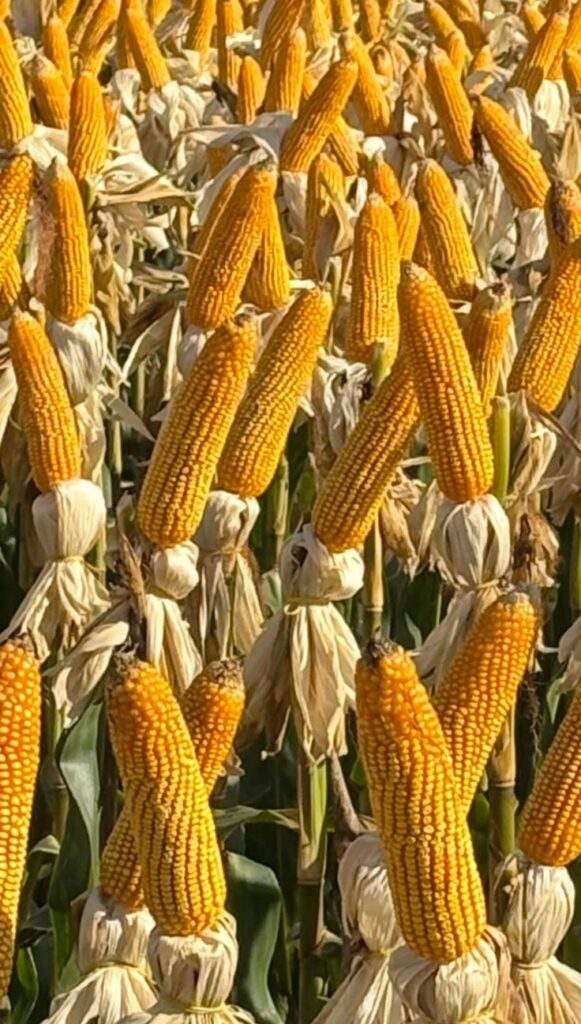
As a member of the Rural Union of Guarapuava (Sindicato Rural de Guarapuava), Pletz continuously participates in training courses through the FAEP System. He has taken courses on NR-31, pesticide application, working at heights, dairy cattle management, among others, which have directly contributed to improving his team's qualifications and the farm's development. Pletz emphasizes that investing in training is as important as investing in farmland, and he will continue on this path toward sustainable development.
Currently, the FAEP System's training catalog includes 259 courses covering different production chains and strategic areas such as grains, fruits and vegetables, soil, mechanization, fish farming, application technology, artisanal production, service provision, workplace safety, management, and leadership. All training is free and provides a certificate.
Related Products



4HS-8 High-efficiency Peanut Inverted-laying Harvester
Hebei Yongfa Hongtian Agricultural Machinery Manufacturing Co., Ltd.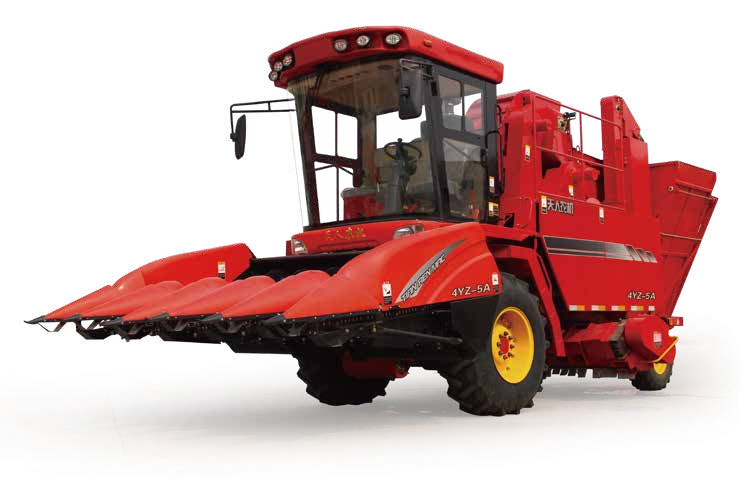

714CD Series C-Band Weather Radar
Chengdu Zhongdian Jinjiang Information Industry Co., Ltd.
Industrial and Commercial Point-Type Gas Detector
Jinan Benan Technology Development Co., Ltd.