Brazil's Vale Optimizes Drilling with Six Sigma, Achieving Annualized Gains of 58 Million BRL
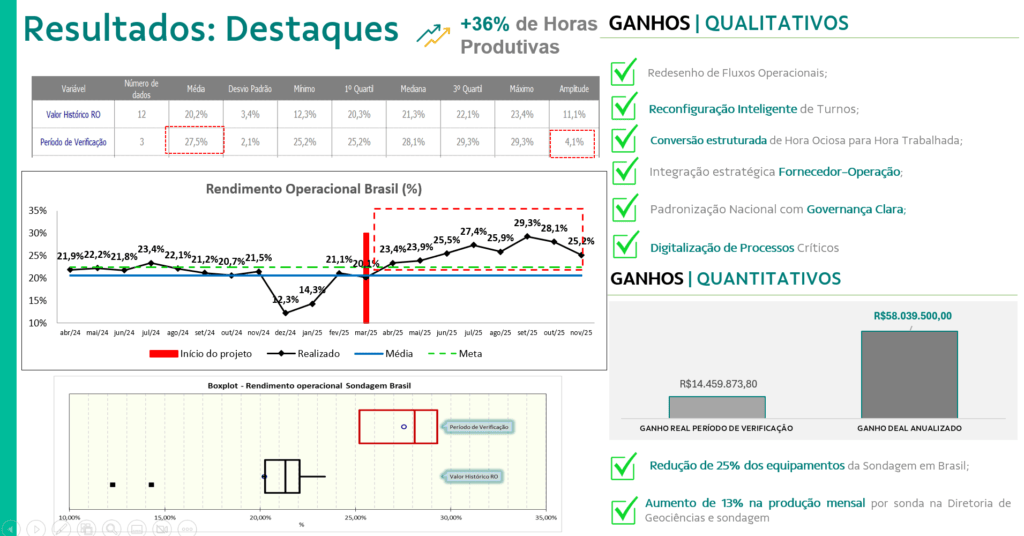
en.Wedoany.com Reported - Brazil's Vale has implemented a new management model in its drilling management department. By applying the Lean Six Sigma methodology and focusing on reducing idle time, the company increased its average operational efficiency (RO) from 20% to 27.5%, reaching a peak of 29%, with an annualized financial gain of 58 million Brazilian reais. This initiative is one of the winners of the 2026 Mining and Metallurgical Industry Excellence Award (Prêmio de Excelência da Indústria Minero-Metalúrgica), which will be presented at the 17th Opex Seminar, held from June 10 to 11 at Minascentro in Belo Horizonte.
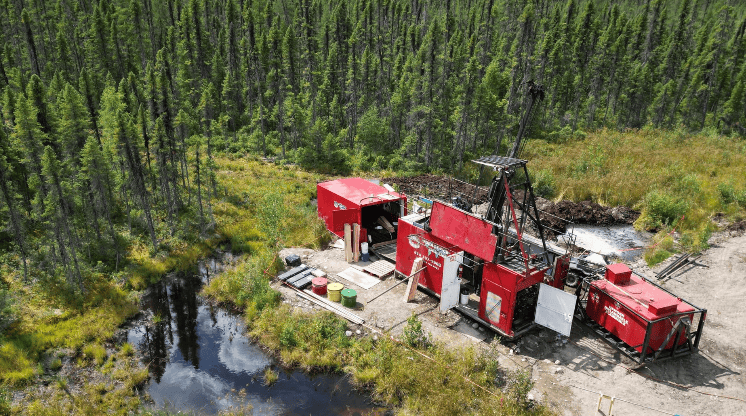
Historically, geological and geotechnical drilling has faced bottlenecks that limit its productivity. Mines operate 24 hours a day, seven days a week, while drilling progresses at a slower pace due to shift constraints and internal bureaucratic processes. The issue was not only the lack of nighttime operations but also the absence of the infrastructure needed to make those hours truly productive.
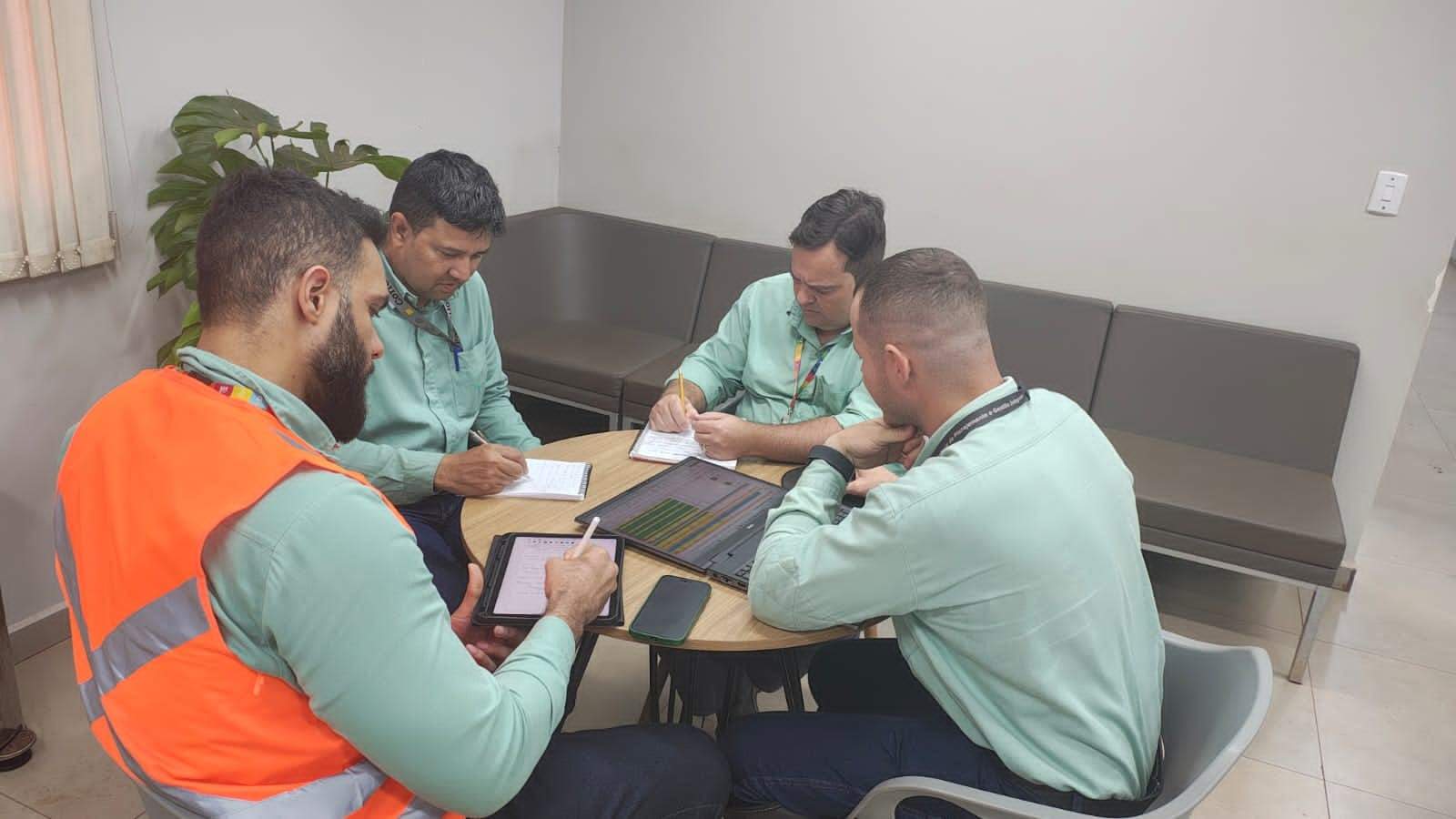
Marcos Paulo Alencar Costa, an expert engineer and one of the project's authors, explained that data analysis revealed "downtime" was caused by systemic factors, such as delays in document approvals, transportation delays, waiting for parts, and even excessive movement for meals.
To reverse the situation, the team adopted the Six Sigma methodology, integrating Green Belt and Black Belt professionals. The group applied the concept of Overall Equipment Effectiveness (OEE), which was adapted to the drilling context.
The analysis found that the main causes of idle time were common across all of Vale's sites in Brazil. Based on this, five key strategies were developed: redesigning operational processes; intelligently reconfiguring shifts; improving integration with suppliers; converting idle time into productive working hours; and implementing robust governance to sustain the changes.
Previously, teams "wasted" production time commuting to and from the mine's cafeteria. By installing high-quality facilities at workstations, lunches were delivered directly to employees. According to Marcos Paulo, at the sites where this measure was implemented, commuting time dropped to zero. Teams can now truly rest for an hour in a comfortable environment and return to work with more energy.
Another key point was integrating drilling with mine planning. Previously, there was competition for space between mining equipment and drills; now, schedules are synchronized, eliminating priority conflicts.
3x3 Shift System
The implementation of a 3x3 shift system (working 12 hours for three consecutive days, followed by three days off) in Serra Norte was a watershed moment. This change required negotiations with unions and partner companies, and the results exceeded both technical and human expectations. Technically, the number of drills in operation was reduced from 12 to just 5, while maintaining the same output. On the human side, employee satisfaction reached 98%. According to the engineer, some employees reported that, for the first time, they were able to accompany family members to medical appointments or undergo health treatments that were previously impossible due to work schedules. Although the initial target gain was 12.3 million BRL, validation by Vale's financial team (FP&A) confirmed that the project achieved an annualized gain of 58 million BRL, a value derived from the reduction in the average cost of drilling and the optimization of the equipment fleet.