EU Cuts Brazilian Steel Import Quota to 18.3 Million
en.Wedoany.com Reported - The European Union's new restrictions on steel imports took effect on July 1, 2026. The new regulations reduce the total annual duty-free import quota for 26 categories of steel products by 47% compared to 2024 levels, and increase tariffs on imports exceeding the quota from 25% to 50%. As one of the 12 countries with a free trade agreement with the EU, Brazil's quota has been cut by one-third. The Brazilian government has demanded compensation of 180 million euros (approximately $203.6 million) from the EU and has notified the World Trade Organization (WTO) that it may take reciprocal measures to "rebalance" trade.
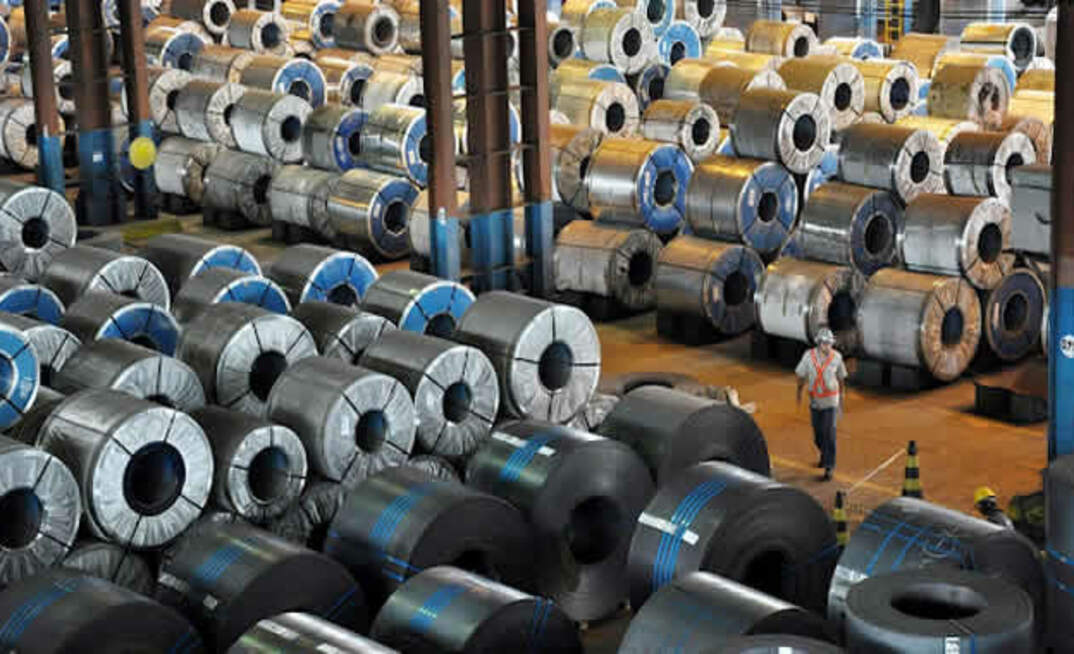
The new regulations directly impact Brazil's steel exports. In a joint statement, Brazil's Ministry of Foreign Affairs and the Ministry of Development, Industry, Trade and Services criticized the EU's new tariff quota system as a "unilateral protectionist measure," arguing that it fails to address the root cause of global steel overcapacity and may instead exacerbate tensions in global steel trade. The Brazilian government emphasized that such issues should be resolved through international and multilateral cooperation, rather than by erecting trade barriers.
The Mercosur trade agreement between Brazil and the EU, which provisionally entered into force in May 2026, was supposed to eliminate import tariffs on steel products. However, the EU's introduction of steel import restrictions in the first month of the agreement's implementation has been seen by Brazil as a "reversal of position." A government source told Reuters that if the EU refuses compensation, Brazil may impose tariffs on EU products, including categories such as milk powder. The Brazilian government stated it remains open to dialogue and will "fully defend the interests of Brazilian producers and exporters."
This dispute puts the trade agreement between Mercosur and the EU, reached after more than 20 years of negotiations, to the test. Brazilian President Luiz Inácio Lula da Silva had previously raised concerns over the EU's import ban on Brazilian meat products. Analysts point out that the EU's immediate imposition of restrictions after the trade agreement took effect reflects the erosion of global trade rules by new unilateral barriers.
Related Products

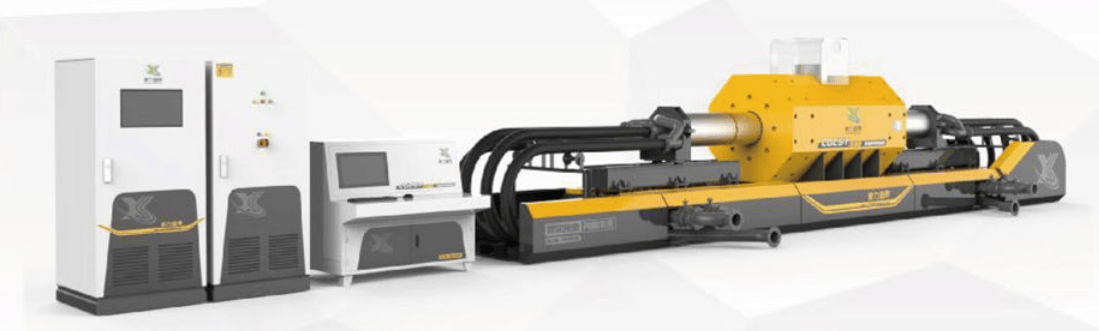
DDW22/08SE-HORIZONTAL DIRECTIONAL DRILL
DW/TXS Construction Equipment (Beijing) Co., Ltd.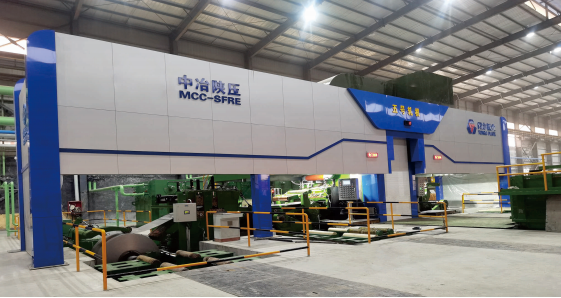
1050-1750mm Steel Strip Single-stand Reversible Cold Rolling Production Line
MCC-SFRE HEAVY INDUSTRY EQUIPMENT CO., LTD.
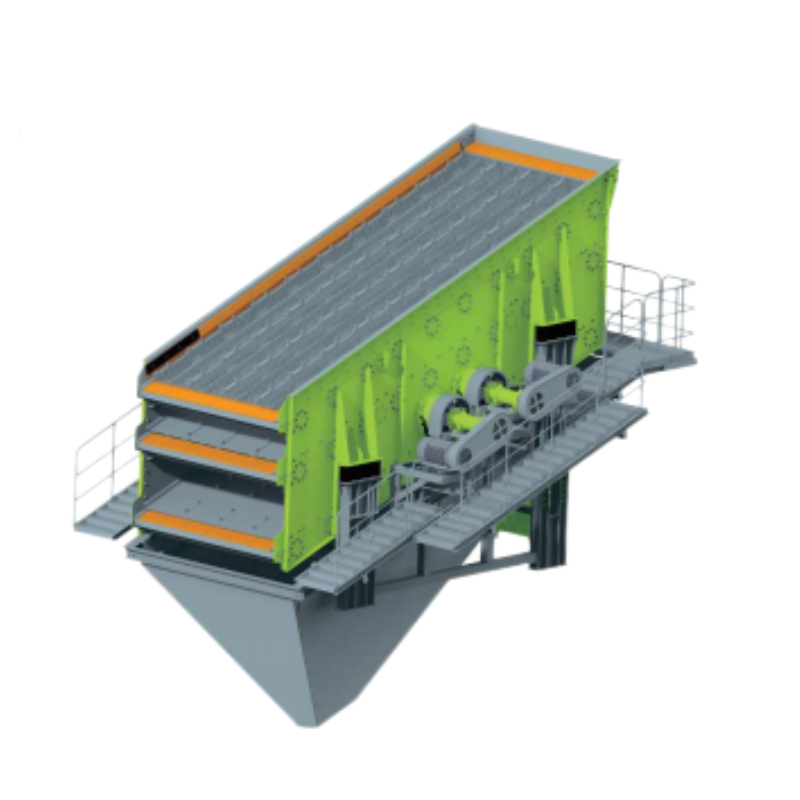
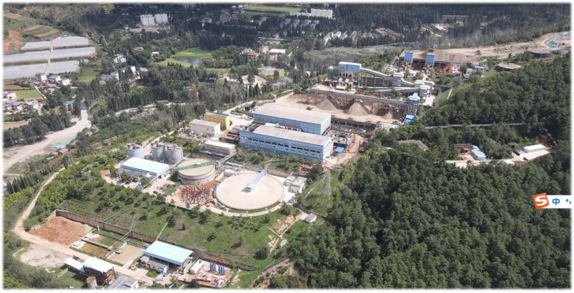
Yunnan Phosphorus Chemical Group Co., Ltd. 2 Million t/a Phosphorus Ore Mining and Beneficiation Project
China Bluestar Lehigh Engineering Corporation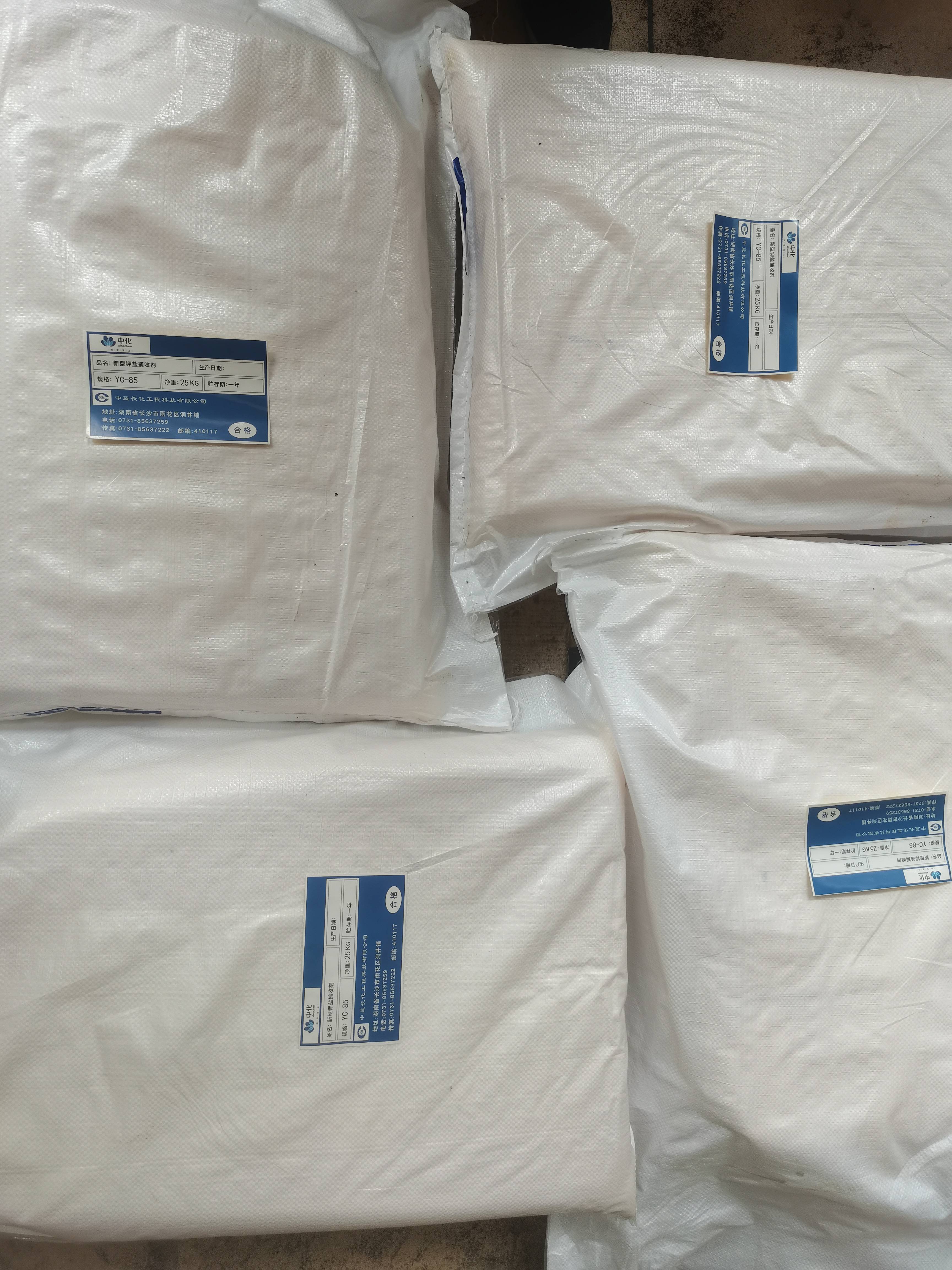
New Environmentally Friendly Green Potassium Salt Collector
Chonfar Engineering and Technology Co., Ltd.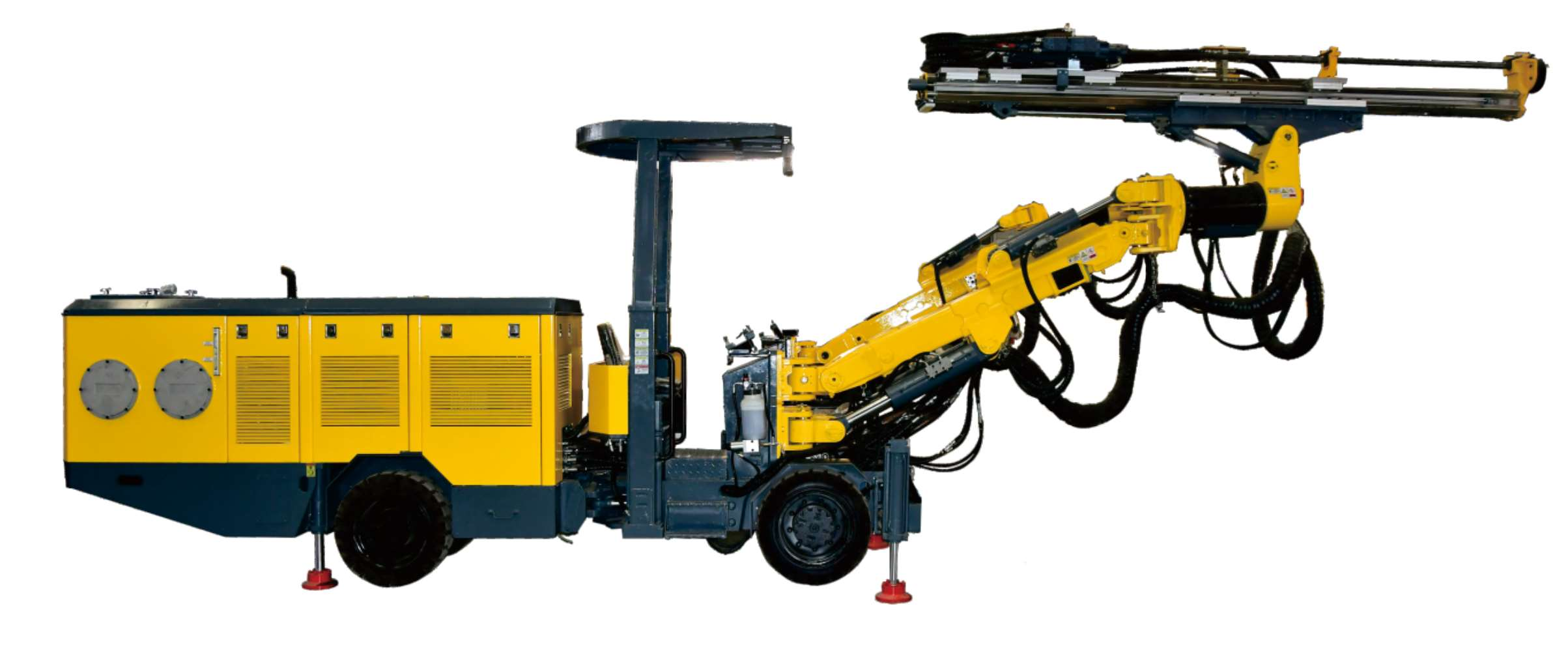
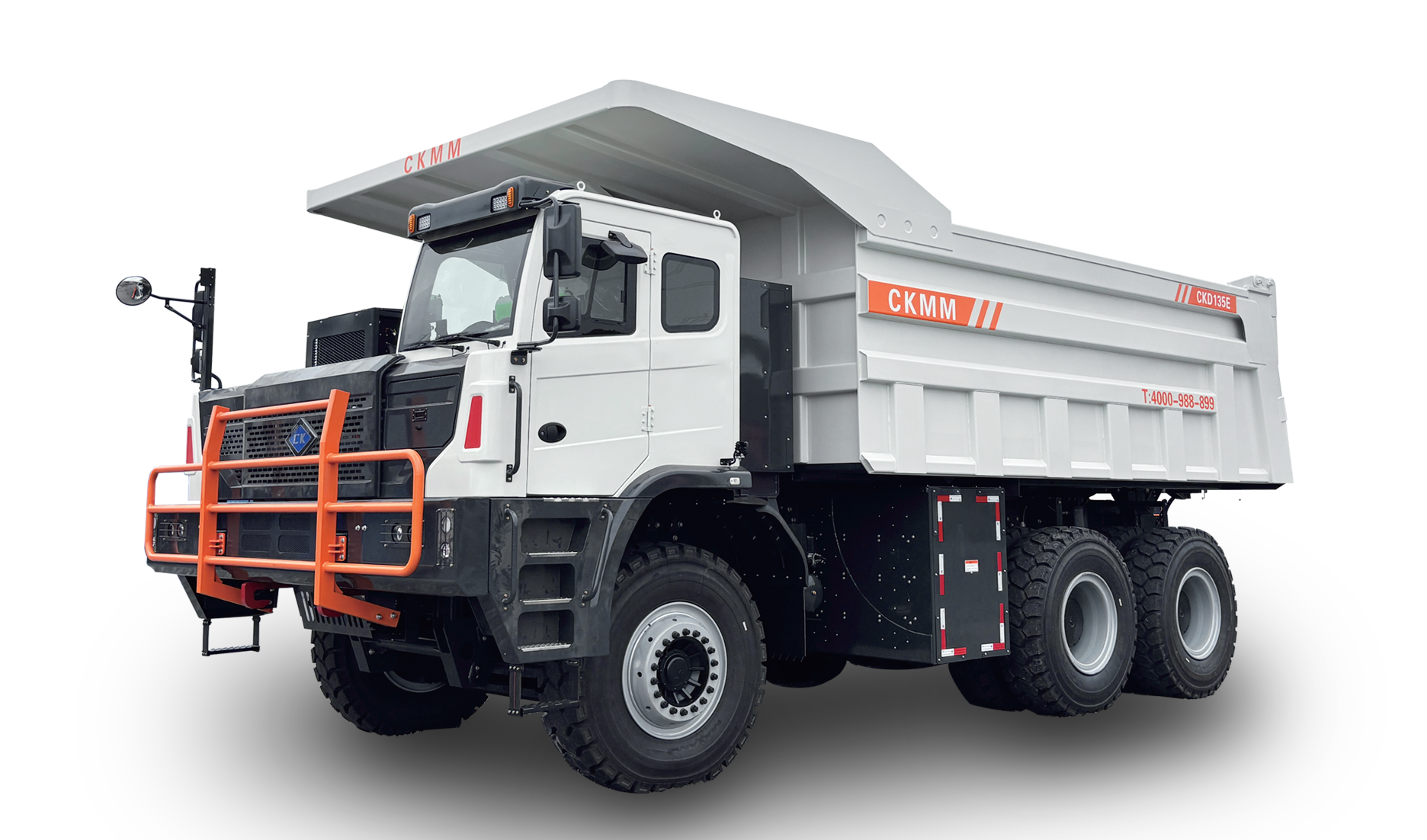
CKD135E Pure Electric Wide-body Dump Truck
Jiangsu Changkuang Engineering Machinery Co. Ltd.