U.S. TeraWulf Signs $19 Billion Lease Agreement with Anthropic
en.Wedoany.com Reported - TeraWulf has signed a 20-year infrastructure lease agreement with AI developer Anthropic, expected to generate approximately $19 billion in contract revenue over the initial term. Concurrently, TeraWulf sold its majority stake in a Texas joint venture, shifting its capital strategy toward wholly owned AI campuses rather than shared development projects. These two interrelated announcements reveal the future direction of AI infrastructure economics: ownership is becoming as important as capacity.
For investors, the Anthropic agreement is immediately striking. TeraWulf expects the custom campus for Anthropic at the Justified Data site in Horseville, Kentucky, to generate approximately $19 billion in contracted lease revenue over the 20-year term. The company stated that the lease will be backed by investment-grade credit, a critical detail for financing infrastructure that takes years to complete. The campus is expected to support approximately 401 MW of critical IT load, with initial capacity planned to come online in the second half of 2027 and full completion targeted for early 2028.
The second transaction provides a clearer explanation of TeraWulf's long-term thinking. The company has agreed to sell its 50.1% ownership stake in the Abernathy, Texas joint venture to an investor group led by existing joint venture partner Fluidstack. The project, established in 2025, was designed to develop a 168 MW AI data center campus. TeraWulf monetized approximately $450 million in invested capital at a premium, with proceeds planned for redeployment into wholly owned AI infrastructure projects where the company fully owns assets, directly manages customer relationships, and controls operations. This distinction is commercially significant: joint ventures can reduce financial risk and accelerate development, but they split decision-making authority, future earnings, and customer ownership. As AI campuses increasingly become strategic assets, operators may find these compromises less attractive. Meanwhile, Fluidstack gains greater control over Abernathy, aligning with its role as an AI cloud infrastructure provider seeking additional dedicated capacity.
The Anthropic lease reinforces another shift in the AI infrastructure market. Operators are increasingly seeking long-term commitments before investing billions in power, land, networks, and buildings. A 20-year agreement significantly improves financing negotiations, and the amounts involved reflect changing infrastructure valuations. Kentucky offers access to significant power infrastructure, while Texas attracts AI development through power availability and a mature data center ecosystem, but neither market is immune to transmission constraints, permitting complexities, or utility scheduling pressures. Construction delays, equipment availability, evolving AI hardware requirements, and future electricity prices are all variables in projects spanning decades.
TeraWulf simplifies its financial reporting by eliminating joint venture accounting, a strategy suggesting the company increasingly views itself not as a project developer but as a long-term infrastructure landlord. Infrastructure investors typically value predictable contracted cash flows differently from development gains or minority project stakes. For companies focused on the AI infrastructure market, large AI developers appear increasingly willing to lock in dedicated campuses years before capacity comes online, potentially tightening available wholesale infrastructure for other buyers while widening the gap between hyperscale AI tenants and enterprises relying on shared colocation environments. A 401 MW campus with a 20-year tenant changes financing assumptions and raises expectations for future projects competing for power, land, and institutional capital. TeraWulf is recycling capital, Anthropic secures future dedicated capacity, Fluidstack consolidates Abernathy ownership, assets change hands, and power demand remains unchanged.
Long-term contracts significantly improve financing certainty, reduce revenue volatility, and enhance confidence in developing high-power AI infrastructure. The Abernathy sale redirects capital toward wholly owned campuses, placing operational decisions, customer relationships, and future economic returns under direct company control. Construction milestones, power delivery timelines, financing execution, and customer expansion options will indicate whether expected long-term returns remain achievable through deployment. Large-scale AI deployments require massive upfront investment, making long-term customer commitments increasingly valuable for securing project financing and utility coordination. Grid availability, supply chain disruptions, evolving hardware densities, construction execution, and changing power economics may still impact project timelines and profitability.
Related Products


MUX Series Communication Interface Device for Security and Stability Control System
Nanjing NR Electric Co., Ltd.
20 Inch 1600*900 Full HD 60Hz TFT LED Monitor with VGA and DP Interfaces for Desktop Computers-Business Use
Guangzhou Zanying Optoelectronics Technology Co., Ltd.

Automatic Aiming Laser Remote Obstacle Removal Robot
Pinggao Group Weihai High-Voltage Apparatus Co., Ltd.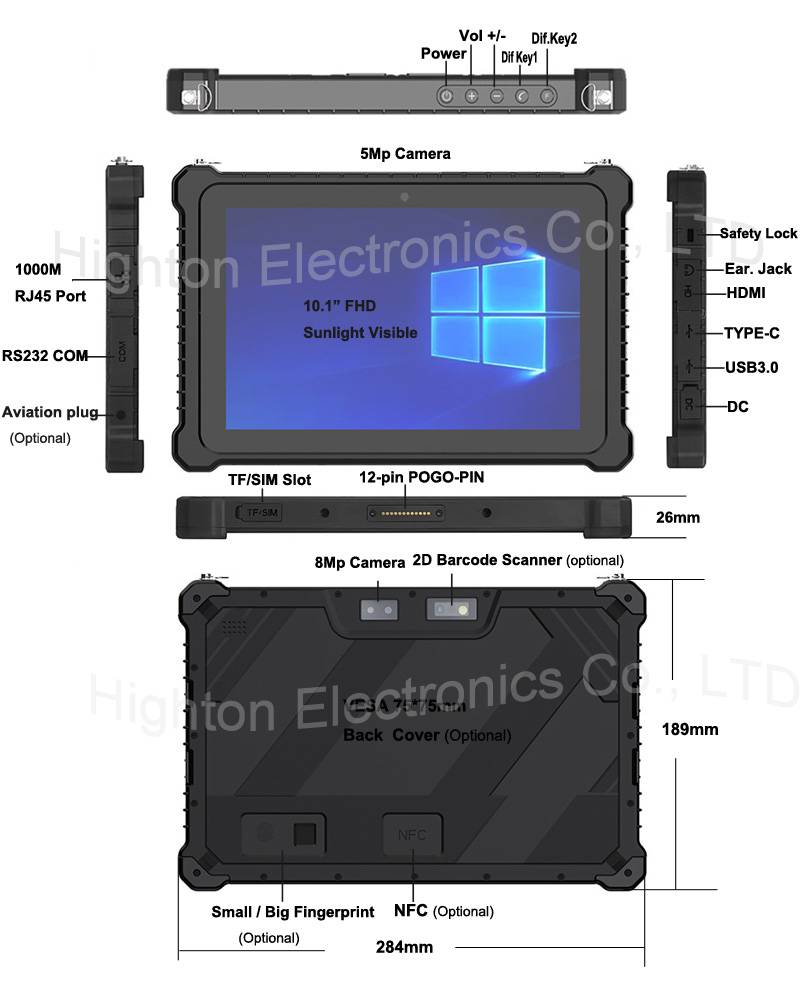
Hot Selling 10 Inch Intel N5100 I5 I7 FHD 8 +128GB 16+256GB Win10 Pro Win11 Pro 4G 5G Rugged Tablet PC Pad with NFC Barcode
Highton Electronics Co., Ltd.
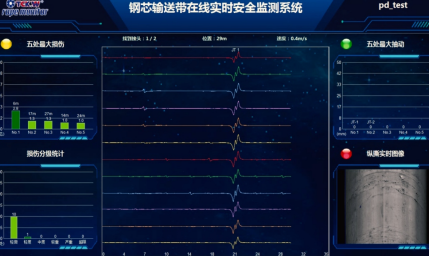
Conveyor Belt Intelligent Monitoring System
LUO YANG WIRE ROPE INSPECTION TECHNOLOGY CO., LTD.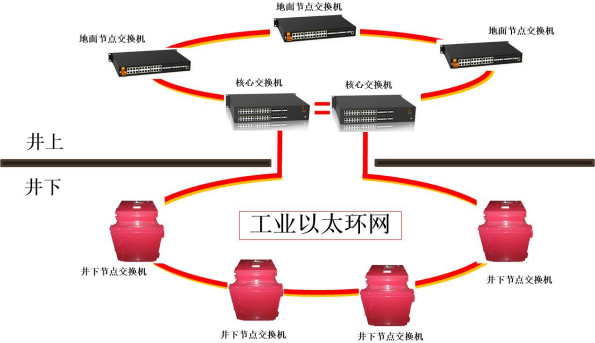
Mine Explosion-proof and Intrinsically Safe Industrial Ethernet Ring Network (10 Gigabit/Gigabit)
Chongqing Mas Sci&Tech Co., Ltd.