US FCC to Vote on Satellite Licensing Reform
en.Wedoany.com Reported - The U.S. Federal Communications Commission (FCC) plans to vote on July 22 on an order that would comprehensively reform the satellite application process, aiming to create a "licensing pipeline" to address increasingly large and complex constellation projects.
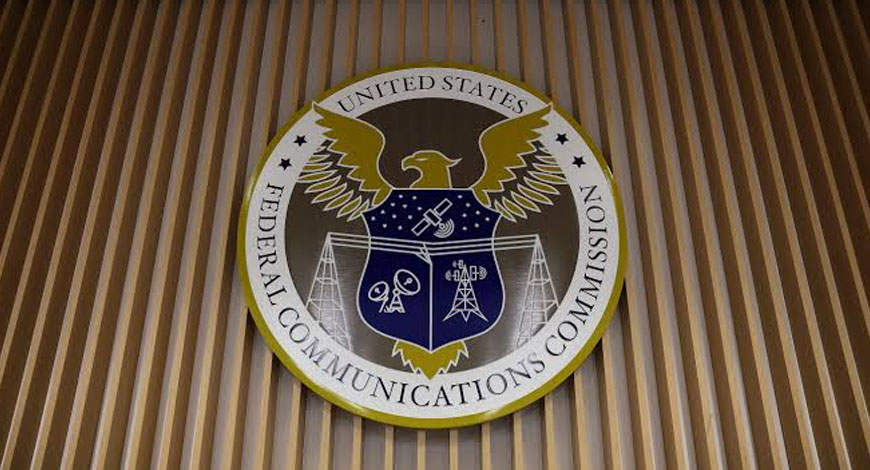
The proposal, titled the "Space Modernization Order," would replace the FCC's long-standing Part 25 with a new Part 100, covering processing rounds, license terms, and surety bond requirements. The order would reduce administrative burdens, expand the types of minor license modifications operators can make without prior FCC authorization, and shorten the public notice window from 30 days to 15 days, unless otherwise specified by regulation. The draft order states that within 30 days of submission, the FCC will either issue a public notice or inform the applicant of what additional materials are needed for the application to be considered complete. The goal of this reform is to compress the approval process, which could previously take years, into months or even weeks, to support constellation replenishment and upgrade needs.
To mitigate collision risks from increasing congestion in low Earth orbit (LEO), the order requires operators to share satellite tracking data with approved space situational awareness providers. The FCC will also seek public comment on establishing a space-based experimental licensing regime and other reform proposals. In October last year, the FCC issued a Notice of Proposed Rulemaking that included a seven-day expedited processing path, but that path was not included in the order up for vote.
FCC Chairman Brendan Carr stated that LEO is becoming increasingly strategic for commercial and government satellite systems, and this order will boost the U.S. space economy. In a statement, he said the right regulatory framework will determine whether the U.S. can win the "Space Race 2.0," and the Space Modernization Order will shift reviews from a customized approach to a consistent, predictable, and objective pipeline process. Carr emphasized that the reform will maintain strong protections for aviation safety and work closely with the Federal Aviation Administration (FAA).
However, if the order is approved, large-scale orbital data center constellation applications submitted this year—such as SpaceX's plan to launch up to one million satellites to support AI demand—will not be subject to the revised processing timelines and procedures. Meanwhile, the U.S. Congress is considering the Satellite and Telecommunications Streamlining Act, which would set deadlines and other reforms for the FCC's satellite licensing process.
The FCC also plans to vote on July 22 on rules to auction 160 megahertz (MHz) of upper C-band spectrum in the 3.98-4.14 GHz band next year. This spectrum is adjacent to frequencies used by aviation radio altimeters and is currently primarily used by Luxembourg-based multi-orbit operator SES to deliver U.S. television services. Carr said this would be the FCC's first auction of new commercial spectrum in five years, expanding access to mid-band spectrum for next-generation wireless services, increasing consumer internet speeds, and raising billions of dollars for the U.S. Treasury. The FCC has worked with multiple parties, including the FAA, to ensure aviation safety. In 2020, the FCC auctioned 280 MHz of lower C-band spectrum to Verizon, AT&T, T-Mobile, and other terrestrial 5G operators, raising over $80 billion, with approximately $13.4 billion flowing to incumbent spectrum holders, primarily SES and Intelsat, to incentivize them to quickly migrate services to the remaining 200 MHz of C-band and cover migration costs, including new satellites. SES later acquired Intelsat.
Raymond James analyst Ric Prentiss noted that the upcoming upper C-band spectrum auction is more than 35 times larger than the recent AWS-3 spectrum re-auction, measured by MHz-POP (a valuation metric of bandwidth multiplied by covered population). The FCC announced on June 26 that the AWS-3 auction raised approximately $3.57 billion, with Verizon winning 82 licenses for $3.2 billion. The auction resolved obligations related to EchoStar's failed AWS-3 bids in 2015. After spending billions of dollars acquiring EchoStar spectrum to enhance direct-to-phone capabilities, SpaceX won only two AWS-3 licenses for about $9 million. New Street Research analyst David Barden said some investors believe SpaceX had no intention of winning any licenses but used the process to learn the FCC's auction rules. Others believe SpaceX was merely testing mobile services or using it as a trial run for the upper C-band auction. Barden added that despite SpaceX's stated intent to conduct terrestrial mobile operations in the U.S., entering a saturated market last with minimal spectrum does not represent a good business opportunity.
Related Products

TWP16 P-Band Tropospheric Wind Profile Radar
China Huayun Meteorological Technology Group Co., Ltd.
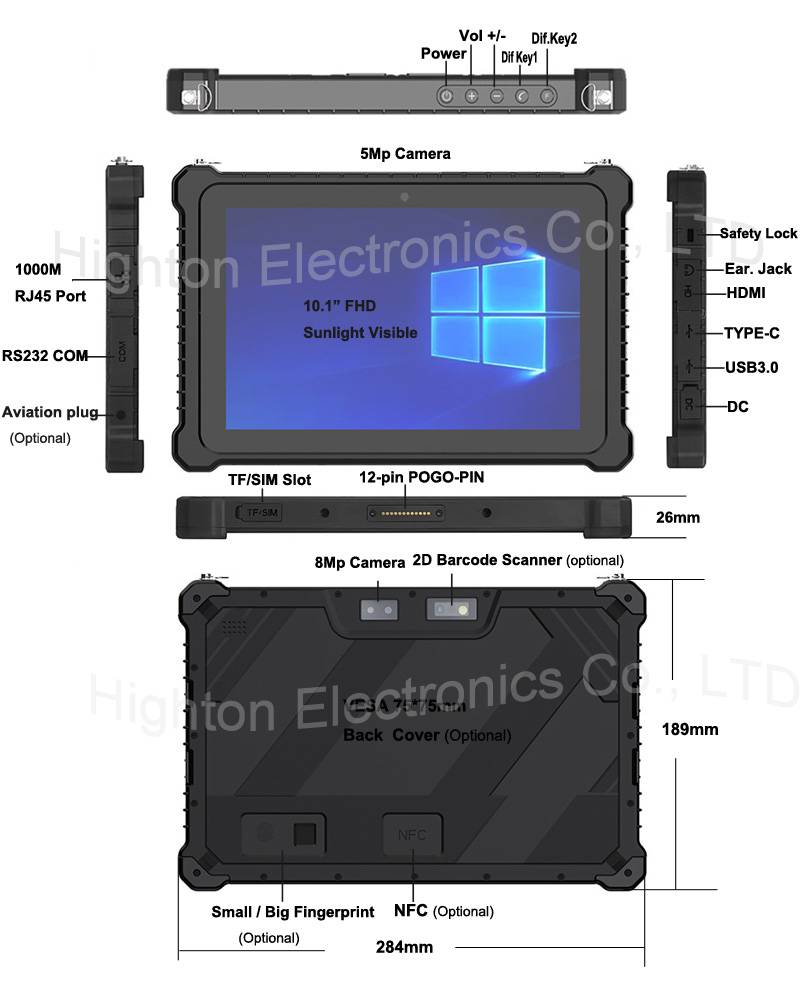
Hot Selling 10 Inch Intel N5100 I5 I7 FHD 8 +128GB 16+256GB Win10 Pro Win11 Pro 4G 5G Rugged Tablet PC Pad with NFC Barcode
Highton Electronics Co., Ltd.

Conveyor Belt Intelligent Monitoring System
LUO YANG WIRE ROPE INSPECTION TECHNOLOGY CO., LTD.


Mine Explosion-proof and Intrinsically Safe Industrial Ethernet Ring Network (10 Gigabit/Gigabit)
Chongqing Mas Sci&Tech Co., Ltd.
Comprehensive Mining Automation Control System
Beijing Tianma Intelligent Control Technology Co., Ltd.
G.652.D Wavelength-extended Non-dispersion Shifted Single-mode Optical Fiber
HONGAN GROUP CO., LTD.