Overseas Bridge Projects Require More Than Equipment Export
en.Wedoany.com Reported - Global transport infrastructure construction and renewal continue to support demand for bridges in highways, railways, ports, urban expressways and cross-regional corridors. For manufacturers of Bridge Erection and Lifting Equipment, overseas markets are not simply about exporting machines. They test a supplier’s ability to understand standards, support construction methods, organize transport, provide site service and manage project risks.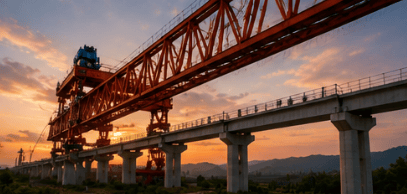
Bridge construction needs vary across regions. Some emerging markets need better rural and regional connectivity, with bridge projects located in mountains, valleys and remote areas. Fast-urbanizing countries may require viaducts, rail transit bridges and interchange systems. Port and mining projects often focus on heavy-load transport corridors. Disaster-prone regions may need temporary bridges, modular bridges and rapid-recovery infrastructure. These different scenarios require different equipment configurations.
International projects also bring more uncertainty. Transport is the first challenge. Launching gantries, gantry cranes and large lifting systems are heavy and oversized, so suppliers must plan sea freight, inland transport, site access, unloading and assembly areas in advance. Standards are another challenge. Requirements for lifting equipment safety, welding quality, electrical systems, operator qualification and site acceptance can vary by country and project owner.
Maintenance capability is equally important. After the equipment arrives on site, fast installation, commissioning, operator training and troubleshooting can directly affect the construction schedule. For overseas EPC projects with tight timelines, equipment reliability and service response are often more valuable than a lower purchase price.
The real competitiveness of a supplier is not only delivering the machine, but ensuring that the machine operates reliably under local engineering conditions. Suppliers need to provide equipment selection, construction-method recommendations, spare parts planning and technical support according to bridge type, girder weight, span length, terrain, climate and site organization.
In the future, the export of bridge erection equipment will move from product delivery to engineering capability delivery. Companies with customized design, international compliance documents, project-based packaging, remote diagnosis, on-site service and multilingual technical materials will be better positioned in overseas transport infrastructure markets. As bridge construction becomes more efficient, safer and more resilient, erection and lifting equipment will play a larger role in global engineering projects.
Related Products

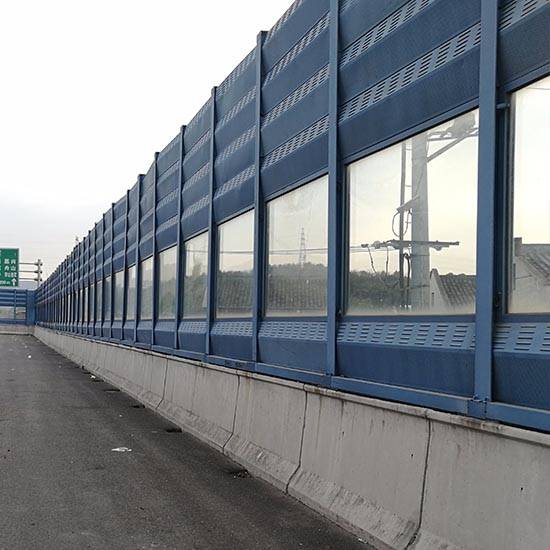
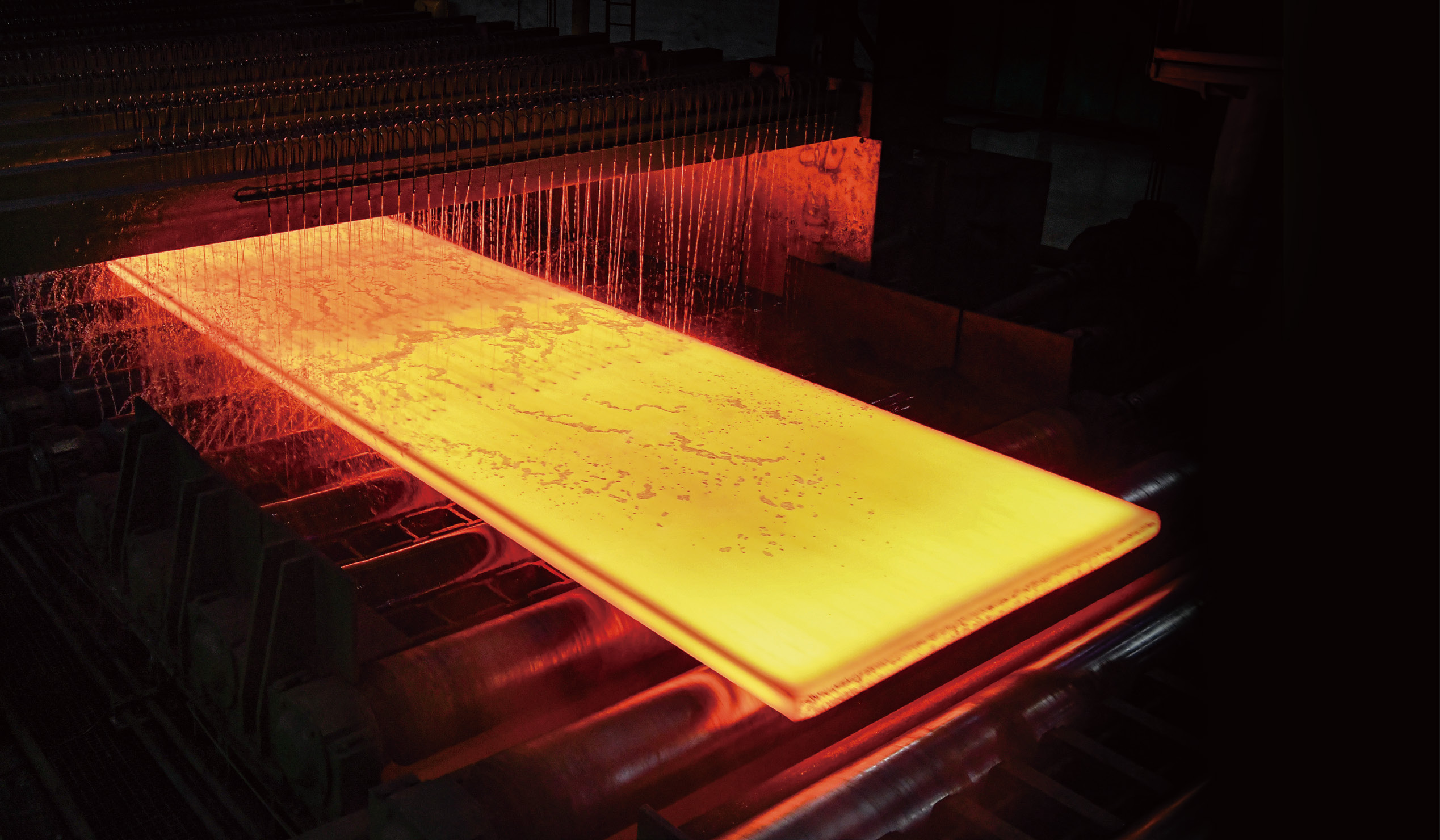
Metal sound barriers that can reduce the transmission of road noise
Hebei Jinbiao Construction Materials Tech Corp., Ltd.
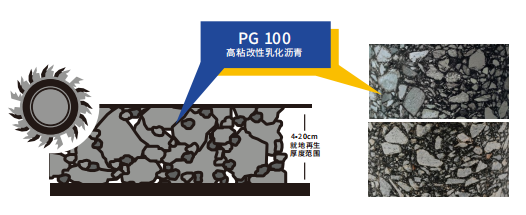
High-toughness in-Situ Cold Recycling Technology for Original Structural Layers
Central Fortune Creation Technology Group Co., Ltd.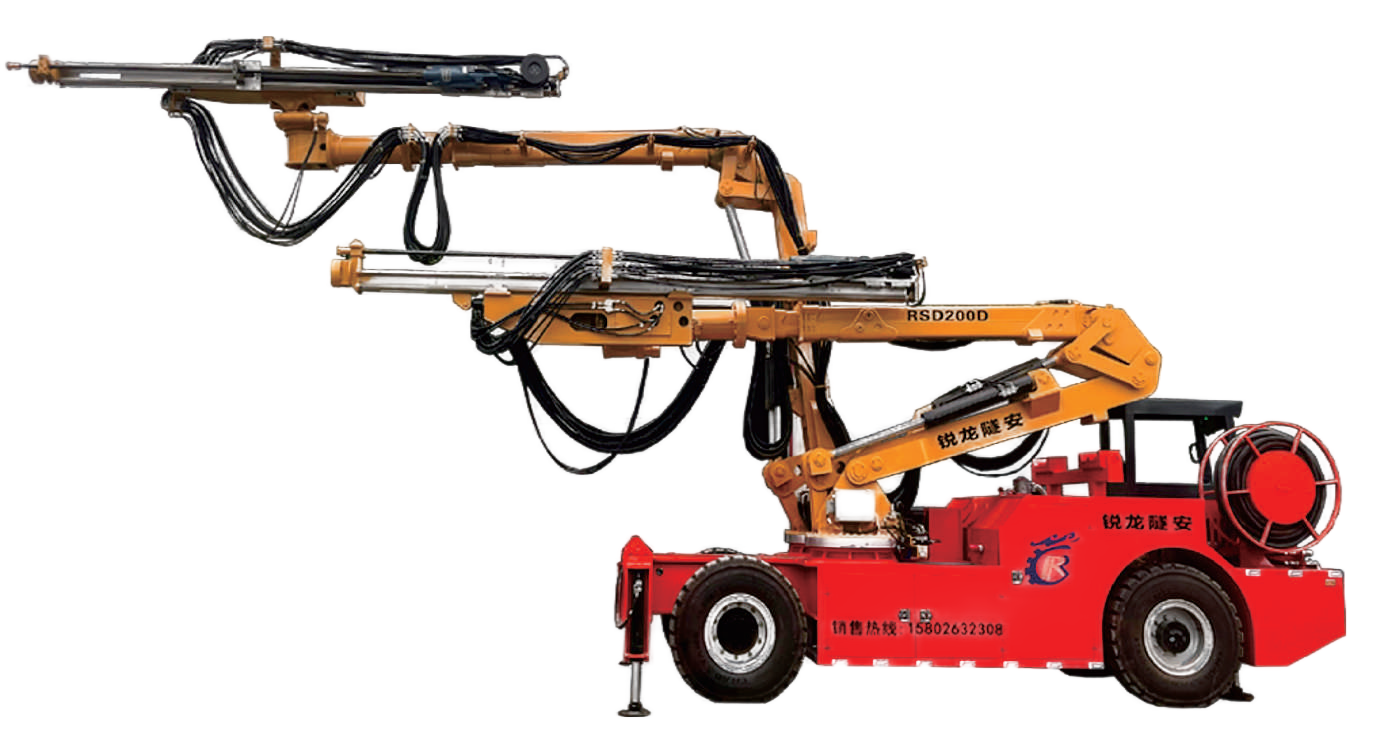
Dual-curved Arm Rock Drilling Trolley RSD200D
Chengdu Ruilong Machinery Manufacturing Co., Ltd.

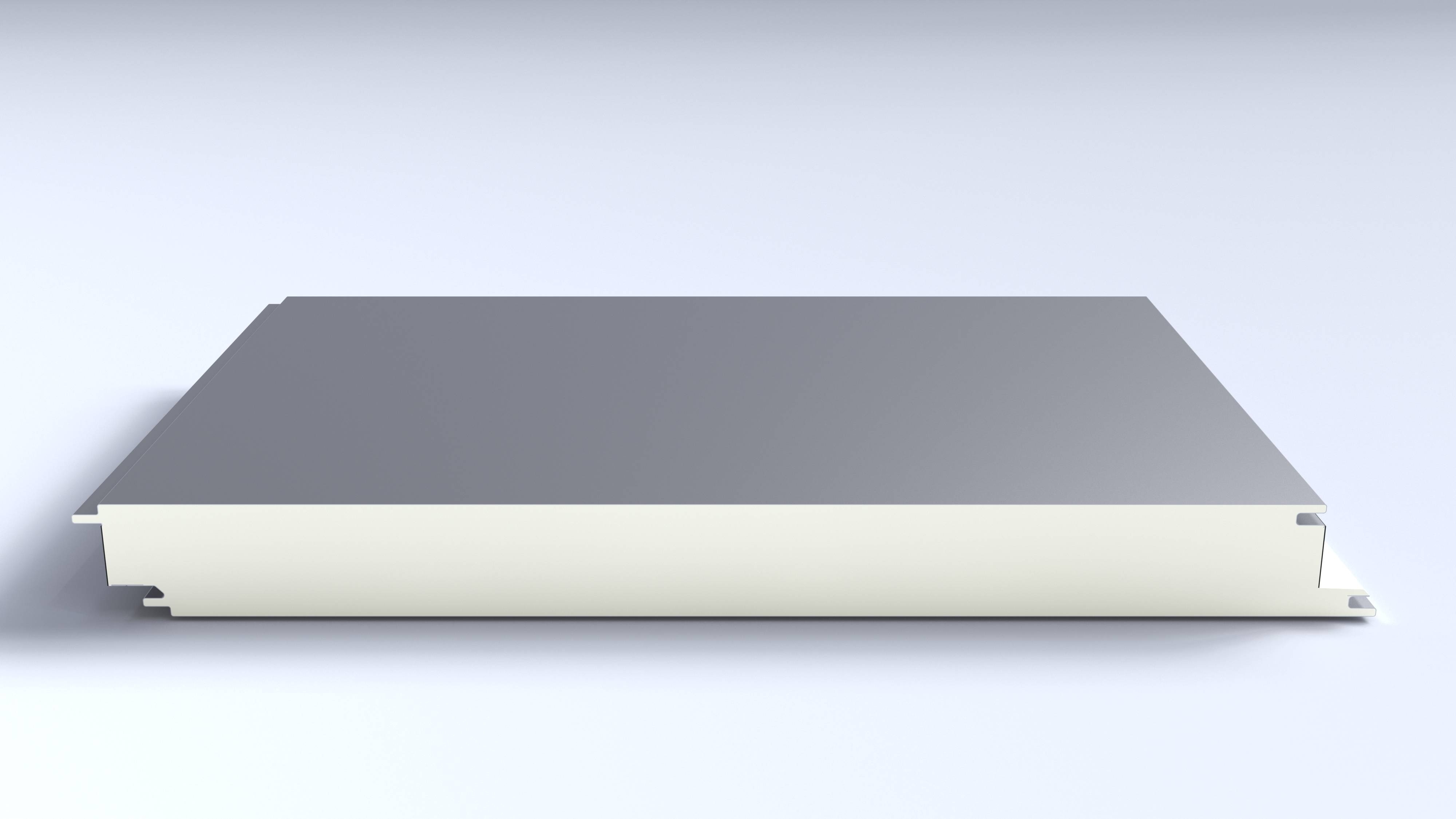
Pure Polyurethane Wall Panel BD-AEF-PIR-01
Baodu International Engineering Technology Co., Ltd.