Bridge Lifting Safety Is Moving Toward Digital Monitoring and Early Warning
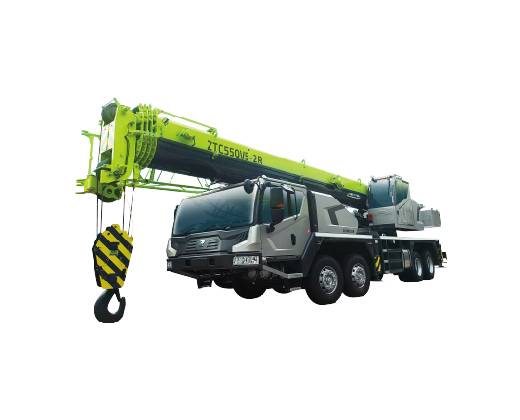
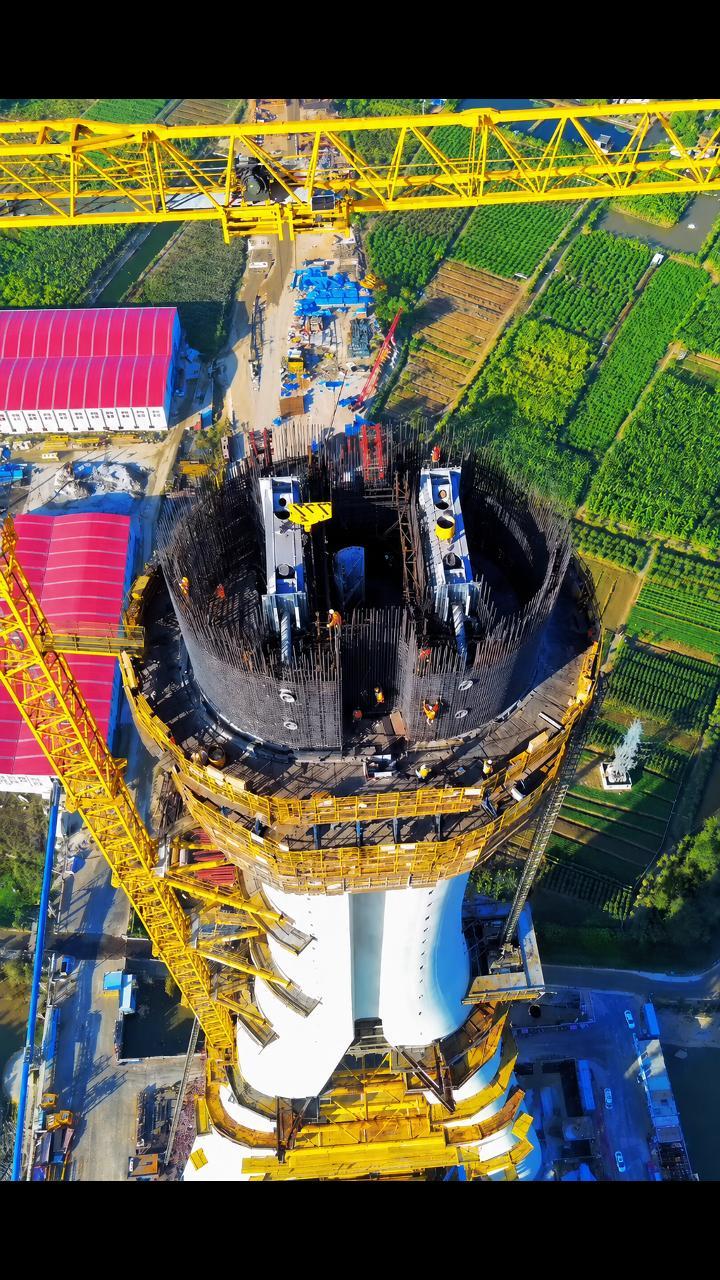
en.Wedoany.com Reported - Bridge lifting operations involve heavy components, large working heights, complex site conditions and close coordination among many workers. In this environment, Bridge Erection and Lifting Equipment must do more than complete the lift. It must support safer operation, clearer risk control and more reliable construction management.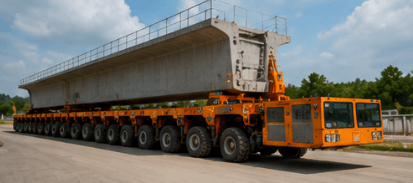
Safety risks in bridge lifting usually come from several sources. Load-related risks include overloading, eccentric loading, improper lifting point arrangement and inaccurate judgment of the component’s center of gravity. Environmental risks include strong wind, rain, snow, low visibility, insufficient ground bearing capacity and uncertainty in over-water construction. Equipment risks may involve braking systems, hydraulic systems, wire ropes, limit switches, support legs and electrical controls. Organizational risks include unclear signals, unsafe worker positioning, cross operations and insufficient emergency response.
Traditional safety management relies heavily on manual inspection, experience and on-site command. These measures remain important, but they are no longer enough for large and complex bridge projects. More lifting systems are now equipped with load sensors, inclination sensors, wind-speed meters, video monitoring, travelling-position devices, support-pressure monitoring and remote data platforms. These tools allow site teams to monitor equipment status in real time.
The value of digital monitoring is not only alarm generation. It also creates a data record of the construction process. By continuously recording lifting load, equipment posture, movement path and key operating events, project teams can better determine whether the equipment remains within safe operating limits. If an abnormal event occurs, the data can support traceability and analysis.
For major bridge projects, this type of digital management can reduce reliance on individual judgment and improve construction standardization. It also helps contractors build a stronger safety culture, because risks are identified through data rather than only through visual observation or experience.
The next stage of safety upgrading will likely develop in three directions. The first is stronger equipment design, including redundancy and structural reliability. The second is wider adoption of intelligent monitoring for real-time warning and remote management. The third is digital construction organization, connecting equipment data, worker management, process planning and safety briefing. Bridge lifting safety is becoming a combined capability of machinery, control systems and project management.
Related Products
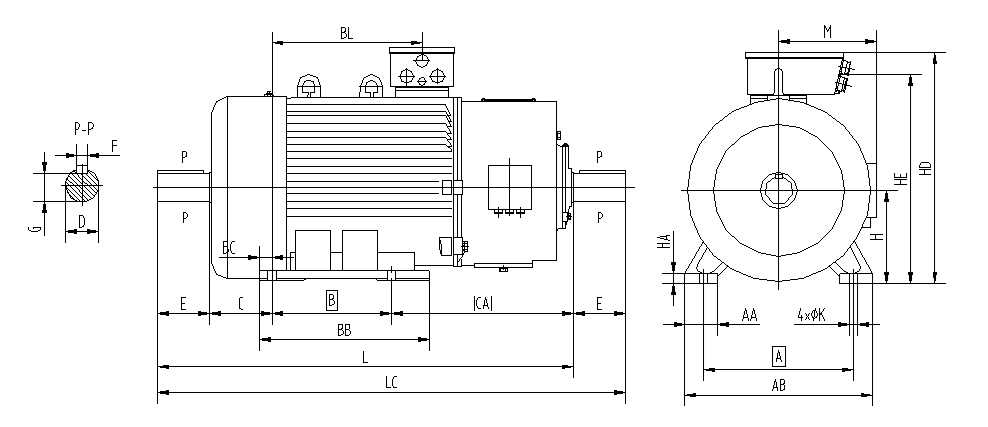

YZR (450-560) Series Wound Rotor Three-Phase Asynchronous Motors for Crane and Metallurgical Applications
Jiamusi Electric Machine Co., Ltd.

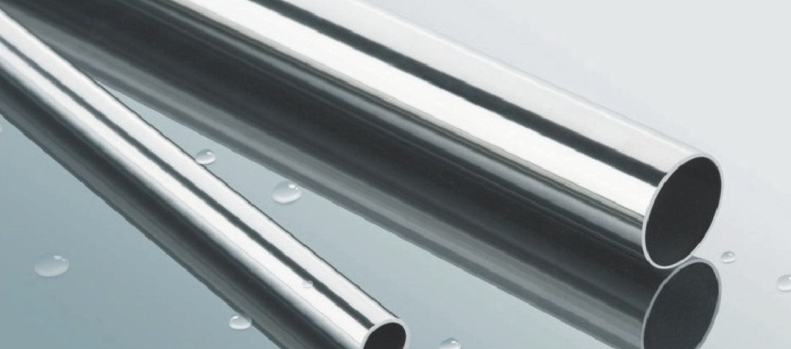
ERW Welded Pipe (Black Pipe and Hot-dip Galvanized Steel Pipe)
Handan Zhengda Steel Pipe Co., Ltd.

YHTank8400N Solvent-Free Liquid Epoxy Coating
JIANGSU YUNHU NEW MATERIAL TECHNOLOGY CO., LTD.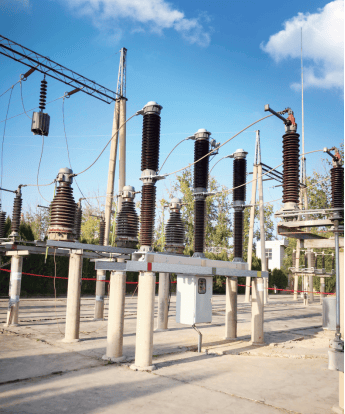
145kV Porcelain Column Type Sulfur Hexafluoride Circuit Breaker
TBEA ZONFA Shanghai High Voltage Switchgear Co., Ltd.