Namibian President Nandi-Ndaitwah Visits CGN's Daya Bay Nuclear Power Base
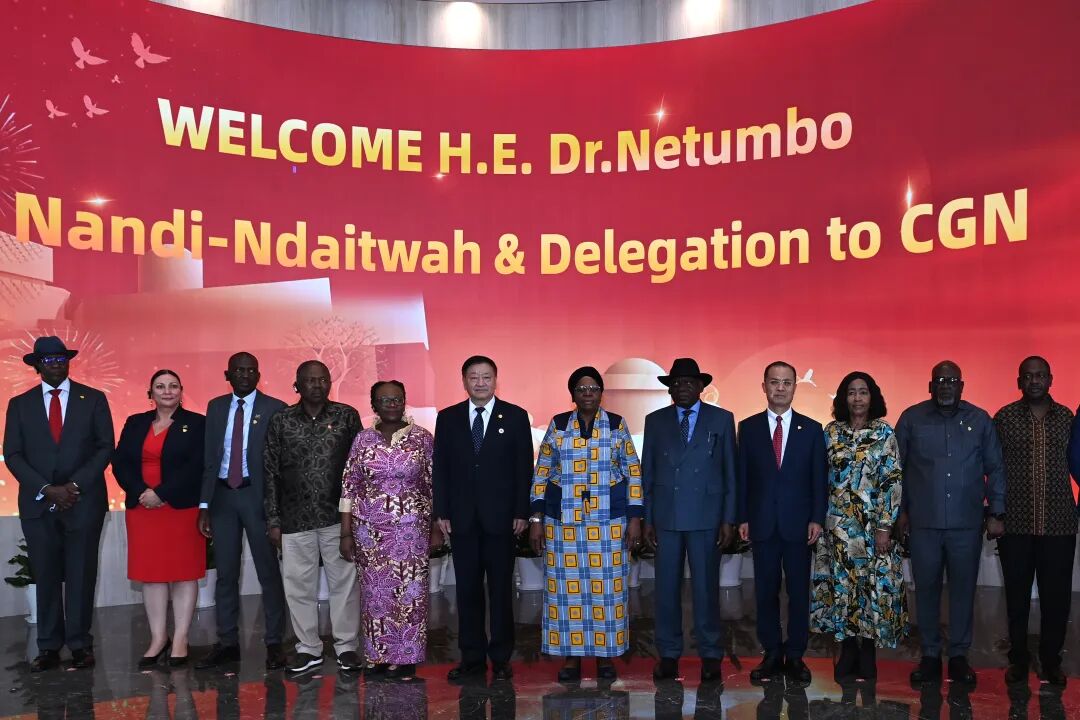
en.Wedoany.com Reported - President Netumbo Nandi-Ndaitwah of the Republic of Namibia paid a state visit to China from July 5 to 11, her first since taking office. On July 7, President Nandi-Ndaitwah traveled to Shenzhen, Guangdong, to visit the Daya Bay Nuclear Power Base of China General Nuclear Power Group (CGN) and inspect the achievements of China's nuclear power industry. Yang Changli, Chairman of CGN, accompanied her throughout the visit and provided explanations.
During the visit, President Nandi-Ndaitwah toured the Daya Bay Nuclear Power Base's observation deck and the Nuclear Energy Science and Technology Museum, gaining insights into the base's construction and operation model as well as CGN's innovative achievements in clean energy. Yang Changli welcomed the President and introduced CGN's development history, global business strategy, nuclear power technology research and development, and industrial advantages. He highlighted CGN's cooperation outcomes in Namibia, the current production and operation status of the Husab Uranium Mine, and future business plans. Yang stated that CGN has long been deeply engaged in the Namibian market, steadily advancing key projects such as the Husab Uranium Mine, and continuously supporting local industrial upgrading and livelihood improvement. He expressed CGN's commitment to further solidifying the foundation of bilateral cooperation and exploring new avenues for mutual benefit.
During the visit to the Nuclear Energy Science and Technology Museum, President Nandi-Ndaitwah inquired in detail about uranium mining processes and nuclear fuel production. She expressed gratitude for CGN's investment and construction in Namibia and hoped for continued deepening of practical cooperation to ensure the high-quality implementation of collaborative projects.
To date, CGN has invested nearly US$5 billion in Namibia. The Husab Uranium Mine, constructed and operated by CGN Uranium Resources Co., Ltd. (Sino-Cooling), is China's largest single industrial investment project in Africa. Construction began in April 2013, and the first barrel of natural uranium was produced in December 2016, marking a decade of safe operation.
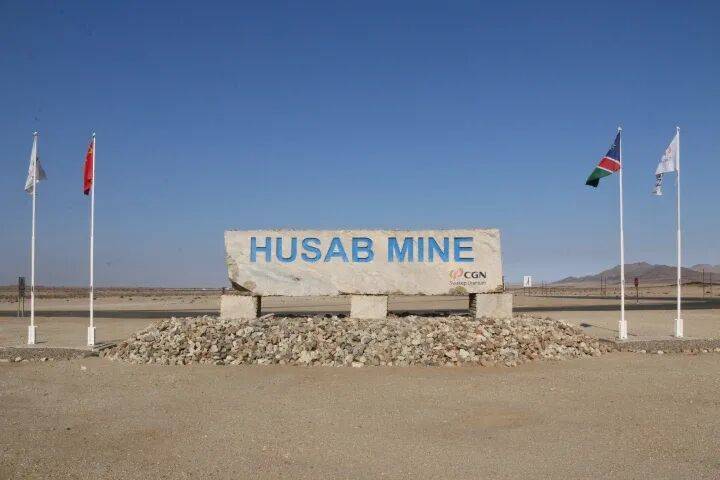
The total investment of US$5 billion has driven approximately 8% growth in Namibia's GDP and a 20% increase in exports. The annual import of over 300,000 tons of reagents and consumables accounts for about one-tenth of the country's total goods imports. The project has elevated Namibia to the world's third-largest producer of natural uranium. In terms of localization, the project has created tens of thousands of local jobs during its operation. Among approximately 1,700 permanent employees, 95% are local, and 12% are women. Sino-Cooling has invested over NAD 200 million in local employee training, with NAD 48 million allocated for skills development in 2025. Eighty-seven employees participated in self-study support programs, over 20 university students received financial aid to complete their studies, and more than 70 interns completed their practical training. Over 70% of the contract value for the Husab project has been awarded to local Namibian enterprises, with local procurement reaching approximately NAD 9.1 billion in 2025 and exceeding NAD 30 billion over the past decade.
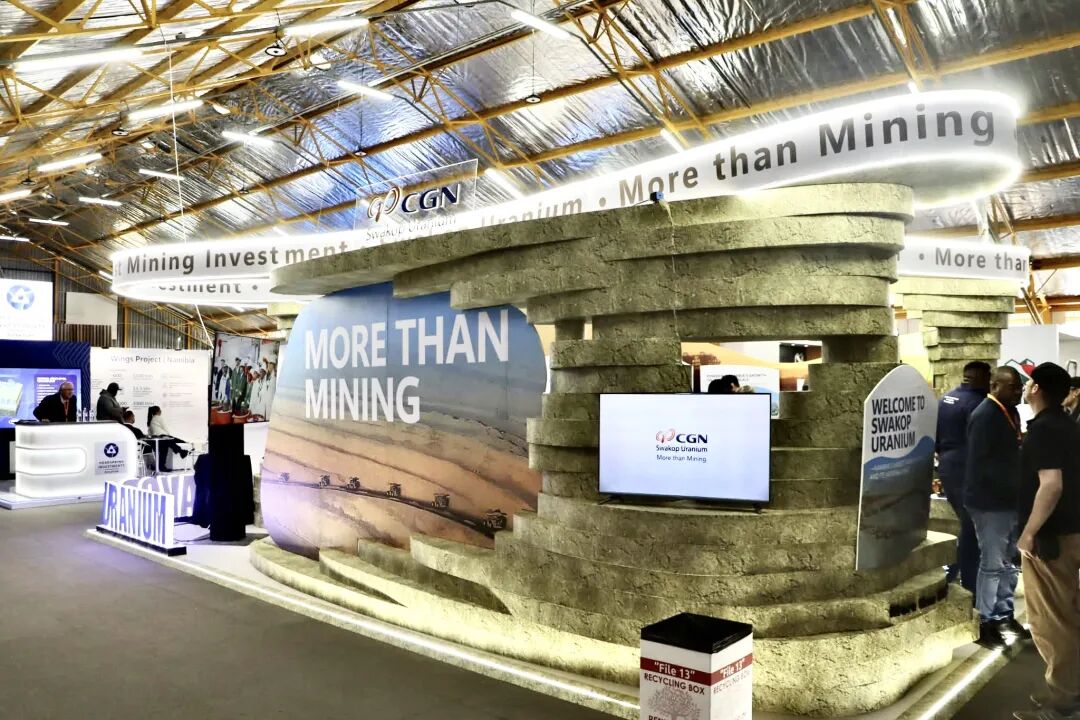
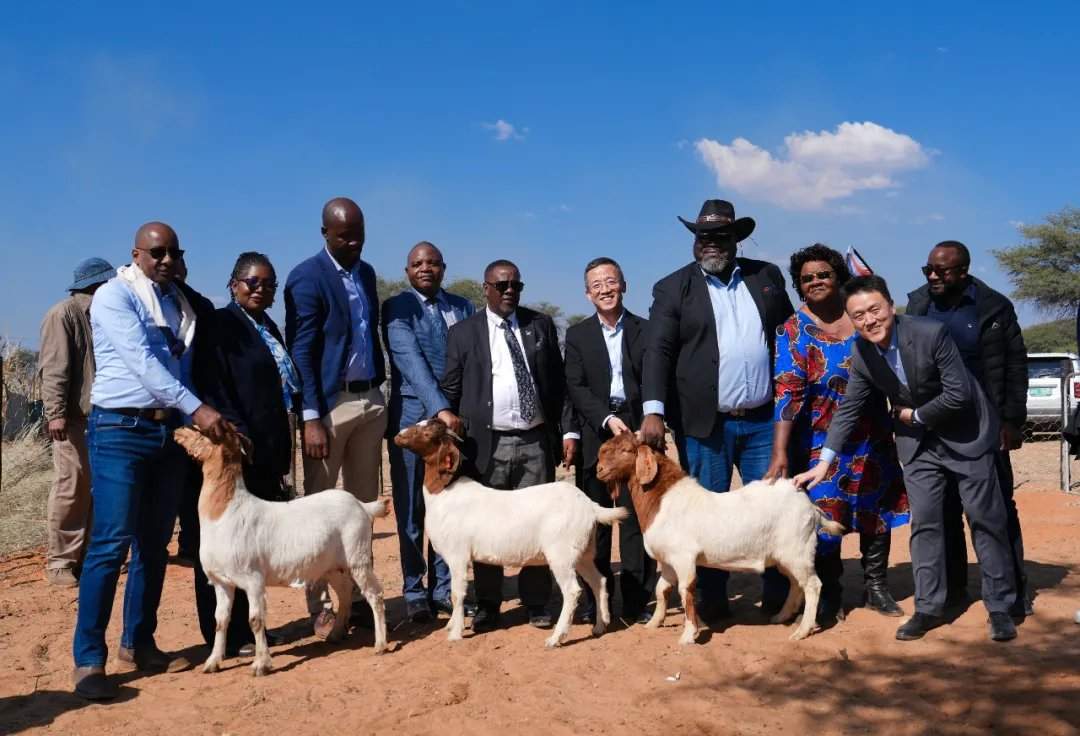
In terms of social responsibility, the CGN Uranium Resources Sino-Cooling Foundation has donated over NAD 12 million since 2018, focusing on education, livelihoods, safety, agriculture, and emergency response. Education programs have reached approximately 20,000 students, and community care initiatives have benefited around 75,000 members. The "Hope Farm" project, launched in 2025, has donated over 1,500 lambs to date, with plans to cover 14 regions, benefiting over 50 cooperatives and 500 families over the next decade. The "Safe Swakop" lighting project has donated two solar lighting towers to the community.
In environmental protection, Sino-Cooling has signed a joint venture agreement with Namibia's water utility to build a seawater desalination project with a designed capacity of 20 million cubic meters per year. Once operational, it will fully ensure the supply of water for production and daily life in the Erongo region and surrounding areas. Around the Husab Uranium Mine, approximately 52,000 rare Welwitschia mirabilis plants grow. During the initial construction phase, road design was optimized to preserve nearly 200 Welwitschia plants in situ, and all seven plants affected by construction were successfully transplanted. The protection of animals such as sand lizards and zebras has also been incorporated into routine monitoring.

Related Products

Smart Photovoltaic Prefabricated Substation
Shanghai Jinyou Jinhong Intelligent Electric Co., Ltd.
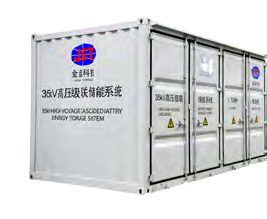
6kV-35kV Medium and High Voltage Direct-Connected Energy Storage System
Hainan Jinpan Smart Technology Co., Ltd.

Prefabricated Houses and Electrical Energy Boxes
Chengdu Ruilong Machinery Manufacturing Co., Ltd.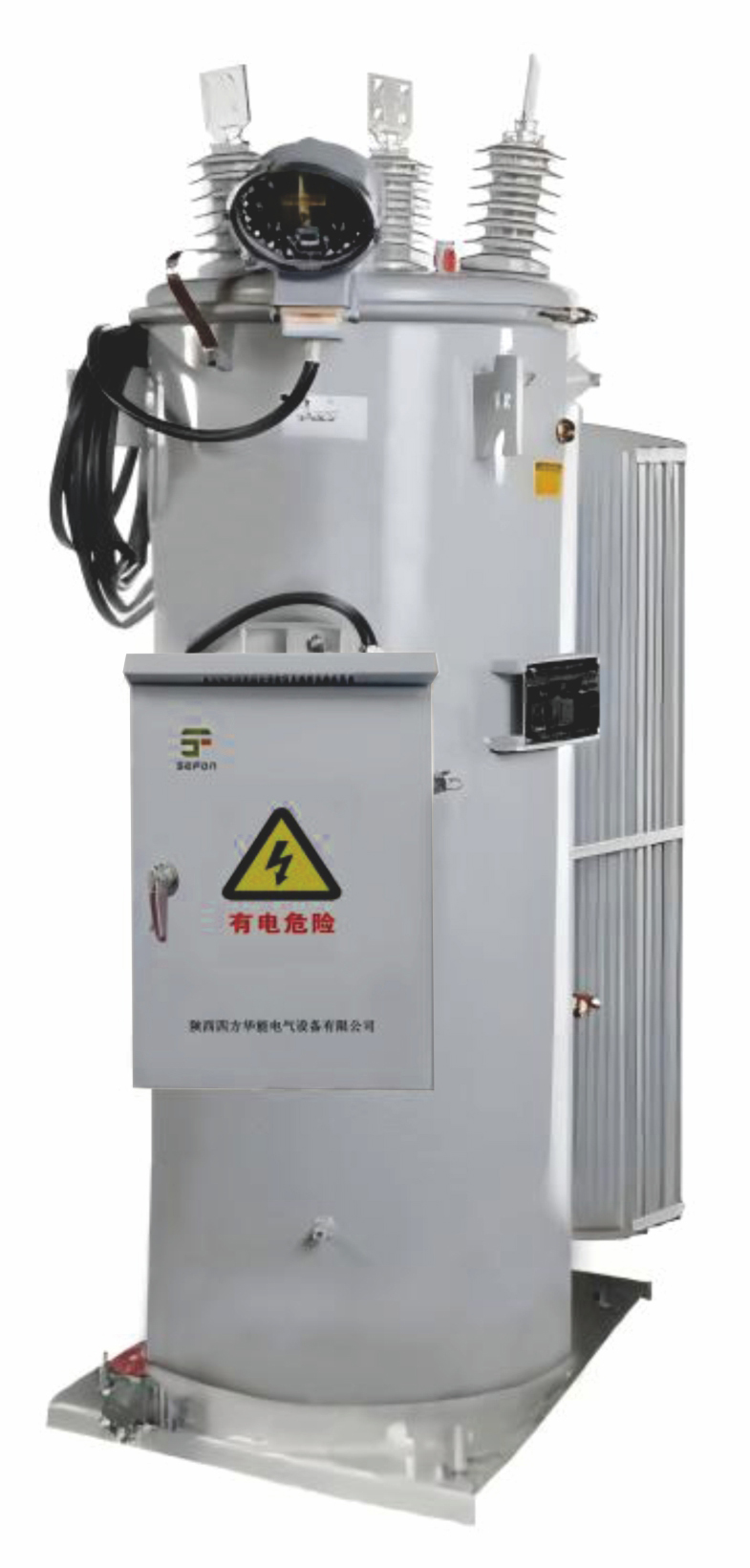
Single-Phase Automatic Voltage Regulator(AVR)
Shaanxi Sefon Electrical Equipment Co.,Ltd.

Industrial and Commercial Point-Type Gas Detector
Jinan Benan Technology Development Co., Ltd.
714CD Series C-Band Weather Radar
Chengdu Zhongdian Jinjiang Information Industry Co., Ltd.