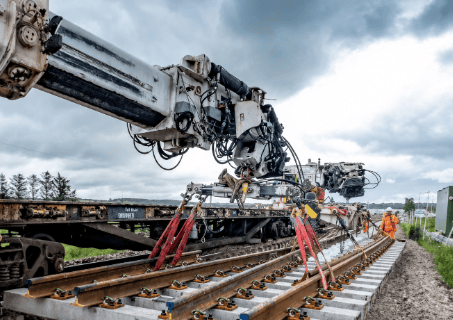
Baltic States' Rail Project Faces €10 Billion Funding Gap, 2030 Completion Target at Risk
en.Wedoany.com Reported - The "Rail Baltica" project, connecting Tallinn (Estonia), Riga (Latvia), and Vilnius (Lithuania), is facing severe financial pressure. According to CEO Kivira, the first phase of construction still has a funding gap of approximately €10 billion, and it remains uncertain whether the EU will cover this in its next budget cycle after 2028. This strategic railway project, originally slated for completion by 2030, now faces multiple challenges, including engineering redesigns, uneven construction progress among the three countries, and several cross-border contract disputes, making on-time completion nearly impossible.
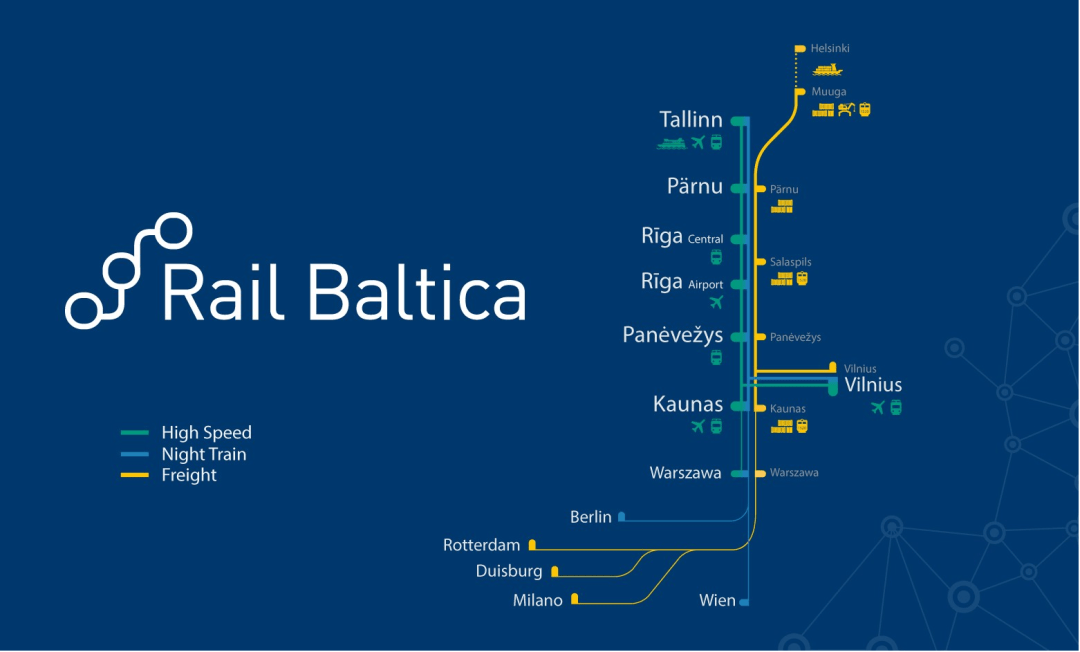
Approximately €5 billion in funding has been secured for the first phase of the Rail Baltica project, which has an estimated total cost of €15 billion, leaving a gap of nearly €10 billion. When considering the project's full lifecycle costs, the total price has risen from an estimated €5.8 billion in 2017 to the current €23.8 billion, an increase of over threefold. To bridge the gap, the three Baltic states are looking to the EU's next Multiannual Financial Framework, set to begin after 2028. The European Commission plans to double the budget of the Connecting Europe Facility (CEF) to further support cross-border transport infrastructure. Kivira stated that even so, EU funds cannot cover the entire shortfall, and the three countries will need to shoulder a larger share of self-financing. Under the previous two CEF frameworks, the project received a total of about €4 billion in EU funding. The funding request for the new cycle has surged to €10 billion, more than double the total EU grants from the previous two rounds.
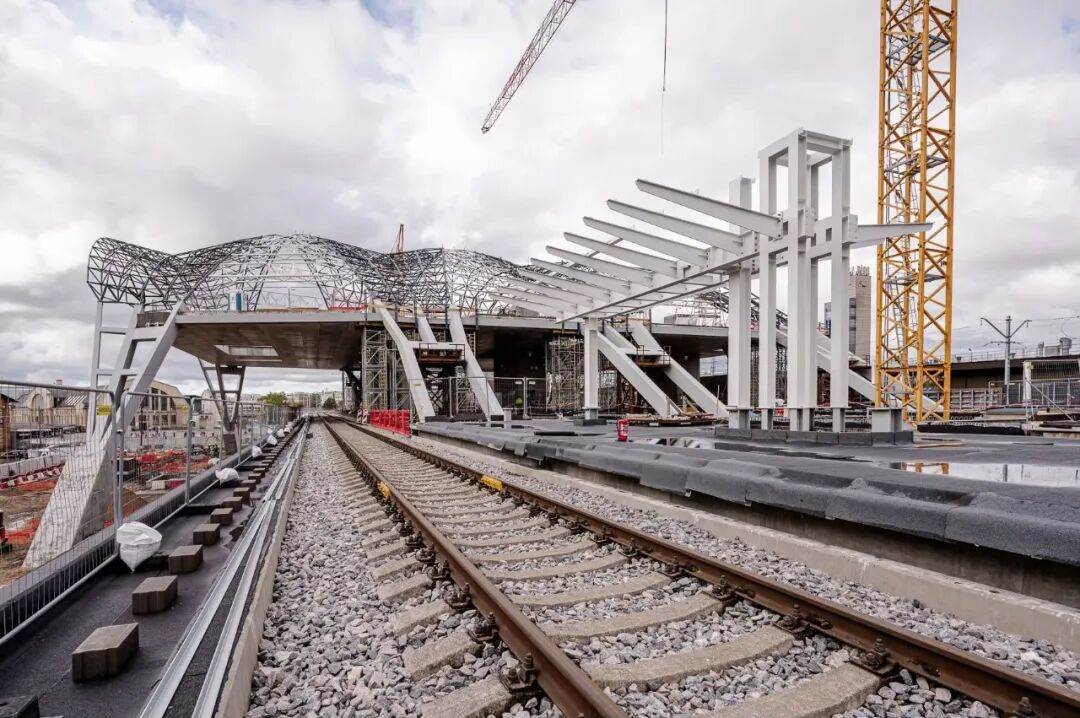
While awaiting clarity on EU funding, stakeholders are also evaluating more economical engineering options, including redesigning key nodes such as the Salaspils Bridge in Riga. Paegle, Chairman of the Board of the Rail Baltica project company, noted that the goals of cost savings and ensuring the construction timeline are difficult to achieve simultaneously: the bridge's high cost is partly due to the project also serving as part of Riga's ring road construction, and a redesign may not significantly reduce costs but could further delay the schedule.
In terms of construction progress, the gap among the three countries is widening. Estonia and Lithuania are prioritizing the mainline construction and are ahead in progress; Latvia's construction focus has been on station buildings and bridge nodes, lagging behind in mainline work, currently about two years behind Estonia. Estonia's National Auditor General, Holm, stated that this delay will also increase construction costs for the Estonian section. Latvian Prime Minister Kubergs responded that there is no, and should not be, a competitive mindset among the three countries regarding "who builds more tracks faster." He argued that unilateral acceleration is meaningless without coordinated efforts. He has requested European Commission President Ursula von der Leyen to arrange a meeting with the EU Transport Commissioner, noting that politically imposed rigid deadlines do not speed up construction but may instead increase costs due to rushed work. Kubergs also stated that the three countries should not cling to the original 2030 completion target at any cost. Paegle added that Latvia's funding gap for completing the first phase is about €3.7 billion, and the secured funding for mainline construction covers only approximately 52.66 kilometers, leaving a significant gap compared to the actual length to be built. Proposed solutions include utilizing the EU's "SAFE" defense financing instrument; promoting a Public-Private Partnership (PPP) model for the northern section (from Skulte to the Estonian border), with an estimated investment of about €1 billion; and urgently clarifying the project's budget ceiling and completion deadline to provide a clear execution framework for subsequent construction.
In addition to funding and schedule pressures, the project has also faced a series of disputes in contract execution. A consortium formed by Spanish companies Idom and Ineco has initiated arbitration over the termination of the Riga section design contract by Latvia in 2023, claiming over €14 million in damages, while the Latvian side has filed a counterclaim for €3.37 million. Lithuania's LTG Infra is also planning to terminate the construction contract for the Neris River Bridge with Italian contractor Rizzani de Eccher, citing delays and unpaid subcontractors, and intends to re-tender the project. The contractor has indicated it will challenge the decision through legal channels.
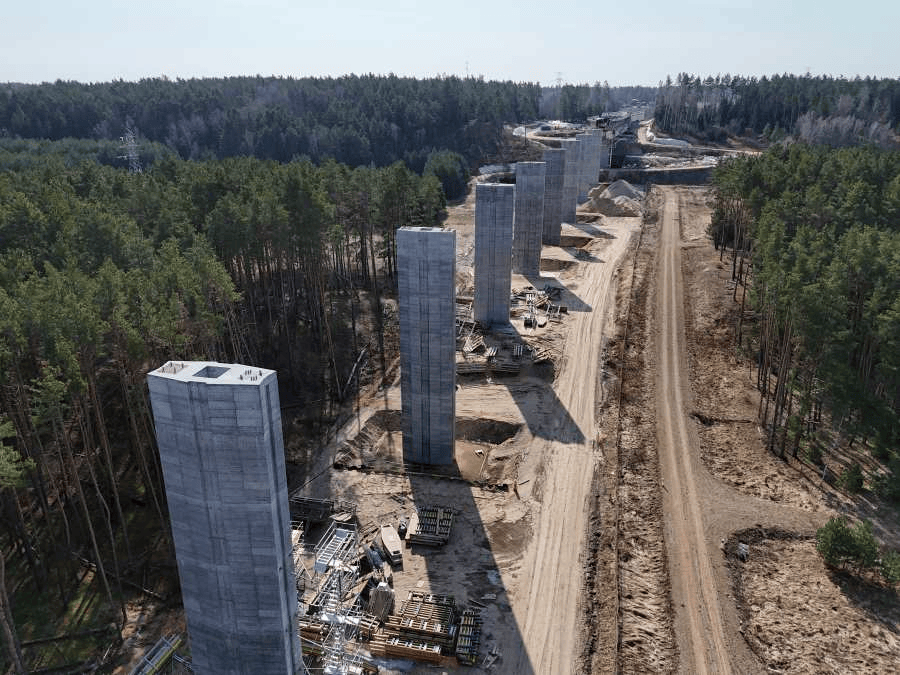
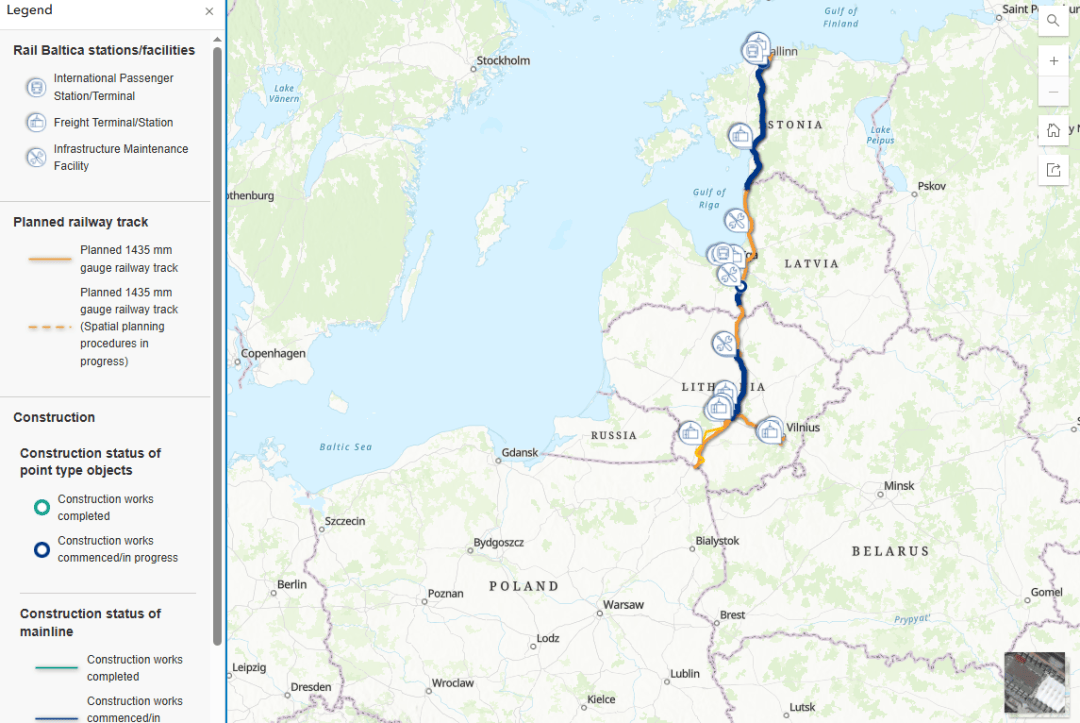
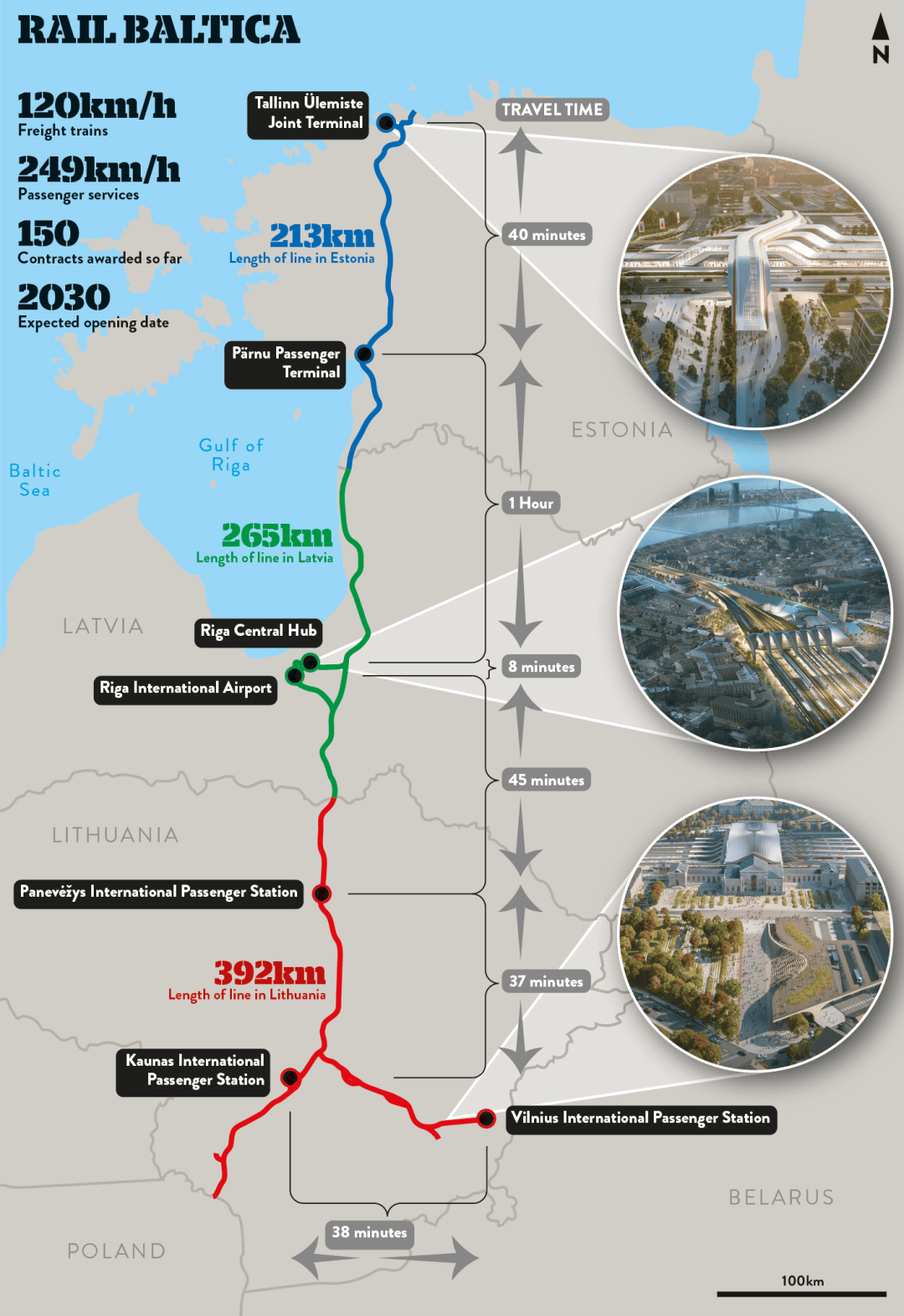
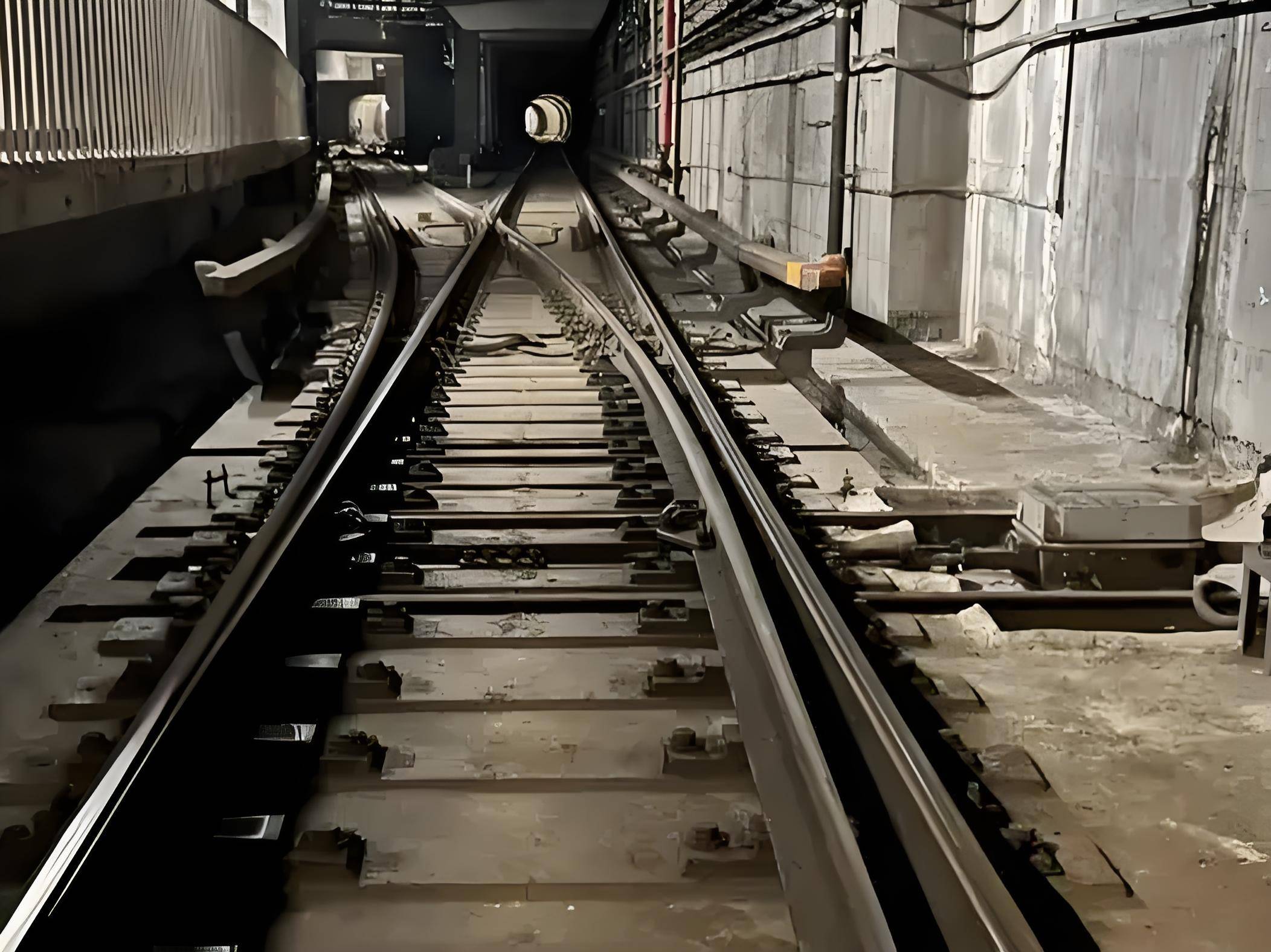
Rail Baltica is a railway infrastructure project under construction, aimed at integrating the Baltic states into the European rail network. The project plans a continuous passenger and freight railway corridor with stations, running from Tallinn, Estonia, via Pärnu, Riga, Latvia, and Kaunas, Lithuania, to Warsaw, Poland. The total length of the project within the Baltic states is 870 kilometers, including 213 kilometers in Estonia, 265 kilometers in Latvia, and 392 kilometers in Lithuania.
Related Products

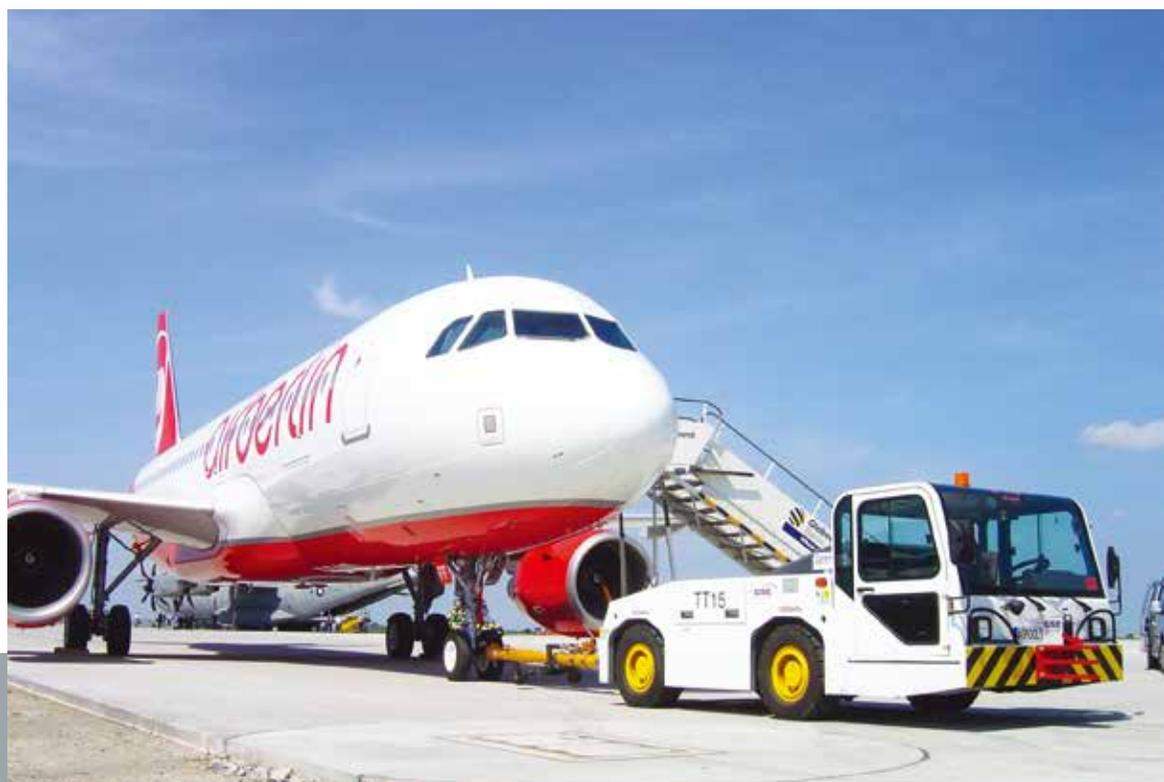
WGQY Series Aircraft Tow Tractor-WGQY15, WGQY27
Weihai Guangtai Airport Equipment Co., Ltd.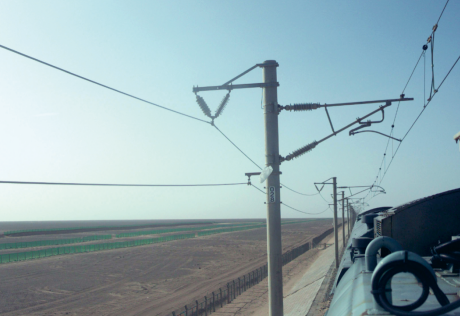
Pantograph-Catenary Comprehensive Detection Device (1C)
CHENGDU TANGYUAN ELECTRIC CO., LTD.

XC-6000e Type Aviation Catering Truck (Fuel Type)
Shenzhen CIMC-TianDa Airport Support Ltd.