China Zinc Raw Materials Joint Group's Self-Discipline Production Cuts Cover Over 75% of Capacity
en.Wedoany.com Reported - The China Zinc Raw Materials Joint Negotiation (Coordination) Group (CZSPT) held its second-quarter industry meeting in Xining, introducing a series of self-discipline and development measures to address the current structural imbalance in the zinc industry's supply side. The core objectives are to rectify the supply-demand imbalance between ore and ingot, restore reasonable industry profits, and standardize market order. The 16 core enterprises participating in the meeting have a combined zinc smelting capacity of 4.7 million tons, accounting for over 75% of the total national primary zinc smelting capacity in operation.
Currently, China's domestic zinc ore supply is extremely tight, while zinc ingot supply remains persistently loose, creating a structural contradiction. Affected by overseas supply disruptions and geopolitical events, zinc concentrate treatment charges (TC) have fallen to historical lows: domestic TC has dropped to -200 yuan per metal ton, and the import TC index has fallen to -78 US dollars per dry ton. Some suppliers further squeeze smelting profits through unfair competitive practices such as adjusting pricing coefficients, impurity discounts, and abnormal pricing. Prices of by-products like sulfur and sulfuric acid have declined, narrowing the channels for smelters to offset losses, leading to widespread current losses in the industry. On the zinc ingot side, China's domestic smelting capacity is large. Earlier, smelters maintained high operating rates to sustain cash flow, while downstream consumption was weak. The divergence between production and sales widened, and both domestic social inventories of zinc ingot and LME zinc inventories accumulated simultaneously, highlighting a severe oversupply issue. At the macro level, expectations of Federal Reserve interest rate hikes have strengthened the US dollar, suppressing upward room for zinc prices. Speculative funds have significantly reduced long positions or even turned short. However, rigid ore supply shortages and expectations of smelting production cuts provide industrial bottom support, keeping zinc prices in a wide range of high-level fluctuations.
The meeting clarified three core measures. First, implement industry self-discipline production cuts and maintenance, reducing output, adjusting production plans, and optimizing raw material procurement structures through market-based methods. It is expected to reduce total annual zinc ore demand by 600,000 to 1 million tons, alleviating raw material competition from the demand side. Second, resolutely resist unfair transactions and vicious competition. Plans include establishing constraint mechanisms such as TC monitoring, reporting of violations, and blacklists/gray lists of problematic partners, standardizing raw material pricing rules, and maintaining a fair market business environment. Third, call for the implementation of top-level capacity governance policies, emulating the capacity control model for electrolytic aluminum. This involves strictly controlling new smelting capacity, phasing out inefficient and outdated capacity, and simultaneously promoting the optimization of policies related to zinc concentrate imports and processing trade, addressing long-term structural issues from an institutional level.
If the self-discipline maintenance and production cuts called for at the meeting are implemented, a temporary rebalancing of supply and demand is possible in the short term. Concentrated smelting production cuts will directly shrink the market demand for zinc concentrate, easing the pressure on ore procurement and pushing low TC levels to rebound, gradually repairing the loss-making situation for smelters. The contraction in zinc ingot supply will help alleviate inventory pressure and improve the current oversupply situation. At the price level, a TC rebound combined with production cut expectations will solidify the bottom support for zinc prices. However, weak downstream demand during the off-season and macro expectations from the Federal Reserve still constitute bearish factors, making it difficult for zinc prices to form a unilateral upward trend, and they are expected to maintain wide-range high-level fluctuations. A key difference in the current zinc industry supply side compared to past cycles is that the US-Israel-Iran conflict has pushed sulfur and sulfuric acid prices to high levels, leading to significant differences in smelting profitability between sulfide ores (e.g., sphalerite) and oxide ores (e.g., smithsonite). In previous cycles, when zinc prices were high, spot zinc ore profits were substantial, stimulating large amounts of ore output to be converted into zinc ingot, after which zinc prices peaked. However, in this cycle, disruptions have led to a relative shortage of zinc concentrate, with TC continuously declining. Meanwhile, high sulfuric acid prices allow sulfide ore smelters to supplement their income through by-products. In contrast, smelters relying solely on oxide ores, lacking this income stream, incur losses from production and have extremely low purchasing willingness, leading to an accumulation of oxide ore in inventories. In the long term, industry self-discipline production cuts are expected to gradually become normalized, curbing vicious market competition and returning raw material trading rules to reasonableness. As sulfuric acid prices fall and TC rebounds, the structural disparity between sulfide and oxide ores is expected to narrow, potentially releasing some incremental supply of oxide ore. However, it should be noted that this meeting was an industry self-discipline meeting, and whether its proposals can be implemented remains to be seen.
Related Products

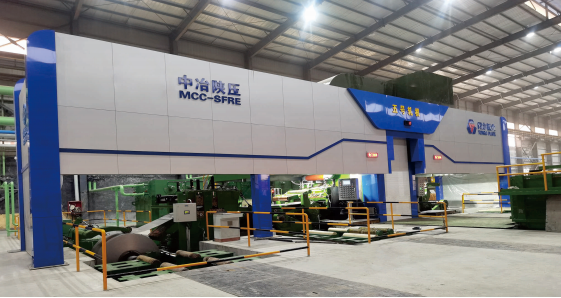
1050-1750mm Steel Strip Single-stand Reversible Cold Rolling Production Line
MCC-SFRE HEAVY INDUSTRY EQUIPMENT CO., LTD.
Quick-Change Single-Seat Control Valve / Quick-Change High-Pressure Single-Seat Control Valve
Beijing Consen Automation Technology Co., Ltd.
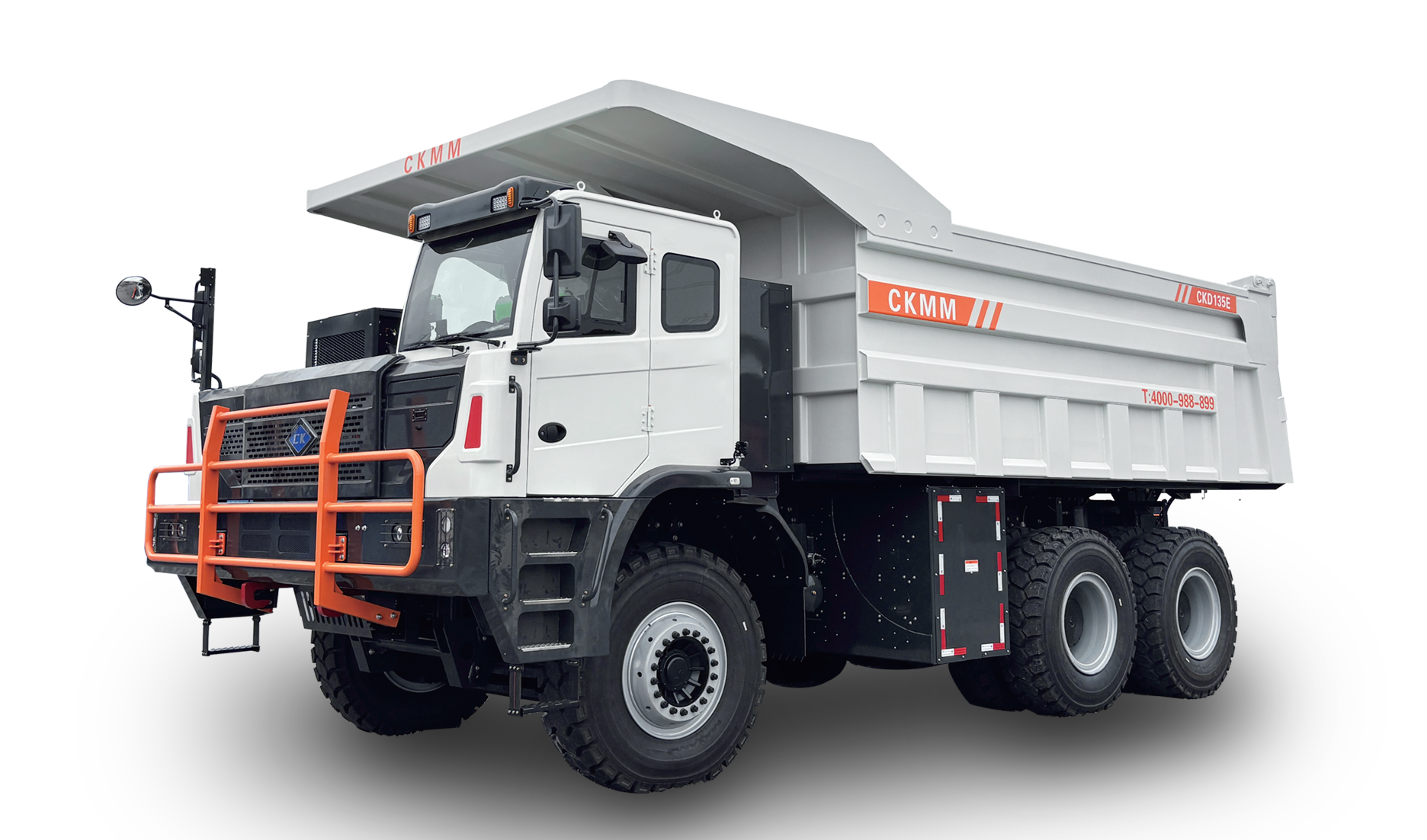
CKD135E Pure Electric Wide-body Dump Truck
Jiangsu Changkuang Engineering Machinery Co. Ltd.
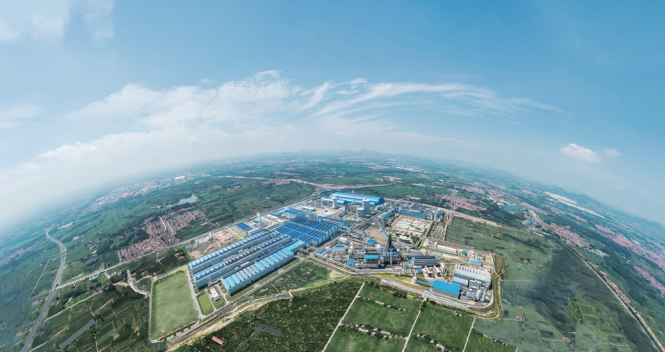
Linyi Steel Investment Special Steel 2.7 Million Tons per Year High-quality Special Steel Project
Capital Engineering & Research Incorporation Limited
High-temperature Equal Wall Thickness High-power Screw Drilling Tool
Orient Energy & Technologies Co., Ltd.