CoreWeave's £8.2 Billion AI Data Center in UK Faces Doubts Over 2030 Completion
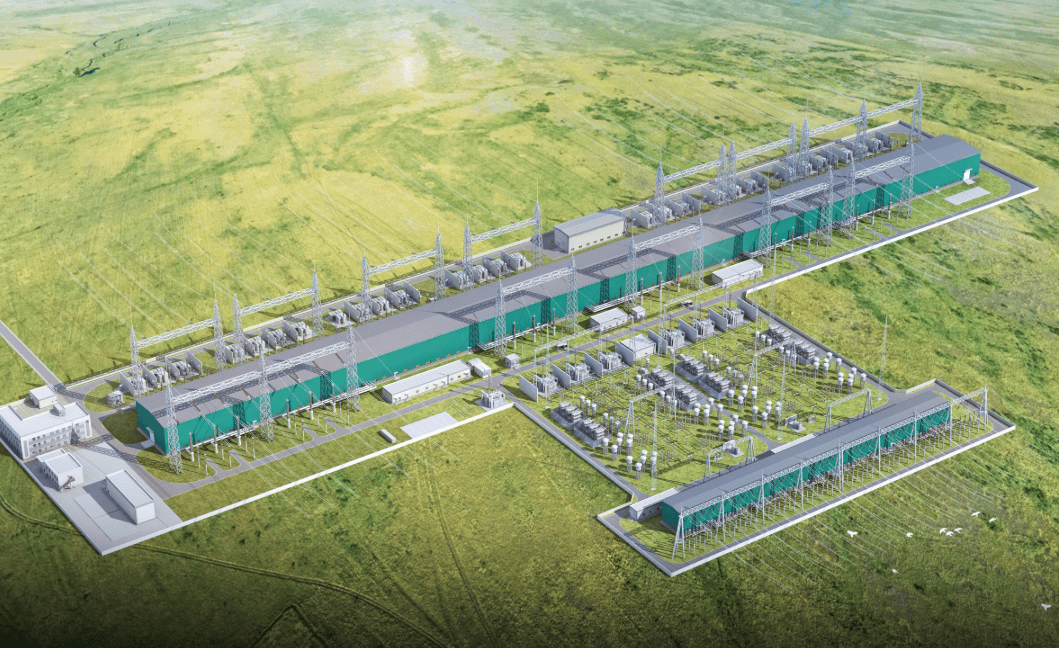
en.Wedoany.com Reported - The UK plans to build an artificial intelligence data center campus in Lanarkshire with an investment of £8.2 billion (approximately $11 billion). However, a Guardian investigation has pointed out that this project, led by US cloud computing company CoreWeave and Scottish operator DataVita, may struggle to meet its scheduled completion date of 2030.
This development will become one of the UK's largest AI infrastructure projects, planned to provide up to 1 gigawatt of power capacity, roughly equivalent to the output of a conventional nuclear reactor. The investigation suggests that while debates around large-scale AI data centers often focus on clean electricity and grid connections, a more fundamental obstacle is emerging upstream in the supply chain: a shortage of critical electrical equipment needed to connect new demand.
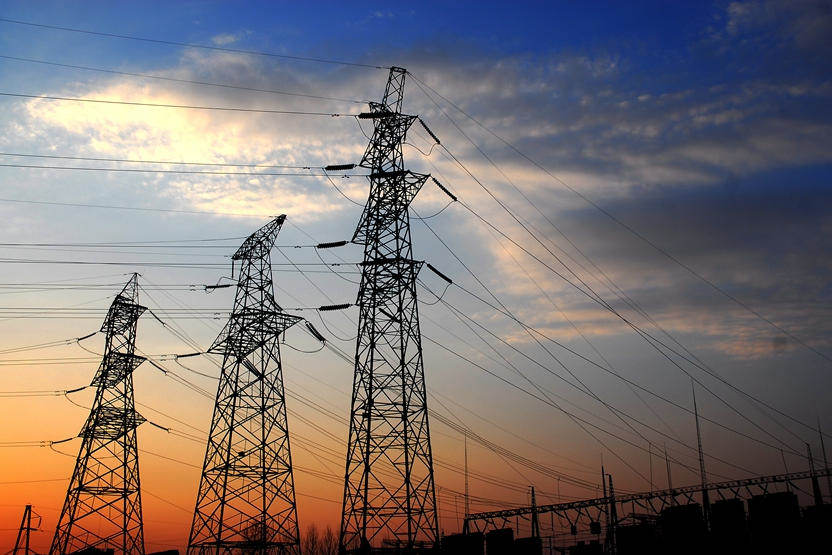
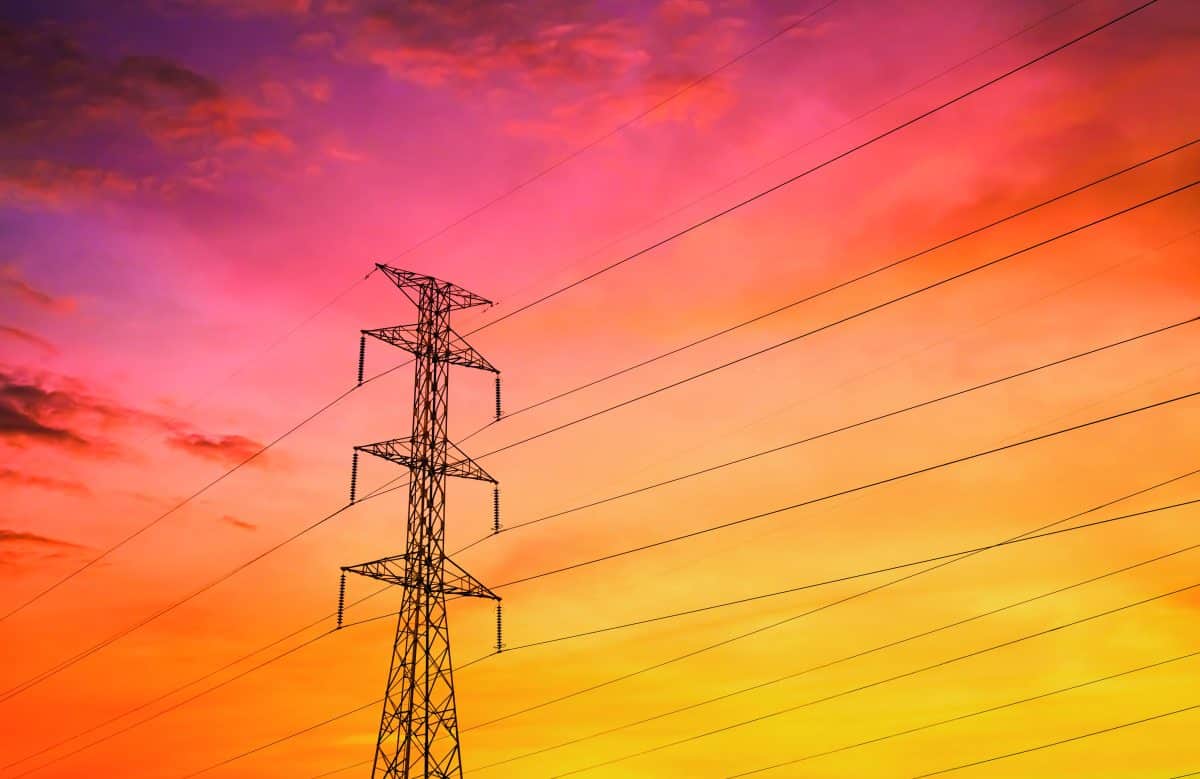
Industry experts point out that grid capacity is already one of the key challenges for data center development in Europe, but securing a grid connection is only part of the problem. Before new electricity can reach the facility, transformers, switchgear, and high-voltage cables are required—components that are not easy to procure. According to Montel's 2025 wind curtailment report, Scottish wind farms received approximately £343 million ($459 million) in compensation in 2025 for reducing generation, as the grid could not absorb all available renewable energy. Energy research firm Wood Mackenzie estimates that the average delivery time for transformers has extended to 128 weeks, with some orders waiting over four years, and prices have risen by 77% since 2019.
Shilpika Gautam, founder and CEO of energy infrastructure company Opna, stated that this bottleneck is becoming a key risk for data center development in Scotland. She noted that the massive investments in grid upgrades supporting Scottish data centers are constrained by the shortage of critical electrical equipment. Network operators secure supply priority through bulk purchases and long-term agreements with manufacturers, while one-off orders from data center projects end up at the bottom of a four-year waiting list. She further added that grid expansion and data center growth are competing for the same equipment, and in this race, only network operators have a fixed seat at the manufacturers' table.
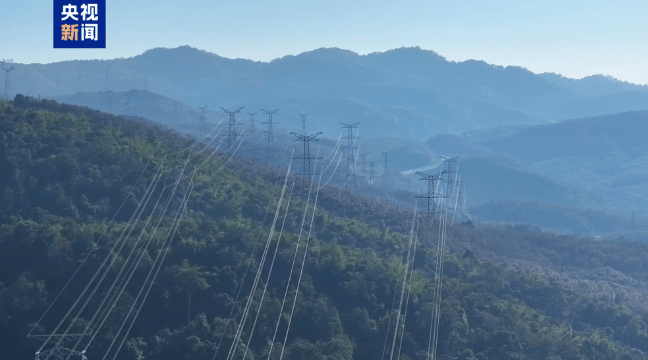
The challenge is particularly acute in Scotland, as grid operators are advancing large-scale investment plans. SP Energy Networks launched a £12 billion (approximately $16 billion) plan in April to strengthen the transmission grid in central and southern Scotland, supported by a supply chain framework worth up to £5.4 billion (approximately $7.2 billion) over the next decade. SSEN Transmission plans to invest at least £22 billion (approximately $29 billion) in northern Scotland by 2031 and launched an additional £7.4 billion (approximately $9.9 billion) procurement framework last month. In total, over £30 billion (approximately $40 billion) in grid investments are absorbing the same global manufacturing capacity needed to build data centers.
The Guardian investigation also questioned whether the Lanarkshire project can achieve the previously planned scale of renewable energy generation and reported that internal government communications acknowledged concerns about power supply. The government responded that the site will be connected to the grid and its energy needs will still be primarily met by renewable sources. In discussions about the project, Jabil Senior Director Lonnie Salmon argued that the issue is not about generation capacity but the ability to transmit electricity from point A to point B, with the solution lying in more effective management of procurement and supplier relationships, emphasizing end-to-end collaboration across the supply chain network. Iron Mountain Site Selection Director Jamie Allen agreed with this view in the same discussion, stating that the UK absolutely has enough generation capacity, but building the routes to deliver electricity to where it is actually needed is very challenging. For CoreWeave and DataVita, the hope lies in overcoming these supply-side constraints as quickly as possible.
Related Products
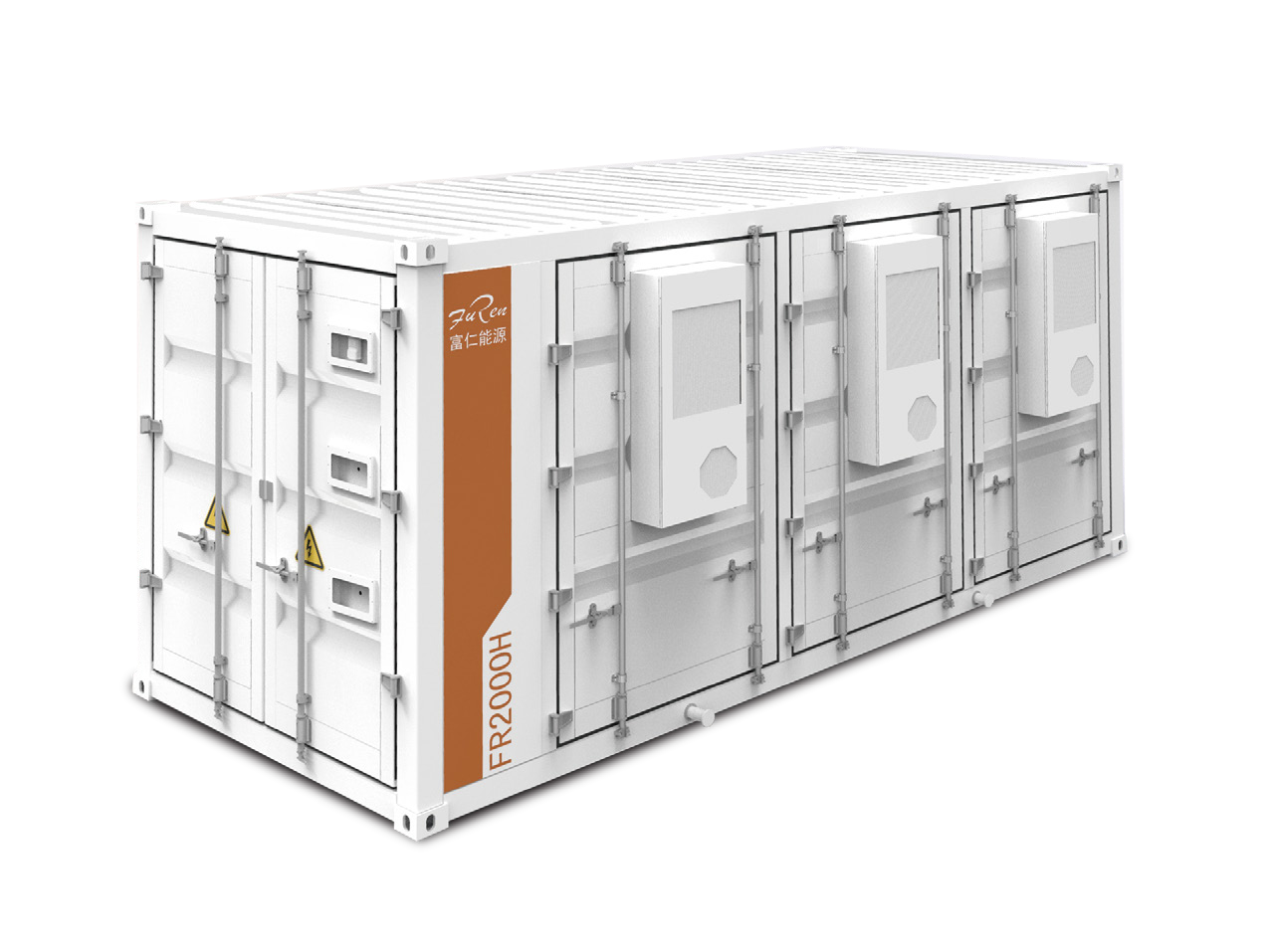

FR2000H 2.15MWh (Air-cooled) 20-foot Containerized Energy Storage System
Jiangyin Furen High-tech Co., Ltd.
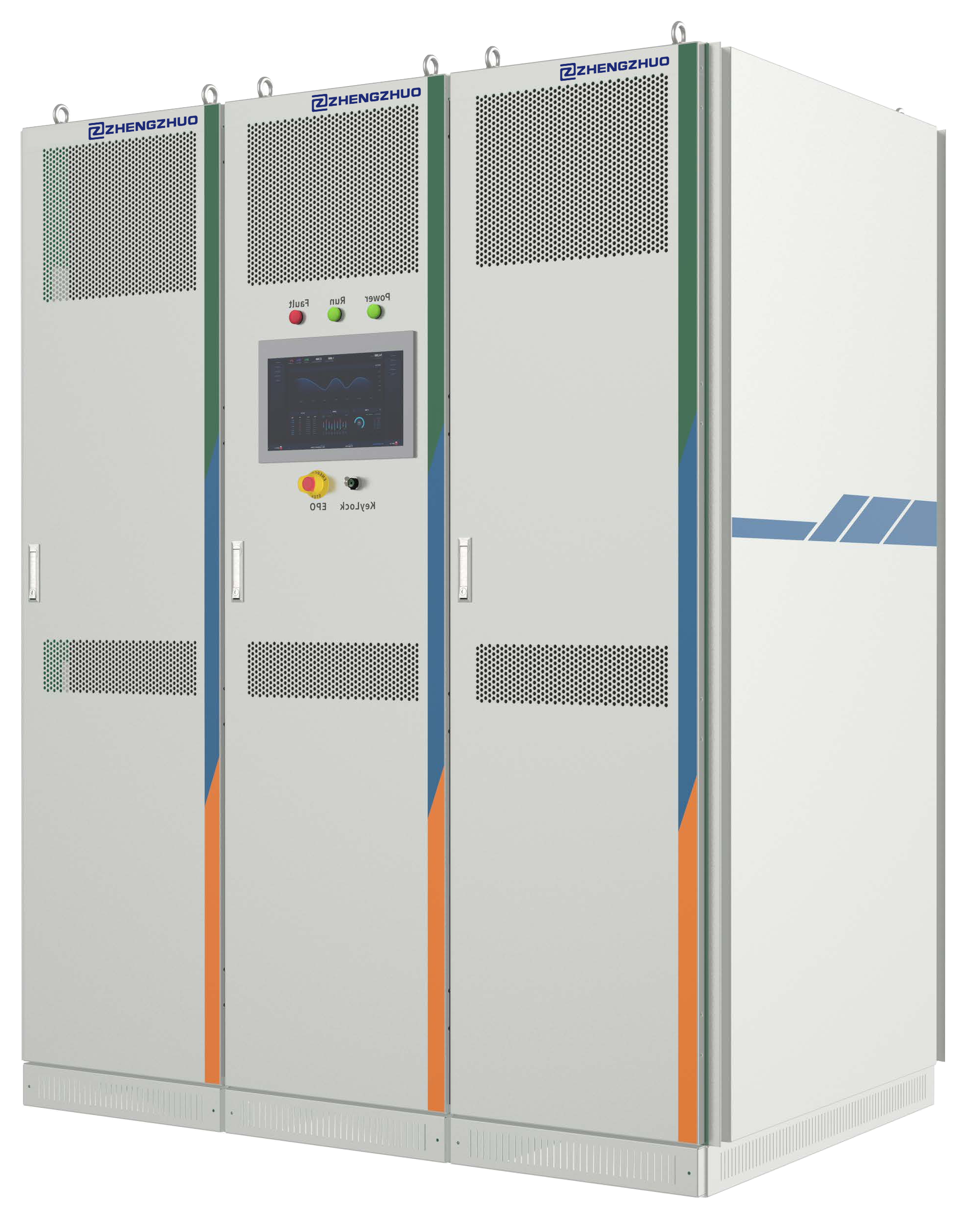
IGBT Hydrogen Production Power Supply - High Power Air Cooling
Beijing Zhengzhuo Engineering Technology Co., Ltd.

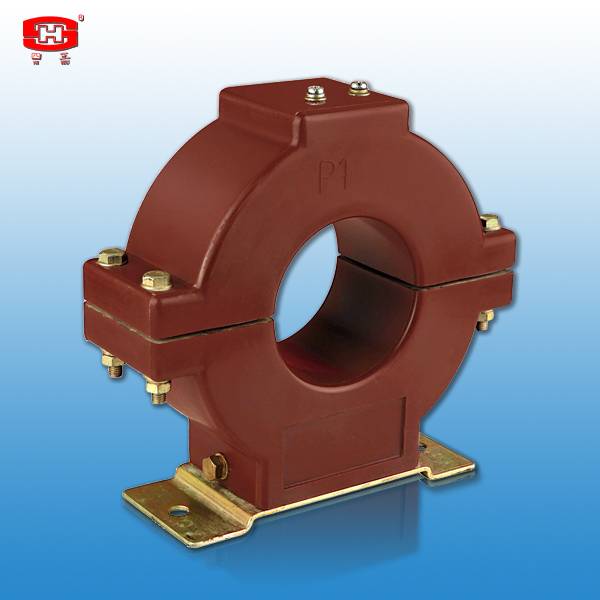
0.66kV Power Supply Instrument Transformer
Guangdong Sihui Instrument Transformer Works Co., Ltd.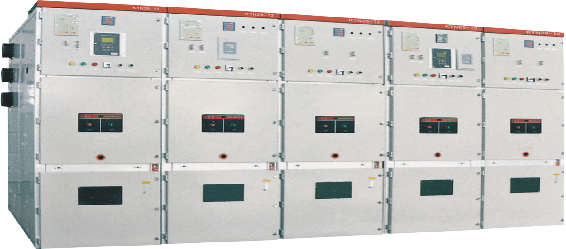
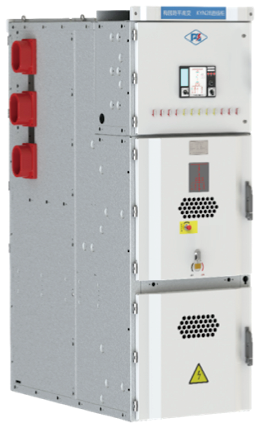
KYN28-12/24 Indoor High-Voltage Metal-Clad Removable Switchgear
Shenzhen Zhaoyang Hui Technology Co., Ltd.