Germany Plans $1.7 Billion Investment in Strategic Natural Gas Reserve
en.Wedoany.com Reported - Germany's Economy Ministry announced on Tuesday that Europe's largest economy will establish a state-owned strategic emergency natural gas reserve to enhance energy security. According to Reuters, the government-led reserve plan is expected to require $1.7 billion (approximately €1.5 billion) in funding to build storage facilities and procure natural gas for injection into storage sites in 2027 and 2028.
The capacity of this emergency natural gas reserve accounts for about 10% of Germany's total natural gas storage capacity. The German Economy Ministry stated that the reserve funding will be raised through a surcharge on natural gas consumers. To avoid impacting gas prices, natural gas procurement will be spread over two to three years. The first gas injection is expected to begin in the summer of 2027 to mitigate risks of natural gas shortages and price spikes.
Germany and Europe are currently racing to rebuild natural gas inventories in existing commercial storage facilities. These facilities have been heavily depleted after winter, with inventories at multi-year lows. According to data from Gas Infrastructure Europe, as of July 6, Germany's natural gas storage filling rate stood at 42.88%.
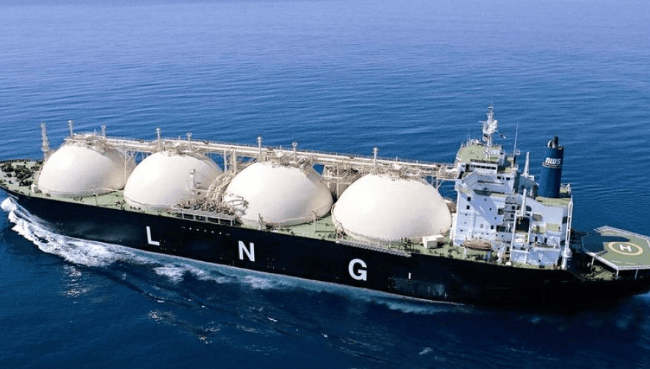
The Middle East conflict and the resulting price surge have slowed Europe's reserve rebuilding progress. Due to higher spot prices for liquefied natural gas (LNG) in Asia, it has become the most attractive destination for spot supply during the crisis. In recent years, Germany has also significantly increased the share of LNG imports in its total natural gas supply.
Data from Germany's regulatory authority, the Federal Network Agency (Bundesnetzagentur), shows that despite the loss of Middle Eastern supply due to the closure of the Strait of Hormuz, Germany's LNG imports as a share of total natural gas supply rose to 12% in the first half of this year, up from 10% in the same period last year. The Federal Network Agency noted in its latest natural gas supply report: "Natural gas from the Persian Gulf does not play a significant role in Germany's supply, as most of Germany's LNG currently comes from the United States."
Related Products

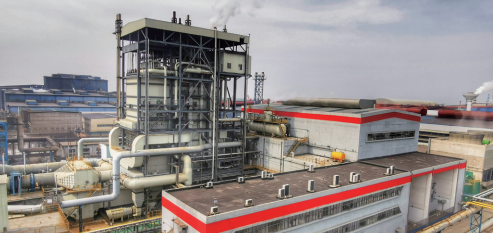
Jiujiang Pinggang 125MW Subcritical Gas Power Generation Project
Capital Engineering & Research Incorporation Limited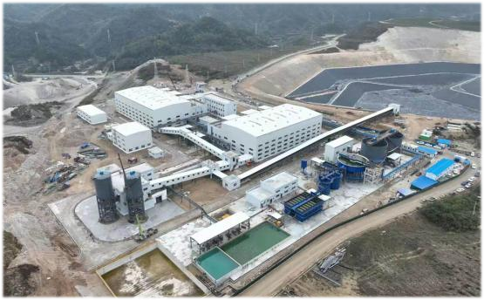
Yingping Mining Section Open-pit Tailings Backfill Treatment of Goaf Ecological Restoration EPC Project
China Bluestar Lehigh Engineering Corporation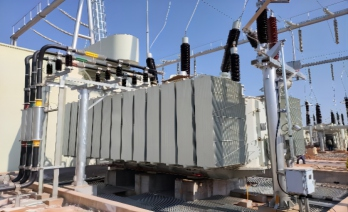
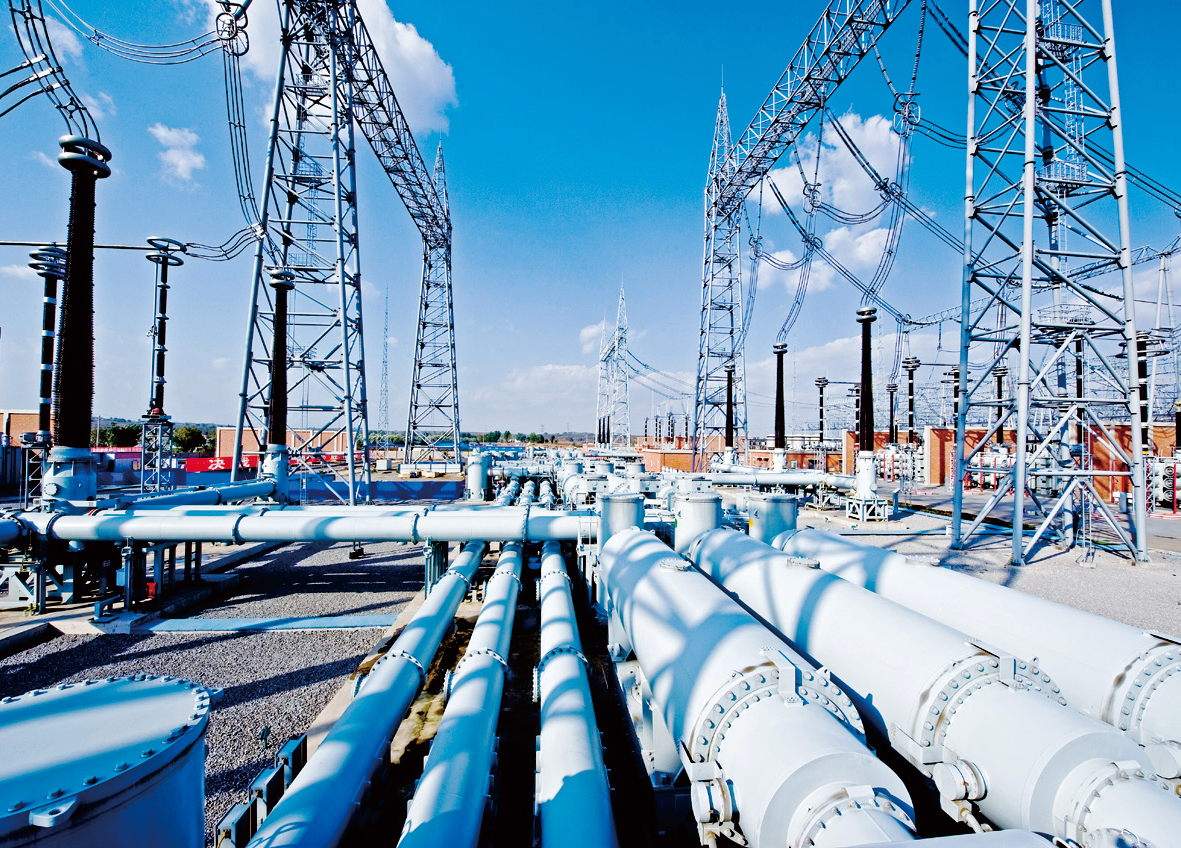
40.5kV-1100kV Gas Insulated Metal-Enclosed Switchgear (GIS)
Henan Pinggao Electric Co., Ltd.