BC Hydro Net Metering from July 2026: Surplus Power at 10 Cents/kWh
en.Wedoany.com Reported - BC Hydro's adjustment to its net metering policy marks a shift in residential solar compensation from a passive export credit model to paying for flexibility. Starting July 1, 2026, new self-generation and grid-connected customers will be subject to a new rate schedule (2289), under which excess electricity generation will be paid at 10 cents/kWh within the billing cycle, rather than being stored as future kilowatt-hour credits. Existing customers will benefit from a transition period, and BC Hydro has also introduced a community generation option.
The appeal of net metering lies in its simplicity, making rooftop solar projects easy to sell, finance, install, and connect to the grid, thereby reducing transaction costs and market launch uncertainties. However, as rooftop solar penetration increases, distribution grid constraints emerge, and battery storage and electric vehicles become more widespread, the original model of annual kilowatt-hour credit storage has become unsustainable. Delaying reform could foster a privileged political ecosystem, but implementing it too early might turn a minor accounting issue into a large-scale solar market dispute.
A 2025 review by the U.S. National Renewable Energy Laboratory (NREL) shows that when residential solar deployment is below 3%, net metering policies result in an average monthly electricity bill increase of no more than $1 for non-solar customers. Even at deployment levels between 3% and 7%, two-thirds of states experience impacts below $1. California and Hawaii are special cases, where high penetration rates and unique rate structures amplify the cost-shifting issue.
The core of policy transformation lies in whether households and small customers receive compensation commensurate with the multiple services they actually provide. These services include passive surplus electricity, self-consumption, load shifting, battery discharge, electric vehicle charging control, water heater flexibility, thermostat response, and community generation. After California transitioned from net energy metering to net billing rates, Lawrence Berkeley National Laboratory found that the energy storage pairing rate jumped from about 10% under the old system to approximately 60%.
South Australia's practice points toward an operational endpoint. SA Power Networks employs a flexible export model, allowing compatible inverters to export up to 10 kW per phase when the grid can accept it, while dynamically reducing exports during grid surplus periods, treating export access as a grid service with operational constraints. International experience shows that the same distributed energy technologies can generate different policy issues in different systems, and compensation rules must adapt to system-specific challenges. Pakistan's example demonstrates that distributed solar development can outpace regulatory frameworks, with cheap Chinese hardware and unstable power supply quickly fostering a market.
While BC Hydro's new rate aligns with the global trend in net metering reform, the fixed 10 cents/kWh export payment is merely a starting point. The subsequent challenge lies in building a comprehensive residential flexibility strategy, encompassing seasonal time-of-use value, electric vehicle charging management, water heater control, battery dispatch, community generation, local flexibility, and dynamic export access required by feeders.
Related Products

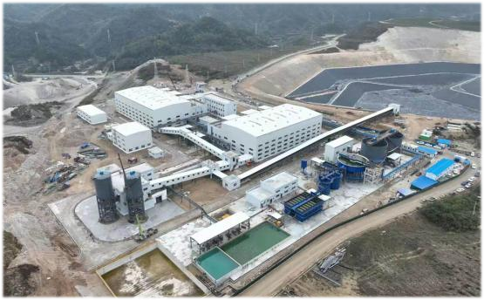
Yingping Mining Section Open-pit Tailings Backfill Treatment of Goaf Ecological Restoration EPC Project
China Bluestar Lehigh Engineering Corporation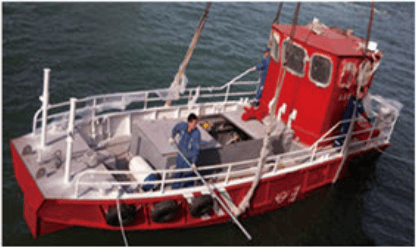
Electromagnetic Fluid Seawater Floating Oil Separation and Recover Equipment
Huate Magnet Group Co., Ltd.
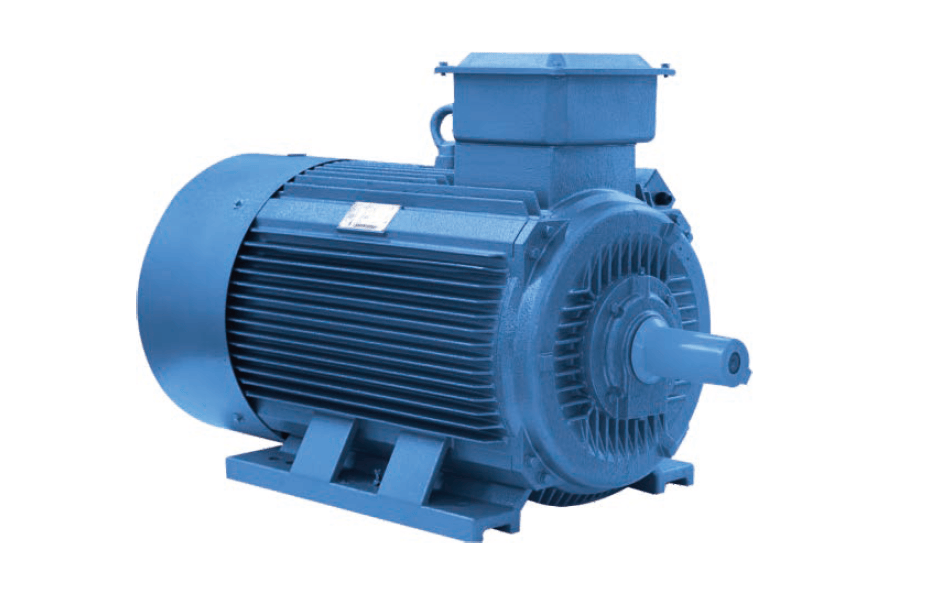
TYC Series High-Efficiency Permanent Magnet Synchronous Motor
Xiangdian Smart Energy Technology Co., Ltd.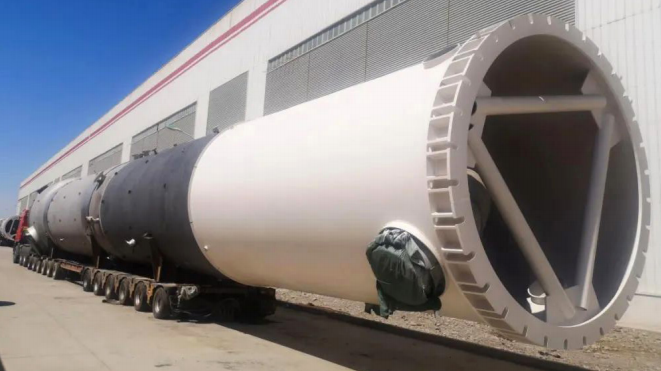
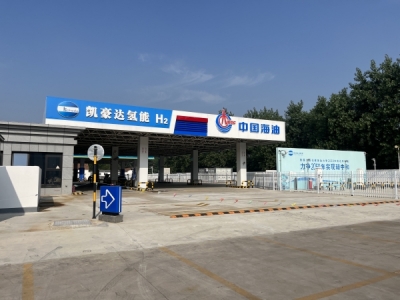
Hydrogen production and hydrogenation charging refueling gas integrated energy station
Shenzhen Kohodo Hydrogen Energy Co., Ltd.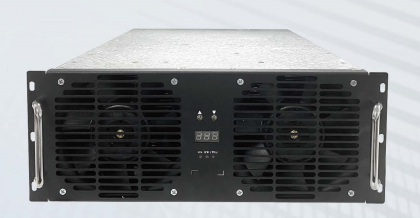
80kW Megawatt Supercharging Module TH80F10030C9
Shijiazhuang Tonhe Electronics Technologies Co., Ltd.