Spanish Aluminum Association Calls on EU to Develop a Dedicated Industrial Strategy for Aluminum Scrap
en.Wedoany.com Reported - The Spanish Aluminum Association (Asociación Española del Aluminio, AEA) has called on the European Union to develop a dedicated industrial strategy for aluminum scrap, advocating for its recognition as a critical resource and strategic asset. Representing over 650 companies in the sector, the association believes this move would benefit the EU's industrial competitiveness, decarbonization process, and strategic autonomy.
AEA President Felipe Quintá stated that aluminum is an indispensable raw material in sectors such as transportation, construction, packaging, renewable energy, digital technology, and defense. Since Europe produces only a small fraction of the primary aluminum it consumes, the availability of recycled aluminum is increasingly vital for reducing external dependence.
For years, Europe has consistently exported more aluminum scrap than it imports, with export volumes growing significantly, primarily flowing to Asian countries such as India, China, Malaysia, Thailand, and Pakistan. Additionally, the risk of scrap diversion to the United States is rising due to new U.S. tariff policies.
AEA Secretary General Gonzalo de Olabarria noted that this situation reduces the supply of raw materials for European recyclers, drives up scrap prices within the EU, and weakens Europe's strategic autonomy amid increasingly complex and intense global competition for critical materials.
Against this backdrop, the AEA aligns with European Aluminium in calling for a uniform export tariff or fee on all aluminum scrap exported outside the EU.
Quintá and de Olabarria believe that imposing export tariffs is an effective tool to correct distortions in the international market, but it is not the only measure. The real solution lies in creating an ecosystem that can capture, sort, recycle, and reuse more aluminum within Europe, thereby strengthening the circular economy and the EU's industrial independence.
Based on this perspective, the AEA's proposed strategy is built on four pillars. First, improving sorting, collection, and recycling, particularly for low-quality scrap. It is estimated that approximately 80% of exported scrap consists of low-quality post-consumer materials, for which recycling technologies already exist. Second, retaining more scrap within Europe through appropriate trade instruments, as the shortage of aluminum is mainly concentrated in certain high-quality scrap that can be efficiently reused in European industry with a very low carbon footprint. Third, simplifying regulations and harmonizing standards and requirements across member states, as current waste and recycling regulations are overly complex, increasing administrative burdens and hindering new investments. Fourth, promoting investment and technological innovation to enhance Europe's recycling capacity and produce high-quality recycled aluminum.
The AEA concluded that in the context of global competition for strategic raw materials, Europe cannot afford to continue losing vital resources such as aluminum scrap. Ensuring its availability and boosting recycling capacity are key elements for building a more resilient and sustainable economy and industry.
Related Products

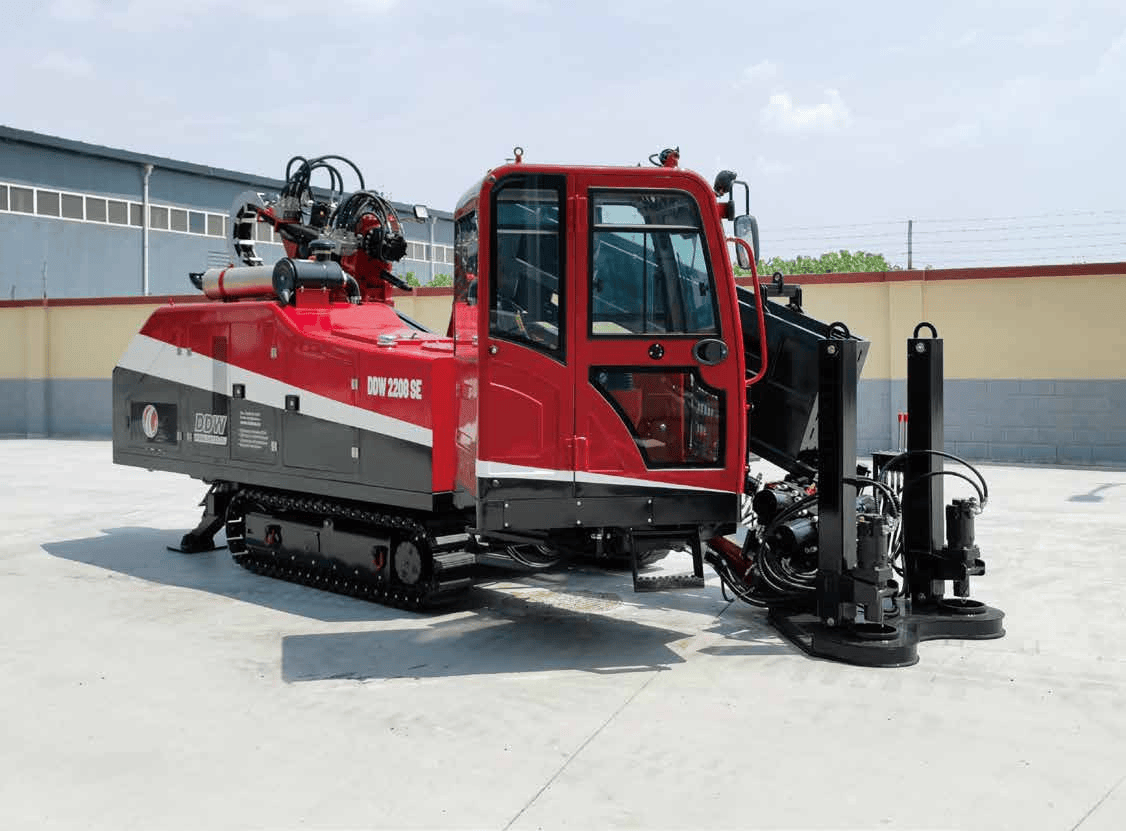
DDW22/08SE-HORIZONTAL DIRECTIONAL DRILL
DW/TXS Construction Equipment (Beijing) Co., Ltd.
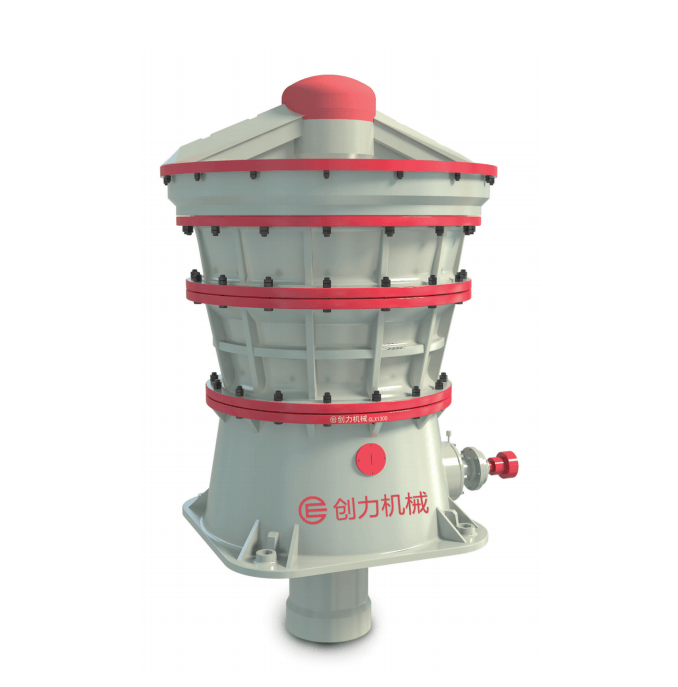
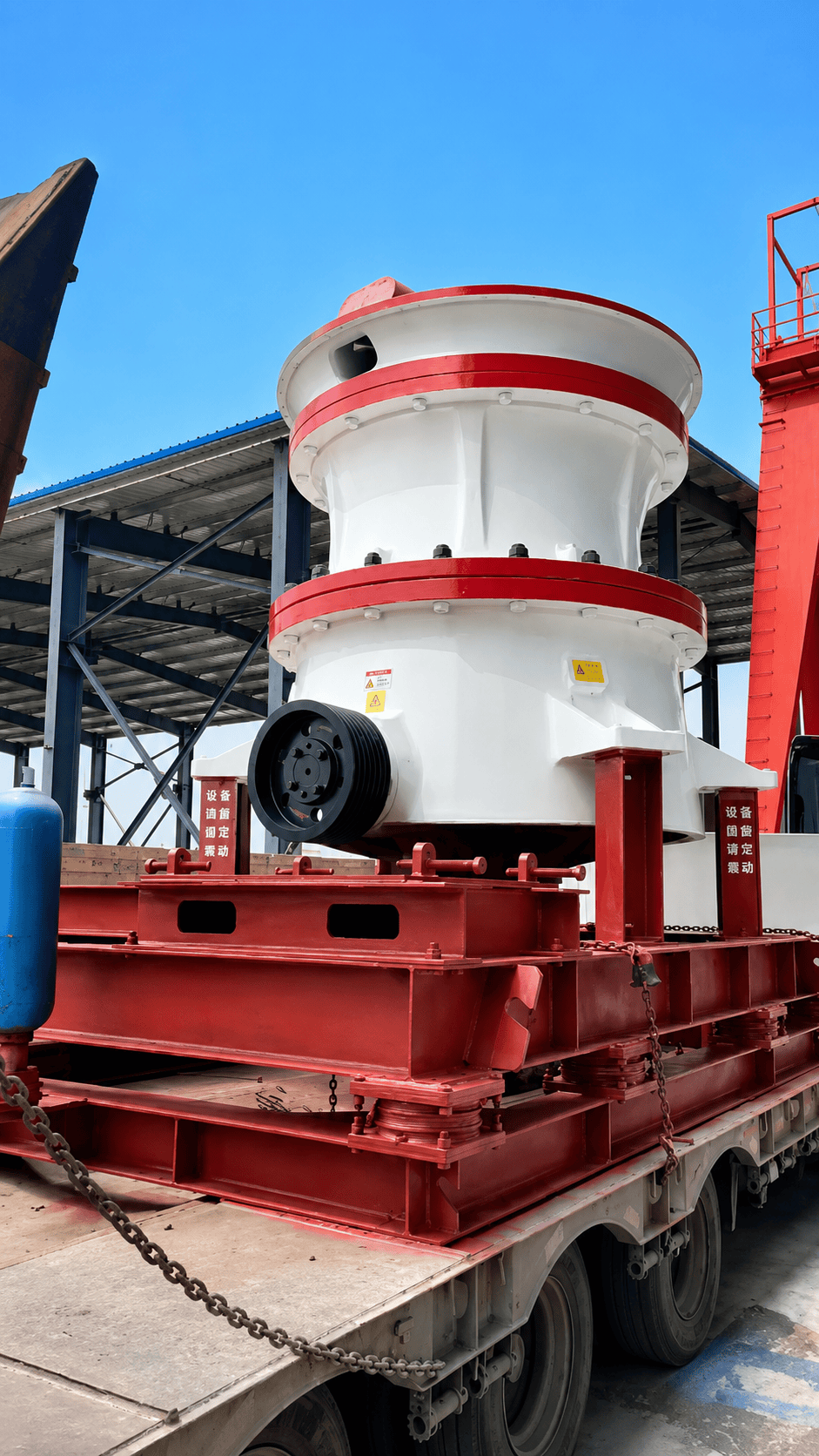
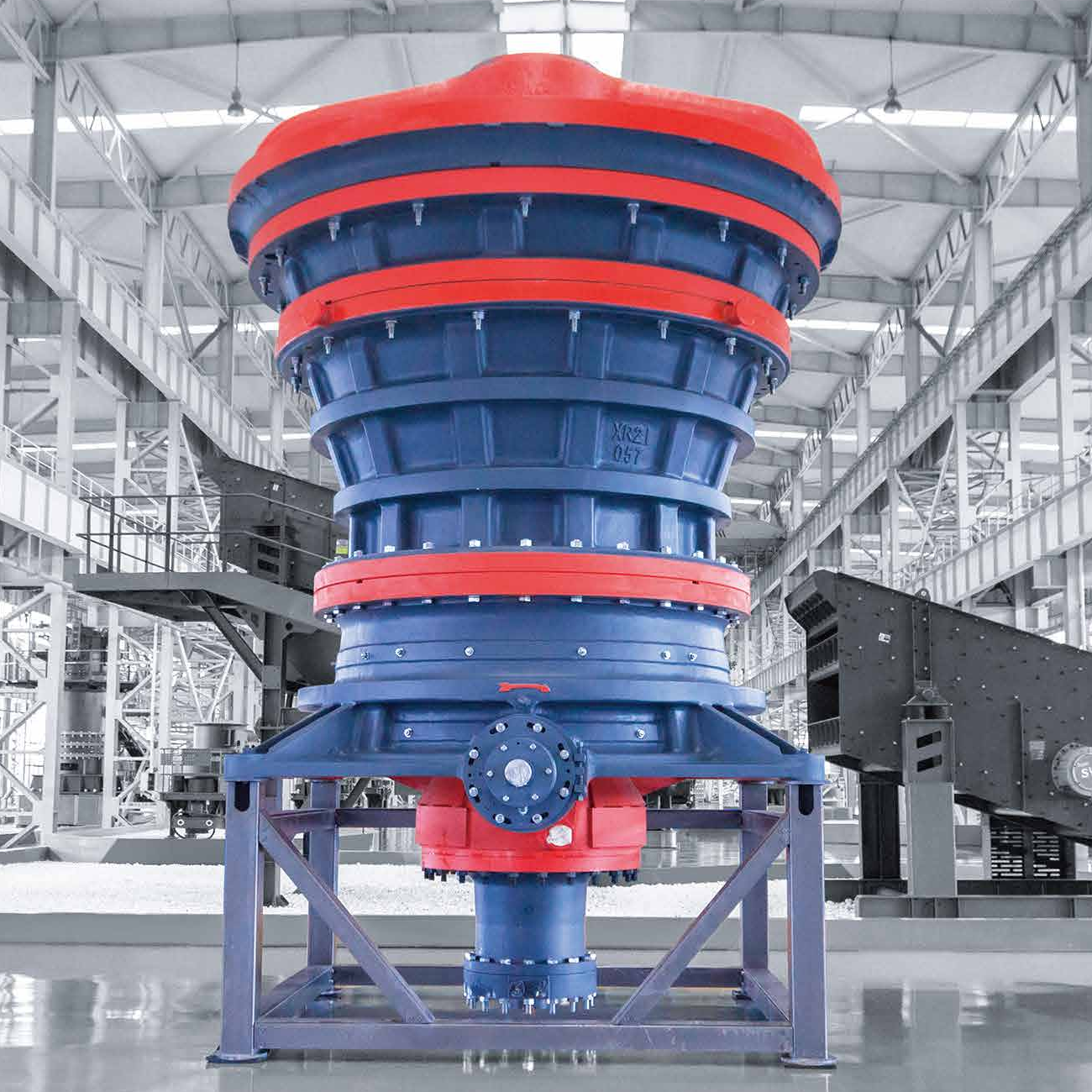
CLX Series Intelligent Hydraulic Gyratory Crusher
Guangdong CHUANGLI intelligent machinery Equipment Co., LTD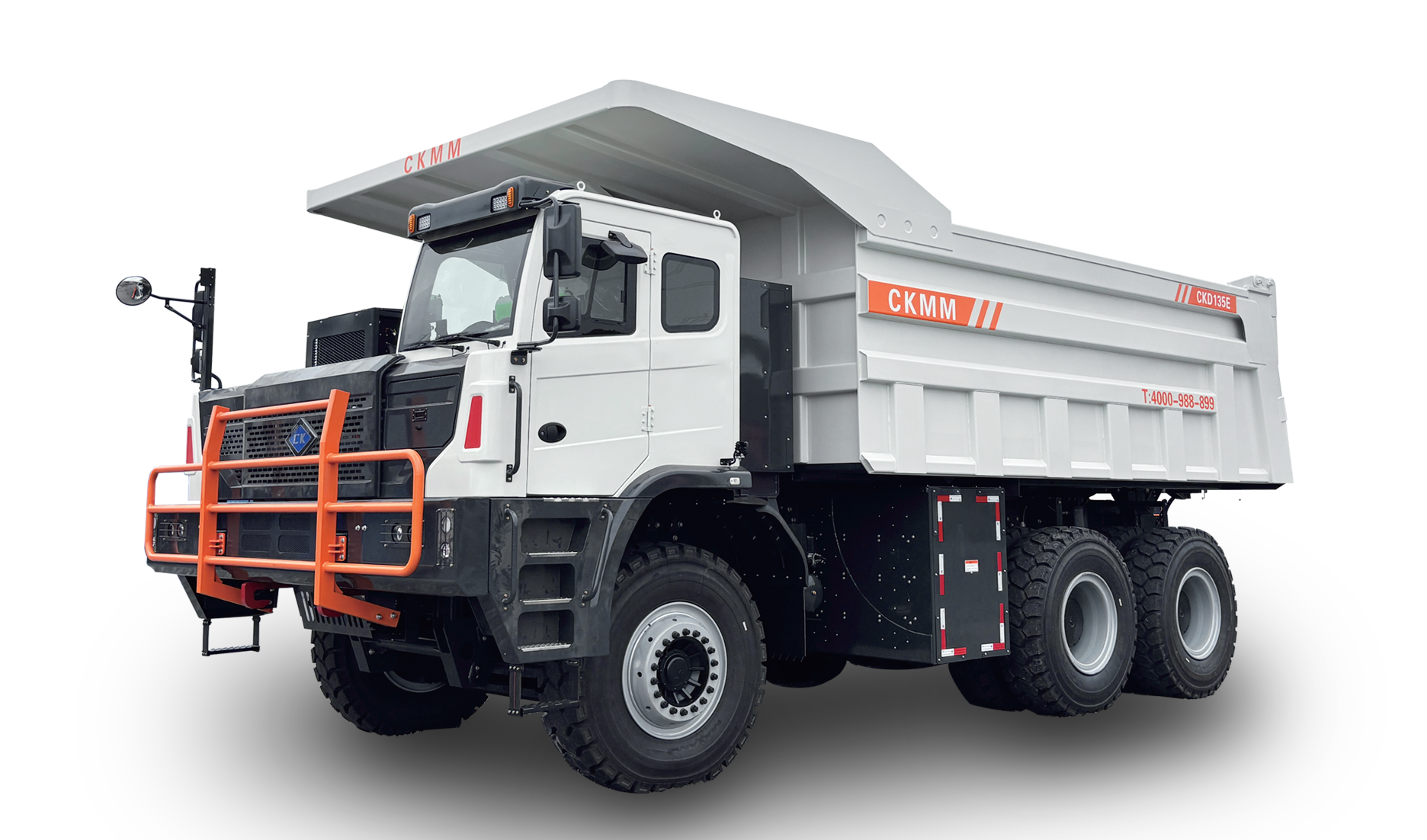
CKD135E Pure Electric Wide-body Dump Truck
Jiangsu Changkuang Engineering Machinery Co. Ltd.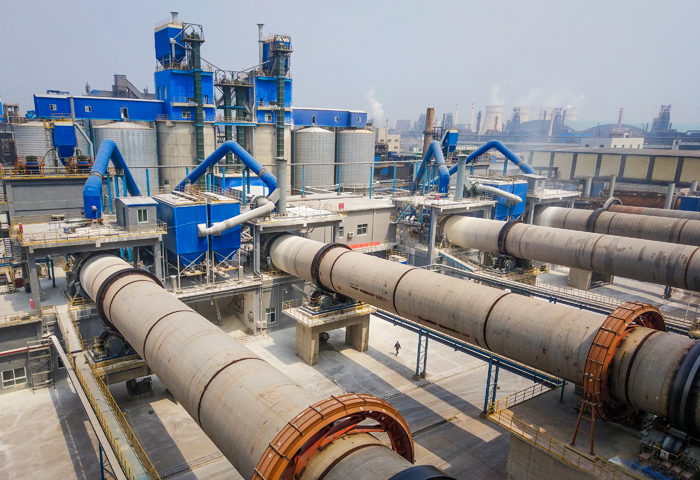
CITIC Heavy Industries Metallurgical Equipment Steel Smelting Engineering Equipment
CITIC Heavy Industries Co., Ltd.