China's Four Departments Issue AI + Human Resources and Social Security Implementation Opinions and Build a 1+N+32 Collaborative Application System
en.Wedoany.com Reported - Recently, the Ministry of Human Resources and Social Security, the National Development and Reform Commission, the Ministry of Industry and Information Technology, and the National Data Administration jointly issued the "Implementation Opinions on Accelerating the Development of 'Artificial Intelligence + Human Resources and Social Security' Applications," focusing on the construction and application of AI scenarios in the human resources and social security field. The document proposes infrastructure construction requirements from four aspects: platform, data, algorithms, and ecosystem. A relevant official from the Ministry of Human Resources and Social Security clarified in a Q&A session that an AI application platform will be built, high-quality industry datasets and AI corpora will be developed, algorithm models for the human resources and social security industry will be created, and institutional standards and a development ecosystem will be established.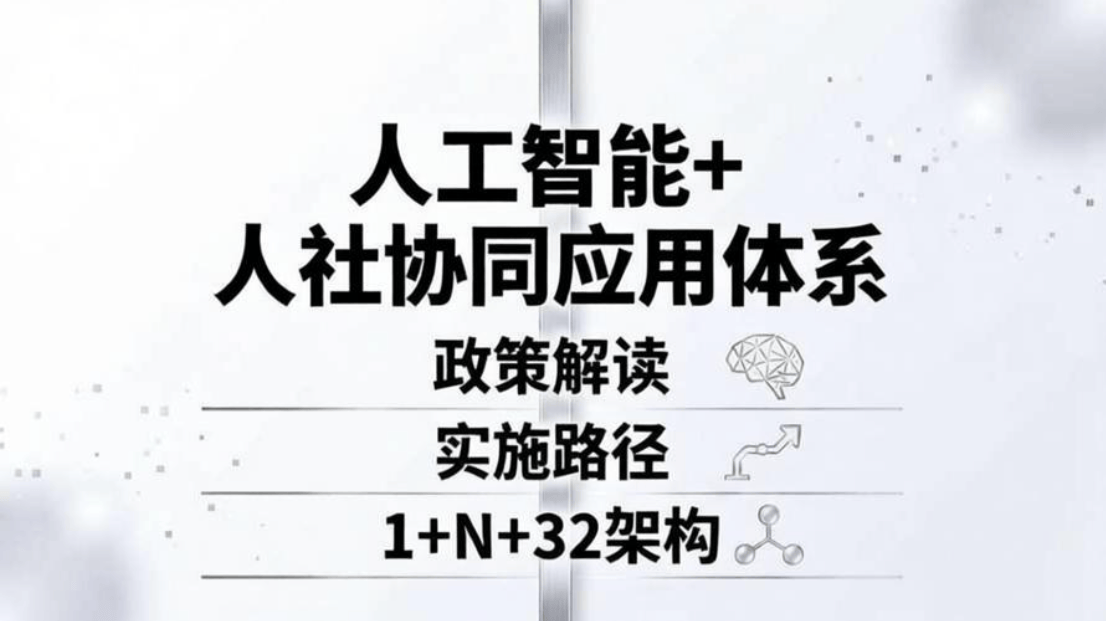
At the platform level, the "Implementation Opinions" propose constructing a "1+N+32" collaborative development framework for AI in the human resources and social security industry. Here, "1" refers to the ministerial-level platform, "N" refers to the national AI application pilot bases, and "32" refers to the provincial-level human resources and social security departments. These platforms will collaborate with the national AI application pilot bases to coordinate the construction of a national AI application platform for human resources and social security, forming AI application infrastructure for business scenarios such as employment, social security, talent and personnel, labor relations, and public services.
At the data level, the human resources and social security industry will build high-quality datasets and AI corpora. Data sources will primarily revolve around policy document libraries, business knowledge bases, and case libraries. Data governance, data annotation, and data processing will be promoted in a coordinated manner at both the ministerial and provincial levels. The human resources and social security field involves numerous business texts, multiple policy levels, detailed handling rules, and significant local differences. General-purpose models struggle to directly handle specialized issues such as social security benefits, employment services, labor disputes, vocational training, and talent evaluation. Therefore, policy provisions, handling rules, case materials, and business knowledge need to be transformed into trainable, searchable, and callable data resources.
At the algorithm level, the four departments propose building algorithm models for the human resources and social security industry, collaboratively promoting the development and application of large models, intelligent agents, and tools for the industry. The large model for human resources and social security can provide capabilities for scenarios such as policy Q&A, material pre-review, business assistance, intelligent customer service, job matching, training recommendations, and labor relations risk identification. Intelligent agents are more suited to process-oriented tasks, such as determining applicable policies based on user identity, breaking down handling steps, calling upon knowledge bases to verify materials, generating business prompts, and assisting handling personnel in completing complex tasks.
The "Implementation Opinions" also clarify that local human resources and social security departments, human resources service agencies, and technical skills training and evaluation institutions can select and use relevant models, intelligent agents, and tools as needed. This means that "AI + Human Resources and Social Security" will not be limited to government service window Q&A but will enter multiple business systems, including employment services, vocational skills training, talent evaluation, human resources services, social security handling, and labor relations governance.
At the ecosystem level, the policy proposes formulating supporting institutional measures for AI application scenarios and high-quality datasets in the human resources and social security industry, and building a standard system for AI applications in the field. The standards will cover aspects such as application scenario definition, dataset construction, model invocation, result verification, security protection, personal information protection, government information protection, and application evaluation. Human resources and social security operations involve a large amount of personal employment, social security, labor relations, and career development information. Model applications must operate under conditions of data authorization, permission control, sensitive information desensitization, access traceability, and result verifiability.
In terms of application promotion, the human resources and social security industry will establish a coordination mechanism and carry out innovative applications through methods such as "open competition for project leadership." Subsequent projects are more likely to focus on scenarios such as high-frequency handling items, cross-regional coordination matters, job matching, vocational skills evaluation, public service consultation, social security business auxiliary review, and labor dispute case retrieval. The entire technical chain will be supported by platforms providing computing power and application entry points, datasets providing training and knowledge foundations, industry models and intelligent agents responsible for business reasoning, and standard systems responsible for security compliance and application boundary control.
Related Products

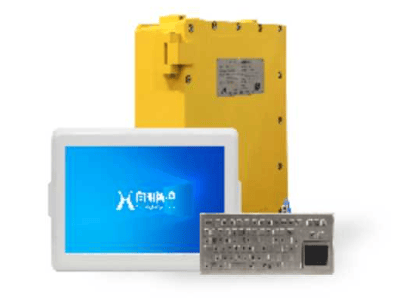
KJD127(A) Mining Explosion-Proof and Intrinsically Safe Computer
Taiyuan Xiangming Intelligent Control Technology Co., Ltd.
MUX Series Communication Interface Device for Security and Stability Control System
Nanjing NR Electric Co., Ltd.
GYTA Type Non-Self-Supporting Aerial/Duct Optical Cable
TONGDING INTERCONNECTION INFORMATION CO., LTD.


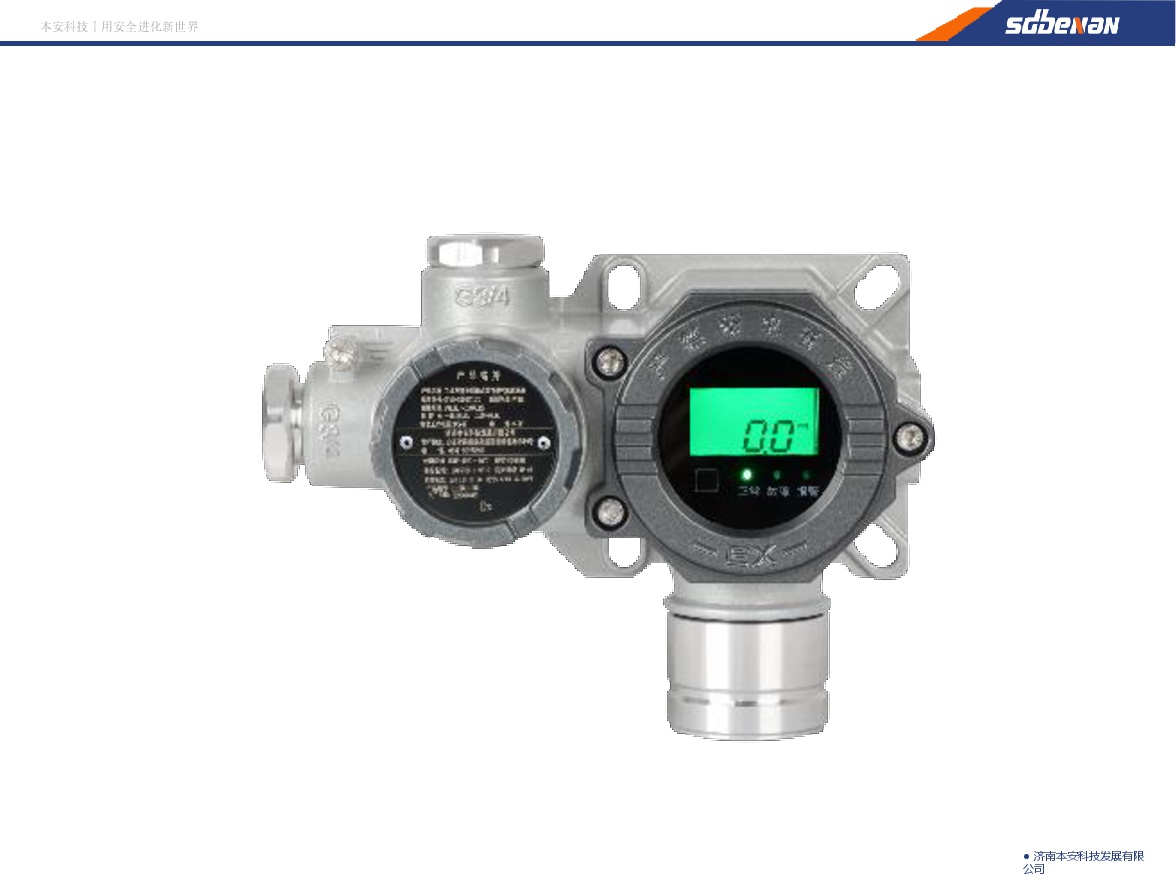
Industrial and Commercial Point-Type Gas Detector
Jinan Benan Technology Development Co., Ltd.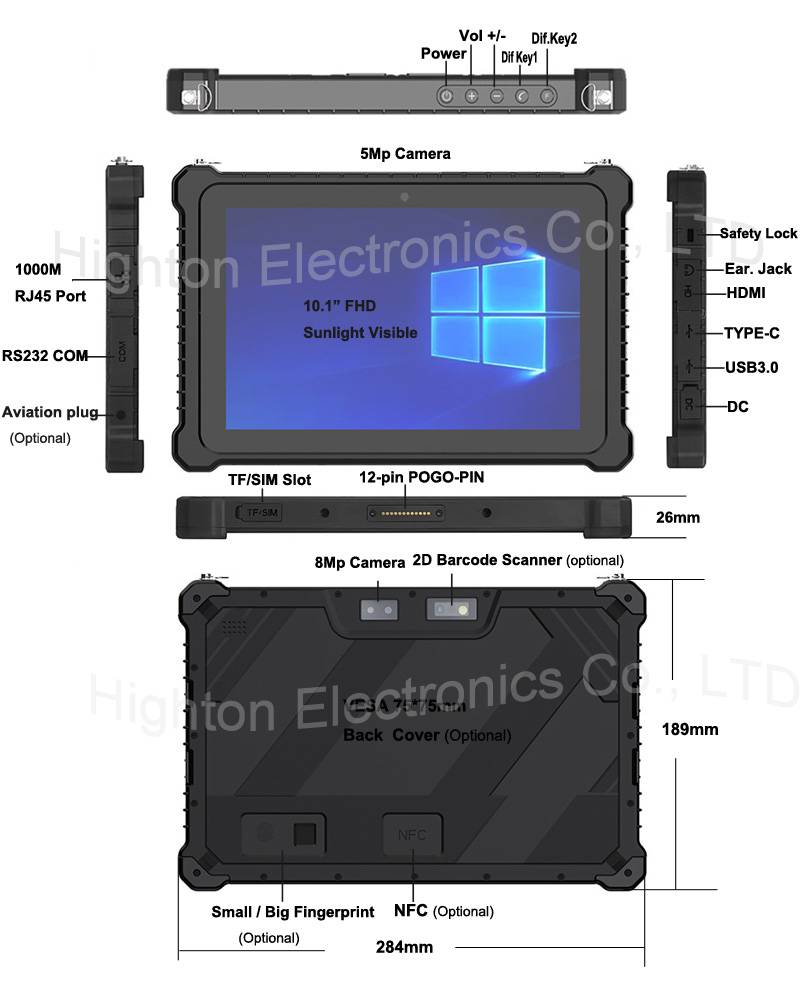
Hot Selling 10 Inch Intel N5100 I5 I7 FHD 8 +128GB 16+256GB Win10 Pro Win11 Pro 4G 5G Rugged Tablet PC Pad with NFC Barcode
Highton Electronics Co., Ltd.