Brazil's Coppe/UFRJ Develops New Technology to Assess Crack Propagation Resistance in Pipeline Steel
en.Wedoany.com Reported - Researchers at the Metallurgical and Materials Engineering Graduate Program (PEMM) of the Alberto Luiz Coimbra Institute for Graduate Studies and Research in Engineering (Coppe/UFRJ) at the Federal University of Rio de Janeiro have developed a new technology for more accurately assessing the crack propagation resistance of steel used in pipelines. The technology, proposed by Sergio Luis Gonzalez Assias in his doctoral thesis, focuses on the impact of internal separation phenomena caused by splits—secondary cracks formed perpendicular to the main crack plane—on material properties.
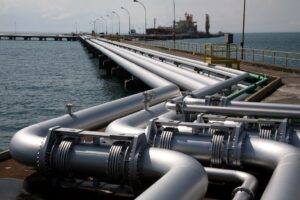
The study indicates that the splitting phenomenon can significantly alter mechanical test results, sometimes leading to the rejection of materials that perform well in practical applications. Such rejection can cause substantial economic losses for the industry, increasing production costs, reducing material utilization rates, and harming competitiveness in this strategic sector.
Experiments conducted at PEMM's Fracture Mechanics Laboratory (LMF) established new standards for evaluating the fracture toughness of steel. Fracture toughness measures a material's ability to absorb energy and resist crack propagation before fracture. The study combines high-precision experimental testing with advanced numerical simulations to deepen the understanding of splitting effects, making the material certification process more reliable.
Sergio stated that the tools of fracture mechanics aim to determine critical operating conditions, such as critical pressure, minimum operating temperature, and the maximum acceptable crack size in a structure. The focus of the research is not on predicting crack formation, but on defining safe operating limits, allowing pipelines to operate without the risk of unstable crack propagation, even in the presence of unavoidable discontinuities.
Beyond its scientific contributions, the research has potential applications serving Brazilian industry. By improving the evaluation methods for materials used in pipeline systems, the study enhances the credibility of analyses, reduces technical uncertainties, and avoids losses from unnecessary material replacements, helping the industry maintain high levels of quality, safety, and innovation.
According to Sergio, these techniques can be used for the material certification of various types of rigid pipelines employed in the extraction, production, and transportation of oil, natural gas, and other fluids.
He noted that on an industrial scale, it is impossible to manufacture structures completely free of defects or cracks. This method helps to better certify materials used in pipeline manufacturing, ensuring a more precise assessment of crack propagation resistance. The key issue is not the formation of cracks themselves, but the material's ability to resist their propagation.
The thesis, titled "Effects and Treatment of Splits on the Fracture Toughness of Steels for Pipelines in the Oil and Gas Sector" (Efeitos e tratamento dos splits na tenacidade à fratura de aços para tubulações do setor de petróleo e gás), was co-supervised by PEMM Professor Hector Kotik and collaborating project Professor Juan Elías Perez Ipiña. It has been selected to represent PEMM in the national phase of the 2026 Capes Thesis Award (Prêmio Capes de Tese).
Related Products
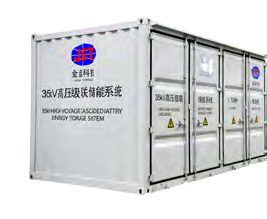

6kV-35kV Medium and High Voltage Direct-Connected Energy Storage System
Hainan Jinpan Smart Technology Co., Ltd.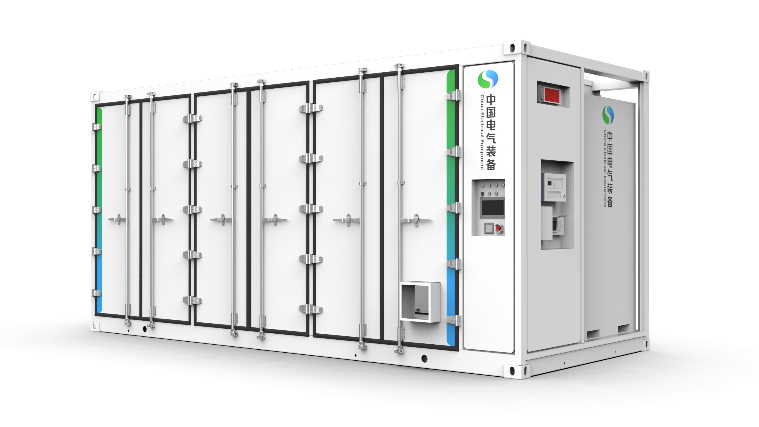
MESS8201-2507/5015-BN Prefabricated Liquid-cooled Energy Storage Battery Container
Xuchang Xuji Electric Science Energy Storage Technology Co., Ltd.
Mars (Liquid Cooling) Series Industrial and Commercial Energy Storage Converter High Protection Module
Shenzhen Winline Technology Co., Ltd.
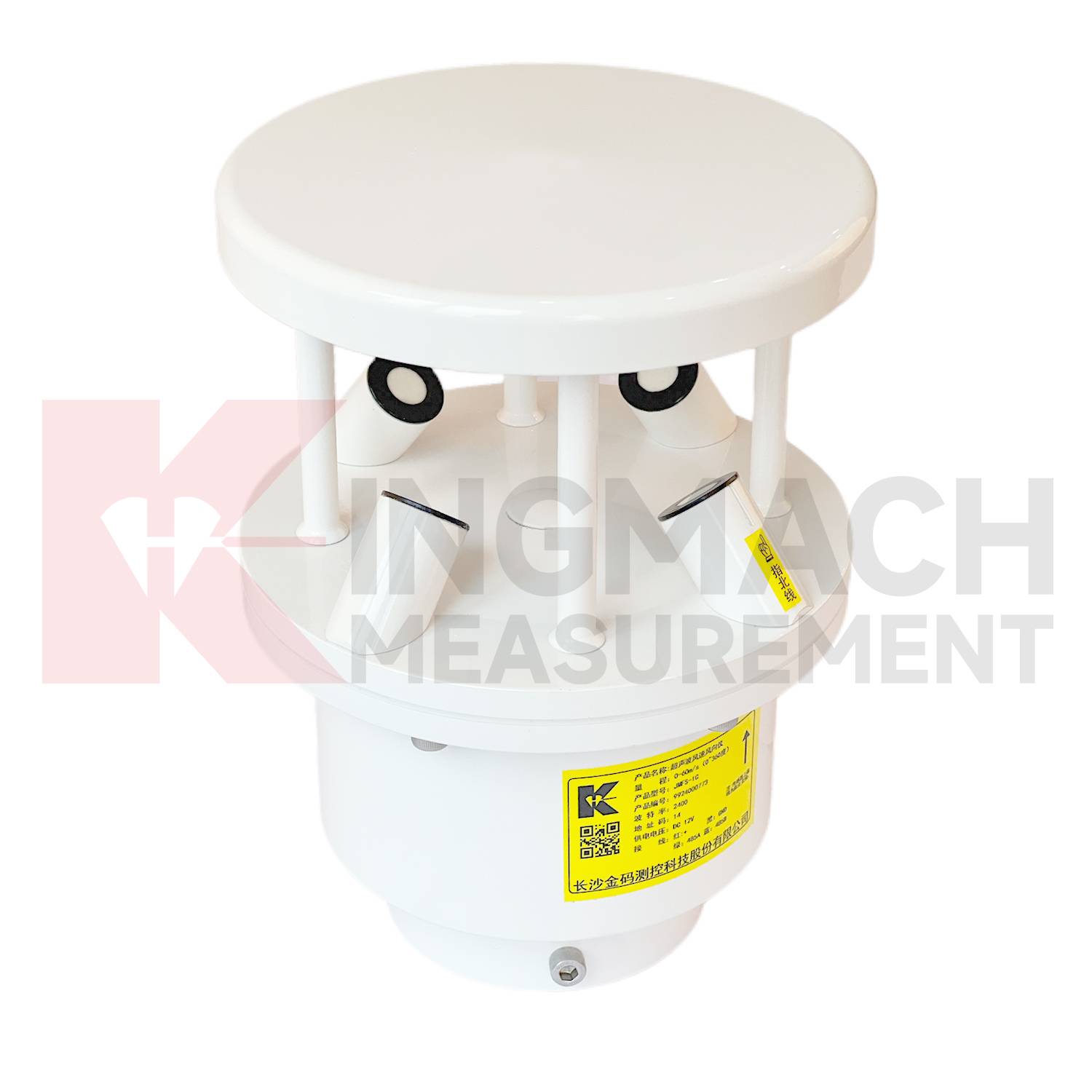
Ultrasonic Wind Speed and Direction Instrument
Kingmach Measurement & Monitoring Technology Co., Ltd.
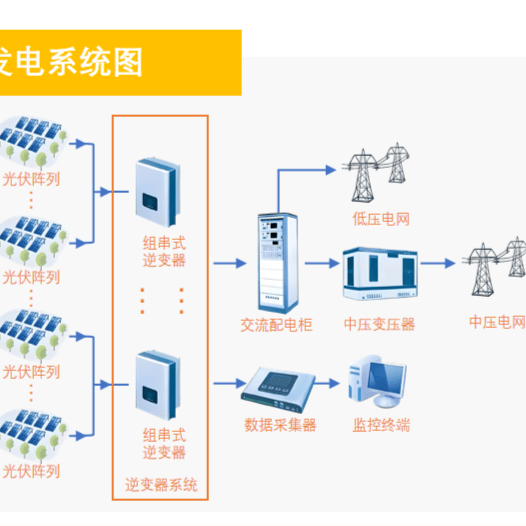
Photovoltaic and Wind Power Generation Technology
Beijing Boqi Electric Power SCI-TECH Co., Ltd.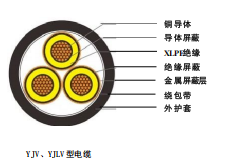
Rated Voltage 6-35kV Cross-linked Polyethylene Insulated Power Cable
TONGDING INTERCONNECTION INFORMATION CO., LTD.