Chinese Automakers Introduce Sleep Function, Zero-Gravity Seats Increase Collision Risk by 5.2 Times
en.Wedoany.com Reported - The "sleep" function in electric vehicles is becoming a new consumer hotspot, but the accompanying safety hazards are also drawing industry attention.
This summer, temperatures in parts of Europe exceeded 40 degrees Celsius, leading to a rush on air conditioners. Some consumers used hoses to channel vehicle air conditioning indoors for cooling, while others chose to drive out and sleep in their cars with the AC running overnight. Extreme heat has made this emergency option widely adopted.
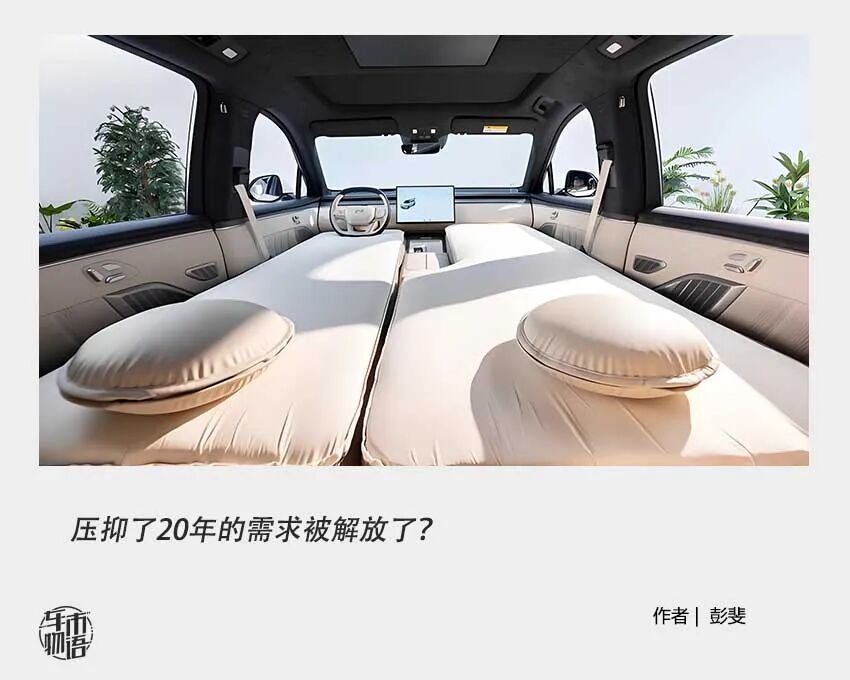
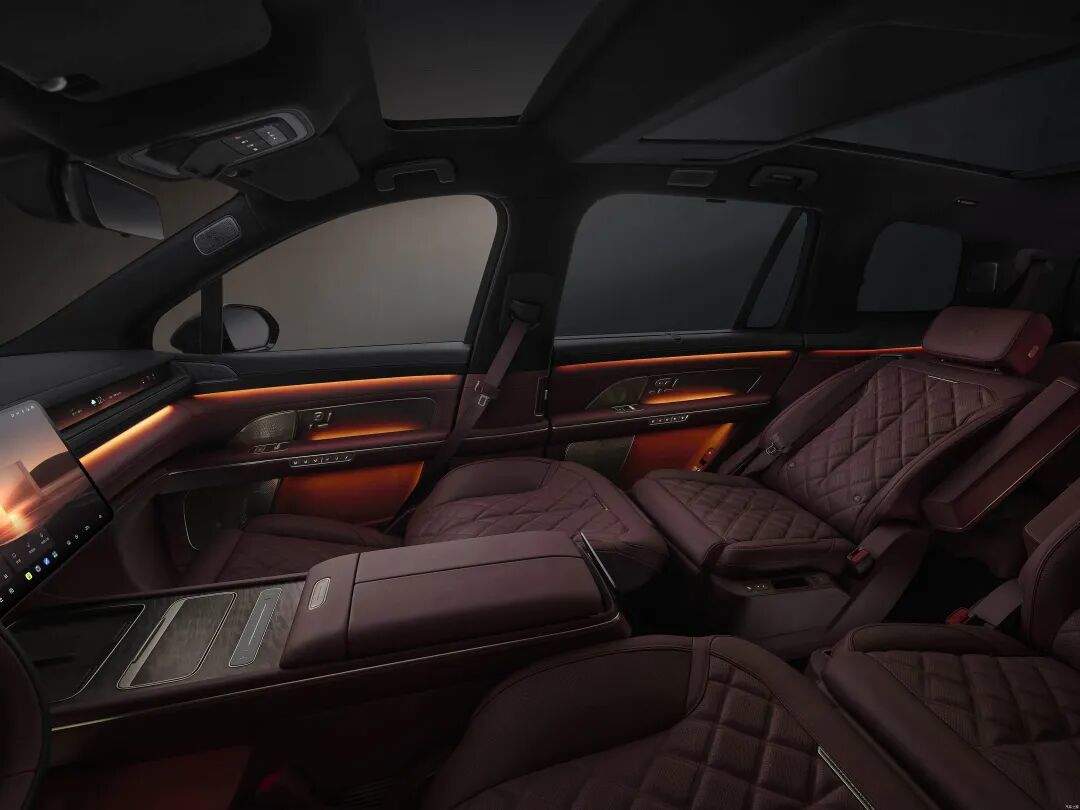
In the era of fuel vehicles, resting in a car for extended periods posed safety risks. When the engine idles with the AC on, carbon monoxide levels inside the vehicle continuously rise, potentially causing unconsciousness. The emergence of electric vehicles, which eliminate the risk of engine idling, has made "napping in the car" a viable need. Features such as zero-gravity seats, massage functions, and privacy glass transform the cabin into a rest space.
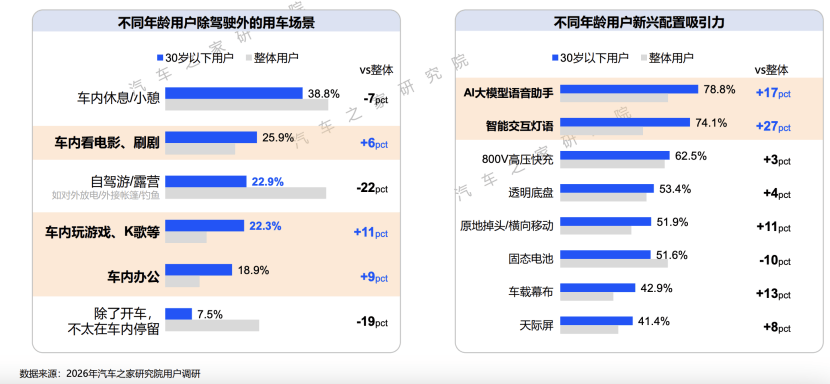
According to survey data from Autohome, the proportion of users under 30 who choose to "rest and nap in the car" is 7 percentage points lower than the overall user base, but their interest in AI voice assistants and smart interactive lighting is 17 and 27 percentage points higher, respectively. This indicates that younger users value smart interactive experiences more than simple rest functions.
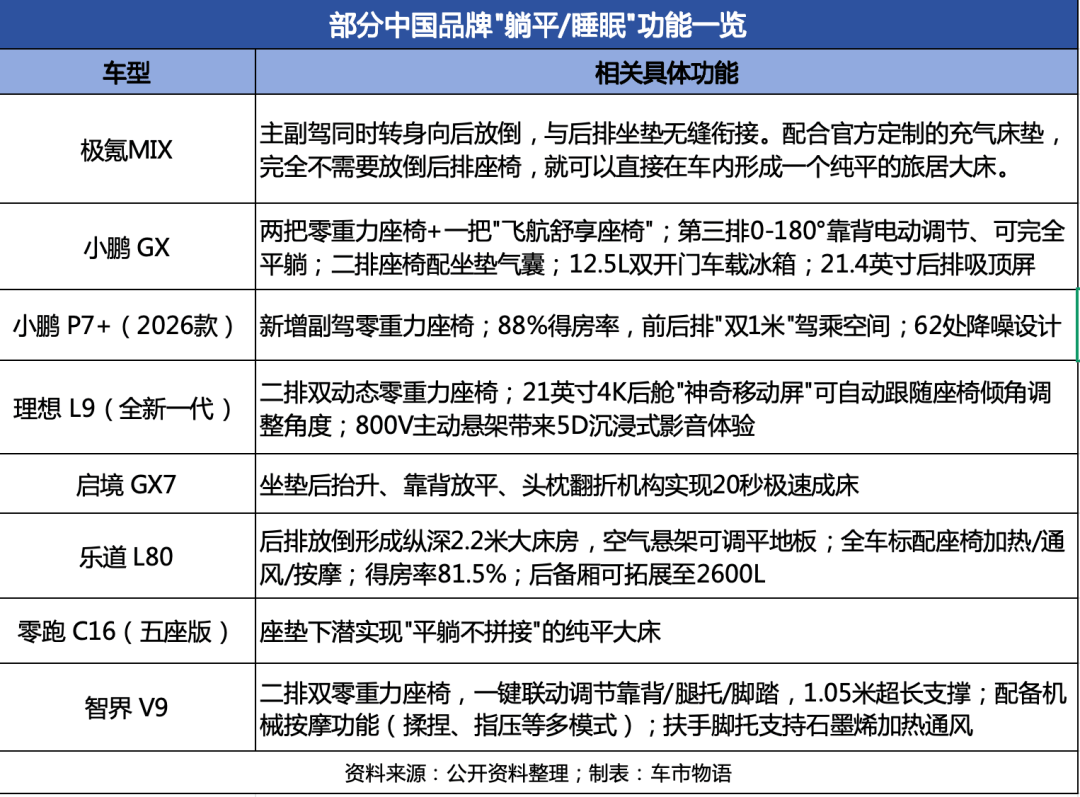
To meet this demand, several automakers have introduced solutions for in-car rest. Models like the Zeekr MIX and XPeng G9 offer a flat space of 2 meters by 1.35 meters. The Qijing GX7 can fold its seats into a bed in 20 seconds, the Ledo L80 provides a 2.2-meter-long bed, and the Leapmotor C16 achieves a flat lying position through seat cushion lowering. These designs focus on space utilization and mechanical structure innovation, areas difficult for traditional fuel vehicle architectures to achieve.
KPMG predicts that the size of China's smart cockpit market will reach 212.7 billion yuan by 2026, with a five-year compound annual growth rate exceeding 17%. The "2026 Global Automotive Consumer Study" shows that 34% of Chinese users identify with "lifestyle experience," significantly higher than Germany (14%), the United States (26%), and the United Kingdom (22%).
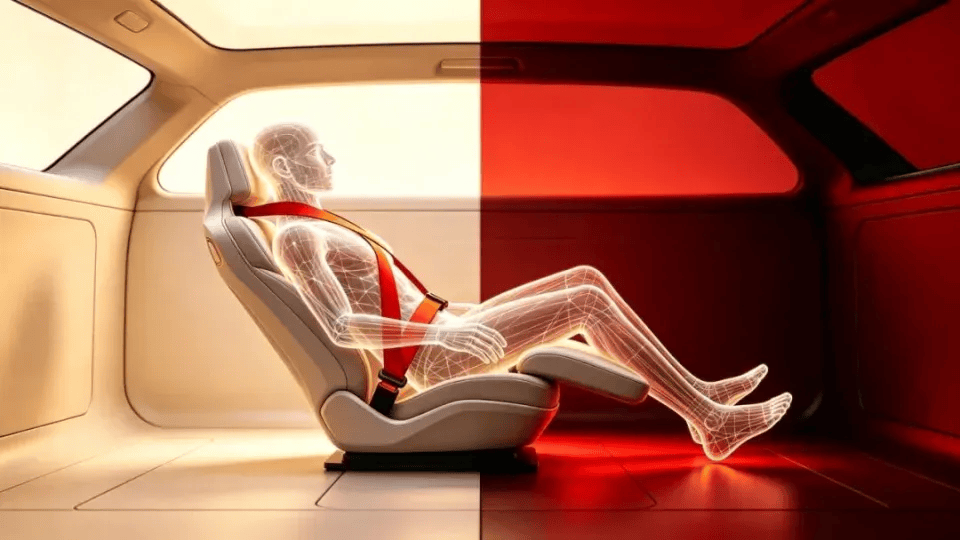
However, comfort features like zero-gravity seats also introduce new safety issues. Test data from the China Automotive Engineering Research Institute shows that in a 56 km/h frontal collision test, the risk of severe trauma in a zero-gravity posture increases by 4.4 times, and the risk of fatal injury increases by 5.2 times. This is because existing seatbelt designs are based on a standard sitting posture and may lose effective restraint in a reclined position.
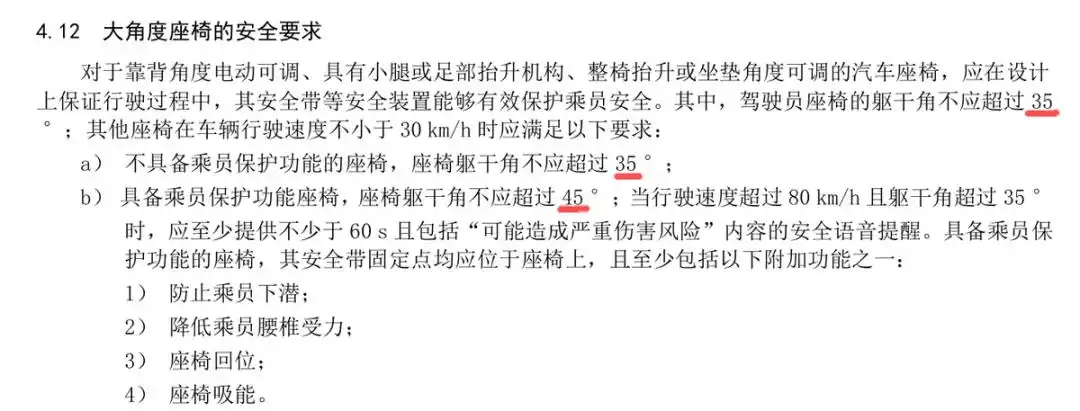
To address this issue, China's Ministry of Industry and Information Technology has issued a new national standard requiring the torso angle of the driver's seat to not exceed 35 degrees, and imposing restrictions on the seat angle of non-driving positions during high-speed driving. The standard is expected to be implemented in 2027, making China the first country in the world to systematically regulate the safety of high-angle seats.
Additionally, the increase in vehicle size and weight also brings issues such as road maintenance. Related research shows that for every 20% increase in vehicle weight, the rate of road damage rises to 2.07 times. Chinese authorities are considering imposing a "road maintenance fee" on electric vehicles to address the increased vehicle weight and road wear caused by electrification, and to encourage automakers to achieve lightweighting through technological innovation.
Related Products
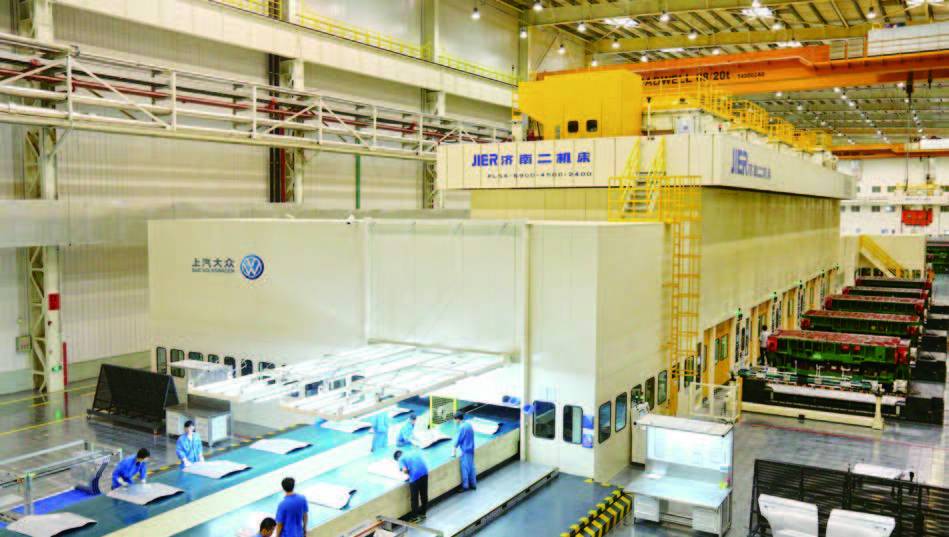

High-Speed Flexible Fully Automatic Stamping Production Line
JIER Machine-Tool Group Co., Ltd.
Pneumatic high-pressure wear-resistant ball valve
Zhejiang Deca Control Valve Meter Co., Ltd.
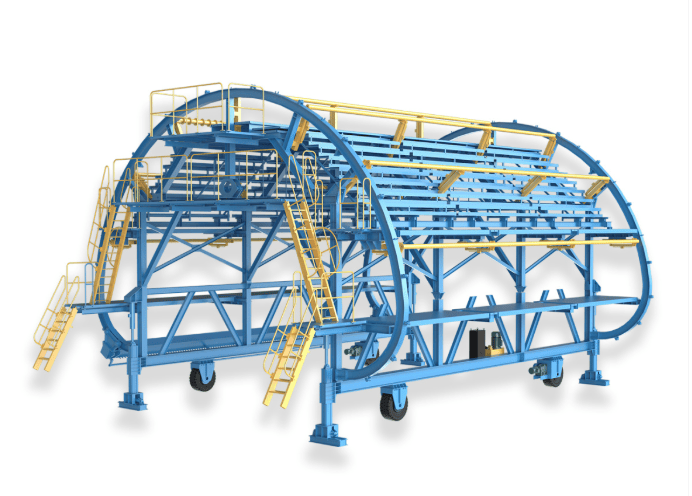
QLZNGJ Intelligent Steel Reinforcement Trolley
Luoyang China Railway Qiangli Machinery Co., Ltd.
Industrial and Commercial Point-Type Gas Detector
Jinan Benan Technology Development Co., Ltd.
Standard Nozzle Flowmeter
Jinggong Automatic Control Instrument Complete Technology Development Company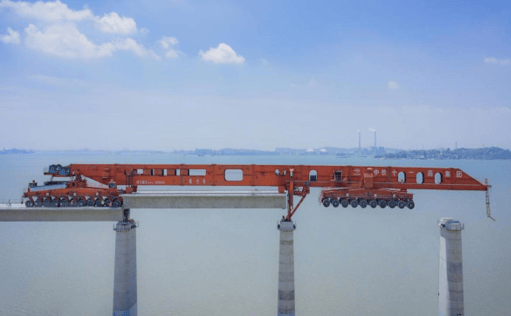
High-Speed Railway Lifting, Transporting, and Erecting Equipment: Integrated Transport and Erection Machine
Hanjiang Heavy Industry Co., Ltd. of China Railway 11th Bureau Group