India Approves ₹1.64 Trillion Semiconductor Projects, Electronics Manufacturing Jumps to Third Largest Export Category
en.Wedoany.com Reported - The Indian government has approved massive investments totaling ₹1.64 trillion in 12 semiconductor projects, while the country's electronics manufacturing sector has risen to become the third largest export category.
This strategic investment aims to build a globally competitive semiconductor ecosystem to support India's rapidly growing electronics manufacturing industry. Semiconductors are fundamental components for modern technologies such as smartphones, laptops, electric vehicles, artificial intelligence, defense equipment, and telecommunications infrastructure. This initiative is expected to reduce import dependence and position India as a trusted manufacturing destination in the global semiconductor value chain.
The approved projects cover a wide range of areas including wafer fabrication, assembly, testing, marking, packaging (ATMP) units, and semiconductor component manufacturing. These investments aim to establish an integrated ecosystem where chip design, manufacturing, packaging, and testing can all be completed domestically. Developing all segments of the semiconductor value chain locally will improve supply chain resilience, enhance manufacturing efficiency, and enable India to compete with established semiconductor-producing nations, while creating an investment foundation for global technology companies seeking to diversify their manufacturing bases.
The rise of electronics manufacturing to become India's third largest export category reflects the country's growing manufacturing strength and its increasingly important role in global supply chains. In recent years, India has achieved significant growth in exports of smartphones, consumer electronics, telecommunications equipment, electronic components, and other high-value products, transforming from a major importer of electronics into a significant exporter serving international markets with high-quality products.
The rapid growth of India's electronics manufacturing industry has been driven by multiple central government policies, including the India Semiconductor Mission, Production Linked Incentive (PLI) scheme, Design Linked Incentive (DLI) scheme, and various state-level industrial policies. These initiatives provide financial incentives, infrastructure support, simplified regulations, and long-term policy stability, encouraging domestic and foreign companies to establish advanced manufacturing facilities in India.
Semiconductor investments are expected to create substantial direct and indirect employment opportunities across multiple sectors, covering highly skilled engineers, semiconductor specialists, researchers, technicians, production personnel, and logistics professionals. Through auxiliary industries such as equipment manufacturing, raw material supply, construction, transportation, maintenance, software development, and industrial services, thousands of indirect jobs will also be generated, contributing to regional economic development and skill enhancement.
A robust domestic semiconductor ecosystem will benefit strategic industries heavily reliant on chip supply, including automotive manufacturing, electric mobility, renewable energy, consumer electronics, industrial automation, aerospace, defense, medical technology, telecommunications, robotics, and artificial intelligence. Local manufacturing capabilities help improve supply chain security, reduce production costs, minimize disruptions caused by global shortages, and enhance technological sovereignty.
The emergence of electronics manufacturing as one of India's leading export sectors highlights the country's competitiveness in global manufacturing. Global companies are expanding their manufacturing operations in India, leveraging skilled labor, competitive production costs, improved infrastructure, and supportive policies. As international demand for electronic devices grows, India, with products meeting international standards, is well-positioned to capture a larger share of the global export market, positively contributing to foreign exchange earnings and trade performance.
Industry experts believe that the current wave of semiconductor investments marks only the beginning of India's transformation into a global technology manufacturing hub. Sustained investment in semiconductor wafer fabrication, advanced packaging technologies, research and development, innovation, chip design, and workforce training is crucial for maintaining long-term competitiveness. Collaboration between government agencies, educational institutions, research organizations, private industry, and international technology partners will play a key role in building a sustainable semiconductor ecosystem.
The approval of ₹1.64 trillion in investments for 12 semiconductor projects, coupled with electronics manufacturing becoming India's third largest export category, marks a milestone in the country's industrial and technological evolution. These achievements reflect the success of India's manufacturing-centric policies and demonstrate its growing competitiveness in global high-value industries. As investments continue to flow into semiconductor manufacturing, electronics production, and advanced technology sectors, India is steadily consolidating its position as a global manufacturing destination, enhancing economic resilience, creating employment, and boosting exports.
Related Products


Mine Explosion-proof and Intrinsically Safe Industrial Ethernet Ring Network (10 Gigabit/Gigabit)
Chongqing Mas Sci&Tech Co., Ltd.
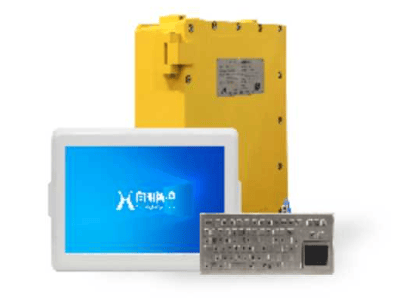
KJD127(A) Mining Explosion-Proof and Intrinsically Safe Computer
Taiyuan Xiangming Intelligent Control Technology Co., Ltd.
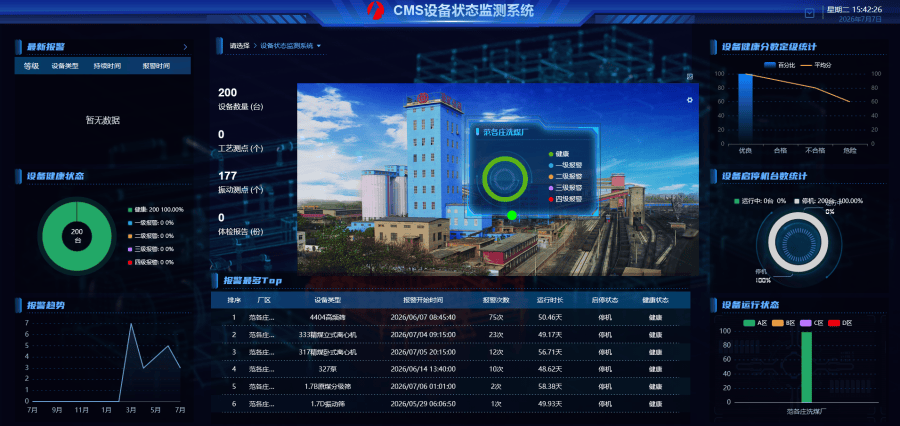

Industrial and Commercial Point-Type Gas Detector
Jinan Benan Technology Development Co., Ltd.

Flat Portable Satellite Terminal 0.35m Aperture Manual Portable Terminal
China Starwin Science & Technology Co., Ltd.
TWP16 P-Band Tropospheric Wind Profile Radar
China Huayun Meteorological Technology Group Co., Ltd.