Spain's Iberdrola Pumped Storage 4.5 GW, 120,000 MWh Energy Storage by 2026
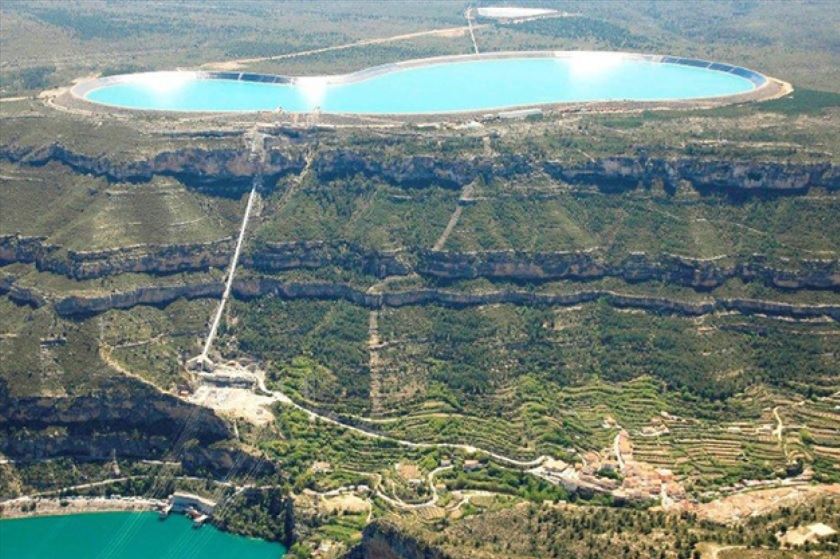
en.Wedoany.com Reported - Pumped storage power stations utilize the elevation difference between upper and lower reservoirs to store and release electrical energy, profiting from price spreads in the electricity market. Spanish utility Iberdrola is accelerating its deployment in this sector, with its pumped storage installed capacity reaching 4.5 GW and plans to achieve 120,000 MWh of storage capacity by the end of 2026.
The working principle of pumped storage power stations involves using reversible pump-turbines to pump water from a lower reservoir to an upper reservoir when electricity prices are low (e.g., when solar overcapacity at noon drives prices to zero or negative), converting electrical energy into potential energy stored in the water; when prices are high (e.g., during evening peak demand), the water is released to generate electricity. This "buy low, sell high" model forms the basis of its profitability. Antonio Aceituno of consulting firm Tempos Consultora Energética explains: "At noon, when solar overcapacity drives electricity prices to zero, pumped storage kicks in. The system uses about 3,700 MWh of electricity for pumped storage, nearly one-fifth of all solar generation at that time. In the evening, when prices rise, the cycle reverses. The water descends and drives the turbines. Buy low, sell high."
Iberdrola recently upgraded the technology at its Valdecañas pumped storage plant in Cáceres, increasing its total storage capacity to 210,000 MWh. The facility connects to two of Europe's largest reservoirs, Alcántara and Valdecañas, forming a giant battery that can absorb electricity when surplus from non-dispatchable renewable sources like solar and wind is available, and feed it back into the system when their generation is insufficient.
Several of the company's pumped storage projects feature detailed technical parameters. The La Muela plant on the Júcar River in Valencia is considered Europe's largest pumped storage station, with an installed capacity of 1,482 MW, seven reversible turbine units, and a storage capacity of 24,000 MWh, utilizing a 500-meter drop between the La Muela artificial reservoir and the Cortes de Pallás reservoir. The Villarino plant in Salamanca has a reversible installed capacity of 810 MW, using a 400-meter drop between the Almendra and Aldeadávila reservoirs. The Santiago-Sil-Xares plant in Ourense has a 230-meter drop, an installed capacity of 50 MW, a storage capacity of nearly 3,000 MWh, and is equipped with a 5 MWh battery to optimize system performance.
The largest investment is the Tâmega hydroelectric complex, with a storage capacity of 40,000 MWh, which the company estimates is equivalent to the 24-hour electricity consumption of 11 million households. The total investment in this project exceeds €1.5 billion, of which €1 billion comes from the European Investment Bank and Spain's Official Credit Institute. Last December, Iberdrola Spain also received over €170 million in non-repayable aid for storage projects co-financed by the 2021-2027 Feder Fund.
Related Products

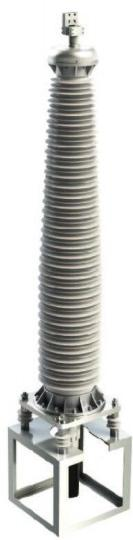
220kV Composite Outdoor Cable Terminal
Shenyang Guolian Cable Accessories Manufacture Co., Ltd.
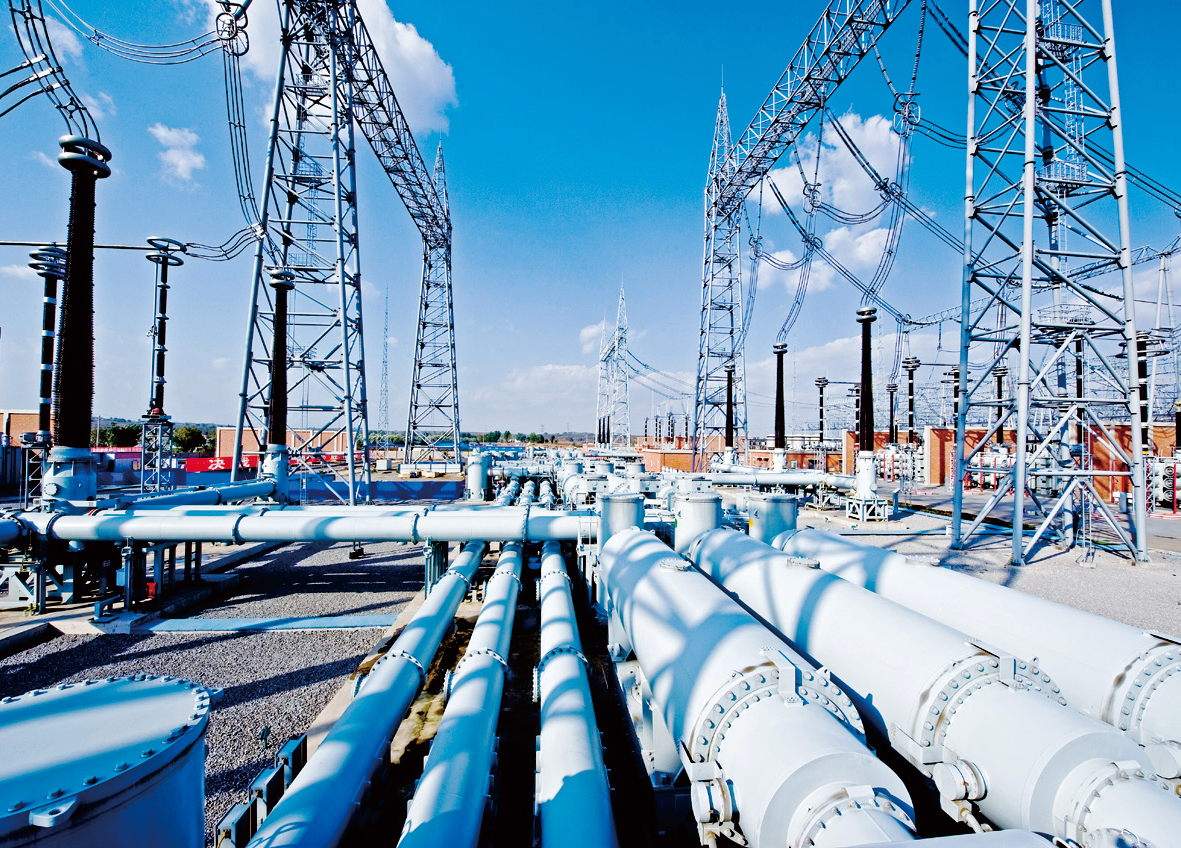
40.5kV-1100kV Gas Insulated Metal-Enclosed Switchgear (GIS)
Henan Pinggao Electric Co., Ltd.

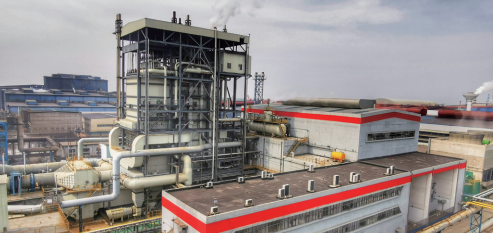
Jiujiang Pinggang 125MW Subcritical Gas Power Generation Project
Capital Engineering & Research Incorporation Limited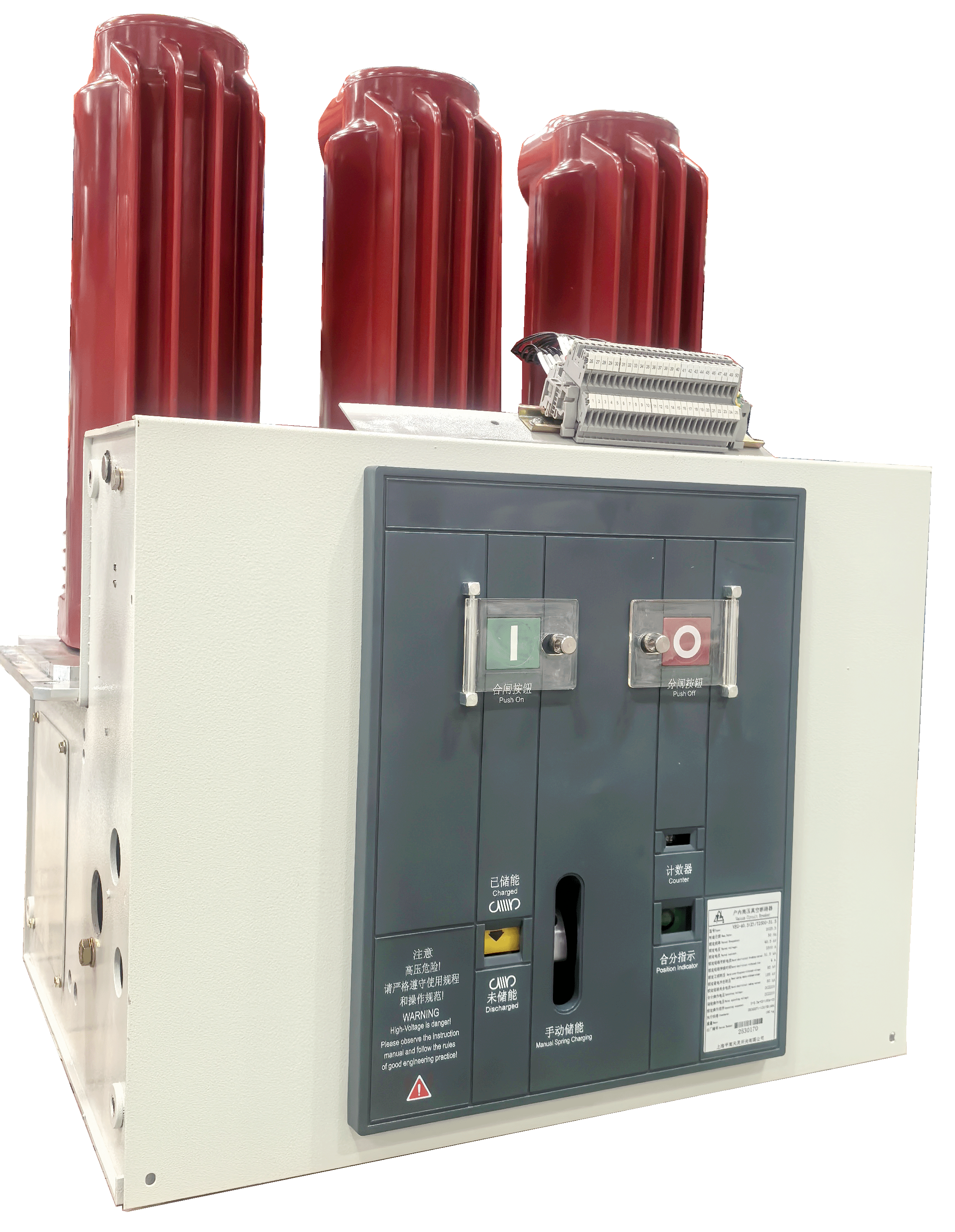
VEG-12/24/40.5 Series Vacuum Circuit Breaker
SHANGHAI PINGGAO TIANLING SWITCHGEAR CO., LTD.