VOCs Treatment Technologies Must Be Matched With Real Process Conditions
en.Wedoany.com Reported - The market for VOCs treatment is moving from general equipment procurement toward process-specific engineering design. Although many factories describe their emissions as organic waste gas, the actual conditions vary widely among coating lines, package printing, electronic cleaning, pharmaceutical reactors, petrochemical storage tanks, rubber processing and furniture manufacturing.
If a company does not accurately identify gas composition, concentration fluctuation and emission patterns, applying a single treatment technology may create unstable performance or unnecessary investment. The right solution depends on air volume, VOC concentration, boiling point distribution, moisture, dust, temperature, continuity and safety risks.
Adsorption is one of the most widely used routes. Activated carbon, molecular sieves and other porous materials can capture many organic compounds, especially in medium- and low-concentration exhaust streams. Adsorption is often used where concentration fluctuates and where pollutants need to be concentrated before final treatment. However, the real performance depends on pretreatment, humidity control, airflow distribution, desorption temperature, regeneration cycle and fire protection design.
Oxidation technologies are used to destroy combustible organic compounds. Thermal oxidation, regenerative thermal oxidation and catalytic oxidation are applied in coating, printing, chemical and electronics industries. These technologies can achieve strong treatment performance, but they require careful evaluation of inlet concentration, lower explosive limit, calorific value, halogen content and sulfur or nitrogen compounds. For low-concentration and high-volume gas streams, direct oxidation may consume too much energy, so concentration systems and heat recovery are often needed.
Condensation and recovery are more suitable for high-concentration streams with valuable solvents. In chemical, pharmaceutical, oil storage and electronic cleaning applications, solvent recovery can reduce emissions and lower raw material loss. However, condensation systems depend heavily on temperature, pressure, component boiling points and downstream polishing requirements. They are often combined with adsorption, membrane separation or oxidation systems.
From an engineering perspective, there is no universal VOC treatment solution. A mature project usually starts with gas testing and process analysis, then defines collection efficiency, pretreatment, main treatment route, emergency bypass, safety interlock, online monitoring and maintenance rules. As environmental regulation and ESG requirements become stricter, VOC treatment will increasingly focus on combined processes, lower energy consumption and resource recovery.
Related Products

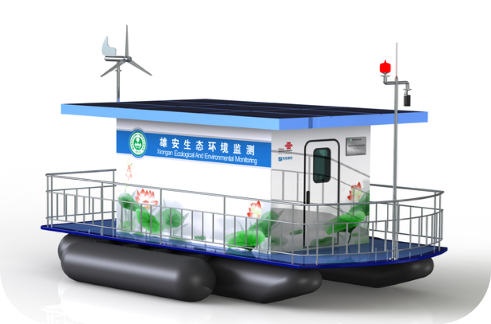
Floating Boat Water Quality Automatic Monitoring System
Hebei Sailhero Environmental Protection High-tech Co., Ltd.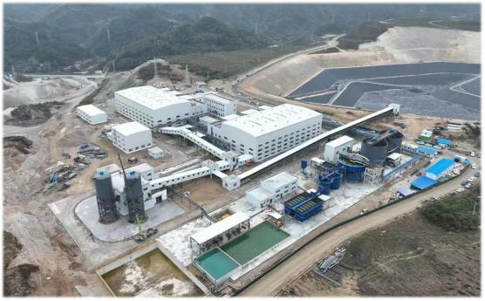
Yingping Mining Section Open-pit Tailings Backfill Treatment of Goaf Ecological Restoration EPC Project
China Bluestar Lehigh Engineering Corporation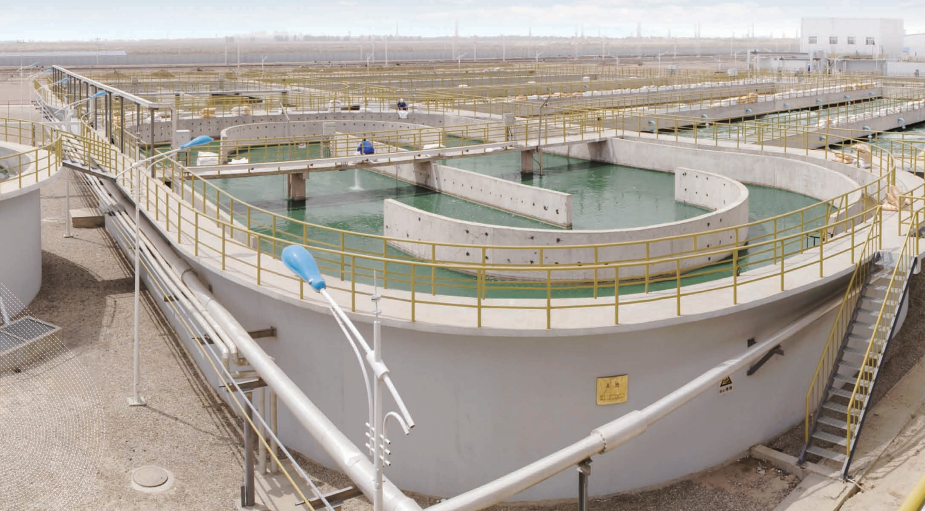
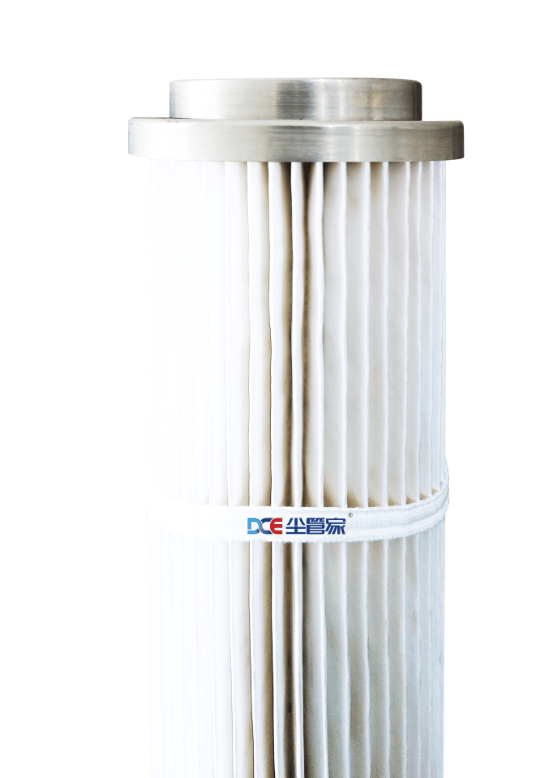
DCE High-Efficiency Energy-Saving Filter Cartridge
Zhejiang Hongsheng New Material Technology Group Co., Ltd.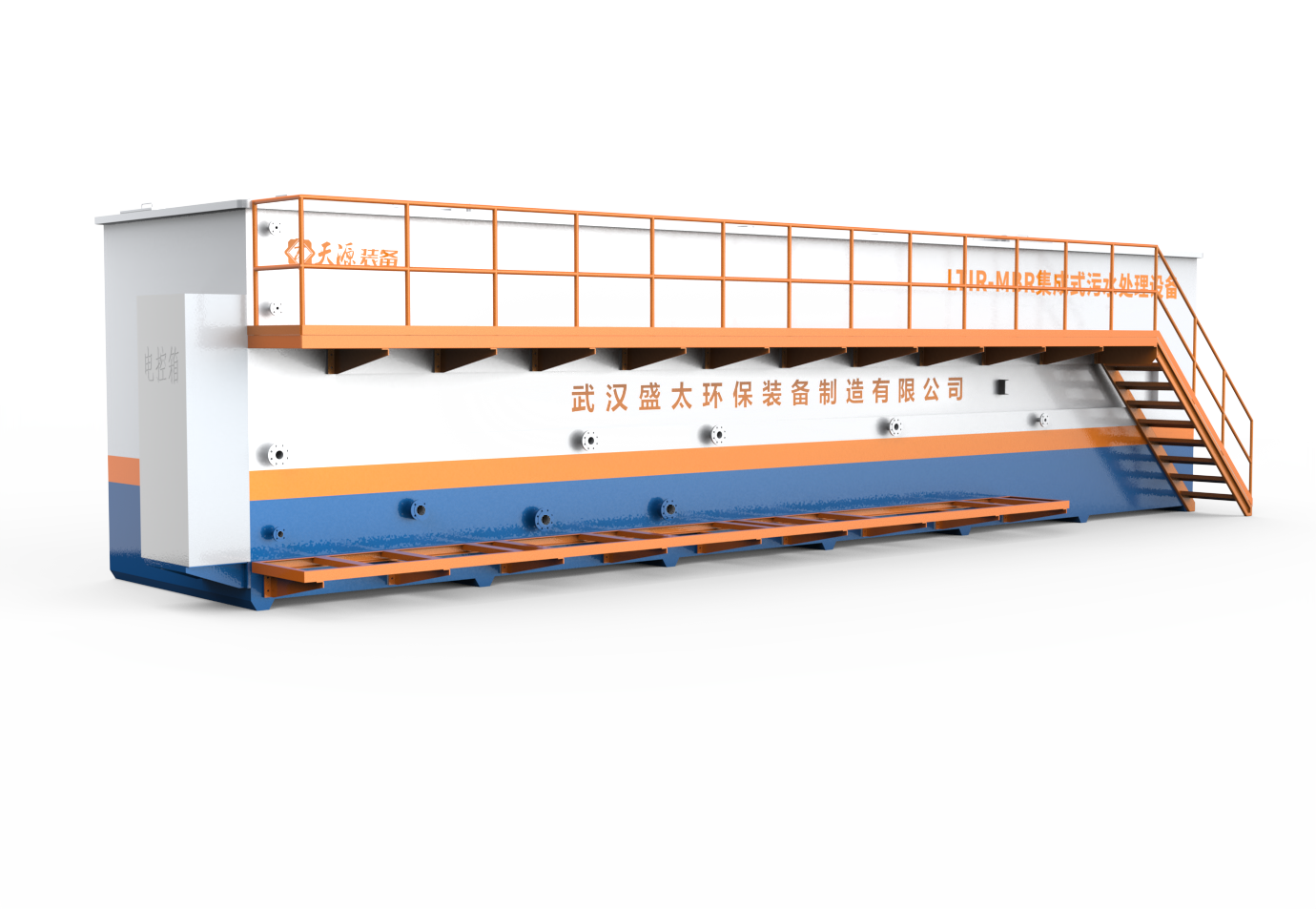

714CD Series C-Band Weather Radar
Chengdu Zhongdian Jinjiang Information Industry Co., Ltd.
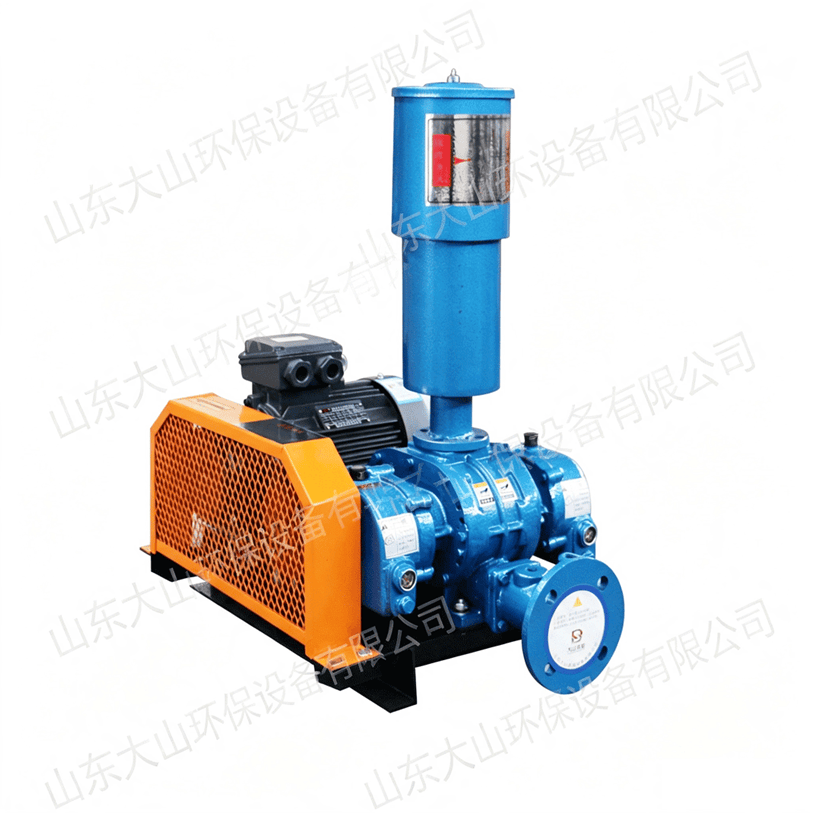
Roots Blower Aquaculture Bottom Aerator Microporous Aeration Tube Compatible Three-Lobe High Pressure Energy-Saving Oxygenation
Shandong Dashan Environmental Protection Equipment Co., Ltd.