Mongolia Plans to Reform Copper Royalty System to Advance Over 20 Stalled Projects
en.Wedoany.com Reported - Mongolia is shifting its resource strategy for the coming decades from coal to large-scale copper projects. While coal exports continue to expand, this growth model has clear shortcomings: the country is heavily dependent on China's coking coal market, and as China advances its energy structure adjustment, a long-term gradual reduction in coal imports is highly likely. According to the International Energy Agency, to achieve the global net-zero emissions target by 2050, annual global copper consumption needs to rise to 50 million tons from current levels, roughly double the present scale. The new energy industry is reshaping copper demand—electric vehicle manufacturing will require four times the current amount of copper, with an average of about 83 kilograms per vehicle; renewable energy power stations need 5 to 12 times more copper than traditional thermal power plants. Additionally, the rapid expansion of data centers is driving higher demand for energy infrastructure, further boosting copper consumption. Raw material analysis agencies predict that by 2030, the global annual copper supply gap could reach 4.7 million tons, a key basis for the market's assessment that copper prices will struggle to fall below $12,000 to $15,000 per ton in the long term.
One of the most closely watched projects is the Tsagaan Suvarga copper-molybdenum mine (Цагаан суварга), advanced by the MAK Group, located in Mandakh Soum (Мандах сум), Dornogovi Province. Currently, the mine, concentrator, and supporting infrastructure are being built in phases, with hundreds of workers already on site. According to the approved technical and economic feasibility report, the project plans to process 14.6 million tons of ore annually, producing approximately 310,000 to 320,000 tons of copper concentrate and 4,000 to 5,000 tons of molybdenum concentrate. This scale would make it Mongolia's third-largest copper production project after the Erdenet copper mine and the Oyu Tolgoi copper-gold mine. MAK Group obtained a special exploration license in 1999, followed by further exploration under the JORC Code (Joint Ore Reserves Committee Code); resource reserves were registered in Mongolia's mineral resource database in 2009; the project was listed as a strategically important mineral resource in 2007; and in 2014, the Mongolian Parliament passed a resolution, leading to the signing of an investment agreement between the government and the project developer. Once fully operational, the project is expected to create approximately 1,300 direct long-term jobs and 5,000 to 7,500 indirect jobs in the supply chain and services, contributing about $150 million annually in taxes and related revenues to national and local budgets.
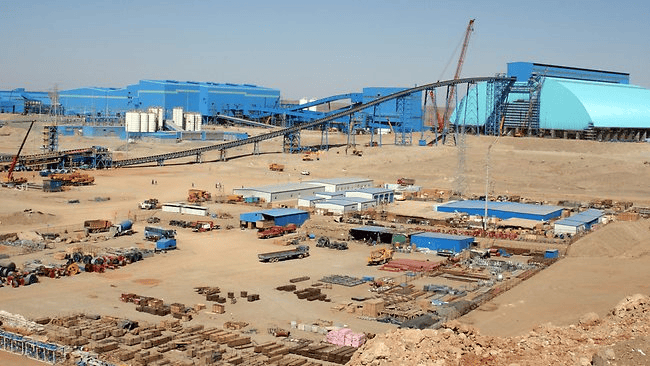
Another major project attracting international investor attention is the Kharmagtai copper-gold mine (Хармагтай), located near Tsogttsetsii Soum (Цогтцэций сум), Umnugovi Province, jointly advanced by Australian Securities Exchange-listed Xanadu Mines and China's Zijin Mining Group Co., Ltd. Zijin Mining has invested $35 million in exploration, feasibility studies, and preliminary development. Preliminary feasibility studies indicate that Kharmagtai is a large-scale mining project with low-cost advantages and long-term development value globally, with an expected mine life of at least 29 years. During the expansion phase, average annual production is expected to be 60,000 to 80,000 tons of copper and 165,000 to 170,000 ounces of gold. After deducting gold by-product credits, the cash cost of copper for the first eight years of production is estimated at just $0.70 per pound, placing it among the world's lowest-cost copper mines. Initial construction investment is estimated at $890 million, with the project currently valued at approximately $930 million. This project is seen as a key pillar for the future growth of Mongolia's copper industry.
Despite global copper prices being at high levels, the Tsagaan Suvarga, Kharmagtai, and about 20 other medium-sized copper projects have yet to enter production. Mongolia's Minister of Industry and Mineral Resources, G. Damdinnima, believes the core issue lies in the mineral resource royalty system (АМНАТ). When submitting the draft amendment to the Mineral Resources Law, he pointed out that the current progressive mineral resource royalty is too high and lacks flexibility, undermining the economic viability of large-scale mining projects and serving as a key reason why investments fail to materialize. Under current regulations, in addition to the basic 5% royalty, a progressive rate is applied based on international copper prices when they rise, potentially bringing the total royalty to 15% to 20% of sales revenue. The problem is that this fee is not deducted from net profit but is collected directly from sales revenue—regardless of whether the mine is profitable, as long as commodity prices are high, nearly one-fifth of a company's revenue must go toward this payment. Therefore, Mongolia's Ministry of Industry and Mineral Resources is pushing to reform the copper industry royalty system, aiming to lower the base rate and optimize the progressive mechanism, with the goal of unlocking over 20 stalled projects and enabling the national wealth fund to rely on long-term, stable export revenues in the future.
There are two positions within Mongolia regarding the reform plan. Supporters argue that if the royalty system aligns more with international practices and reduces the pressure of progressive rates, more than 20 copper projects could break through financing bottlenecks and accelerate construction; rather than having high tax rates prevent mines from starting, a reasonable tax system could drive industry operations, with projects generating longer-term economic returns through employment, supply chains, corporate income tax, and value-added tax after production begins. Opponents point out that global copper prices are at historic highs and the resource super-cycle continues; lowering tax rates means Mongolia voluntarily forgoes deserved resource revenues, potentially allowing international capital to acquire strategic resources at lower costs. Furthermore, project stagnation is not solely due to mining taxes—energy supply shortages in the Umnugovi region, limited industrial water access, transportation and logistics bottlenecks, and policy stability issues are also risks that large-scale mining projects must face. Adjusting tax rates alone without simultaneously addressing infrastructure issues may still leave projects in a waiting phase. Mongolia's mining sector is entering a new period of choice: the high growth driven by coal exports in the past provided a window for economic transformation; whether it can next advance copper and strategic mineral projects will determine the country's ability to seize the resource demand changes brought by the global green transition. The final answer will be revealed in the draft amendment to the Mineral Resources Law, which is set to be submitted for review by the Mongolian Parliament.
Related Products

High-temperature Equal Wall Thickness High-power Screw Drilling Tool
Orient Energy & Technologies Co., Ltd.
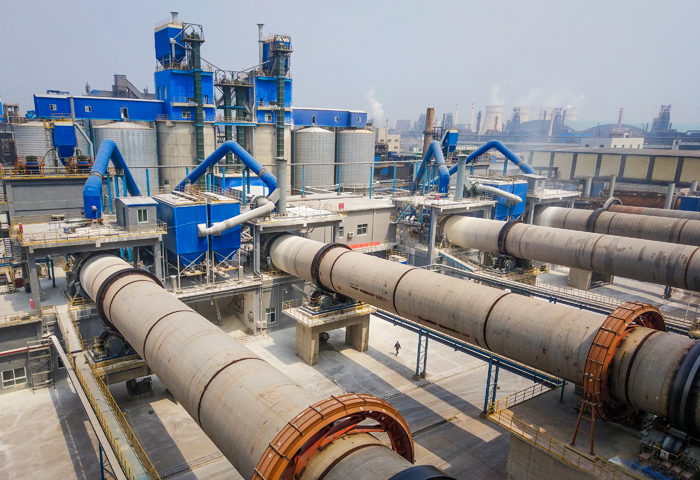
CITIC Heavy Industries Metallurgical Equipment Steel Smelting Engineering Equipment
CITIC Heavy Industries Co., Ltd.

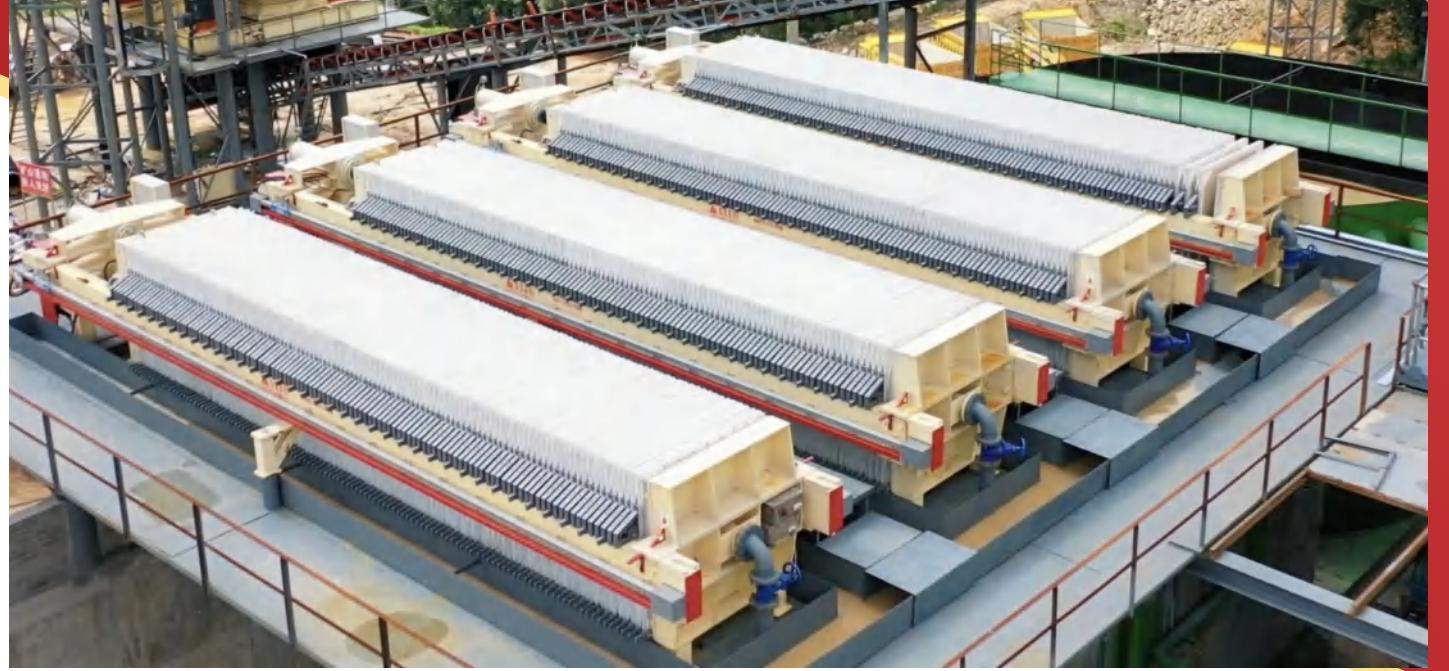
Hydraulic Plate and Frame Filter Press
Guangdong Leimeng Intelligent Equipment Group Co., Ltd.

Industrial and Commercial Point-Type Gas Detector
Jinan Benan Technology Development Co., Ltd.