Germany's DLR 2,500 Ton/Year e-Fuel Plant to Start Operation in 2027 Using G2L™ Technology
en.Wedoany.com Reported - The G2L™ process, jointly developed by Sasol and Topsoe, has been selected for the German Aerospace Center (DLR) Power-to-Liquid Fuel Technology Platform (TPP) in Leuna, which will become Europe's largest research and demonstration facility for e-fuels, with a capacity of 2,500 tons per year.
E-fuels, particularly power-to-liquid sustainable aviation fuel (SAF), are attracting widespread attention. Although production technologies already exist, large-scale deployment still faces obstacles. The core of overcoming these issues lies in the choice of production pathway. The G2L™ process combines Sasol's Fischer-Tropsch synthesis with Topsoe's electrically heated reverse water-gas shift (eREACT™), and includes light hydrocarbon recycling and product upgrading sections, showing high promise.
Producing liquid hydrocarbons from electricity and carbon dioxide is inherently energy-intensive, with electrolytic hydrogen production accounting for more than half of the total cost of e-SAF. Therefore, energy efficiency is a key indicator of economic viability. G2L™ addresses this by using eREACT, where an electrically heated reactor replaces combustion to provide the energy required for syngas production. This approach eliminates hydrogen combustion while improving both hydrogen and electricity efficiency. On a single-pass basis, G2L™ performs comparably to other SAF pathways such as methanol-to-jet fuel. When recycling integration is introduced, its advantages become more pronounced, making it the most energy- and hydrogen-efficient option, capable of producing SAF at the lowest cost without generating low-value heavy products.
A notable feature of G2L™ is the ease of recycling light hydrocarbons such as naphtha back into the process. In standard single-pass systems, these by-products are separated and sold, reducing kerosene yield. With G2L™, light off-gases are reintegrated with fresh carbon dioxide and hydrogen inputs, converting them into additional jet fuel. This recycling increases kerosene yield to 100% of product output while maintaining carbon efficiency above 95%. It also reduces hydrogen and electricity demand; naphtha recycling alone cuts electricity consumption by approximately 15% compared to single-pass operation. In areas where electrolyzer costs and electricity prices dominate economics, these savings are significant.
The G2L™ concept further improves efficiency through high-temperature electrolysis integration. Fischer-Tropsch synthesis is highly exothermic, producing steam suitable for solid oxide electrolysis cell (SOEC) temperatures. By feeding waste heat into the electrolyzer, the system reduces the external electricity required for hydrogen production. When SOEC integration is combined with naphtha recycling, electricity demand can be reduced by up to one-third compared to conventional alkaline electrolysis. This integration transforms inevitable process waste heat into a valuable resource, representing a practical approach that combines thermodynamics with cost reduction.
The selection of G2L™ for DLR's TPP platform highlights its potential as a next-generation e-fuel pathway. The TPP is funded by the German Federal Ministry of Transport with €130 million, covering the entire value chain from RED II-H2 and carbon dioxide to certified e-SAF. The core objective of the platform is to de-risk PtL pathways, support industrial scaling, and gather application experience. The demonstration plant is currently under construction and is scheduled to begin operations in the fourth quarter of 2027. This year, Sasol and Topsoe signed cooperation agreements with DLR and Griesemann Gruppe to support the plant's construction, operation, and R&D activities. This progress builds on the selection of Topsoe and Sasol in 2024 to provide G2L™ e-fuel technology for the TPP.
Related Products


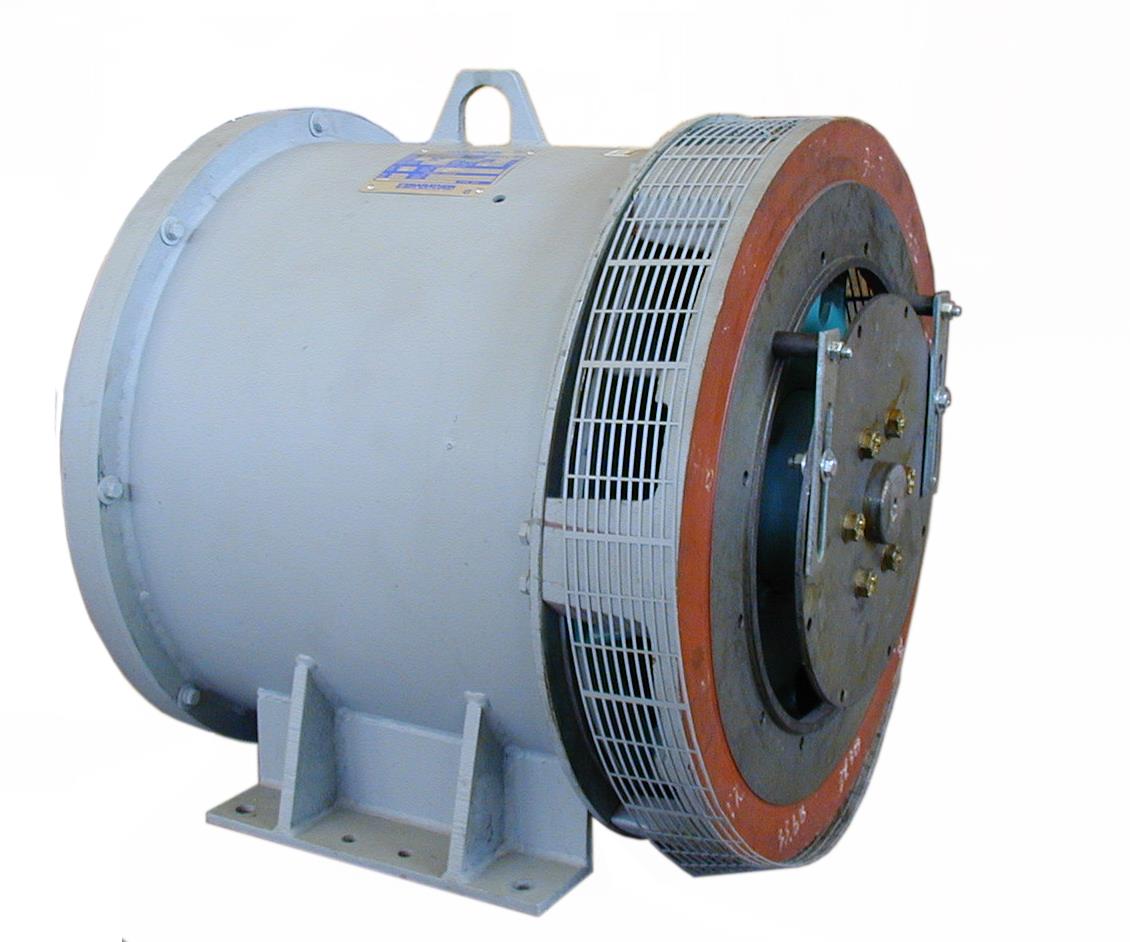
Hydraulic Turbine Genset
Dongfang Electric Corporation Dongfang Electric Machinery Co., Ltd.
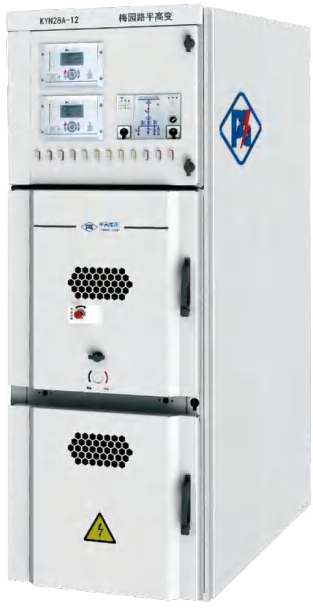
KYN28A-12 Metal Armored Removable Switchgear
Tianjin Ping Gao Intelligent Electric Co., Ltd.
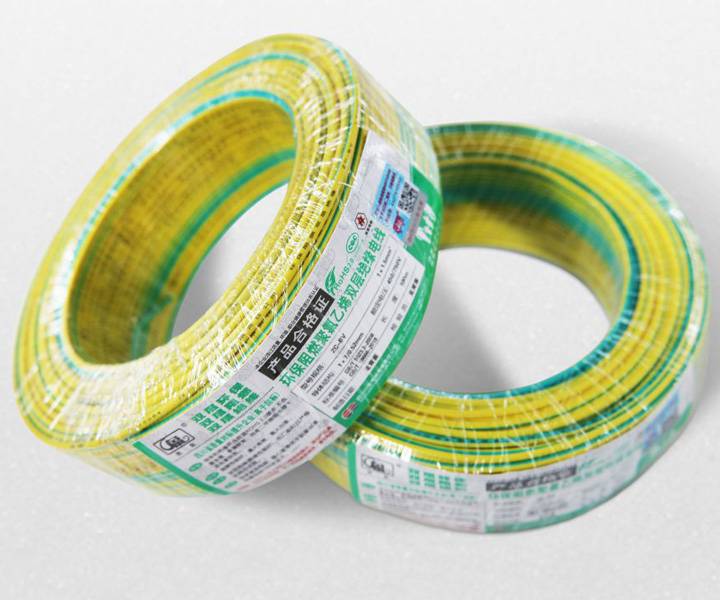
Environmentally Friendly Flame-retardant PVC Double-layer Insulated Wire
Sichuan Chndo Cable Co., Ltd.
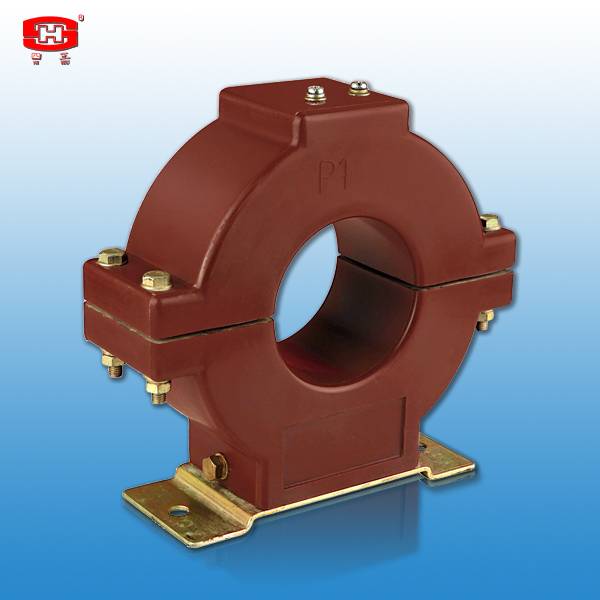
0.66kV Power Supply Instrument Transformer
Guangdong Sihui Instrument Transformer Works Co., Ltd.