UK's Adura says Jackdaw gas field average emission intensity 16.6 kg CO2/barrel in first six years
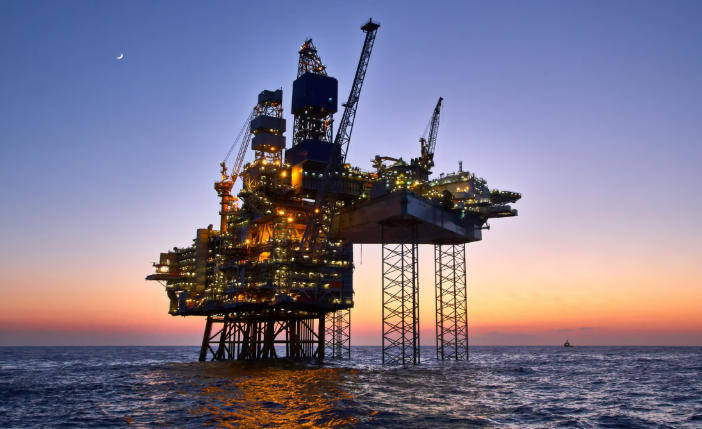
en.Wedoany.com Reported - North Sea oil and gas operator Adura has insisted that its closely watched Jackdaw gas field development plan is "fully aligned" with measures to achieve net zero emissions. In its latest regulatory filing, the company reiterated that the hydrocarbons produced from the field would not have a significant impact on global greenhouse gas reduction efforts after combustion.
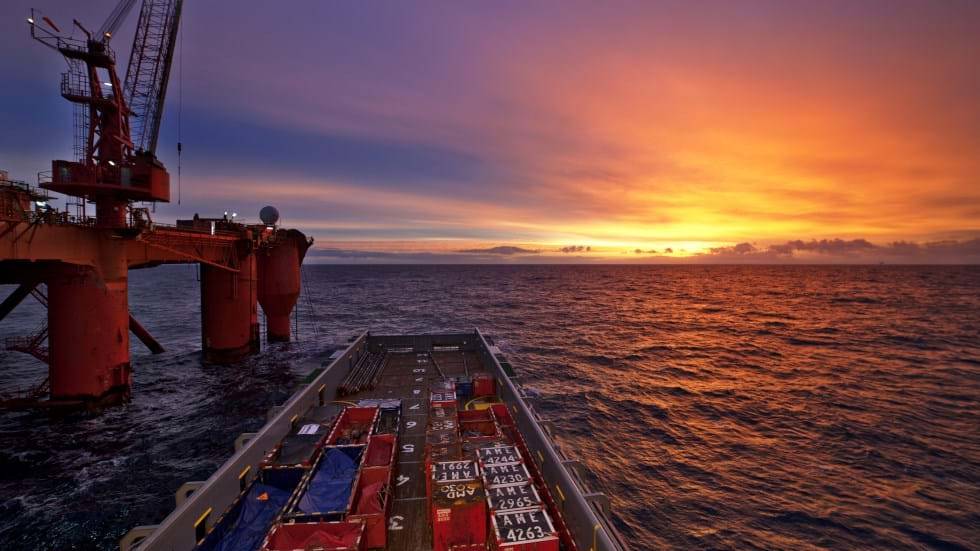
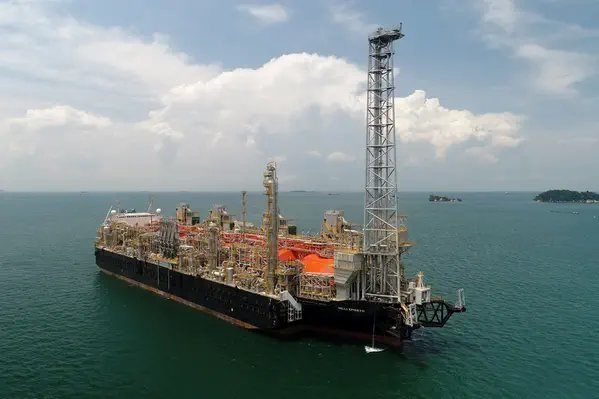
The document is a response to the Offshore Petroleum Regulator for Environment and Decommissioning (OPRED), which had requested answers to 20 specific issues raised in the initial environmental statement. Questions remain regarding the expected emission intensity of gas production from the Jackdaw field. In a preliminary assessment submitted in 2022 by Shell, the original developer before Adura was established, it was stated that output from the field would be tied back to the Shearwater platform and reduce the overall emission intensity of that platform. Shell estimated at the time that the emission intensity of Shearwater operations, including Jackdaw production, was 31 kg CO2 equivalent per barrel of oil equivalent, higher than the 2024 UK Continental Shelf (UKCS) average of 25 kg CO2 equivalent per barrel of oil equivalent.
OPRED asked Adura to confirm whether it expected Shearwater's emission intensity to remain above the UKCS average. In its response, Adura said it expected Shearwater's emission intensity to be "relatively lower than the basin benchmark" and described the 2022 estimate as "conservative." However, the company did not provide an emission intensity figure for the field's entire expected 11-year lifespan, instead offering an estimated average intensity of 16.6 kg CO2 equivalent per barrel of oil equivalent for the first six years of operations. As production declines, emission intensity may increase, meaning this figure could be significantly lower than the actual intensity over the field's full lifespan.
Like Adura's larger Rosebank project west of the Shetland Islands, the Jackdaw field has come under intense scrutiny after a court ruling last year deemed the approvals for both projects unlawful for failing to consider the end-use emissions of their hydrocarbon products. Adura insists it has no intention of delaying either project, with final approval to be decided by the UK Energy Secretary. On the day the latest document was submitted, Adura CEO Neil McCulloch told the BBC that the Jackdaw field would be ready to produce gas by October 1, 2026. Total emissions from the Jackdaw field over its lifecycle, including end-use combustion, could reach 35.8 million tonnes of CO2 equivalent. The developer argues this figure is not significant on a global scale, representing less than 2% of the UK's carbon budget.
Unlike the Rosebank project, most of the hydrocarbons produced from Jackdaw are likely to be consumed domestically in the UK. McCulloch said the project is "critical" to UK energy supply, with Adura claiming the development "could result in fewer emissions than taking no action and importing LNG instead." Doug Parr, chief scientist at Greenpeace UK, said approving the Jackdaw field would be "reckless and indefensible." Tessa Khan, executive director of Uplift, criticized: "If the UK government approves new oil and gas fields, it will be a massive betrayal of the British public."
Adura also confirmed that 273 existing jobs on the Shearwater platform would be safeguarded during Jackdaw production, with an additional 27 new jobs created. Unite the union supports the approval of both the Jackdaw and Rosebank projects. Shell previously stated that the Jackdaw field "could provide a platform for upskilling and reskilling the future workforce." However, when asked by OPRED to provide specific details on worker training and upskilling at Jackdaw, as well as the transition to green technologies in the North Sea, Adura did not provide any details. Adura has been contacted for comment.
Related Products

Perfluorinated Ionic Membrane-CM-10N Series Membrane
Guizhou Juneng Century Technology Co., Ltd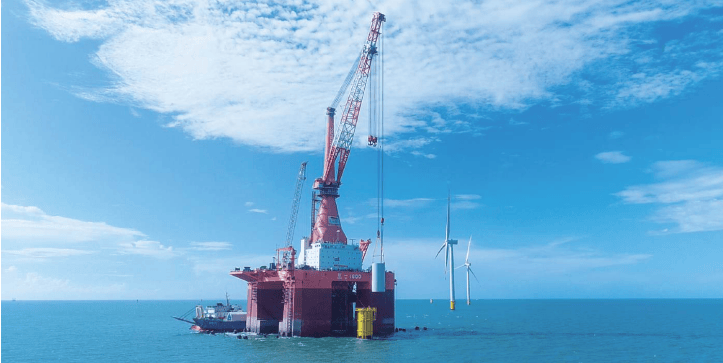
"Shunyi 1600" Deep-submerging Bottom-sitting Multi-functional Wind Power Engineering Vessel
Zhengli Offshore Engineering Co., Ltd.
NISELA Series Environmentally Friendly Gas-Insulated Ring Main Unit
XJ DELISHIER ELECTRIC CO., LTD.
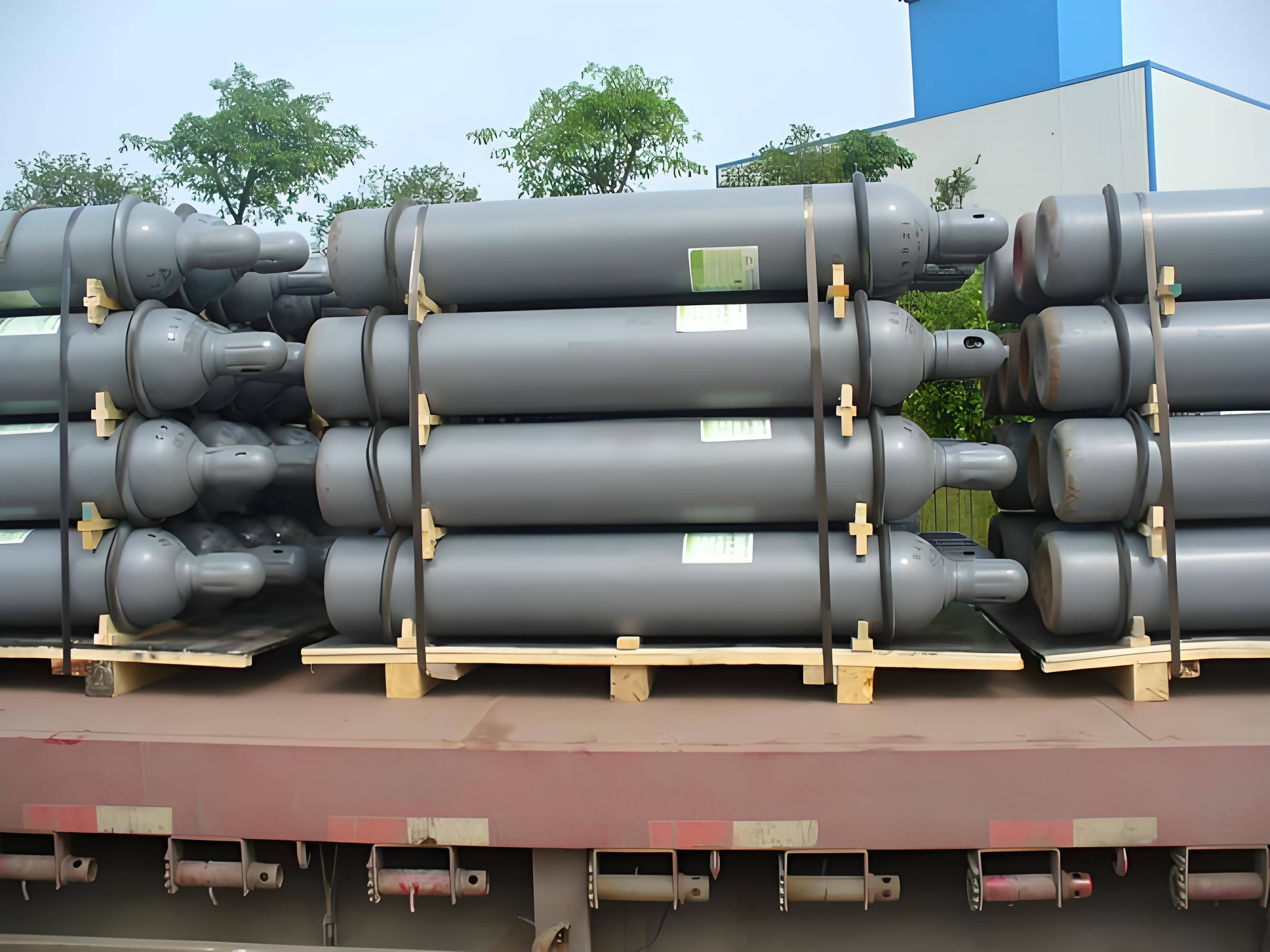
Global Sulfur Hexafluoride Gas Supply and Cylinder Export
Foshan Yuexin Industrial Gas Co., Ltd.