Brazil Hydropower Plant Physical Guarantee Revision Expected to Launch in 2027
en.Wedoany.com Reported - The regular revision of the physical guarantee for Brazil's hydropower plants is expected to begin in 2027, taking effect from January 2028, with discussions gaining increasing importance in the power sector. The physical guarantee serves as a key certificate of a hydropower plant's generation capacity, and regular revisions will be conducted every five years to reassess the maximum amount of electricity the plant can trade, directly impacting the revenue expectations, business planning, and market strategies of power generation companies. Between revisions, factors such as risk aversion parameters, updates to project characteristics, special operating rules, and changes in system configuration influence the final value of the physical guarantee.
This mechanism aims to update the calculation methodology to reflect the commissioning of new plants and changes in hydrological and operating conditions. As a certificate of a project's generation capacity, the definition model for the physical guarantee follows standards set by the Ministry of Mines and Energy (Ministério de Minas e Energia) and is implemented through a computer program developed by the Electric Energy Research Center (Cepel, Centro de Pesquisas de Energia Elétrica). Plants use this value to participate in power auctions, sign electricity sales contracts, and formulate revenue forecasts. In addition to regular revisions, extraordinary revisions may be requested when significant changes occur at a plant that alter its generation performance.
Cepel researcher Fábio Batista noted that the physical guarantee is a process equivalent to a trading guarantee, where a plant's actual generation may temporarily exceed its forecast, but there is an upper limit on the amount of electricity committed for delivery. As new assets come online and existing assets change, the power system configuration continues to evolve. Cepel's consulting division provides technical support to companies, ranging from business strategy adjustments to contract reassessments and financial forecasts. It is expected that in the coming months, power generation companies will intensify internal studies to understand the impacts of methodological changes, operational assumptions, and system configuration adjustments on their projects. Conducting technical analysis in advance allows companies to take a proactive stance in public consultations and regulatory debates. Cepel possesses deep expertise in energy modeling, operational planning, and scenario assessment, and although it does not directly participate in the formulation of official values, it plays a significant role in the industry's technical analysis.
Related Products

Forest and Grassland Heat Source Infrared Monitor
China Huayun Meteorological Technology Group Co., Ltd.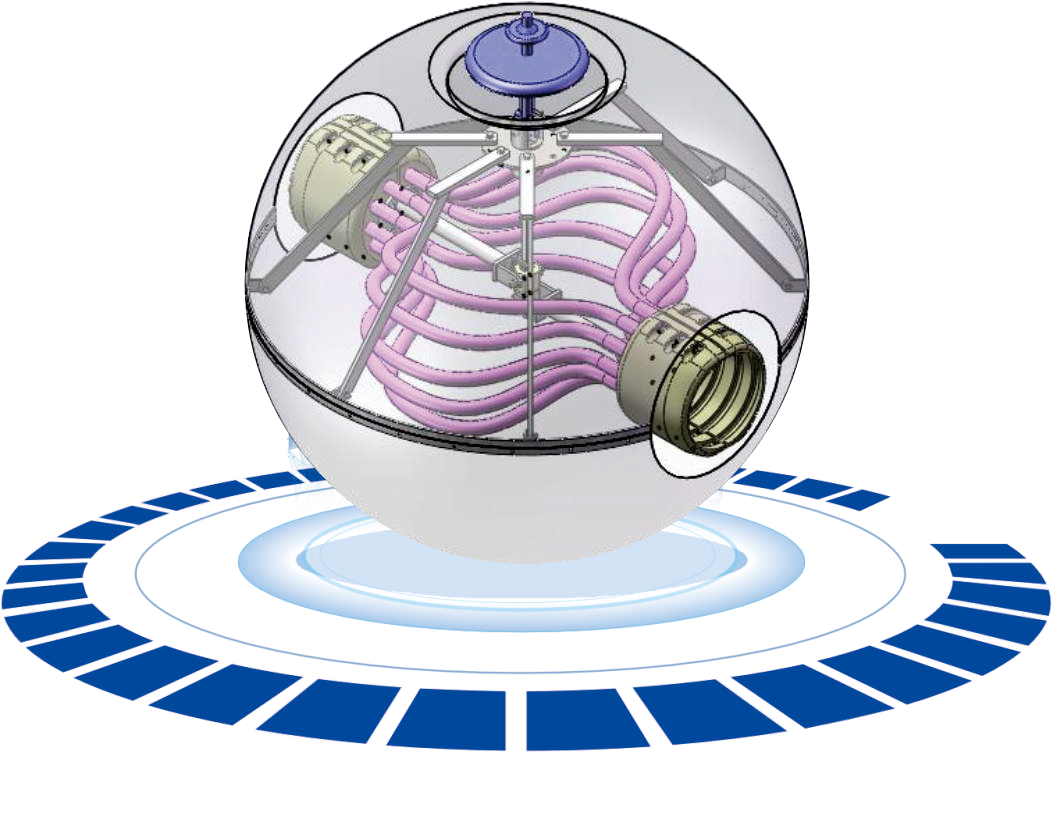
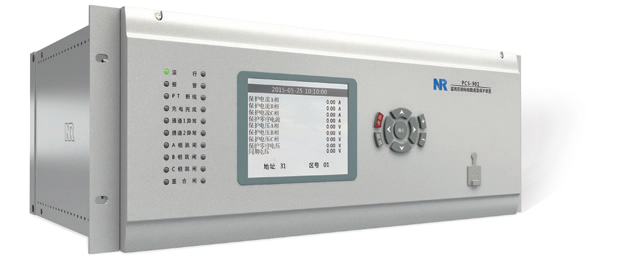
PCS-901 Series Ultra (Extra) High-voltage Transmission Line Complete Protection Device
Nanjing NR Electric Co., Ltd.
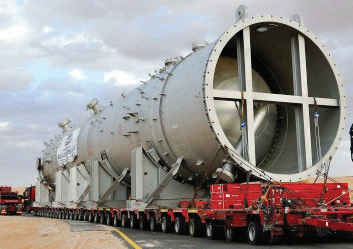
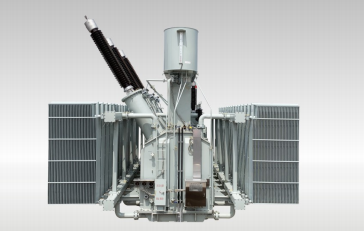
220kV and Below Voltage Level Energy-saving Oil-immersed Power Transformers
FuZhou TianYu Electric Co., Ltd.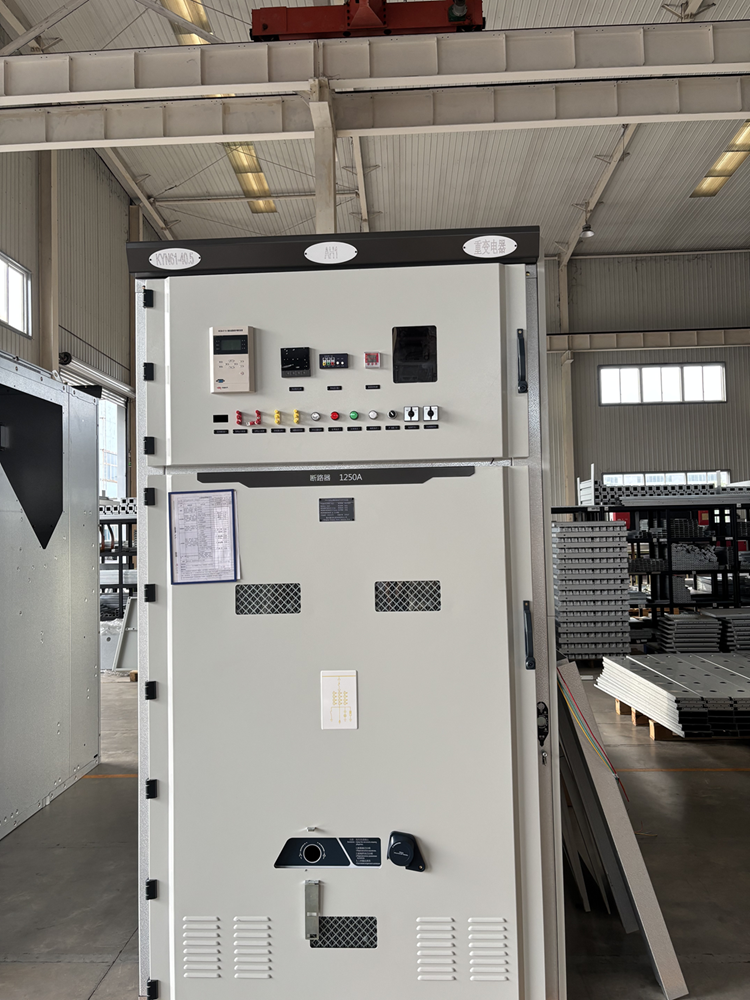
KYN61-40.5 Indoor AC Metal-clad Removable Switchgear
Chongqing Transformer Co., Ltd.
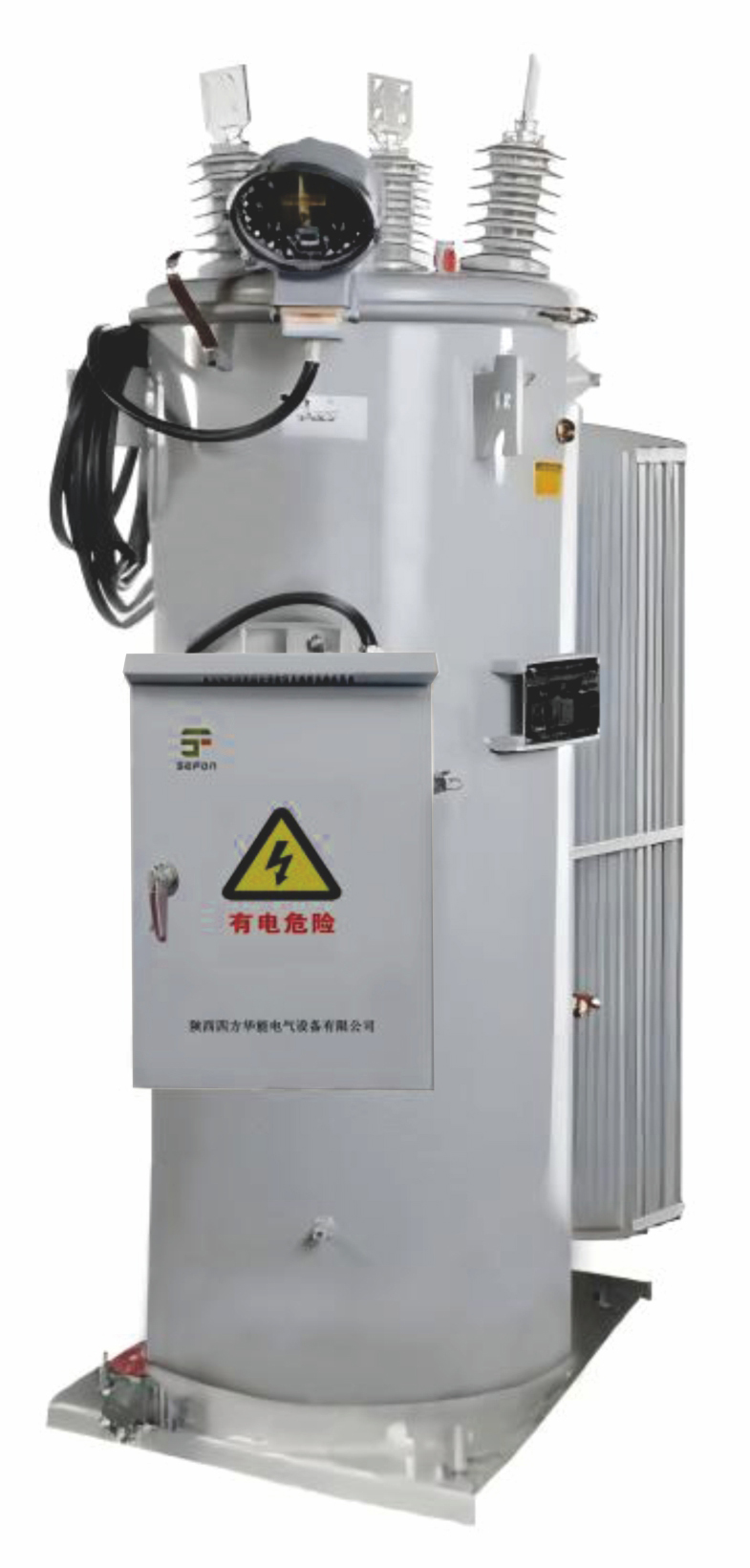
Single-Phase Automatic Voltage Regulator(AVR)
Shaanxi Sefon Electrical Equipment Co.,Ltd.