Rostock Overseas Port Sets New Record with 15.9 Million Tons of Cargo in First Half of 2026
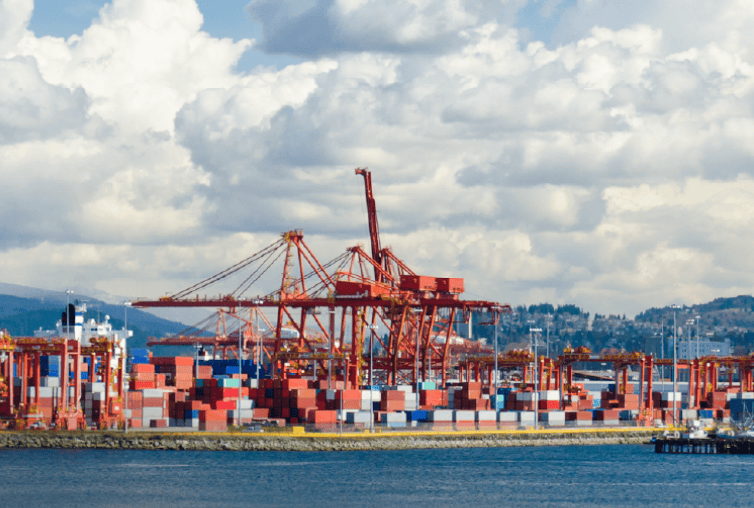
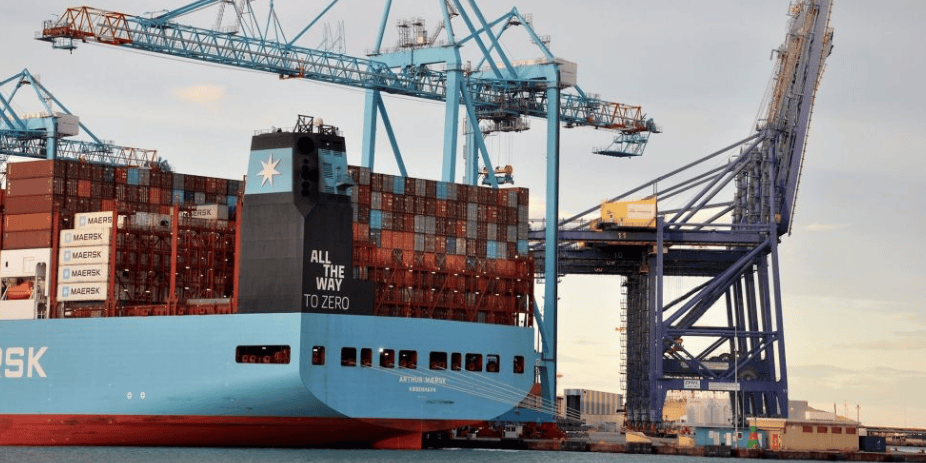
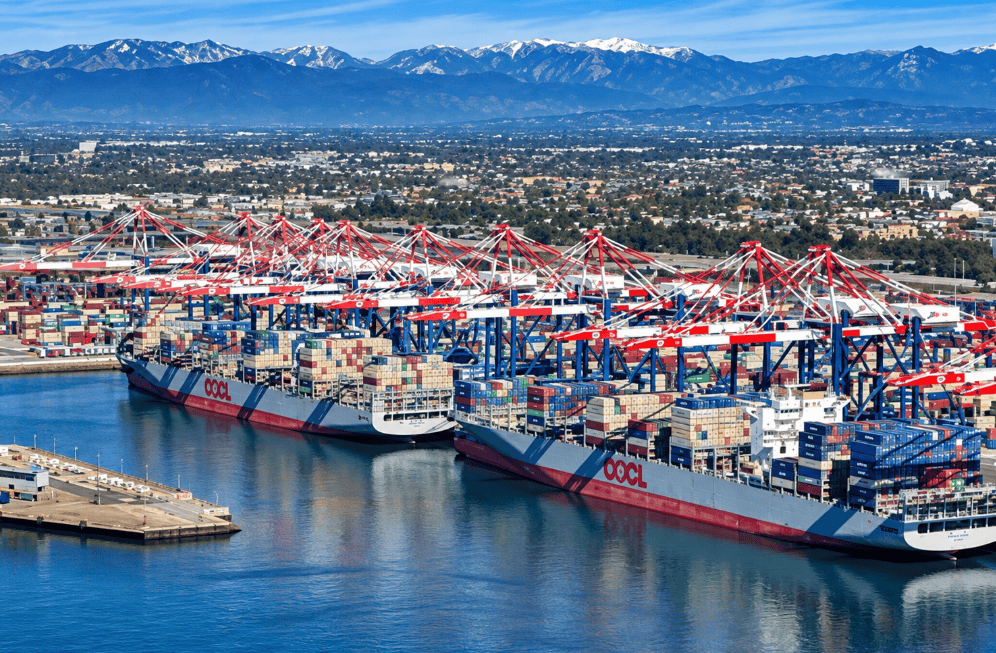
en.Wedoany.com Reported - In the first half of 2026, the Rostock Overseas Port handled a total of approximately 15.9 million tons of cargo, setting a new historical high for the port's performance in the same period, with a year-on-year increase of 1.2%.
The port authority noted that this marks a continuation of the port's sustained growth trend over many years.
Among the total throughput, ro-ro cargo transported by ferries and roll-on/roll-off vessels accounted for the largest share, exceeding half of the total. Compared to the same period last year, this segment achieved further growth, highlighting Rostock's importance as a hub for ferry and trailer transport in the Baltic Sea region.
The growth in liquid cargo throughput was relatively weak, with a slight decline compared to the same period last year. Crude oil transport still held the largest share, particularly crucial for supplying the Schwedt refinery.
In addition to the overseas port, other port areas in Rostock, including the cargo port, fishing port, and specialized industrial and chemical ports, also showed positive trends, achieving additional throughput growth.
Thus, Rostock has solidified its position as one of the most important general-purpose ports on the German Baltic coast.
This development reflects the importance of efficient port locations for the German economy. A significant portion of Germany's foreign trade is conducted through seaports, which play a central role in import and export chains.
Particularly, ports with strong connections to road, rail, and ferry networks are becoming increasingly important for international supply chains.
Although not all transport indicators showed growth, the results still indicate that modern logistics processes and larger transport units help boost throughput. Therefore, for port operators, efficiency, digitalization, and robust hinterland connections are increasingly becoming core development priorities.
Related Products
![IVECO Cash-in-Transit [DMT5048XYCL3-AM] - Chongqing Dima Industry Co., Ltd](https://img.wedoany.com/2026/0911/20260911030157582.png)


China - Alashankou/Khorgos - Europe Full Range Transportation (Mala/Hamburg/Duisburg/Budapest, etc.)
Shenzhen Neptune Logistics Co., Ltd.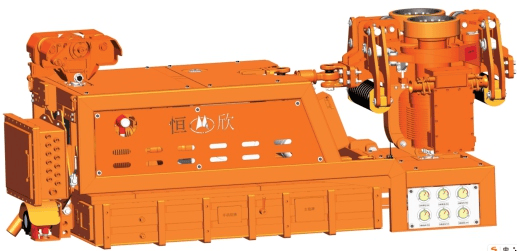
Explosion-proof lithium battery dispatching monorail crane locomotive (permanent magnet frequency conversion integrated machine)
Xiangtan Hengxin Industrial Co., Ltd.

Wheel and Track Technology Business
Beijing Research & Design Institute of Rubber Industry Co., Ltd.