JetBlue Airways exits Manchester Airport on July 8
en.Wedoany.com Reported - JetBlue Airways operated its final flight from Manchester-Boston Regional Airport (MHT) on July 8, officially ending an 18-month service that began in January 2025. Flight B61143 departed at 4:40 p.m., following the airline's announcement in mid-May to exit the small airport.
With JetBlue's departure, Breeze Airways and Southwest Airlines remain the only low-cost carriers for travelers in the region. Airport Director Tom Malafronte expressed disappointment over the recent termination of service by Spirit Airlines as well. Spirit's recent bankruptcy led to the liquidation of its fleet and route network, causing adjustments in services and destinations across nearly all U.S. airlines.
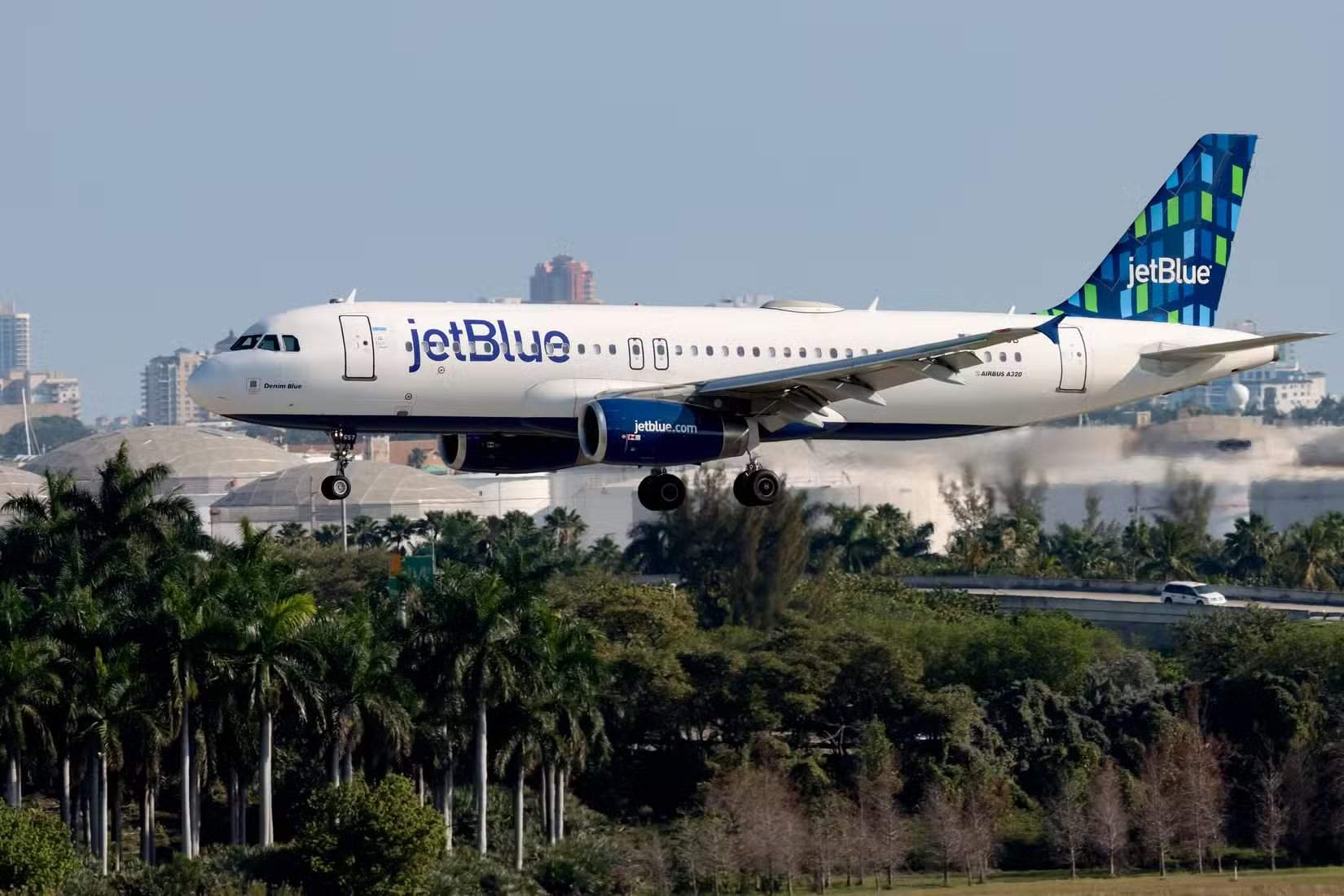
When JetBlue entered Manchester Regional Airport, it was a significant milestone for the small airport, representing decades of effort by management and local leaders. Malafronte explained that JetBlue redeployed the aircraft and crew originally serving MHT to Fort Lauderdale-Hollywood International Airport (FLL) in Florida, where a gate became available after Spirit's exit. FLL is a key focus city in JetBlue's network, and the airline was unwilling to forgo the opportunity to capture a larger market share. JetBlue's route from MHT to Orlando International Airport (MCO) in Florida had stable demand, with an average load factor of approximately 82%.
Although passenger numbers were not exceptionally high, other airlines at MHT have expressed interest in taking over some of the passengers previously served by JetBlue. JetBlue also offered seasonal flights to FLL and Southwest Florida International Airport (RSW) during peak capacity periods, covering three destinations in Florida. Malafronte described the exit as "unfortunate," but the airport understands the airline's decision.
"Unfortunately, their financial situation did not allow the MHT market enough time to mature, but we understand their urgent need to increase market share in focus cities."
Julianne Woodring, a passenger from Manchester who had flown JetBlue from MHT, also expressed regret over the news.
"I'm very disappointed. I really hoped I could still use it. It was so convenient."
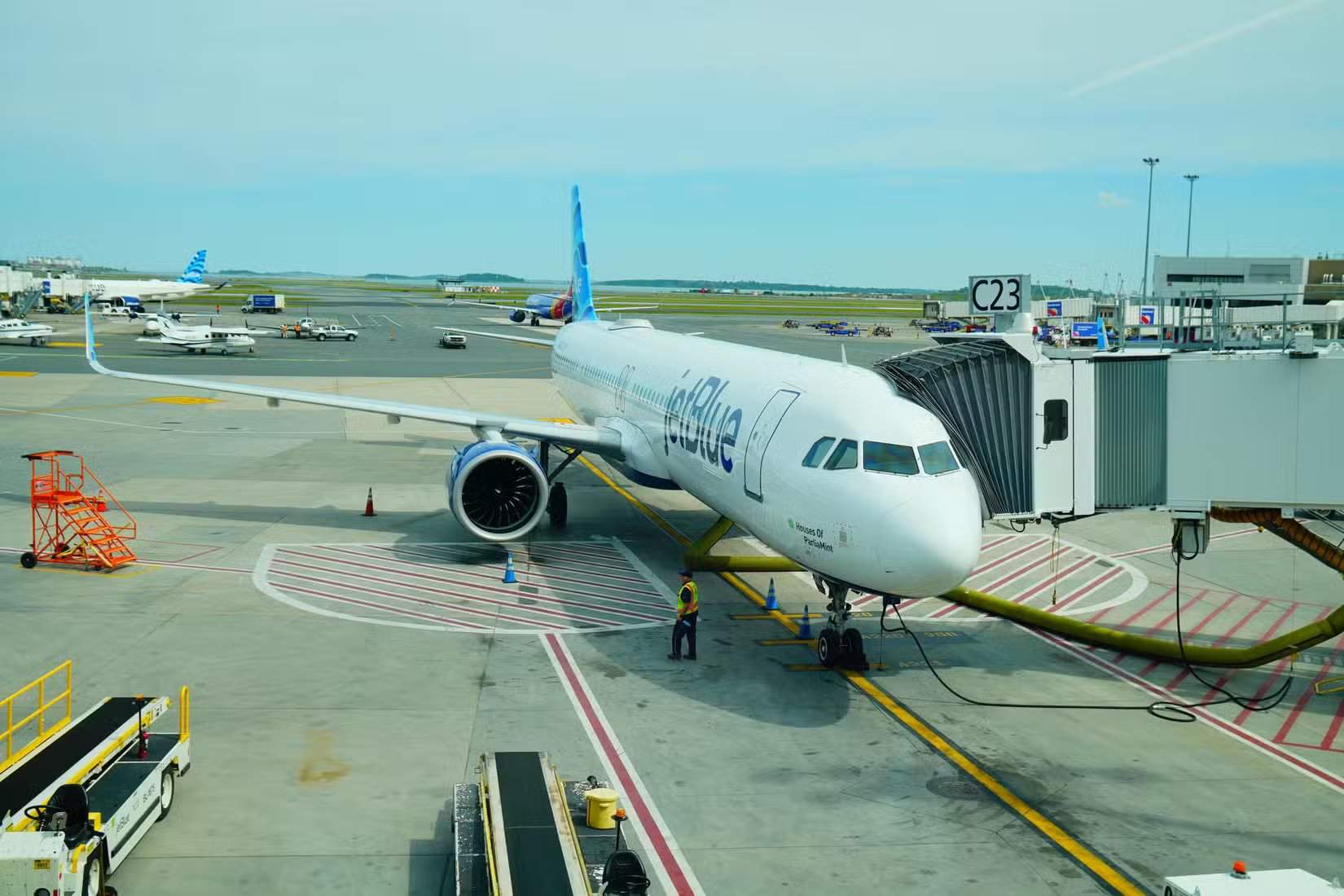
With the end of flights in Manchester, the nearest alternative for many travelers in the region who appreciated JetBlue's service at the small airport is Boston Logan International Airport (BOS). Many local passengers expressed deep disappointment, as MHT's alternative had allowed them to avoid the extra traffic and congestion associated with departing from the large BOS hub. Some customers indicated they would seek other low-cost carriers from Burlington, Vermont, rather than traveling the long distance to BOS. The overall decline in airport traffic is a side effect of the airline's exit, and MHT management had worked for nearly a quarter of a century to attract JetBlue. When JetBlue entered, the airport actively supported it with incentives, a substantial marketing budget, and extensive promotional efforts.
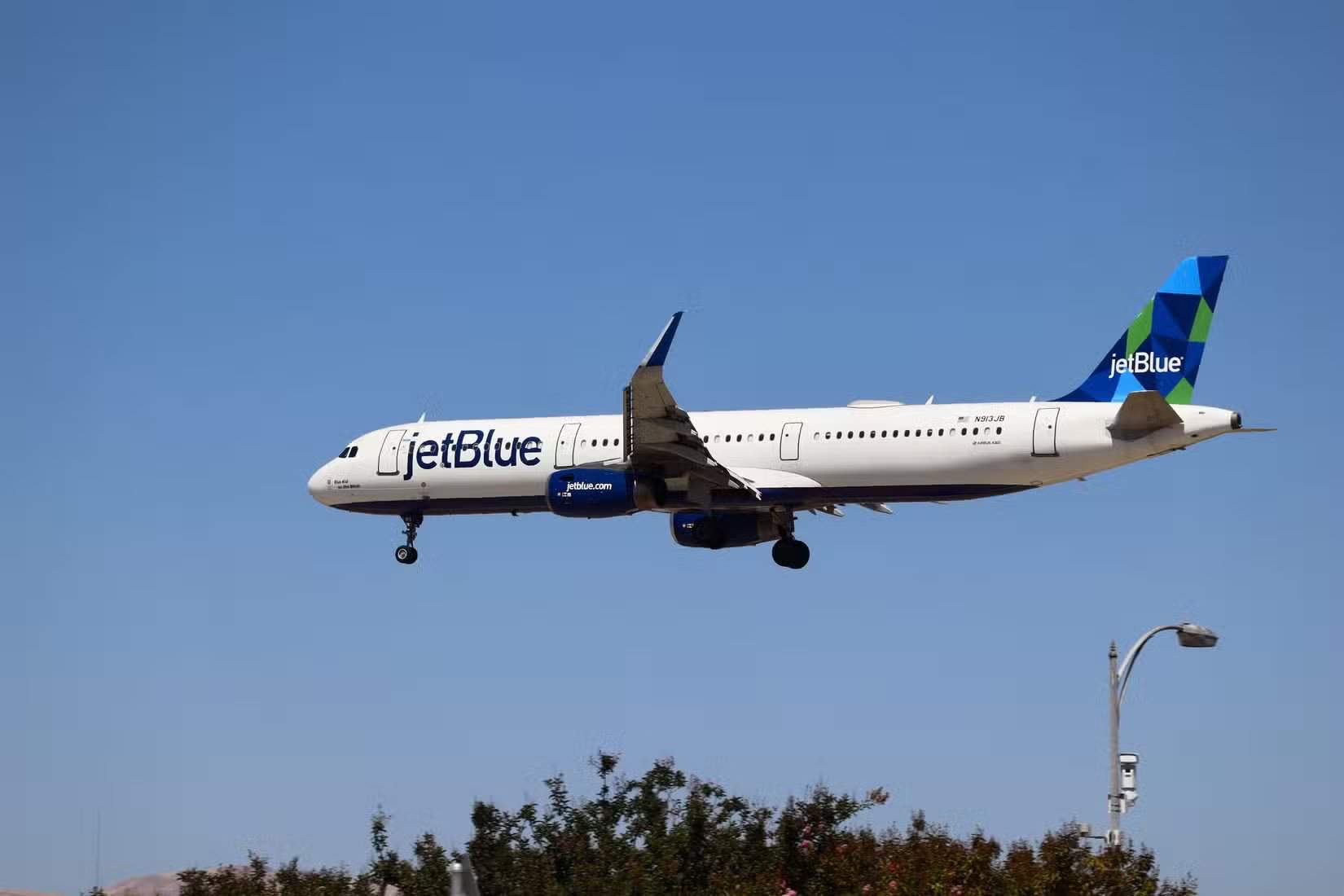
The formal liquidation of Spirit Airlines marked a significant turning point for U.S. air travel this year, with "Operation Epic Fury" and the situation in Iran causing a sharp rise in aviation fuel prices, creating ripple effects. Although the disappearance of low-cost carriers created market opportunities, the higher operating costs driven by fuel prices suppressed airlines' willingness to fill the gaps. JetBlue leadership cited industry-wide aircraft availability shortages and operational constraints, describing the Manchester exit as a necessary but difficult decision. The airline's previous attempt to merge with Spirit in 2024 was blocked by the federal government. Low-cost carriers like JetBlue are far more sensitive to volatility than the "Big Three" legacy airlines—United Airlines, American Airlines, and Delta Air Lines.
Related Products

XC-6000e Type Aviation Catering Truck (Fuel Type)
Shenzhen CIMC-TianDa Airport Support Ltd.

ERW Welded Pipe (Black Pipe and Hot-dip Galvanized Steel Pipe)
Handan Zhengda Steel Pipe Co., Ltd.
![IVECO Cash-in-Transit [DMT5048XYCL3-AM] - Chongqing Dima Industry Co., Ltd](https://img.wedoany.com/2026/0911/20260911030157582.png)


Pantograph-Catenary Comprehensive Detection Device (1C)
CHENGDU TANGYUAN ELECTRIC CO., LTD.