Tokyo Metropolitan University Research Team Controls Inkjet Droplet Drying with Ultrafine Bubbles
en.Wedoany.com Reported - A research team from Tokyo Metropolitan University has introduced ultrafine bubbles into inkjet printing droplets, enabling control over droplet drying behavior without the use of additives.
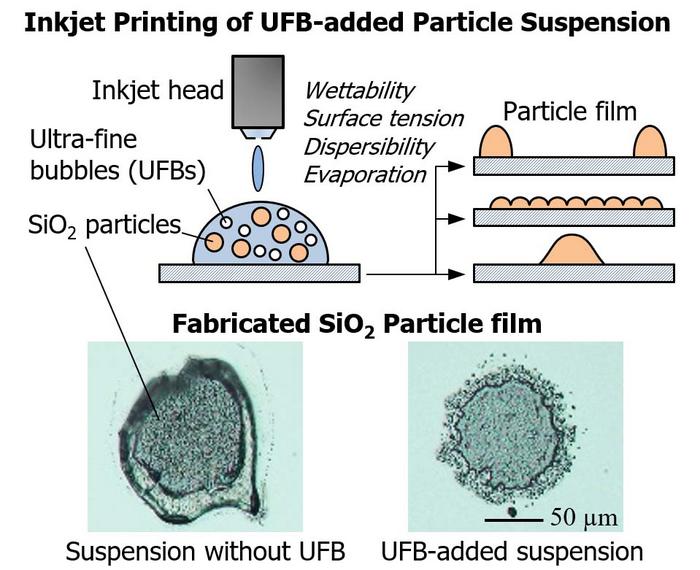
Inkjet printing is a key technology for cutting-edge applications beyond modern print media, such as microelectronics and microelectromechanical systems, requiring the deposition of coatings and circuits on surfaces with micron-level precision to form complex patterns. During natural drying, submicron particles in droplets often form complex or even undesirable patterns, such as the "coffee ring" effect, where solid deposits primarily accumulate at the droplet edge. To achieve uniform coatings, chemicals that alter surface tension are typically mixed in, but these compounds remain in the film, changing the properties of the deposited particles.
The team, led by Professor Arata Kaneko, adopted a new approach, replacing surfactants or chemically modified particles with nanoscale ultrafine bubbles dispersed in the liquid to alter droplet properties. In demonstration experiments, the team dispersed silica nanoparticles in water, treated them with an ultrafine bubble generator, and deposited 1-nanoliter droplets onto a silicon substrate via an inkjet nozzle, followed by natural drying. Results showed that the suspension without bubbles exhibited a strong coffee ring effect; droplets with bubbles showed gradually changing effects, with a small number of bubbles yielding more uniform coatings, while more bubbles caused particles to accumulate at the droplet center. The bubbles did not alter the properties of the nanoparticles themselves but changed the surface tension of the suspension and its wettability on the surface.
Critically, the bubbles leave no deposits after the droplet dries. This is extremely important for preserving the original characteristics of nanoparticles; for example, graphene or molybdenum dioxide particles used in gas sensors have conductivity that changes with gas adsorption, and sensitivity is strongly influenced by the shape of the deposit; conductive nanoparticles in circuits also require a clean surface. This technology represents a significant advancement for inkjet printing of microdevices.
This work was supported by JSPS KAKENHI Grant Numbers JP22H01377 and JP25K01136, and JKA Promotion Fund Grant Number 2024M-394.
Related Products


Industrial and Commercial Point-Type Gas Detector
Jinan Benan Technology Development Co., Ltd.
Standard Nozzle Flowmeter
Jinggong Automatic Control Instrument Complete Technology Development Company
CLX Series Intelligent Hydraulic Gyratory Crusher
Guangdong CHUANGLI intelligent machinery Equipment Co., LTD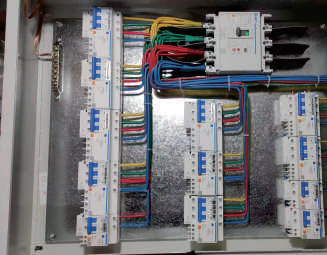
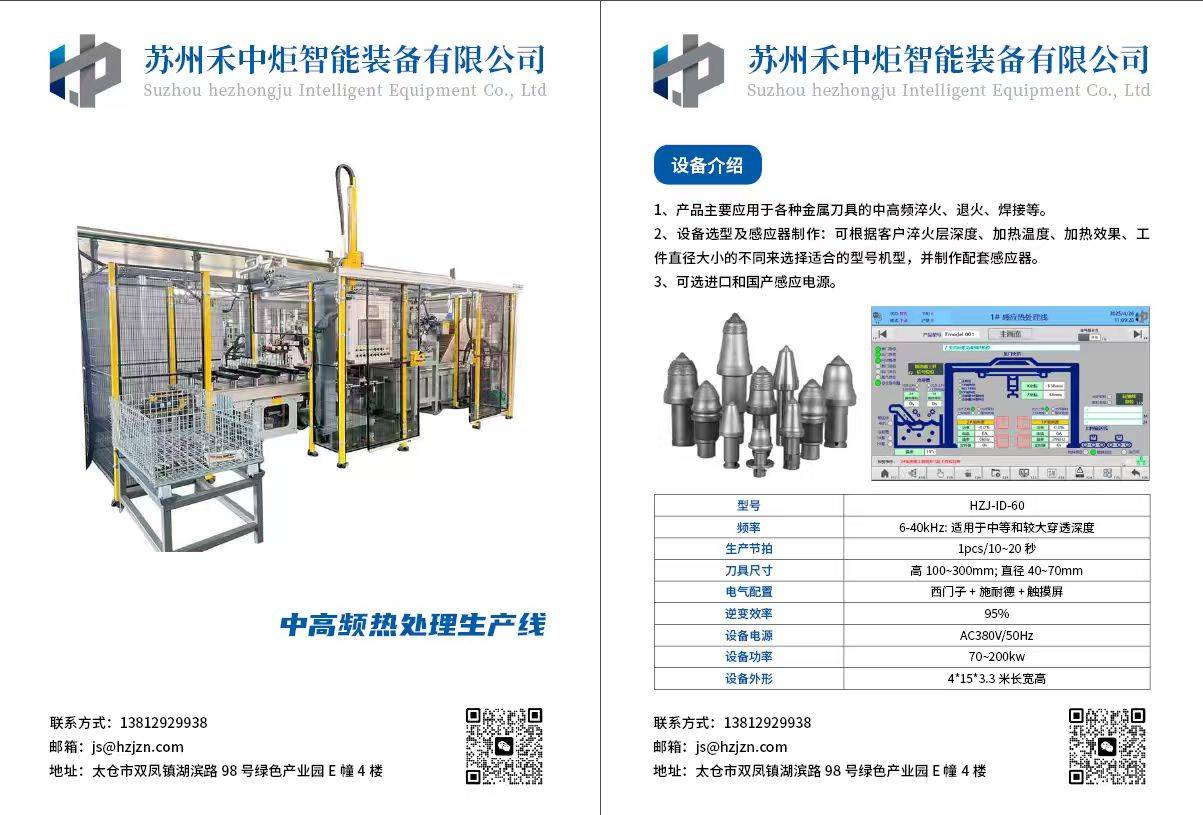
Excavator Bucket Teeth Heat Treatment Production Line
Suzhou Hezhongju Intelligent Equipment Co., Ltd.
Pneumatic high-pressure wear-resistant ball valve
Zhejiang Deca Control Valve Meter Co., Ltd.
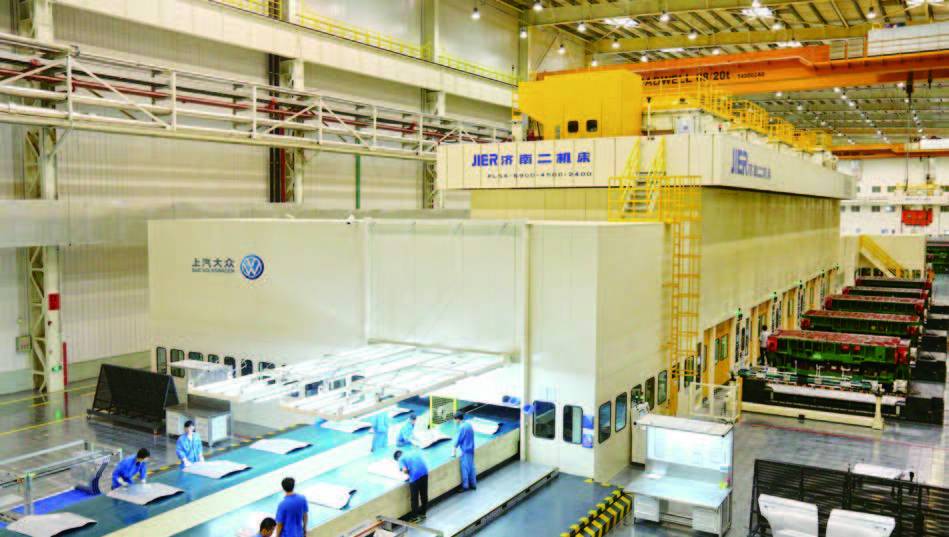
High-Speed Flexible Fully Automatic Stamping Production Line
JIER Machine-Tool Group Co., Ltd.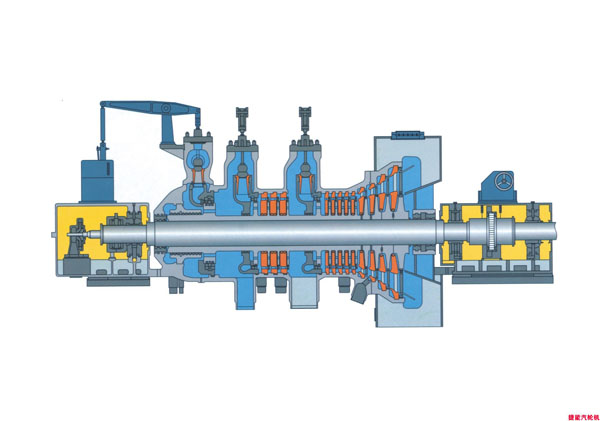
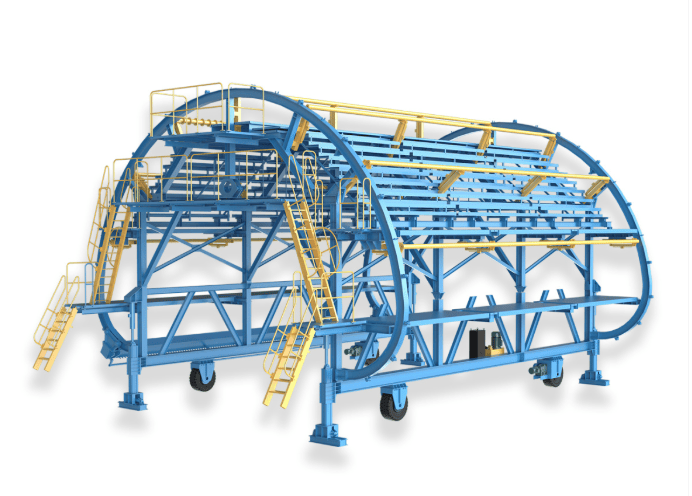
QLZNGJ Intelligent Steel Reinforcement Trolley
Luoyang China Railway Qiangli Machinery Co., Ltd.
CAP1400 main feedwater flow nozzle flowmeter.
Jiangsu Hongda Instrument Technology Co., LTD.