Tesla Delivers 480,000 EVs in Q2, Setting Best Second-Quarter Record
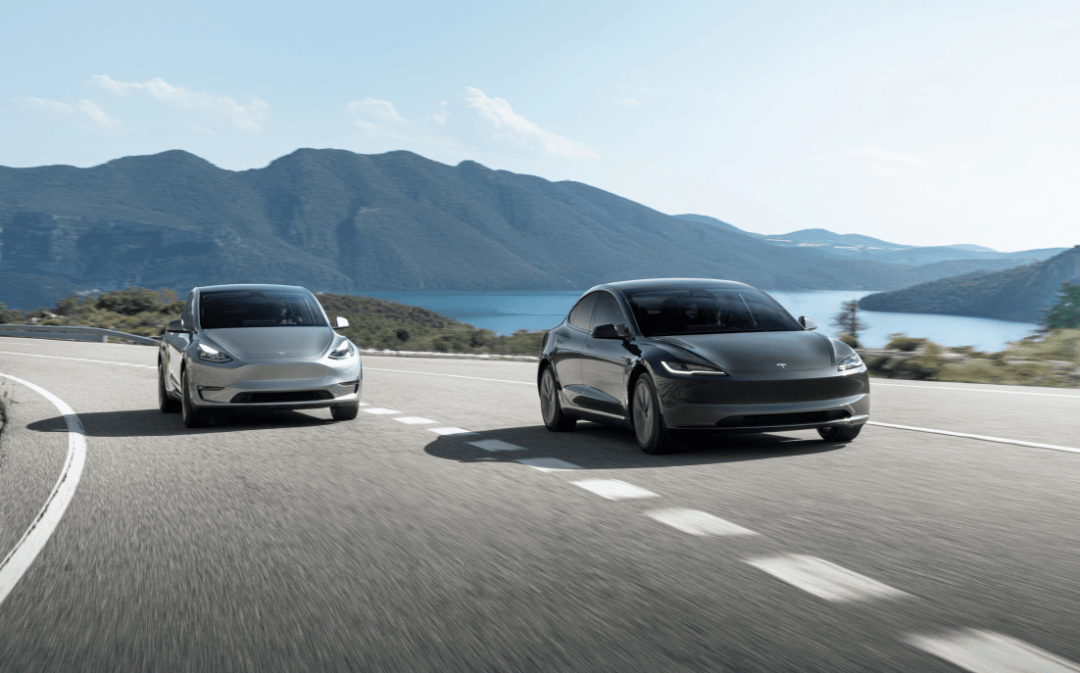
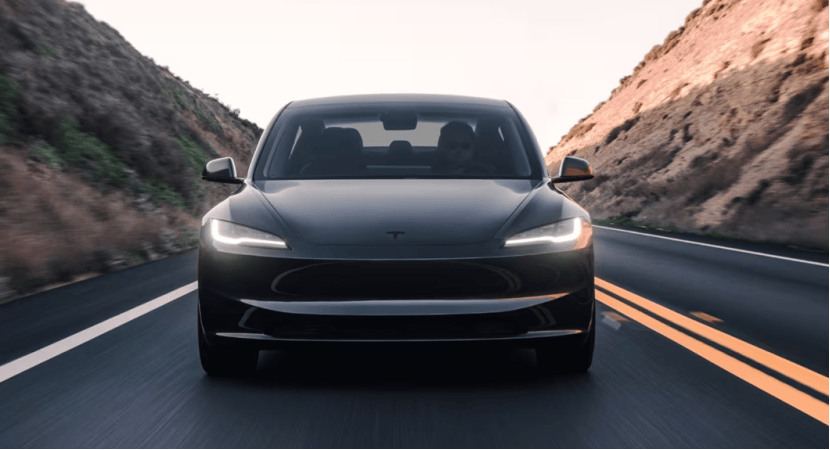
en.Wedoany.com Reported - In the second quarter of 2026, Tesla delivered 480,126 electric vehicles globally, a year-over-year increase of approximately 25% and a quarter-over-quarter increase of about 34%, setting the company's best-ever second-quarter delivery record. Among these, Model 3 and Model Y combined accounted for 467,762 units, representing over 97% of total deliveries. However, on the day the delivery data was released, Tesla's stock price fell 7.49%, closing at $393.45.
The Chinese market was key to driving the sales rebound. The Shanghai Gigafactory delivered 89,091 vehicles in June, a 24.4% year-over-year increase, hitting a new high for the year; cumulative deliveries in the first half of the year reached nearly 468,000 units, up 28.4% year-over-year. However, market analysis indicates that the growth was primarily driven by price cuts and promotional measures. Cao Guangping, a partner at Chefu Consulting, believes that Tesla is in a "defending champion in transition" state in the Chinese market, leveraging its three-electric technology and cost control to maintain resilience, but its limited model lineup leaves it increasingly passive against local brands such as NIO, XPeng, Li Auto, Xiaomi, and Huawei.
Competition is particularly fierce in the core price range of 200,000 to 300,000 yuan. The Xiaomi SU7 continues to erode Model 3's market share with its intelligent experience, leading by nearly 60,000 units in annual retail sales in 2025. In the SUV segment, while the Model Y remains the sales champion, new products such as the Li Auto L6, Xiaomi YU7, and AITO M6 have formed an encirclement. The rapid iteration pace of Chinese automakers—"one facelift per year, one generation change every two years"—stands in stark contrast to Tesla's three-to-five-year new vehicle cycle. The price war has also squeezed Tesla's profit margins, with both revenue and net profit declining in 2025, and the Model 3 has seen cumulative price cuts of 30,000 to 40,000 yuan since 2025.
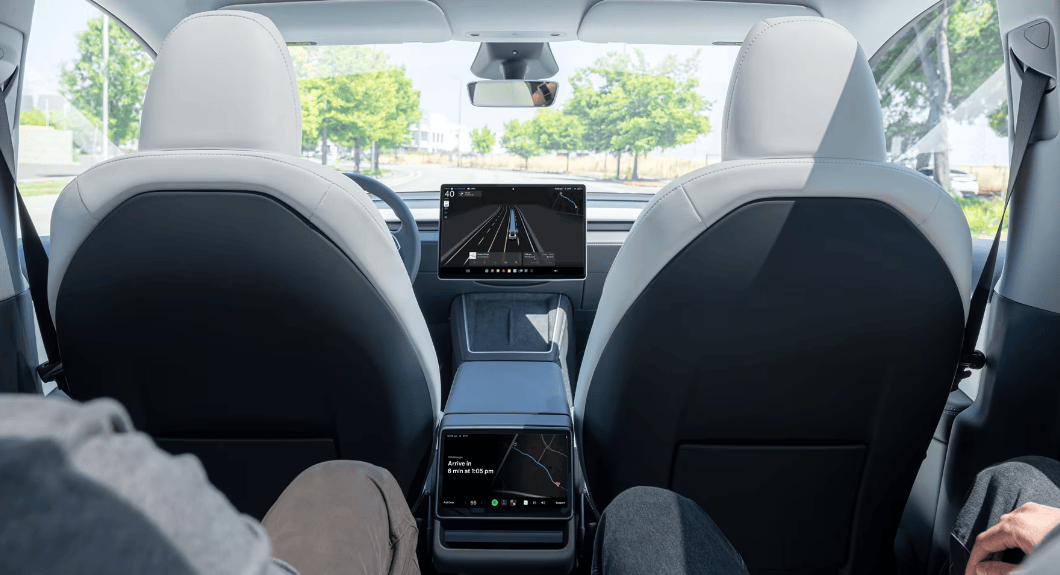
In the field of intelligent driving, Tesla's Full Self-Driving (FSD) system's entry into China has drawn significant attention. The supervised version of FSD was announced as available in the Chinese market in May 2026, but as of the end of May, it had only been pushed to approximately 5,000 vehicles equipped with HW4.0 hardware in a grayscale release. This version is strictly defined as a Level 2 advanced driver assistance system, requiring drivers to maintain full attention and bear all legal responsibility. The buyout price for FSD in the Chinese market has long been 64,000 yuan, far higher than local solutions such as Huawei's ADS 4.0 (subsidized actual payment of 12,000 yuan), XPeng's XNGP 4.0, and Li Auto's AD Max 3.0.
Zhu Xichan, a former professor at Tongji University's School of Automotive Studies, pointed out that if FSD had entered China in 2023, it might have held a generational advantage, but now the intelligent driving technologies of Huawei, XPeng, and Li Auto are on par with Tesla's. Chinese market data also shows that from January to November 2025, cumulative sales of passenger vehicles equipped with city NOA functions reached 3.129 million units, with a penetration rate of 15.1% of total passenger vehicle insurance registrations, of which domestic brands accounted for 81.1%. Challenges facing FSD include data compliance barriers limiting model iteration, the need for algorithm optimization for China's complex road conditions, and market acceptance of its high price.
In the field of humanoid robots, Tesla's Optimus is another key initiative. On July 1, 2026, Musk posted photos of the Optimus robot production line at the Fremont factory. The first official mass production line has begun installation, with plans to expand to 40 lines. The mass production milestone for Optimus V3 is targeted for late July to early August 2026, with a production ramp-up path of dozens of units per week in June, entering the scale of 1,000 units per week by September, and a production line design capacity of 1 million units per year. The production target for 2026 is 50,000 to 100,000 units, with potential to increase to 500,000 to 1 million units in 2027.
2026 is regarded by the industry as the "first year of mass production" for humanoid robots, with global shipments expected to exceed 50,000 units. Chinese manufacturers have already taken the lead, with 18 of the over 20 new products globally in the first half of the year coming from China. However, Cao Guangping cautioned that humanoid robots are still in the research and early testing phase, with a long road ahead to large-scale commercialization and profitability.
Tesla is attempting to address challenges through a three-pronged approach: short-term support from the Q2 sales rebound, localized progress with FSD's entry into China, and the mass production prospects of Optimus. However, the new energy vehicle market it faces in China has transformed from the state when Tesla first entered seven years ago into an ecosystem where local brands have built strong barriers and competition is fierce.
Related Products
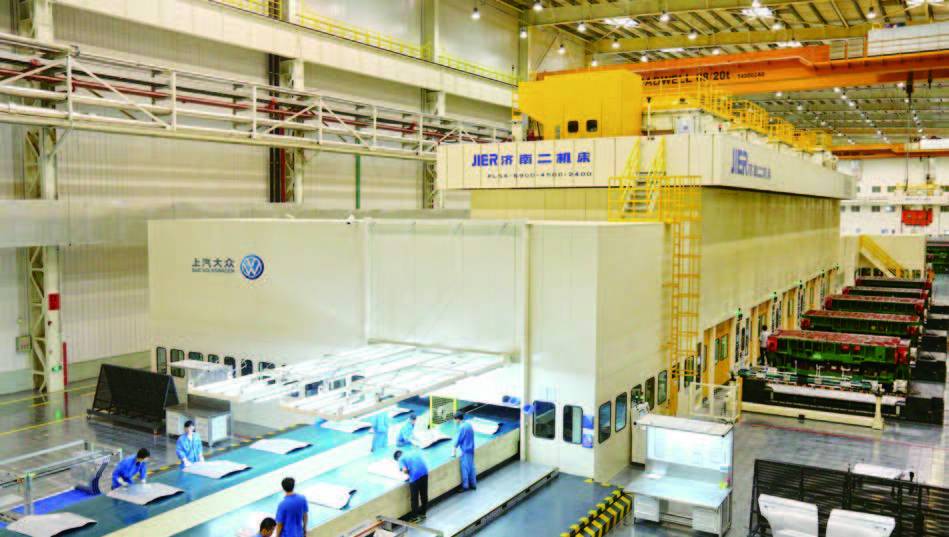

High-Speed Flexible Fully Automatic Stamping Production Line
JIER Machine-Tool Group Co., Ltd.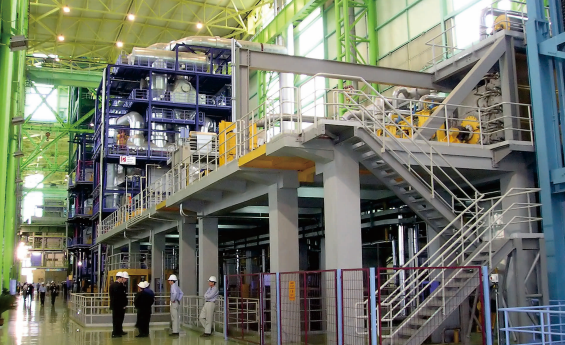
Strip Coating and Plating Production Line Equipment
MCC-SFRE HEAVY INDUSTRY EQUIPMENT CO., LTD.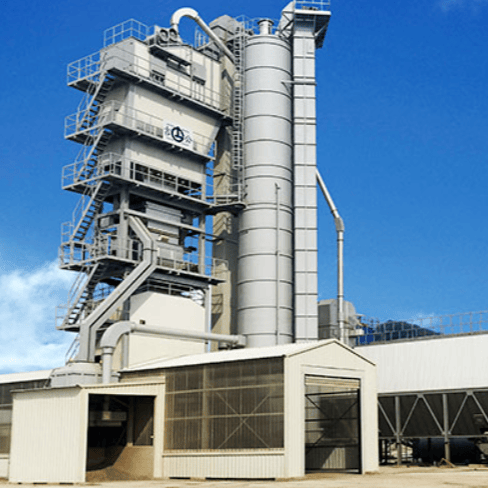
LBH4000 Batch Environmental Protection Asphalt Mixing Plant | Asphalt Batching Plant | Asphalt Mixing Plant
Jilin Province Road Construction Machinery Co., Ltd.
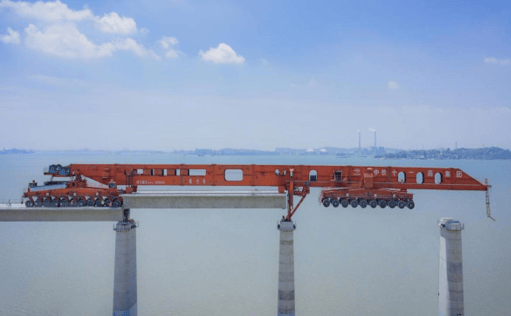
High-Speed Railway Lifting, Transporting, and Erecting Equipment: Integrated Transport and Erection Machine
Hanjiang Heavy Industry Co., Ltd. of China Railway 11th Bureau Group
Pneumatic high-pressure wear-resistant ball valve
Zhejiang Deca Control Valve Meter Co., Ltd.


CAP1400 main feedwater flow nozzle flowmeter.
Jiangsu Hongda Instrument Technology Co., LTD.