Russia's RIR Company Deploys Digital Heating System Covering 317 km of Heat Networks
en.Wedoany.com Reported - Russia's Rosatom Infrastructure Solutions Company (RIR) has begun deploying its proprietary automated information system "Tsifrovoye Teplosnabzheniye" (Digital Heating) in the heat network facilities of the city of Oryol to enhance monitoring and dispatching capabilities. The system covers over 317 kilometers of main and district heat networks, as well as 60 central heating points (TsTP) of RIR Energy's Oryol branch, enabling near real-time monitoring, dispatching, and analysis of heat network operations. This establishes a unified distributed infrastructure digital management loop for the branch, improving network observability, reducing the time to detect deviations, and accelerating response to anomalies.
Currently, personnel are equipping heating points with data collection and transmission equipment to integrate on-site information into the dispatching loop. After installing sensors and telemetry equipment on site, data on key process parameters will be transmitted to the dispatch control console. This approach has already been applied in other RIR heating and utility digitalization projects, where the platform enables online meter reading collection and comprehensive monitoring of heating parameters.
In the Oryol project, a key component of the "Digital Heating" automated information system is the software package "Infrastrukturnaya IoT Platforma" (Infrastructure IoT Platform). This platform is a domestically developed solution by RIR, included in the Unified Register of Russian Software and compliant with the requirements of the Federal Service for Technical and Export Control of Russia (FSTEC of Russia). The platform collects telemetry data from distributed facilities, generates actual and calculated balance sheets for the distribution of heat carrier and thermal energy from the heat source to the end user, helping to quickly identify leaks, heat losses, and network bottlenecks, and analyze heating quality in real time.
The system can automatically detect deviations of process parameters from standard values and promptly notify relevant responsible personnel. Based on experience deploying similar solutions in Voronezh, Lipetsk, Kurchatov, and Obninsk, such systems can automate up to 80% of dispatching operations, reduce operational and energy costs, and decrease the likelihood of network accidents.
Related Products


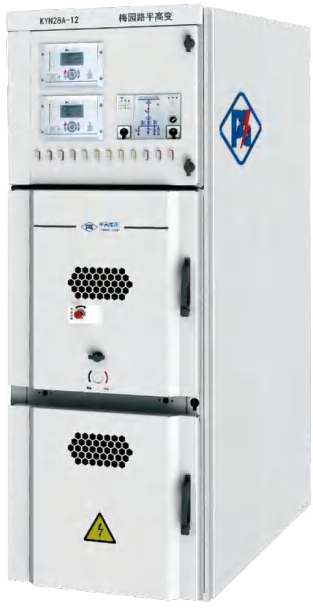
KYN28A-12 Metal Armored Removable Switchgear
Tianjin Ping Gao Intelligent Electric Co., Ltd.
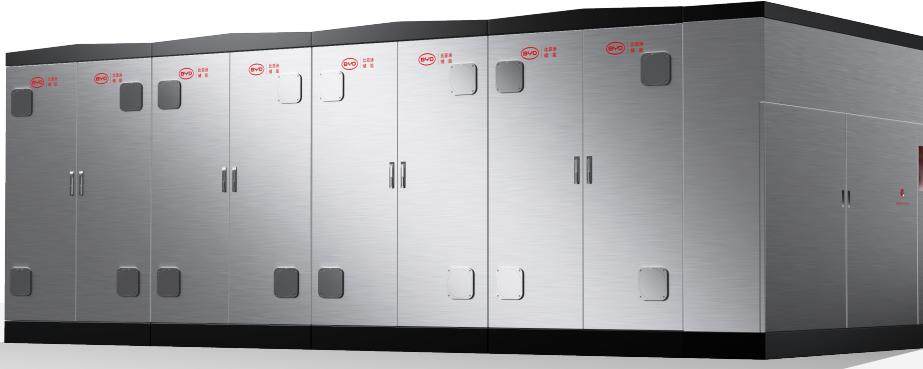

H-40.5/0.4~1.14kV New Energy Power Generation Dedicated High Voltage/Low Voltage Prefabricated Substation
XJ (Xiamen) Intelligent Power Equipment Co., Ltd.

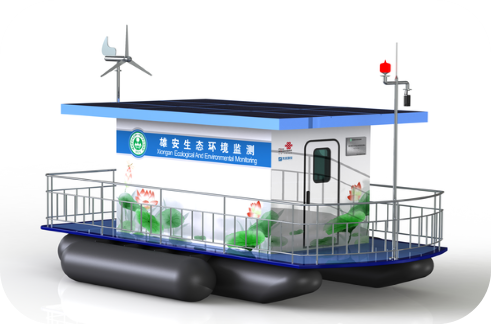
Floating Boat Water Quality Automatic Monitoring System
Hebei Sailhero Environmental Protection High-tech Co., Ltd.
Prefabricated Houses and Electrical Energy Boxes
Chengdu Ruilong Machinery Manufacturing Co., Ltd.