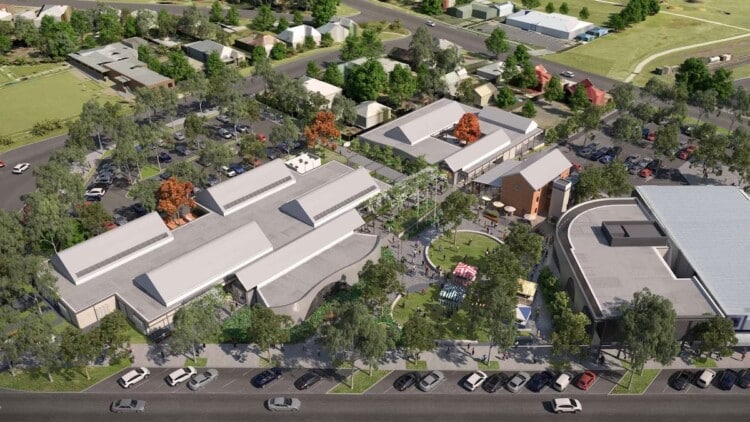
Fort Worth Advances Over $1.5 Billion Infrastructure Strategy
en.Wedoany.com Reported - As the tenth-largest city in the United States, Fort Worth has surpassed one million residents and continues to grow. The city is advancing a data- and performance-driven infrastructure strategy designed to match its status as a rapidly emerging metropolitan hub.
Fort Worth attracts over 20,000 new residents annually, with urban expansion and development projects progressing in tandem. Its Transportation and Public Works Department (TPW) is shifting infrastructure strategy from incremental improvements to a coordinated, data-driven model, aiming to achieve national leadership in mobility planning, performance management, and project delivery.
At the core of this strategy is the "Moving-a-Million" Master Transportation Plan, the city's first comprehensive mobility plan. This plan integrates the Master Roadway and Active Transportation Plan and the Micromobility Networks and Safety Action Plan into a single blueprint, guiding capital investments over the next 25 years with a focus on addressing congestion, connectivity, freight movement, and safety.
A multi-agency collaboration model is key to driving project implementation. For example, the East Lancaster Corridor project, scheduled to begin construction in 2027, integrates roadway modernization, the city's first technology-based transit system, and pedestrian safety improvements. These collaborations accelerate improvements on major corridors, coordinate transportation and economic development strategies, and unlock critical funding.
Currently, Fort Worth has over $1.5 billion in active transportation and stormwater projects, making it one of the largest municipal capital programs in Texas. The city has reshaped its project delivery model through standardized workflows, milestone-based reporting, and closer regional coordination, improving project predictability.
This capital program is supported by historic municipal investments without increasing property tax rates. Voter-approved major bond packages include a $511 million proposal specifically for streets and mobility. With strong financial management, the city is executing this unprecedented plan.
To address traffic and pedestrian safety issues arising from growth, Fort Worth is deploying high-impact safety improvements. In data-identified high-need areas, the city implements upgraded signal timing, redesigned intersections, enhanced crosswalks, and targeted traffic calming strategies to reduce collisions and improve mobility.
In pavement management, the city has established a rigorous data-driven system based on world-class asset management practices. Using pavement condition data and standardized scopes, the TPW department focuses maintenance funding on streets that yield the highest returns, preserving streets in good condition through major repairs and extending the lifespan of streets in fair condition to maximize taxpayer value and slow network deterioration.
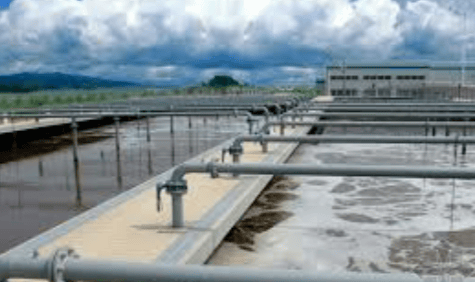
Facing challenges from stronger rainfall and urban expansion, Fort Worth is updating its decades-old stormwater infrastructure with a forward-looking strategy. Investments in channel restoration, culvert upgrades, and pipe repairs are reducing flood risks and enhancing drainage capacity. Through more detailed watershed assessments and asset condition evaluations, the city improves flood risk communication and prioritizes maintenance projects.
Related Products
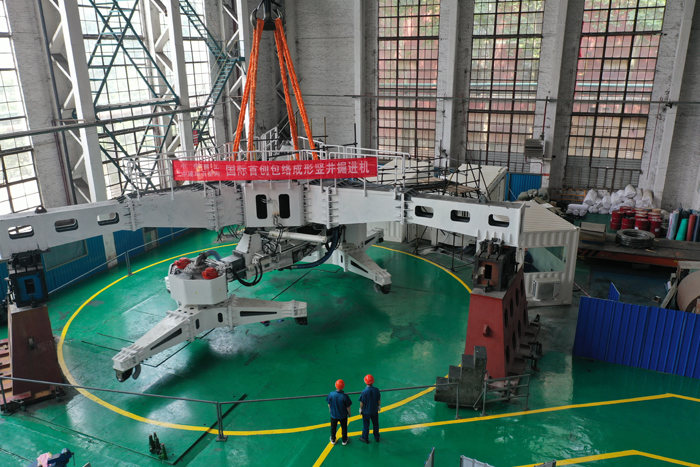

CITIC Heavy Industries Tunneling Equipment Tunnel Engineering Shield Machine
CITIC Heavy Industries Co., Ltd.



Pure Polyurethane Wall Panel BD-AEF-PIR-01
Baodu International Engineering Technology Co., Ltd.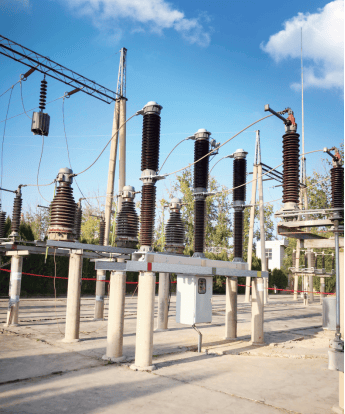
145kV Porcelain Column Type Sulfur Hexafluoride Circuit Breaker
TBEA ZONFA Shanghai High Voltage Switchgear Co., Ltd.
High-toughness in-Situ Cold Recycling Technology for Original Structural Layers
Central Fortune Creation Technology Group Co., Ltd.
Ultra-Pure Ferrite Stainless Steel Products
Gansu JISCO Group Hongxing Iron and Steel Co., Ltd.