en.Wedoany.com Reported - MacGregor has completed the first official demonstration of autonomous cargo handling and planning technologies under the EU-funded SEAMLESS project, which is transitioning from digital development to real ship trials on European inland waterways.
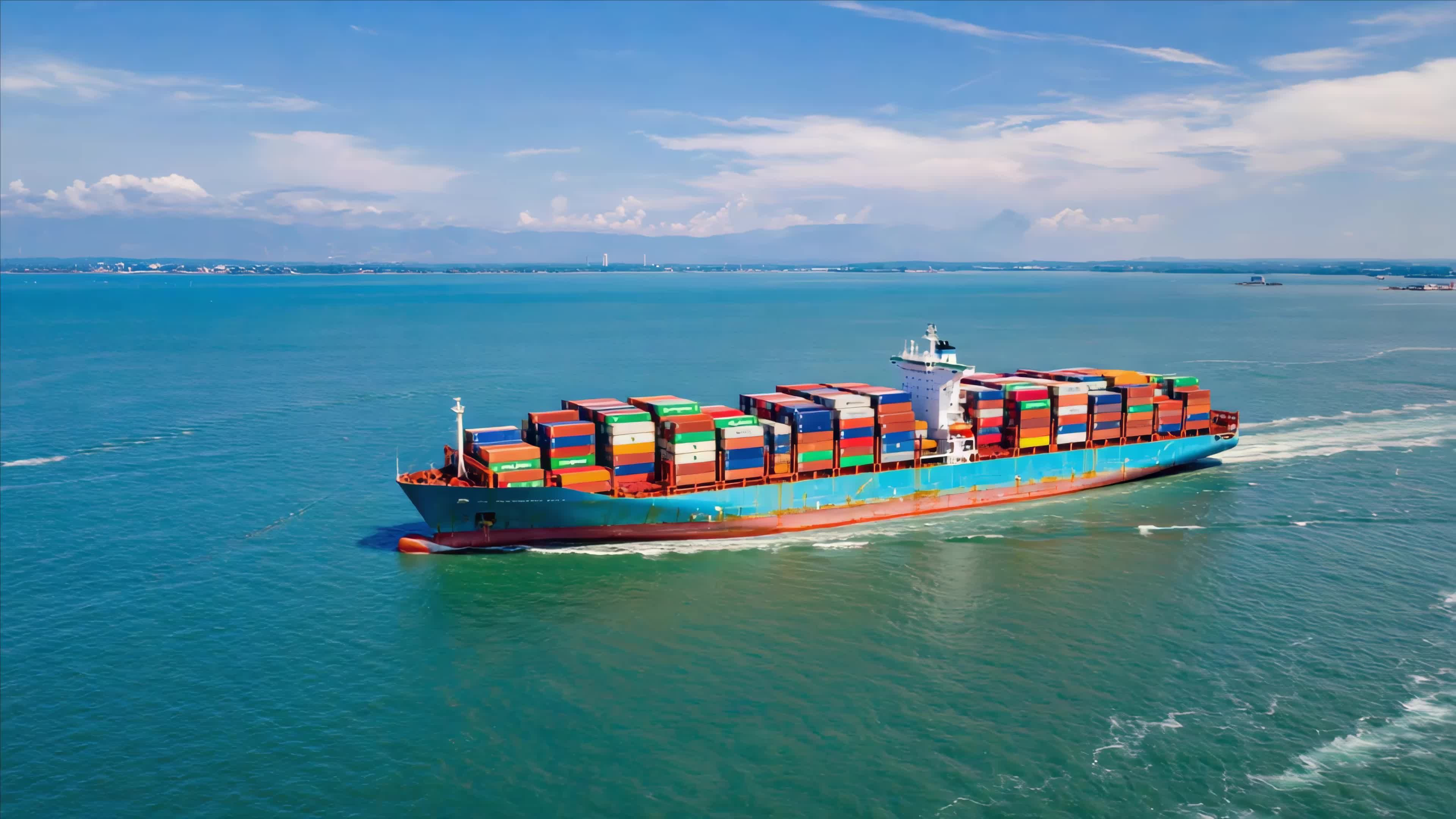
The demonstration took place on June 3 at the University of South Eastern Norway's campus in Horten, testing systems including automated cargo planning, container tracking, and high-precision crane operations designed to support autonomous short-sea shipping and inland navigation. The SEAMLESS project brings together 26 companies, universities, and research institutions from 12 European countries, aiming to enhance the reliability, resilience, and efficiency of regional maritime transport by connecting autonomous vessels, cargo handling systems, ports, and logistics platforms. The Horten event focused on a planned transport operation in Norway's Oslo Fjord, where autonomous vessels will transport trailers and containers between ports.
MacGregor's work in the SEAMLESS project builds on its earlier participation in the MOSES and AEGIS research projects. These earlier projects demonstrated that automated equipment could transfer cargo between docks and vessels, while SEAMLESS further tests whether automated systems can handle varying cargo volumes, multiple port calls, and commercial operating conditions. MacGregor CEO Jonas Gustavsson stated that the demonstration proved integrated physical and digital systems can work together in real operational scenarios. He noted that further progress will depend on collaboration around international regulations and safety standards, which are necessary before autonomous cargo operations can be more widely deployed across European ports and shipping networks.
One of the demonstrated technologies is MacGregor's Voyage and Container Optimisation Platform (VCOP). This web-based system receives cargo booking information to create vessel loading and stowage plans, taking into account the route, cargo sequence, and upcoming ports of call. The platform connects to a remote operations center, allowing operators to monitor the position and loading status of individual containers and trailers. When cargo arrives late or fails to reach the terminal, VCOP can recalculate the stowage arrangement within seconds. This capability is particularly important on multi-port routes, where the absence of one container can affect multiple subsequent operations. MacGregor said the platform is designed to improve schedule reliability and reduce the workload of cargo planners, rather than simply increasing handling speed.
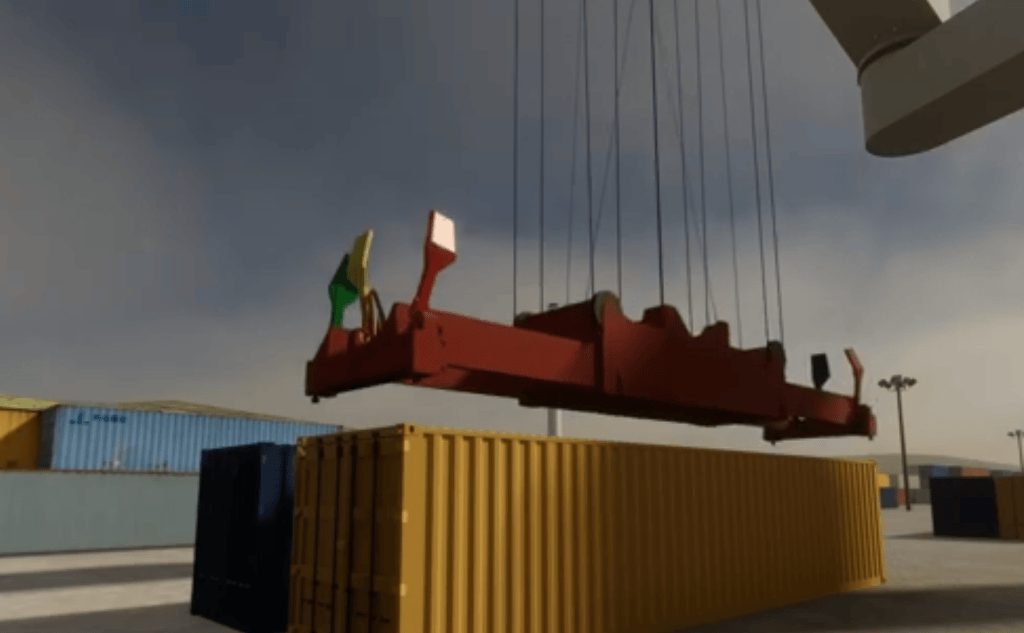
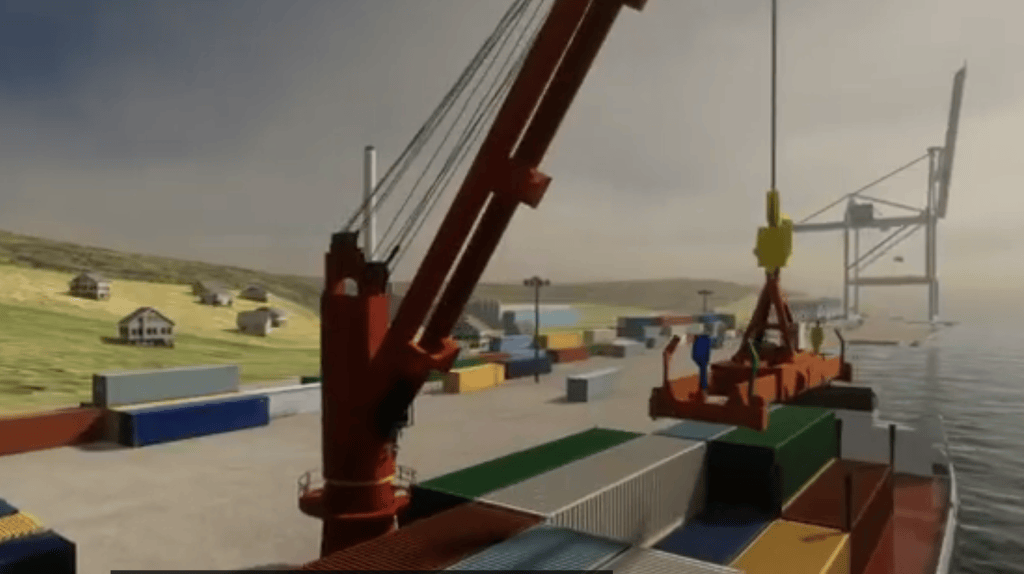
The company also demonstrated an autonomous three-joint crane concept, developed for container handling operations requiring controlled and precise movements. Unlike traditional cranes that rely primarily on suspension wire systems, this design uses robotic joints to maintain a rigid grip on the load, enabling the crane to guide containers into the vessel's cargo guides while limiting uncontrolled motion. Advanced winch designs are used to reduce load sway and adjust the container's angle as the vessel moves in the water. The crane is also equipped with cameras and sensors to identify targets and monitor the surrounding operating area, automatically pausing operations when personnel or unexpected objects enter designated safety zones. MacGregor stated that the crane has been validated through advanced digital simulations by the R&D team, but physical testing is still required before the system can be evaluated under varying weather, vessel motion, and dock conditions.
The next SEAMLESS demonstration is scheduled for October 21 at the Port of Antwerp Bruges. The event will focus on inland waterways and multi-port European transport networks, including real ship testing of an autonomous mooring system installed on the inland vessel "LETITIA". The system uses onboard robotic arms to connect the vessel to bollards, eliminating the need for traditional manual mooring operations, based on technology originally developed by MacGregor for the autonomous container ship "Yara Birkeland". Project technical lead Hugo Rosano said real ship testing remains necessary because simulations cannot replicate all the commissioning and operational issues encountered in open water. He emphasized in a statement that simulations are an excellent foundation, but actual real ship testing is the only way to discover real-world commissioning and operational challenges that only emerge in open water. During the October demonstration, VCOP will manage a real-time cargo plan connecting a ten-stop network linking Duisburg, Gorinchem, Alblasserdam, Rotterdam, Moerdijk, Antwerp Bruges, Ghent, Lille, and additional calls at Antwerp Bruges and Ghent.