German Volkswagen Group plans to cut half of its models by 2030
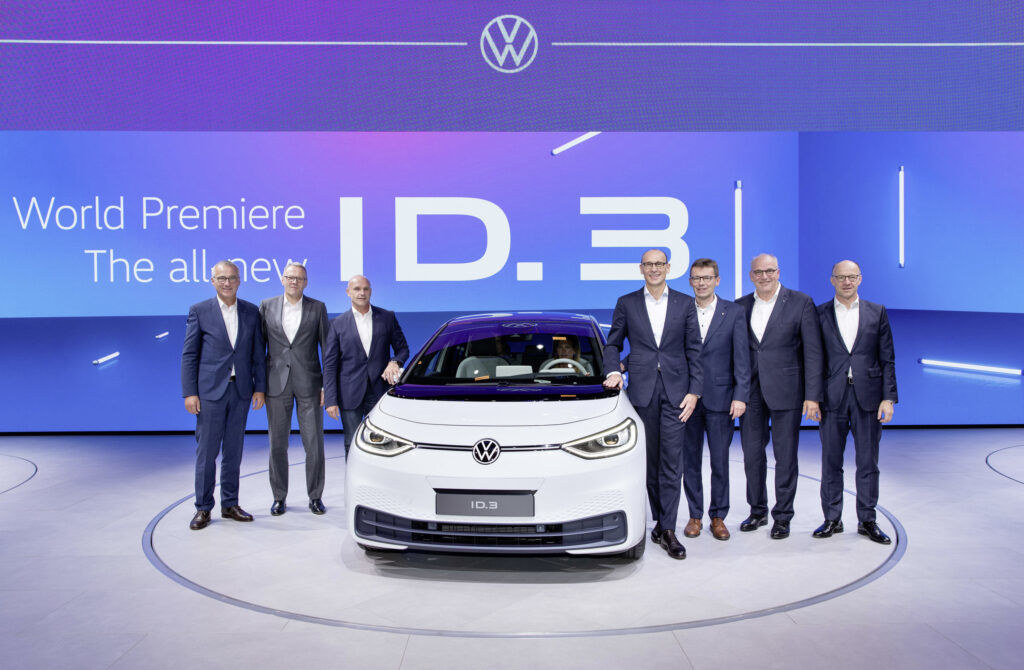
en.Wedoany.com Reported - Volkswagen Group has announced plans to reduce up to 50% of its global vehicle lineup by 2030, through a three-year business restructuring to address intensifying market competition and cost pressures. The Group stated that this adjustment aims to enhance corporate resilience, efficiency, and agility, and has already offset hundreds of billions in external financial headwinds through cross-brand performance projects. CEO Oliver Blume and CFO Arno Antlitz have positioned this restructuring as a core pathway to reduce costs and drive the Group's return rate toward the target range of 8% to 10%.
To achieve this goal, Volkswagen will not only streamline its product portfolio but also plans to reduce complexity by 75%, significantly cutting the number of available powertrains, configurations, and equipment packages, while eliminating "parallel structures" that duplicate engineering across different brands. In terms of manufacturing capacity, the Group will adjust based on global demand and competitive dynamics, targeting an annual production of 9 million vehicles, roughly in line with delivery volumes in 2024 and 2025. The workforce is also under pressure, with reports suggesting Volkswagen is considering laying off up to 100,000 employees and closing four German factories.
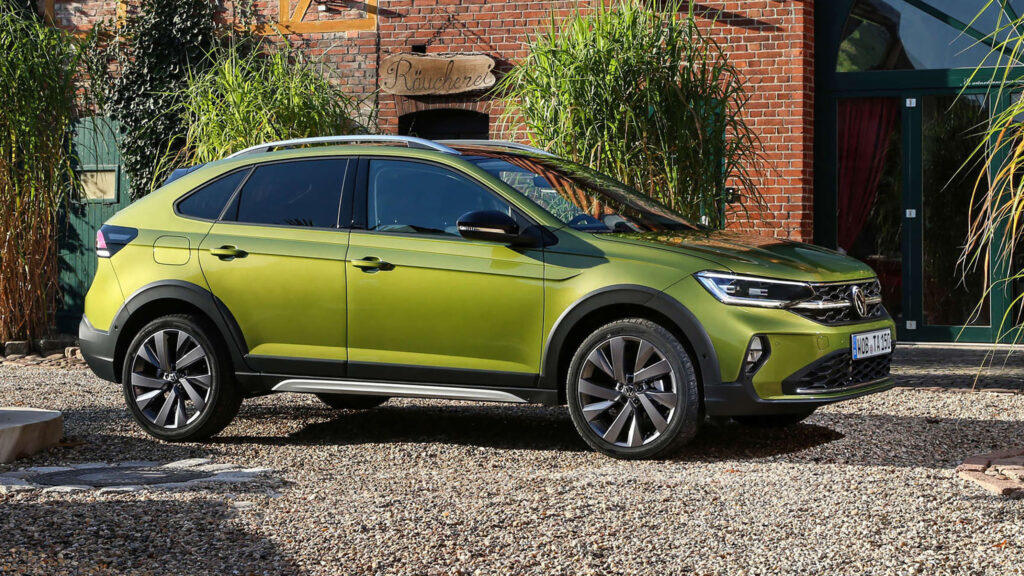
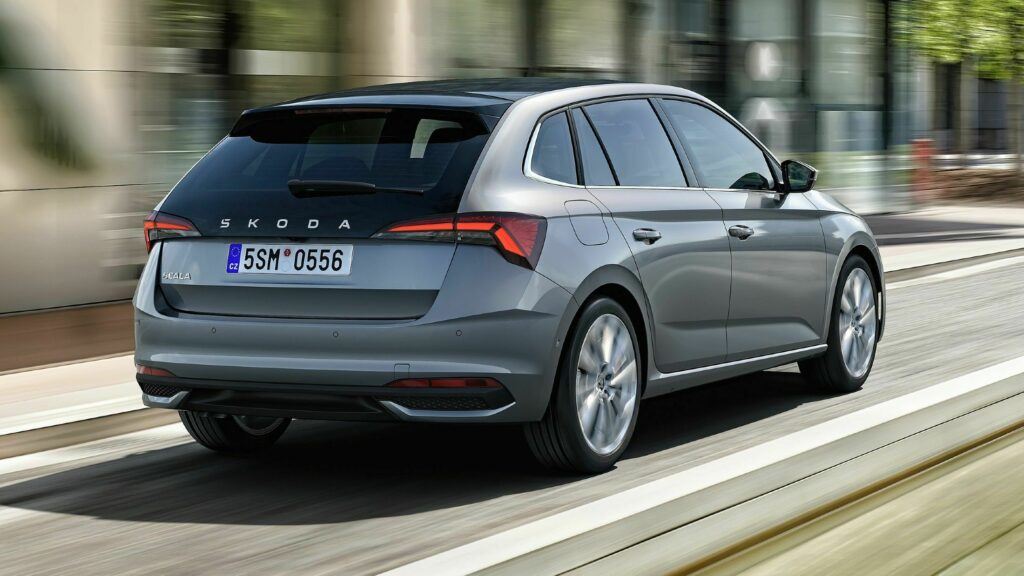
Regarding which specific models will stay or go, Volkswagen stated that the future product line will focus on the most attractive market segments, with funds directed toward products and technologies that create the greatest value. Models with stable sales volumes, such as the Polo, Golf, T-Roc, and Tiguan, will not be phased out, but the T-Roc Cabriolet and ID.5 coupe SUV are at risk due to their inability to break even. In the Chinese market, the product line has expanded over the years and is expected to be reduced as well. The Škoda brand is likely to be retained overall, but slow-selling models like the Scala hatchback have slim chances of survival; SEAT will maintain its small and budget positioning, while Cupra will gain a larger share thanks to its more profitable lineup. The ID. Buzz has not met sales expectations, casting doubt on a second-generation model after its current lifecycle ends. The Taigo crossover overlaps significantly with the T-Cross, lacking a strong rationale for existence, and dealers have revealed that the fuel-powered Polo will exit Europe, making way for the electric ID. Polo.
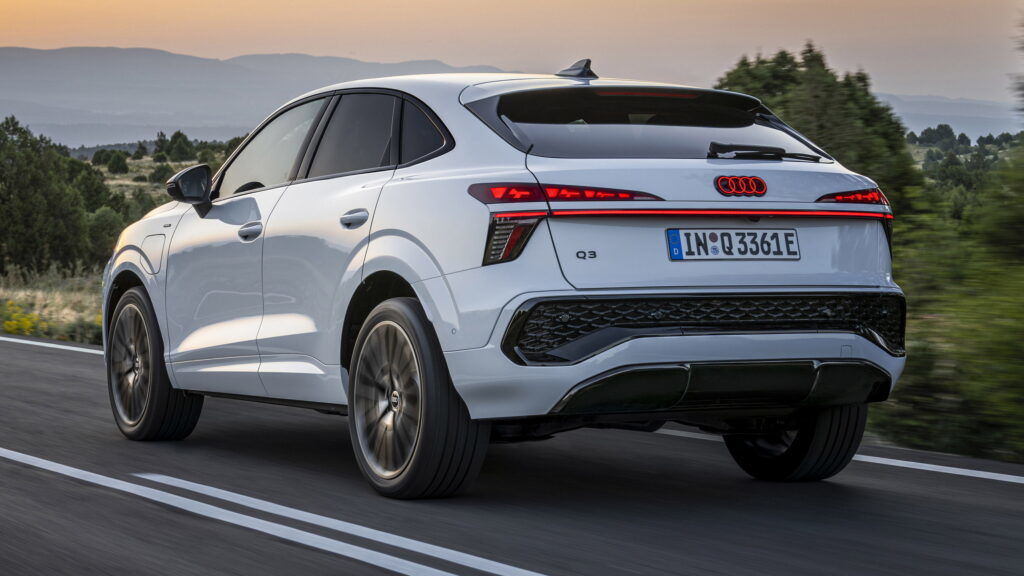
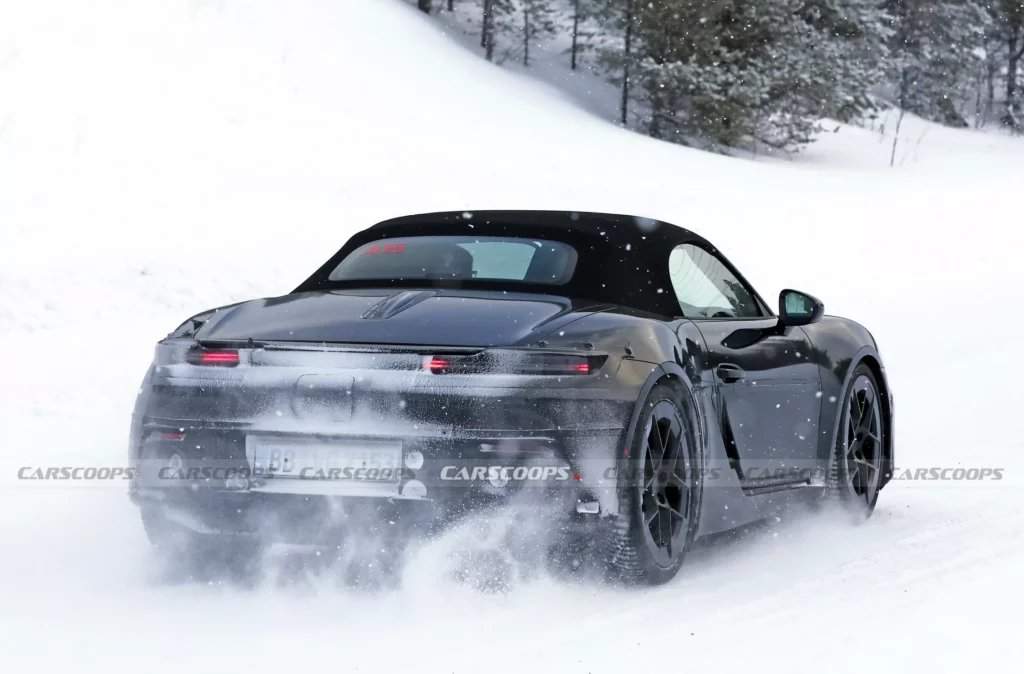
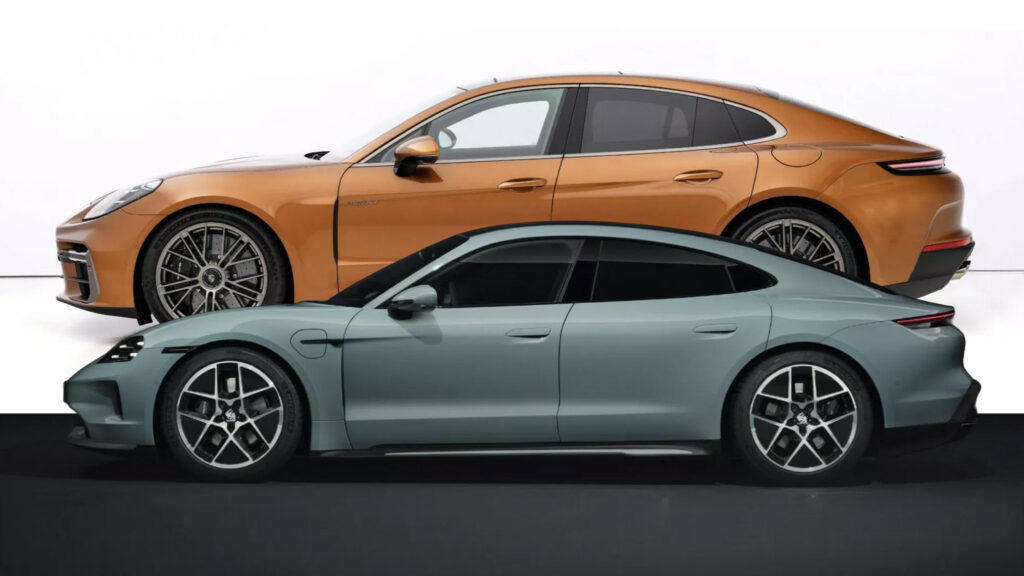
Audi has already discontinued the A1 small car and Q2 small SUV, entrusting entry-level duties to the upcoming A2 E-Tron. The pursuit of simplicity may force a rethink of the Audi Sportback coupe SUV, while the aging A8 flagship model's future is uncertain. The upcoming Q9 further expands the SUV lineup, setting the stage for more streamlining later. At Porsche, the 911, Cayenne, and Macan model lines are untouchable, but the Taycan and Panamera sedans may eventually merge into a single model. Porsche also plans to reduce the number of variants, with additional body styles like the Taycan Sport Turismo and Cross Turismo potentially being dropped in the next update. The delayed next-generation 718 family may also be affected, although significant development investments make a complete cancellation unlikely; the electric 718 is still slated for a late 2027 launch, with Audi planning to use its platform to replace the TT. Volkswagen Group's higher-end brands are not immune to adjustments either; Lamborghini has shelved its first electric vehicle plans, and there are reports that Volkswagen may sell Lamborghini and Ducati, while Porsche has already sold its stake in Bugatti Rimac.
CFO Arno Antlitz stated that the cost-cutting measures under agreed-upon projects are insufficient given the current economic and geopolitical environment, and the Group must fundamentally realign its business model to achieve structural, sustainable improvements. This includes improving vehicle cost structures, reducing indirect costs, increasing factory efficiency, and accelerating technology development. CEO Oliver Blume noted that the Group's goal is to become the world's most attractive automotive company by 2030, creating conditions for long-term success by reducing complexity, focusing on technology, and aligning product development with regional markets.
Related Products


Pneumatic high-pressure wear-resistant ball valve
Zhejiang Deca Control Valve Meter Co., Ltd.
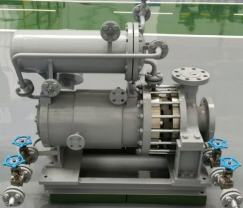
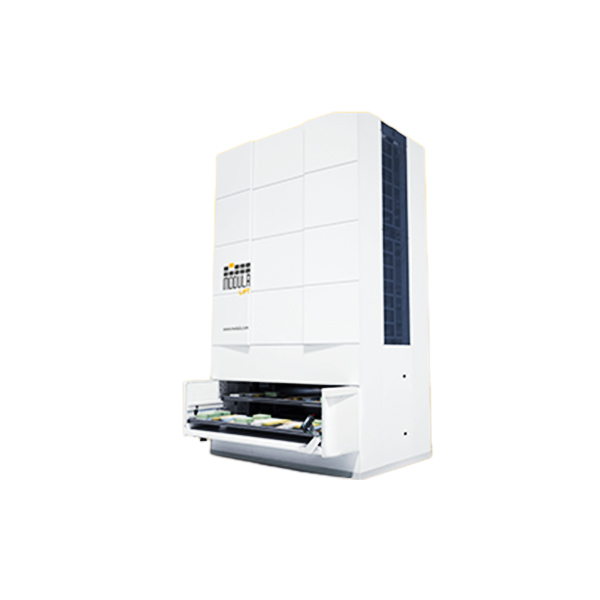
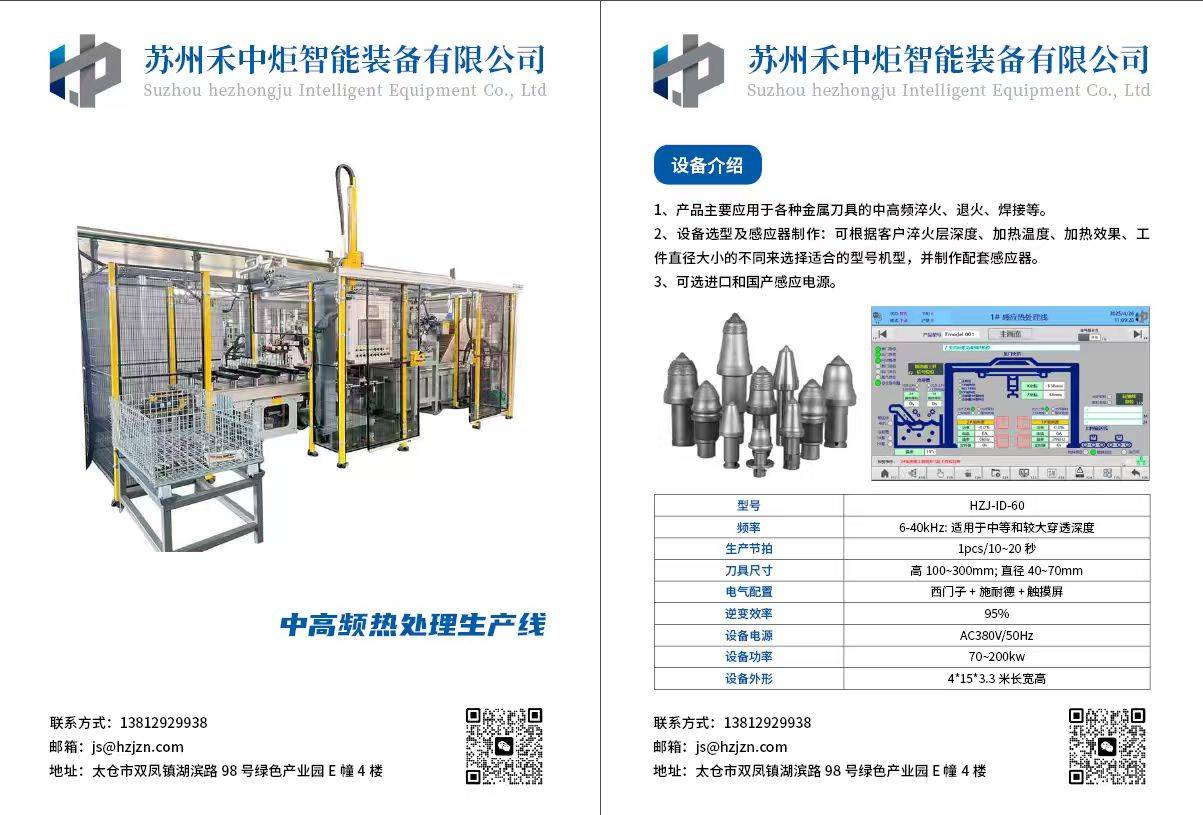
Excavator Bucket Teeth Heat Treatment Production Line
Suzhou Hezhongju Intelligent Equipment Co., Ltd.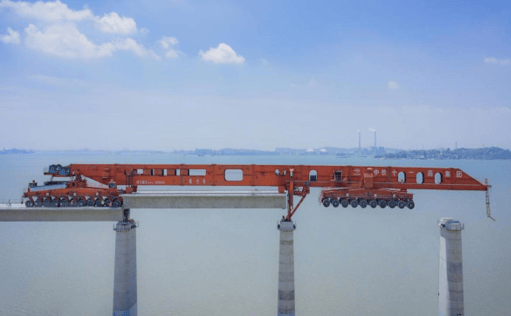
High-Speed Railway Lifting, Transporting, and Erecting Equipment: Integrated Transport and Erection Machine
Hanjiang Heavy Industry Co., Ltd. of China Railway 11th Bureau Group

CAP1400 main feedwater flow nozzle flowmeter.
Jiangsu Hongda Instrument Technology Co., LTD.