Sinopec Completes Restructuring of China Aviation Oil with Assets Exceeding Trillion Yuan
en.Wedoany.com Reported - Sinopec announced on July 11 that it has completed the restructuring of China Aviation Oil (CAO), making CAO a wholly-owned subsidiary of Sinopec. This restructuring, which lasted half a year and involved assets exceeding one trillion yuan, has now concluded.
This restructuring is a measure to advance the strategic and specialized reorganization of central state-owned enterprises, aiming to enhance the security of national aviation fuel supply and promote a green and low-carbon transition in the sector. At the end of 2025, with approval from the Central Committee of the Communist Party of China and the State Council, the State-owned Assets Supervision and Administration Commission (SASAC) made the restructuring plan. On January 8 this year, SASAC held a restructuring meeting with clear requirements. On June 18, all domestic and international regulatory approvals were obtained. On July 9, the industrial and commercial registration changes were completed.
Hou Qijun, Secretary of the Party Leadership Group and Chairman of Sinopec, stated that Sinopec will advance the layout adjustment from "refinery to wing," "domestic to international," and "traditional aviation fuel to sustainable aviation fuel," accelerating the pace of transformation and upgrading to become a world-class aviation energy supplier.
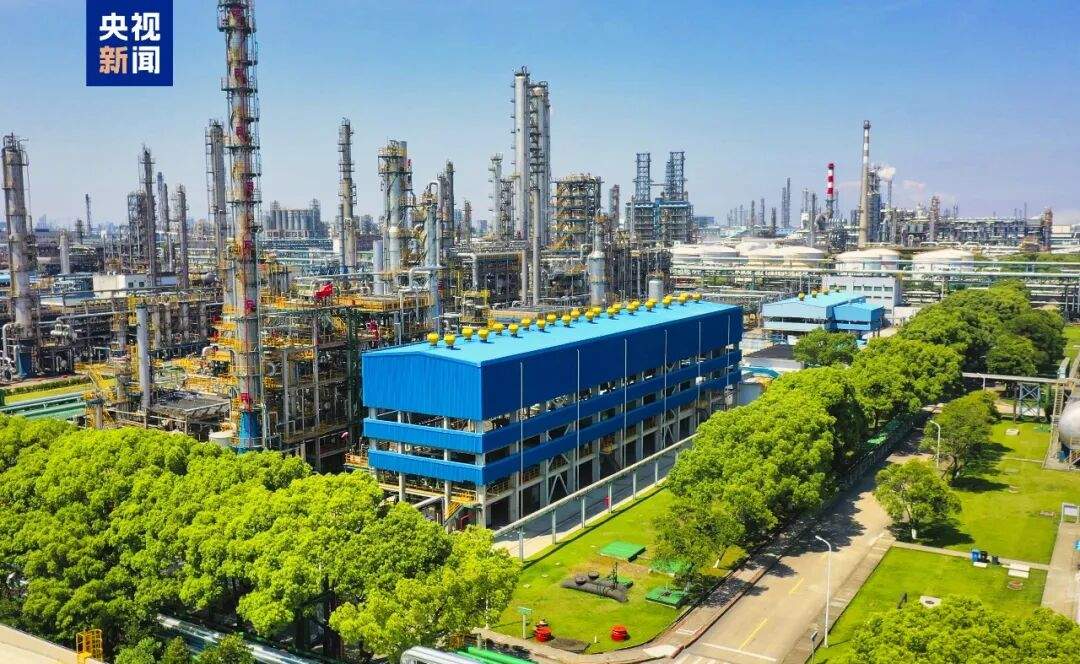
This restructuring involves three strategic considerations. First, enhancing the resilience of the aviation fuel industry chain. The "2026 China Energy and Chemical Industry Development Report" released by Sinopec's Economics and Development Research Institute indicates that aviation kerosene is a key growth driver for China's future refined oil consumption. Standard & Poor's predicts that China's aviation fuel consumption will grow from 39.28 million tons in 2024 to 75 million tons by 2040. After the restructuring, the two parties will integrate Sinopec's advantages in refining-chemical integration and regional layout with CAO's nationwide supply assurance system, improving the resilience of the industry and supply chain.
Second, accelerating the green and low-carbon transition and promoting the high-quality development of the sustainable aviation fuel (SAF) industry. The International Civil Aviation Organization and some countries have announced 2050 aviation emission reduction targets and SAF support policies. Data from the International Air Transport Association shows that global SAF consumption was 6 million tons in 2025 and is expected to reach 18 million tons by 2030. Sinopec is the earliest Chinese company with SAF production capacity, filling the gap in the application of domestically produced SAF in domestic aircraft models. CAO is the chairman unit of the SAF Industry Alliance and holds a significant position in SAF application and promotion. The restructuring will integrate the R&D technology and market advantages of both parties, creating a source of SAF technology and accelerating the construction of the industry chain and commercial operations.
Third, optimizing the layout and structure to enhance the international competitiveness of China's aviation fuel industry. Currently, major international aviation fuel service providers are mainly integrated petrochemical companies such as Shell, bp, ExxonMobil, and TotalEnergies, which have scale and network advantages. China's aviation fuel production, sales, and refueling operations are managed by different enterprises, and overall competitiveness needs improvement. After the restructuring, the two parties will achieve full integration of production, supply, sales, and trade across the entire chain, reducing transaction costs and enhancing the global competitiveness of the aviation fuel industry.
Related Products

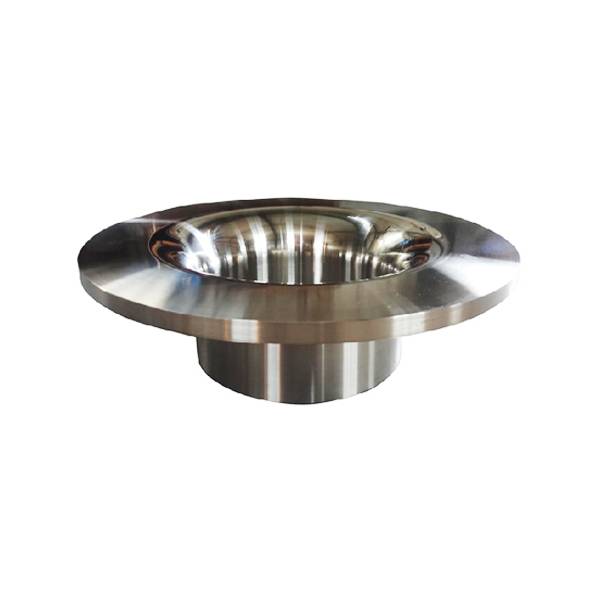
Standard Nozzle Flowmeter
Jinggong Automatic Control Instrument Complete Technology Development Company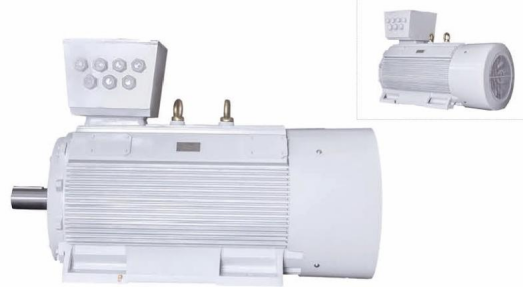
YE3 Series Low Voltage High Power Three-Phase Asynchronous Motor
Shandong Lijiu Electrical Machinery Co., Ltd.
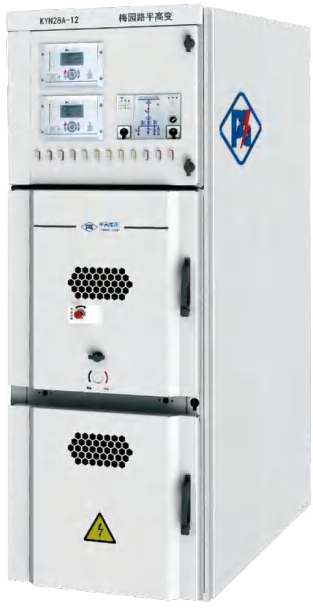
KYN28A-12 Metal Armored Removable Switchgear
Tianjin Ping Gao Intelligent Electric Co., Ltd.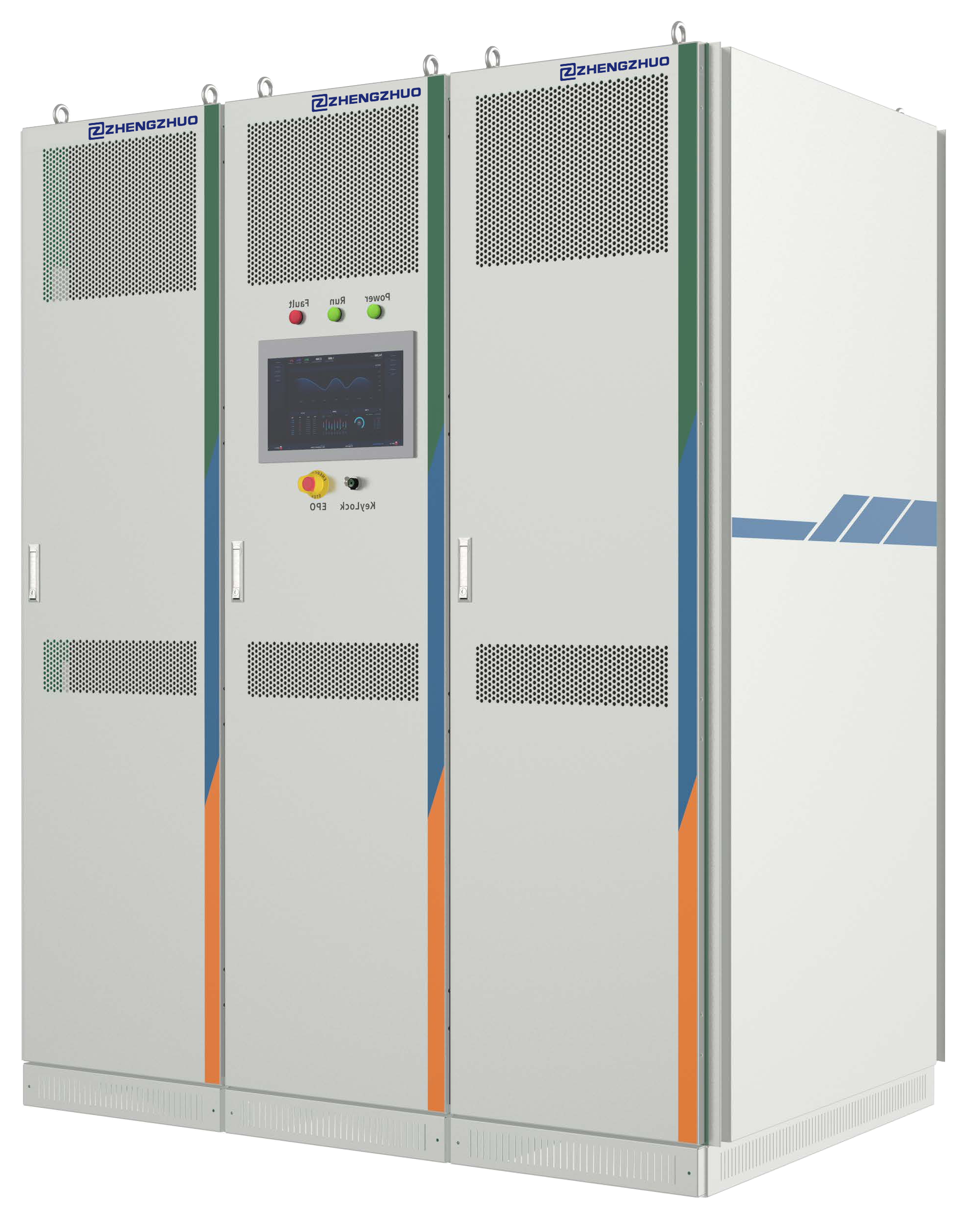
IGBT Hydrogen Production Power Supply - High Power Air Cooling
Beijing Zhengzhuo Engineering Technology Co., Ltd.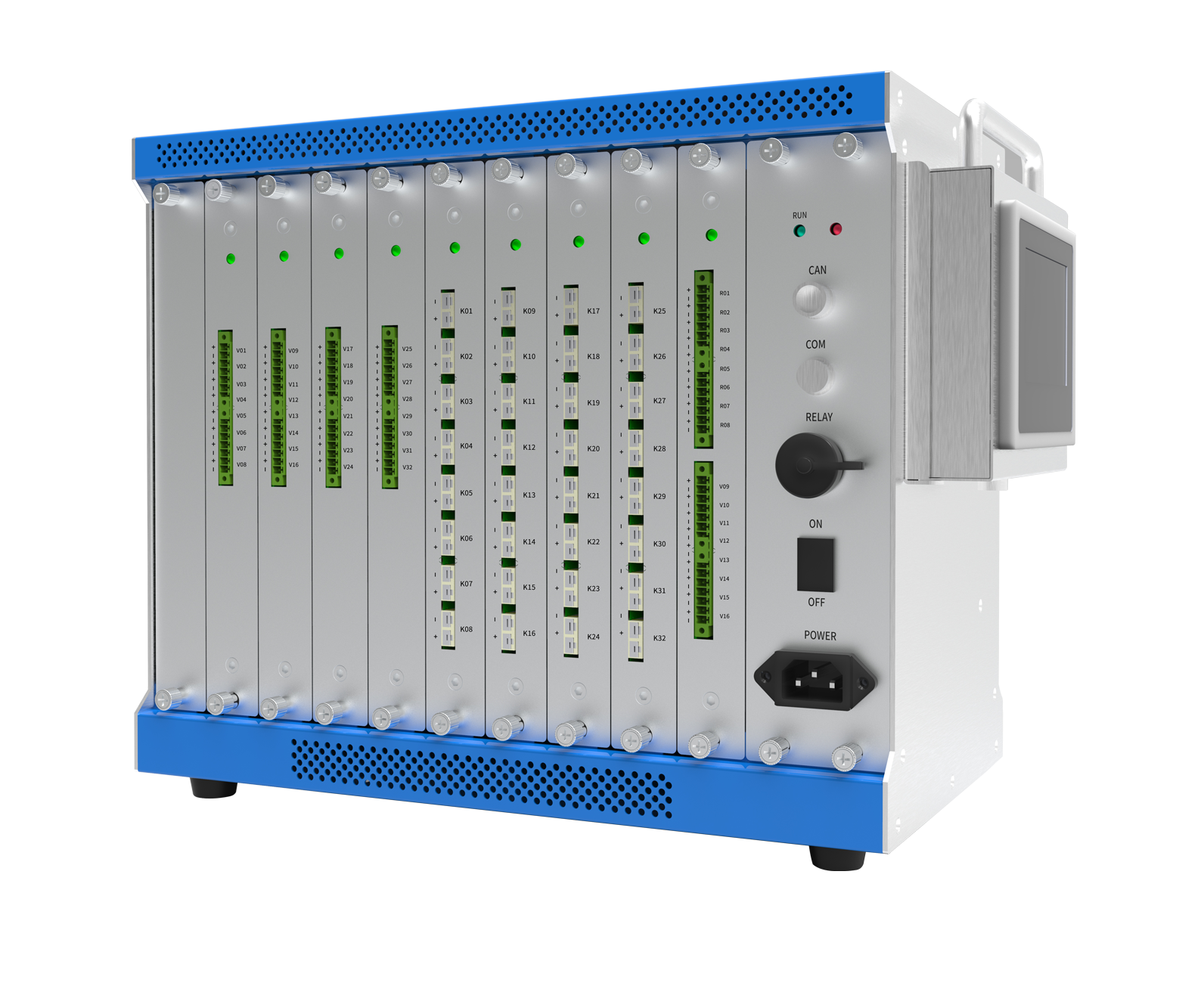
Optional Accessory - Auxiliary Sampling Module
Beijing Soaring Electric Technology Co., Ltd.