China Machinery Industry Federation Leaders Attend 30th Anniversary Event of Hunan Machinery Industry Association in Changsha in July and Conduct Research
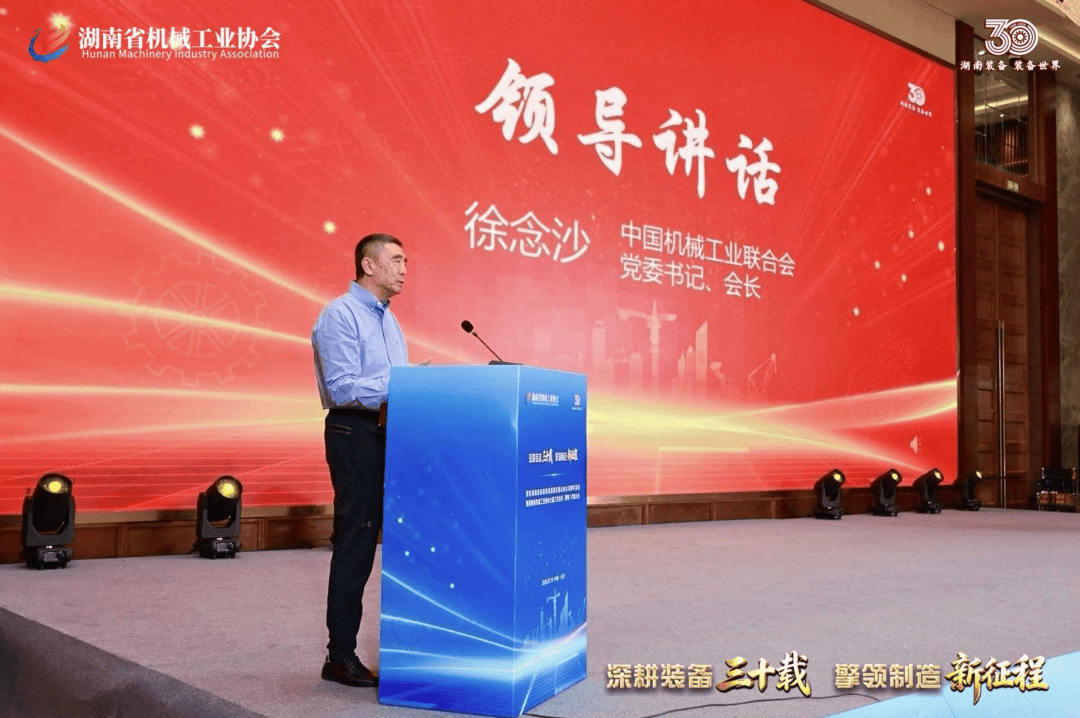
en.Wedoany.com Reported - From July 10 to 11, Xu Niansha, Secretary of the Party Committee and President of the China Machinery Industry Federation (CMIF), attended the 30th anniversary themed event of the Hunan Machinery Industry Association in Changsha. He also conducted on-site research at Bosch Automotive Products (Changsha) Co., Ltd., the Changsha Super Truck Factory of Beiqi Foton Motor Co., Ltd., and Changsha Boda Science and Industry Co., Ltd., to understand the application of AI in the integrated development of manufacturing. Xu Niansha was accompanied by She Weizhen, Member of the CMIF Party Standing Committee, Chief Economist, and Deputy Secretary-General, and Kong Zhaoyang, President of the Hunan Machinery Industry Association.
In his speech at the themed event, Xu Niansha pointed out that Hunan holds an important position in the history of China's equipment industry. In recent years, industrial clusters such as construction machinery, urban rail transit, small and medium-sized aero engines, and ultra-high voltage power transmission and transformation have become national-level clusters. Over the past 30 years since its establishment, the Hunan Machinery Industry Association has played a bridging role in industrial chain connection, technical exchange, and market expansion. Xu Niansha stated that under the guidance of national macroeconomic and industrial policies, the machinery industry has effectively responded to complex situations such as severe fluctuations in the international commodity market and tightening global trade conditions. The industry's operations are stable with a positive trend, but it also faces challenges including rising cost pressures, increased market uncertainty, intensified "involution-style" competition, and changes in the rules of global development. In the next step, CMIF will collaborate with industry organizations like the Hunan Machinery Industry Association to jointly promote the high-quality development of Hunan's equipment manufacturing industry: First, consolidate and enhance the advantageous construction machinery industry; second, promote the transformation and upgrading of traditional advantageous industries such as power generation equipment; third, vigorously cultivate specialized and new enterprises; fourth, advance AI-empowered manufacturing, support the quality improvement and development of various market entities including central and state-owned enterprises, joint-stock companies, foreign-funded enterprises, and small and medium-sized private enterprises, and help accelerate the construction of a high-level socialist market economy system and promote new industrialization.
During the research, Xu Niansha visited the enterprise production workshops, intelligent production lines, and core product exhibition halls. He listened to briefings on enterprise operations, technology research and development, and domestic and international market expansion, with a focus on understanding the application of AI across the entire chain, including product development and design, structural simulation optimization, machine vision online quality inspection, equipment predictive maintenance, real-time process deviation control, intelligent diagnosis of after-sales product faults, and remote operation and maintenance. Both sides also exchanged views on enterprise transformation and upgrading, industrial chain collaboration, market ecosystem construction, and the formulation and implementation of the "15th Five-Year Plan," and listened to the enterprises' opinions, demands, and suggestions for industry development.
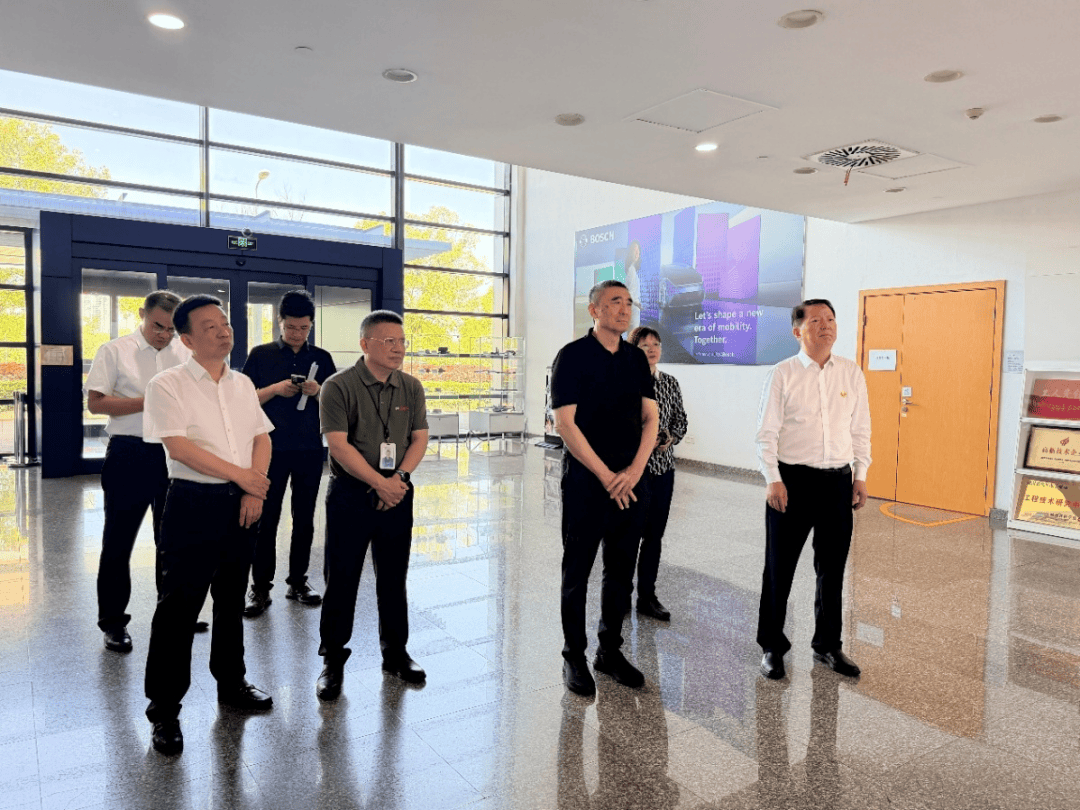
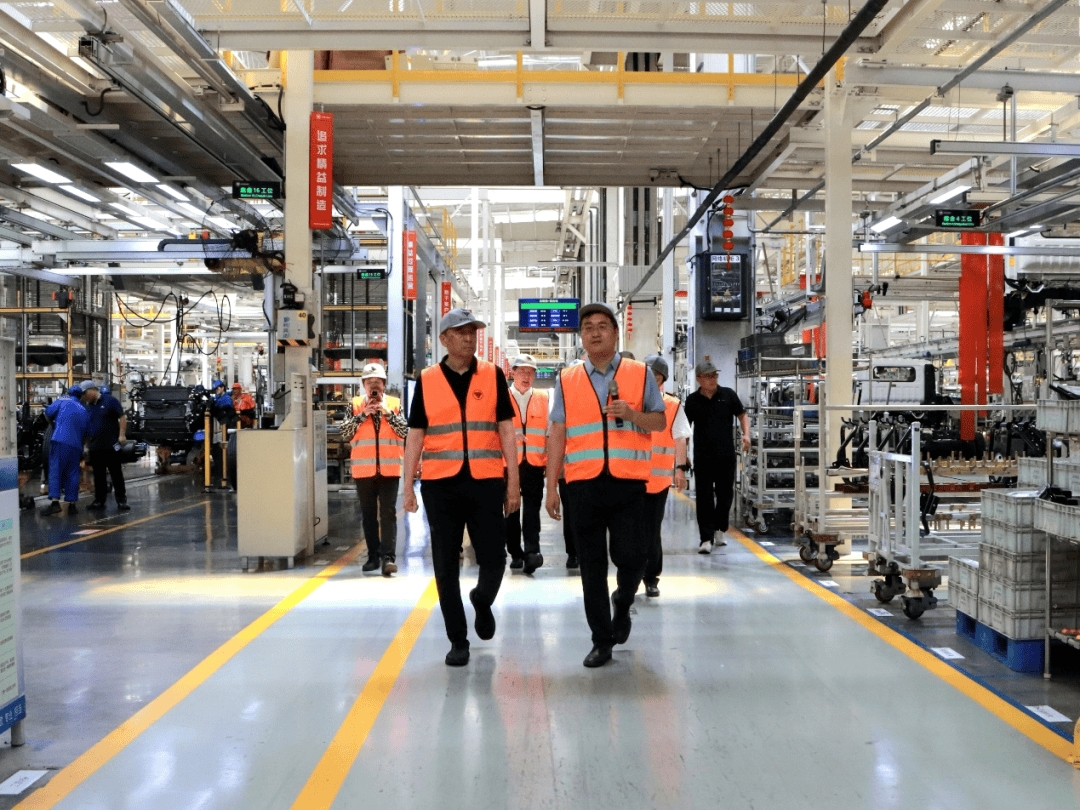
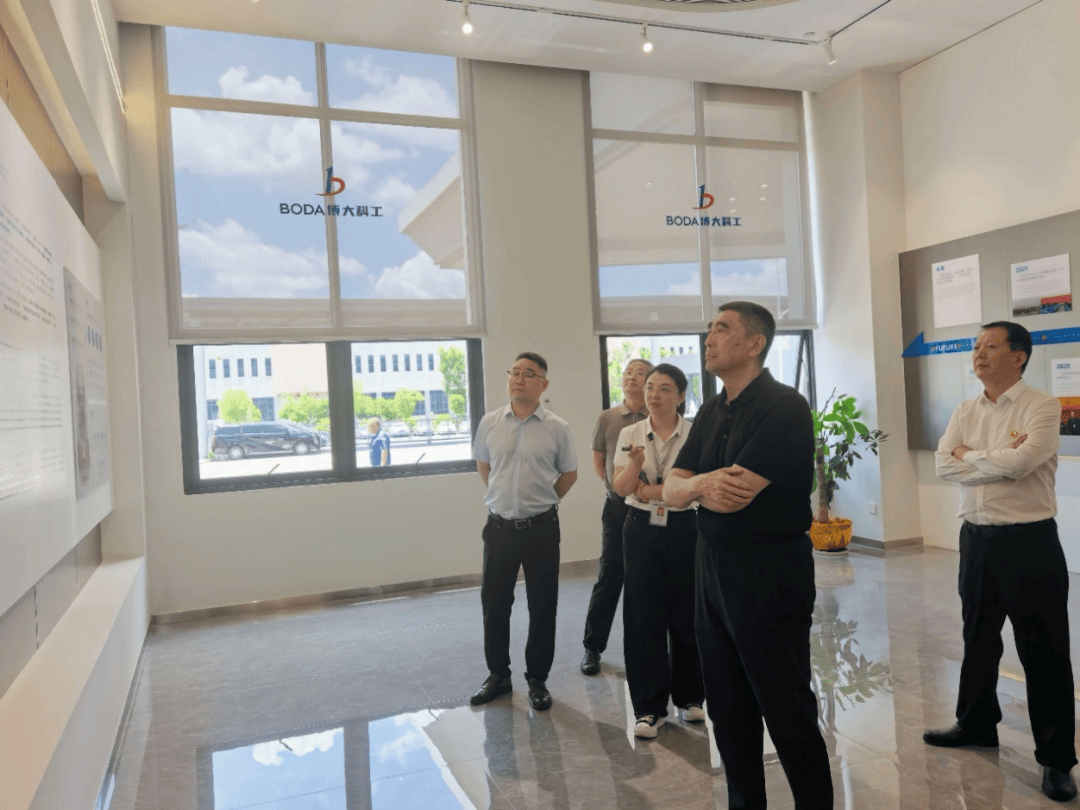
Relevant leaders from the Hunan Machinery Industry Association, Changsha Economic and Technological Development Zone, and Liuyang Economic and Technological Development Zone accompanied the research.
Related Products
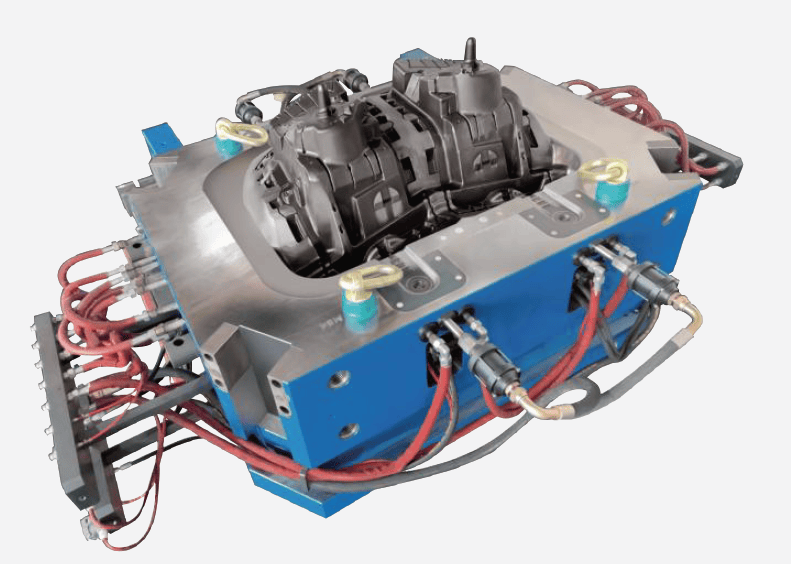

Aluminum-Magnesium Alloy High-Pressure Die-Casting Molds
NINGBO HELI TECHNOLOGY CO., LTD.
Industrial and Commercial Point-Type Gas Detector
Jinan Benan Technology Development Co., Ltd.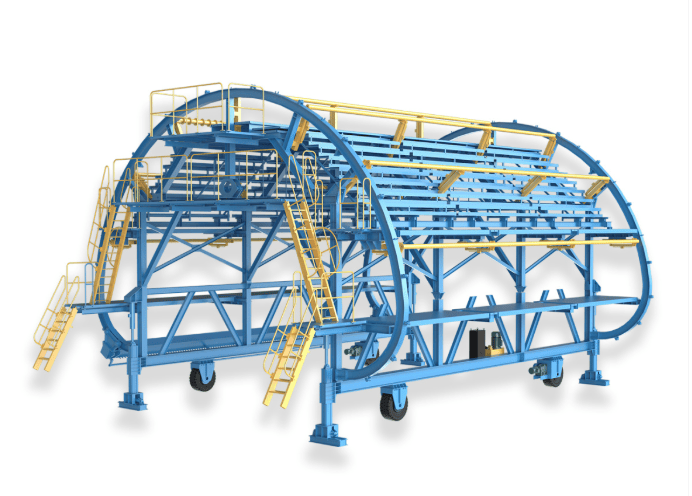
QLZNGJ Intelligent Steel Reinforcement Trolley
Luoyang China Railway Qiangli Machinery Co., Ltd.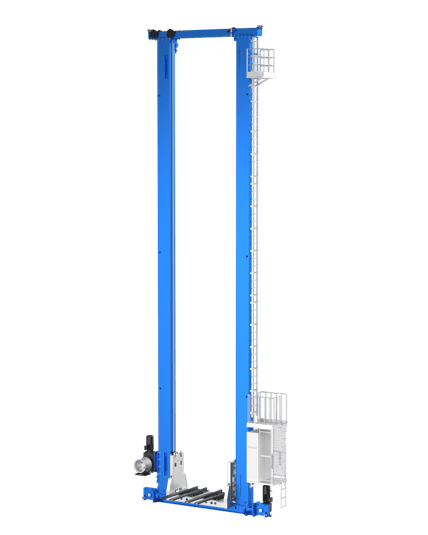
Pallet Solutions Product Line: HD3000 Double-Column Stacker Crane
Zhongding Intelligent (Wuxi) Technology Co., Ltd.
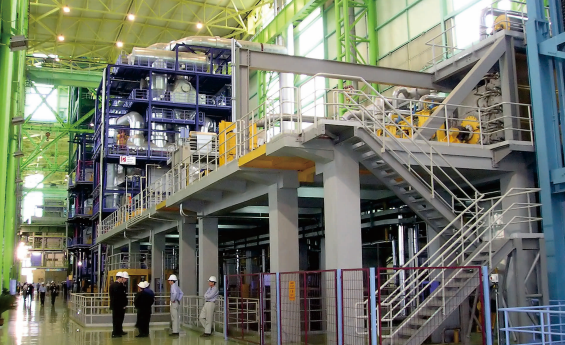
Strip Coating and Plating Production Line Equipment
MCC-SFRE HEAVY INDUSTRY EQUIPMENT CO., LTD.
Pneumatic high-pressure wear-resistant ball valve
Zhejiang Deca Control Valve Meter Co., Ltd.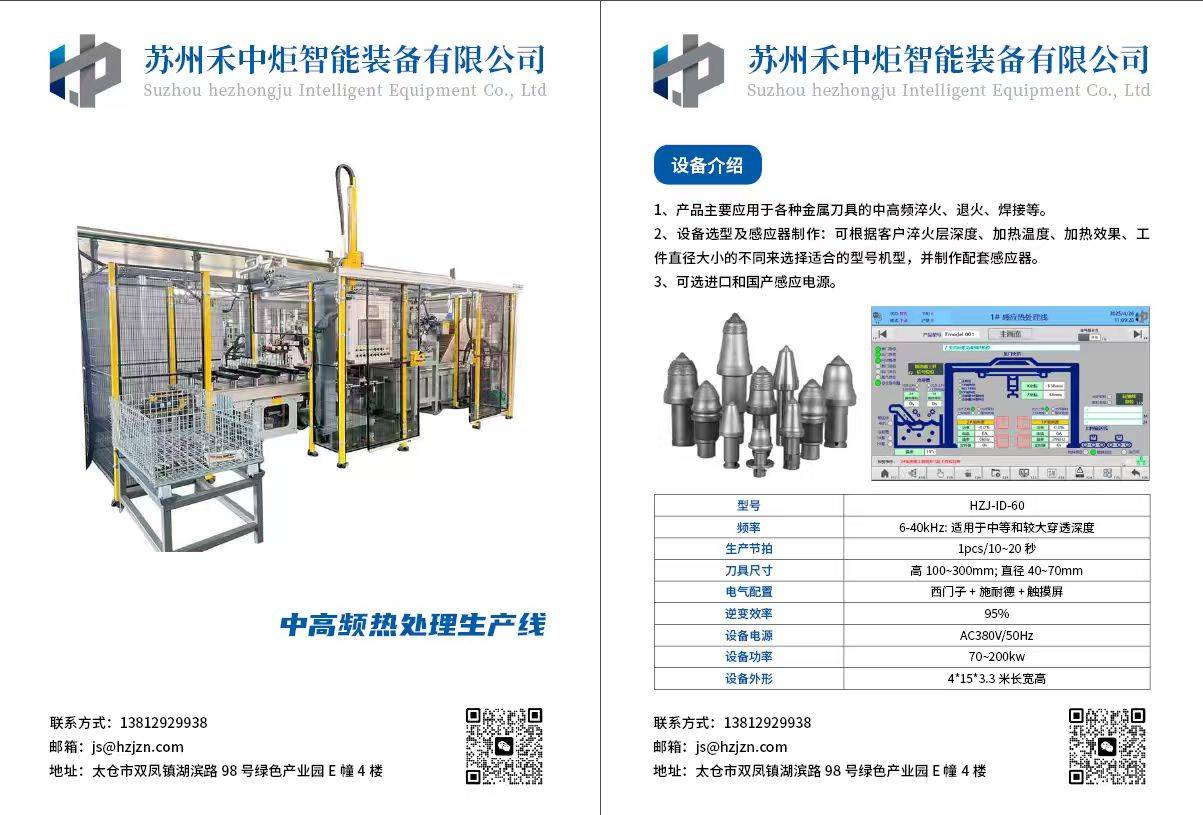
Excavator Bucket Teeth Heat Treatment Production Line
Suzhou Hezhongju Intelligent Equipment Co., Ltd.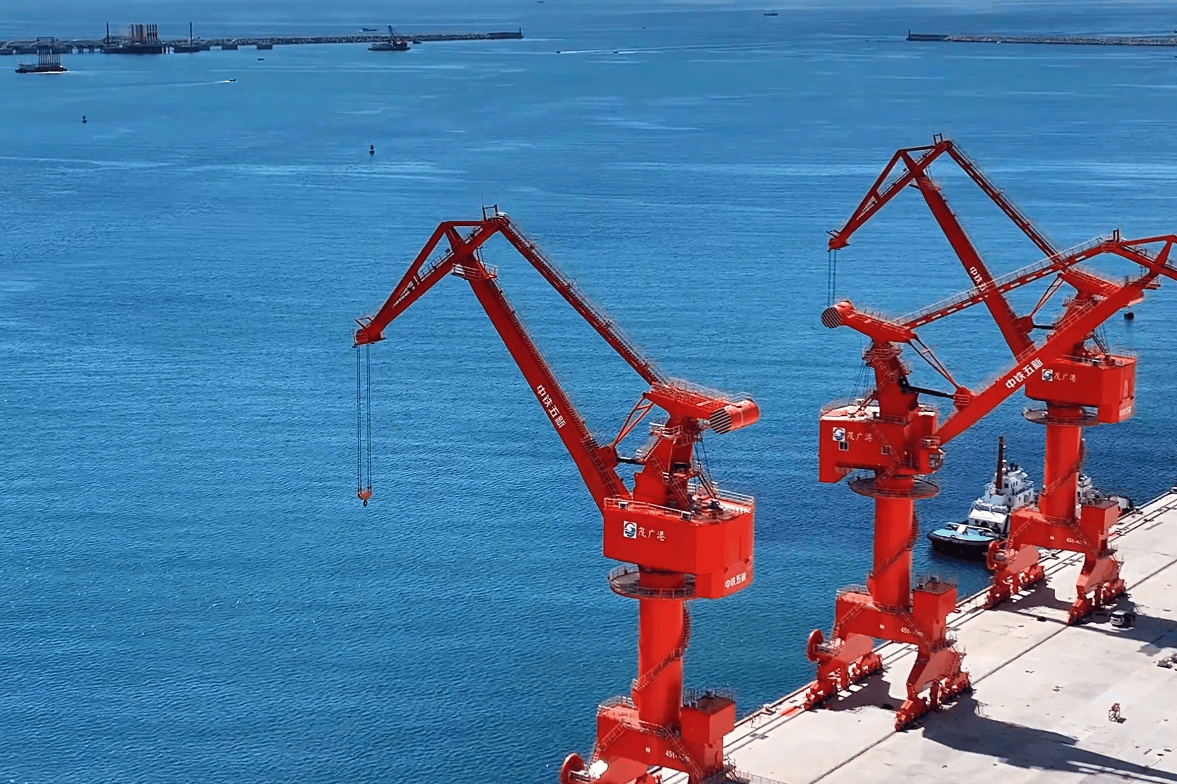
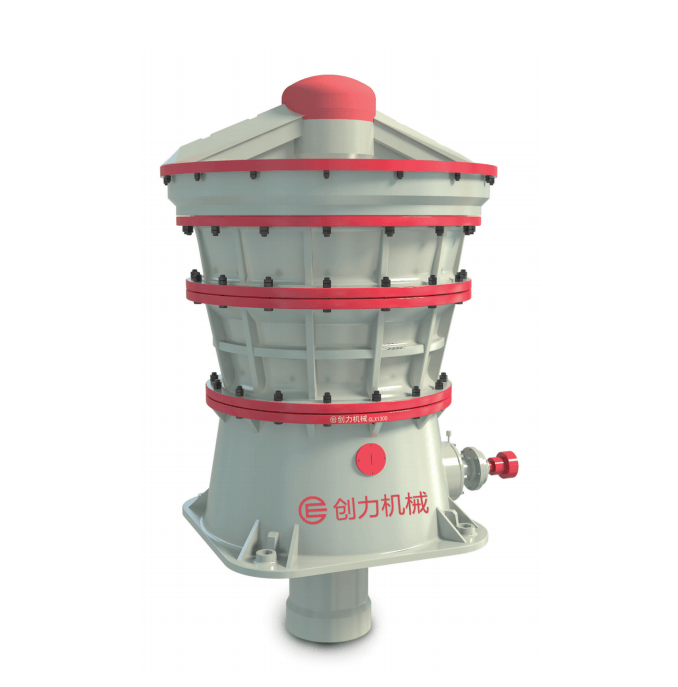
CLX Series Intelligent Hydraulic Gyratory Crusher
Guangdong CHUANGLI intelligent machinery Equipment Co., LTD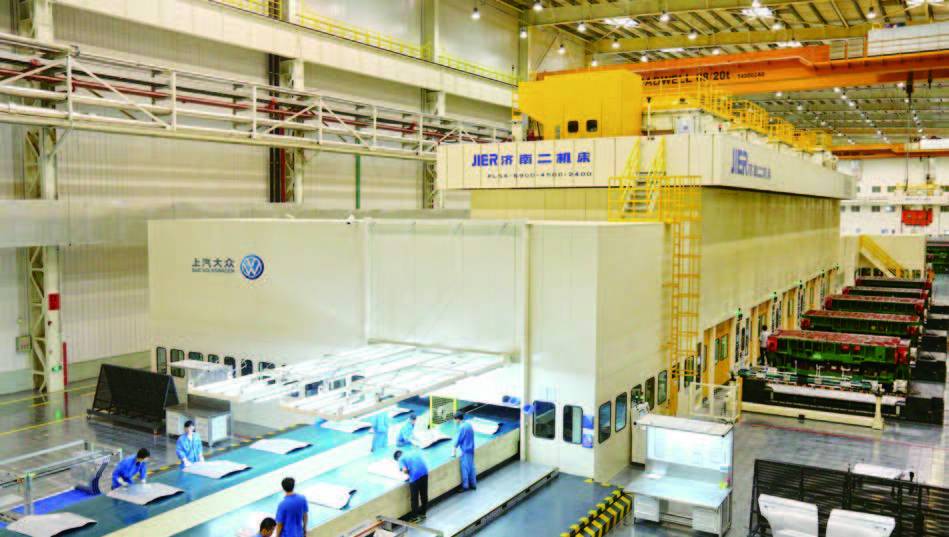
High-Speed Flexible Fully Automatic Stamping Production Line
JIER Machine-Tool Group Co., Ltd.