Canada Nickel CEO Predicts Nickel Prices Will Recover to $20,000/Tonne
en.Wedoany.com Reported - Mark Selby, CEO of Canada Nickel Company, shared his views on recent nickel price trends, supply conditions in Indonesia and the Philippines, demand trends related to electric vehicles, and corporate developments involving multiple nickel companies.
Selby believes that the recent decline in nickel prices is partly due to the overall strength of the U.S. dollar impacting the base metals sector. Additionally, market commentary suggesting that Indonesia may allocate more mining quotas has further dampened sentiment. Selby attributes this phenomenon to a combination of seasonal dynamics and market positioning. He explains that the second quarter is the period of highest nickel ore supply from the Philippines, with about half of the country's annual ore output produced during this time. Therefore, June to July is the most opportune window to pressure the market. As the Philippine mining regions enter the rainy season, ore supply is expected to gradually decrease for the remainder of the year. Selby notes that this supply pattern previously drove prices higher when supply was seasonally low at the end of last year.
Selby interprets that Chinese buyers and potential short sellers are leveraging this seasonal supply peak to pressure Indonesia into releasing more ore quotas. He views this as a leverage tactic rather than a fundamental shift in supply-demand balance. He draws a historical comparison to the 2022 nickel short squeeze on the London Metal Exchange, where Tsingshan's founder held large short positions that were eventually forced to close as nickel prices surged. Selby believes any current pressure campaign may persist for a few more weeks before fundamentals reassert themselves. He also reiterates his earlier expectation that nickel prices will recover to the $20,000 per tonne level.
Although spot nickel prices are weak, Selby points out that some indicators in the supply chain suggest the market is tighter than spot prices imply. He notes that due to the higher prices of mixed hydroxide precipitate (MHP) and nickel matte relative to nickel pig iron (NPI), approximately 40,000 tonnes of NPI inventory has been consumed and converted into nickel matte. This conversion shifts material from the stainless steel-oriented NPI supply chain to the battery-oriented finished nickel supply chain. Another indicator Selby cites is the narrowing spread between NPI and LME nickel prices. He mentions that historically, NPI traded at a discount of about $250 per tonne of nickel content to metal prices, but this has now fallen to $150 per tonne, confirming that the NPI market is currently very tight.
Selby expects this situation to support prices over time. He also notes that reported exchange and over-the-counter inventory levels in China have risen since January, while inventory levels in the rest of the world have declined, attributing this divergence partly to the aforementioned NPI-to-nickel matte conversion mechanism.
On the demand side, Selby reiterates a long-standing view that analysts underestimate nickel consumption related to electric vehicles and batteries. He points out that historical demand growth since 2019 has been around 7%, while typical analyst forecasts for this year are closer to 2%. Based on the latest data through May, despite only about 2% growth in EV sales, year-to-date battery-related nickel demand has increased by 37%. He attributes this gap primarily to a 12% increase in average battery pack size, driven by a market shift toward larger vehicles, including North American and luxury models.
Regarding the potential impact of AI-driven data center electricity demand on EV adoption, Selby says he does not see this as a major near-term concern for EV cost economics. He notes that a more direct impact on the mining industry is that heavy electrical equipment, such as transformers and switchgear, has become the longest lead-time item for new projects, and given competing demand from data center construction, he expects this bottleneck to persist.
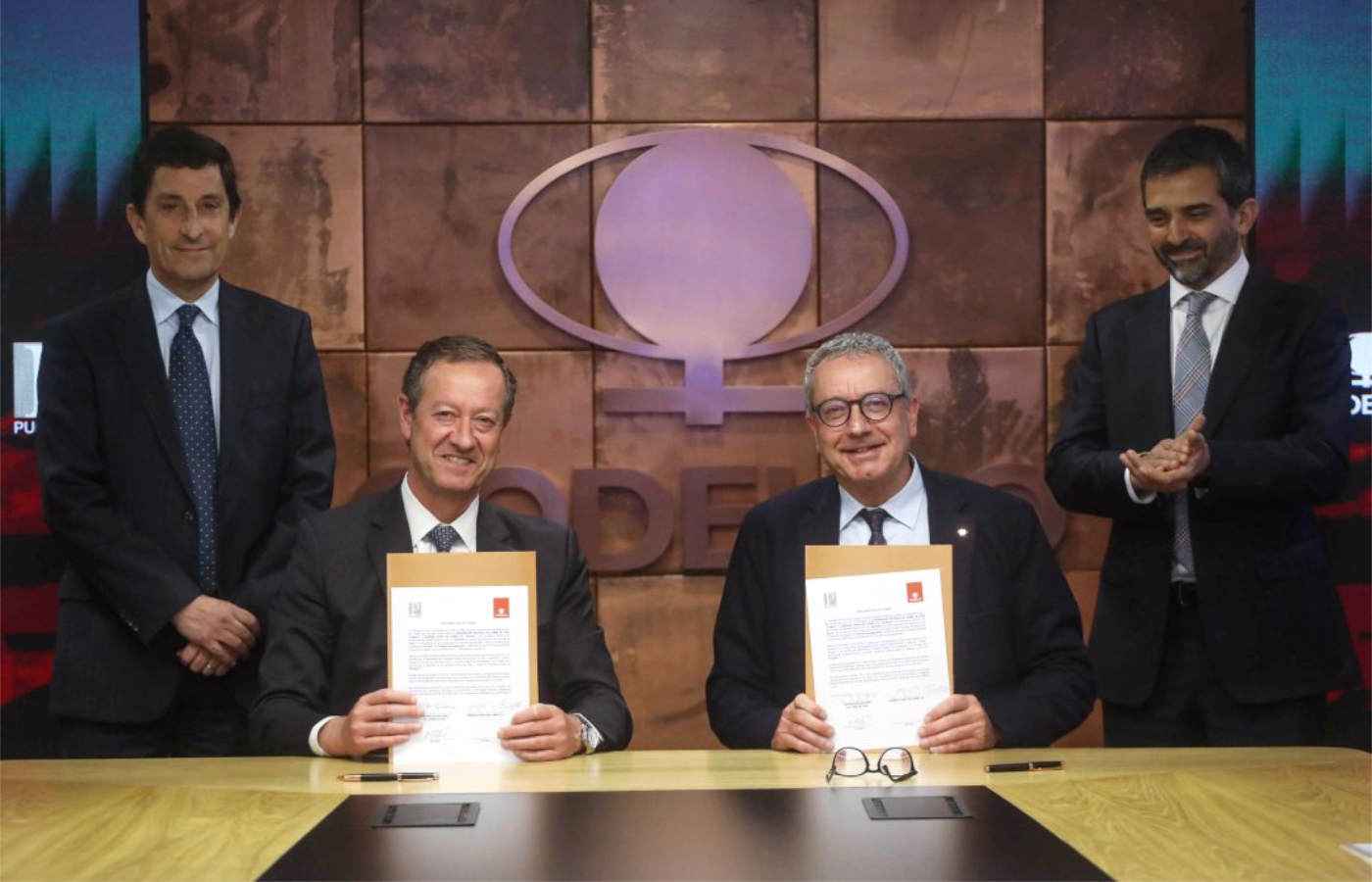
On the corporate front, Canada Nickel recently signed a memorandum of understanding with RWE, a major German utility. Selby says the arrangement revolves around low-carbon steelmaking raw materials, particularly the nickel-chromium magnetite product from Canada Nickel's Ontario project. He notes that Ontario's grid, supported by hydropower and growing nuclear capacity, provides a stable, low-carbon electricity source for European steelmakers facing rising carbon costs. He indicates that further work is needed to finalize details such as customer relationships, logistics responsibilities, and financing arrangements before the MOU transitions into a definitive agreement.
Selby also comments on recent developments at two other nickel companies. Magna Mining received a $140 million investment from South American mining investor Alpayana, which Selby says enables the company to shift from cash-burning development activities to generating cash flow. He describes Magna today as "more of a high-grade copper story" involving precious and platinum group metals, rather than a primarily nickel-focused story. Additionally, Sherritt International continues to navigate operational disruptions in Cuba related to U.S. executive orders, after previously forecasting that plant inventories would be depleted by mid-June. Selby notes that related governance issues have now been resolved, and a Trump-affiliated private equity firm is now involved. He expresses optimism about the potential value of Sherritt's refining technology. In closing, Selby notes that Canada Nickel has also diversified its own commercial relationships, recently signing offtake and marketing agreements with a large European company rather than relying solely on the U.S. market.
According to Selby's assessment, the discussion suggests that recent nickel price weakness may reflect short-term market positioning related to seasonal ore supply patterns rather than a fundamental shift in supply-demand balance. Supply chain indicators such as declining NPI inventories and narrowing NPI spreads suggest that spot prices do not fully capture underlying tightness. On the demand side, EV-related nickel consumption continues to outpace vehicle sales growth due to larger battery pack sizes, and Selby expects this trend to persist even amid short-term data fluctuations. Specifically for Canada Nickel, the MOU with RWE represents an early but strategically significant relationship targeting the European low-carbon steel market.
Related Products

Yunnan Phosphorus Chemical Group Co., Ltd. 2 Million t/a Phosphorus Ore Mining and Beneficiation Project
China Bluestar Lehigh Engineering Corporation
CITIC Heavy Industries Metallurgical Equipment Steel Smelting Engineering Equipment
CITIC Heavy Industries Co., Ltd.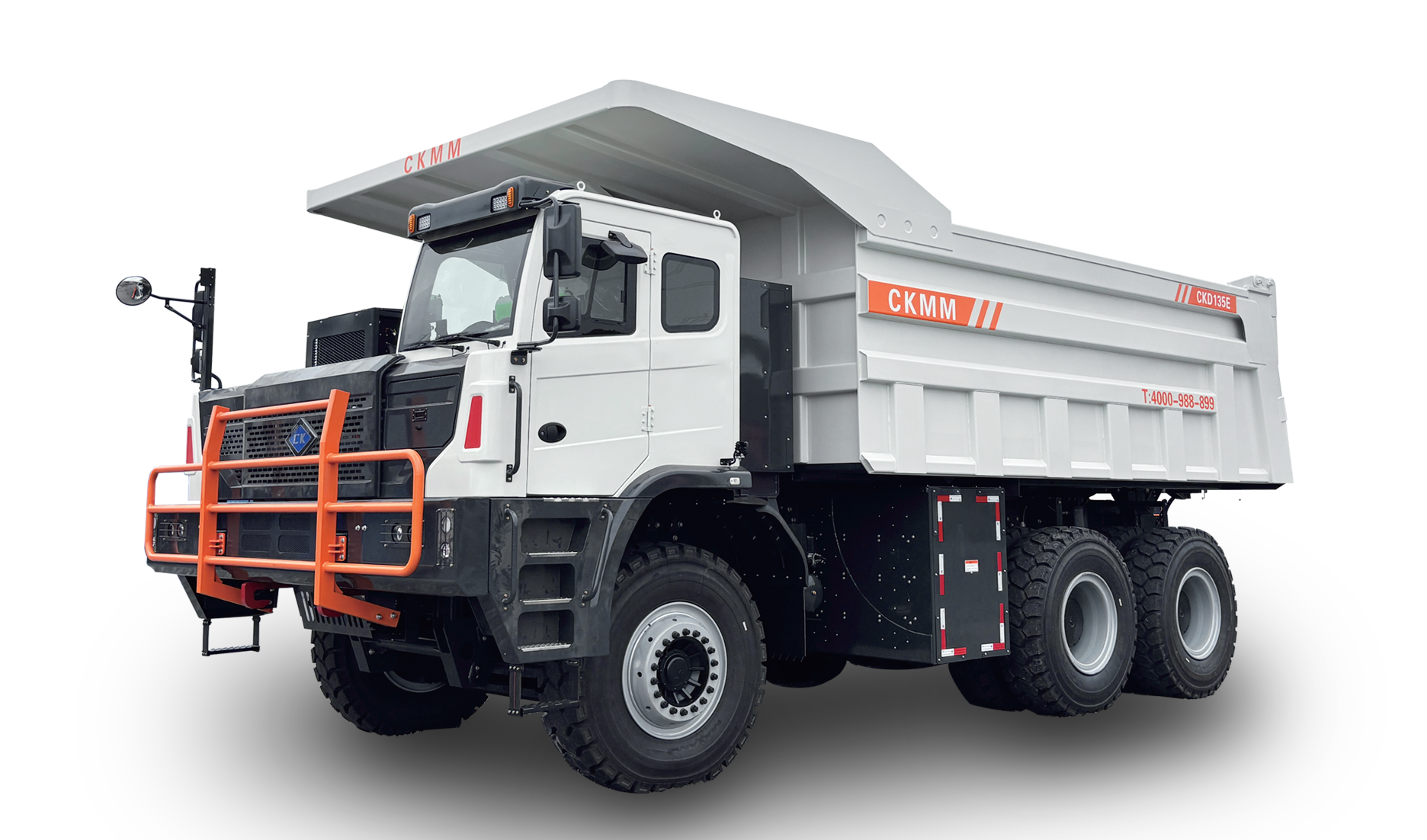
CKD135E Pure Electric Wide-body Dump Truck
Jiangsu Changkuang Engineering Machinery Co. Ltd.
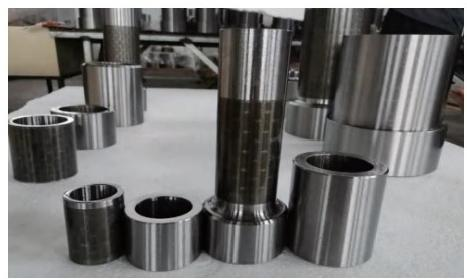
High-temperature Equal Wall Thickness High-power Screw Drilling Tool
Orient Energy & Technologies Co., Ltd.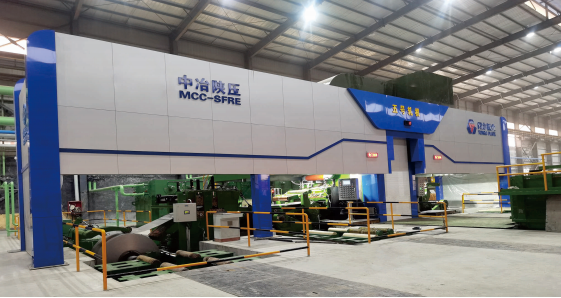
1050-1750mm Steel Strip Single-stand Reversible Cold Rolling Production Line
MCC-SFRE HEAVY INDUSTRY EQUIPMENT CO., LTD.