Meta's Self-Developed AI Chip Set for Mass Production in September
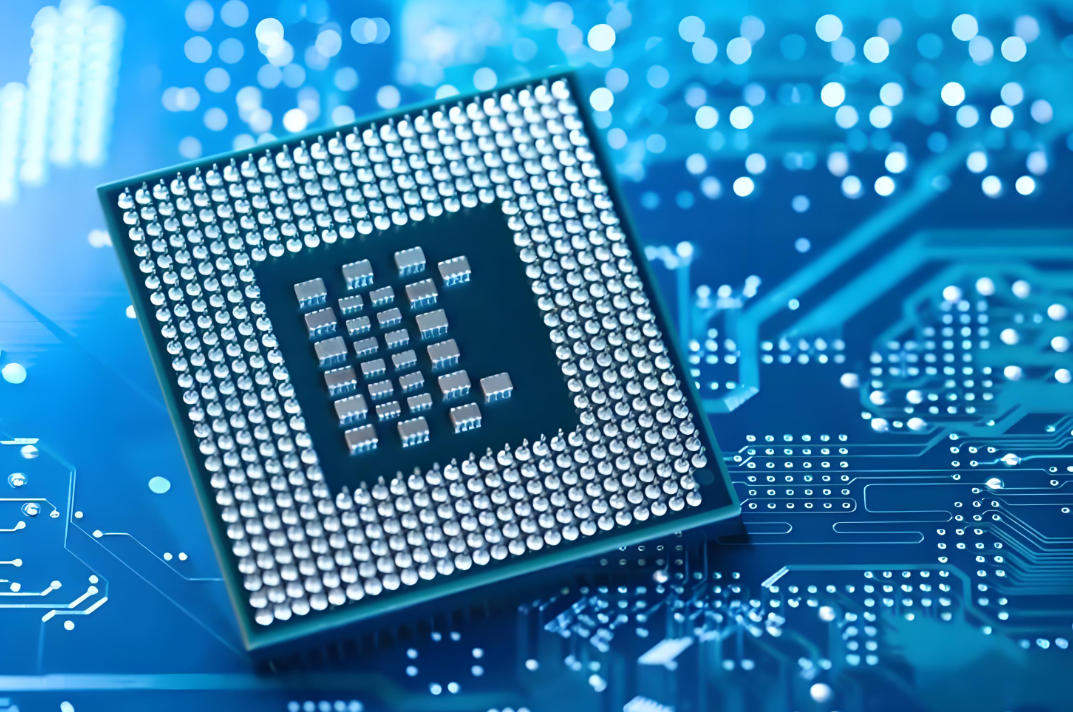
en.Wedoany.com Reported - Meta plans to begin production of its self-designed AI chip "Iris" for data centers this September. "Iris" is the codename for Meta's own AI accelerator "MTIA 400," designed by Meta based on its own needs, with Broadcom involved in the design and TSMC responsible for production.
According to Meta's internal memo, the company's strategy is to reduce reliance on external GPU suppliers such as Nvidia and AMD through its own chips, while lowering computing costs. Prototype testing lasted about six weeks, with no major defects found. Meta plans to launch the next-generation MTIA at approximately six-month intervals by 2027, which is faster than the typical AI chip development cycle of over a year.
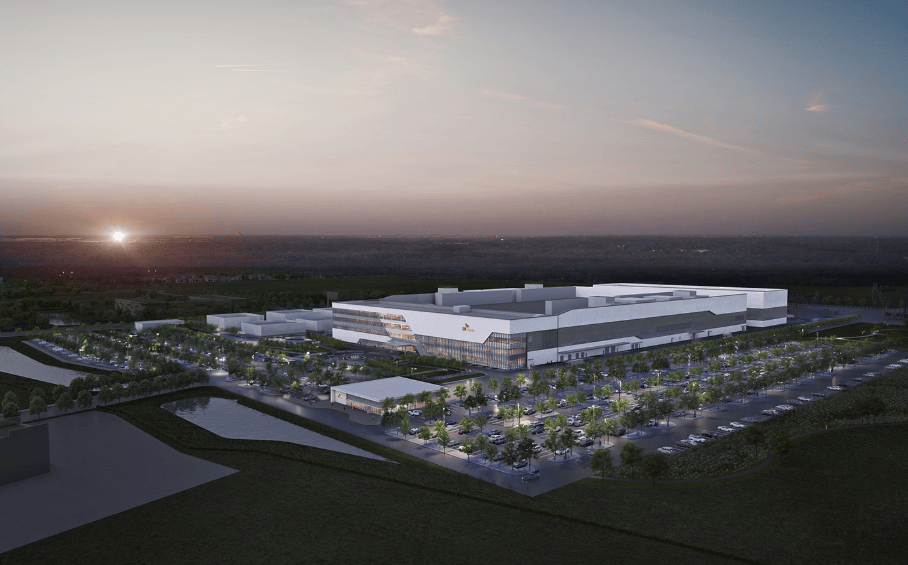
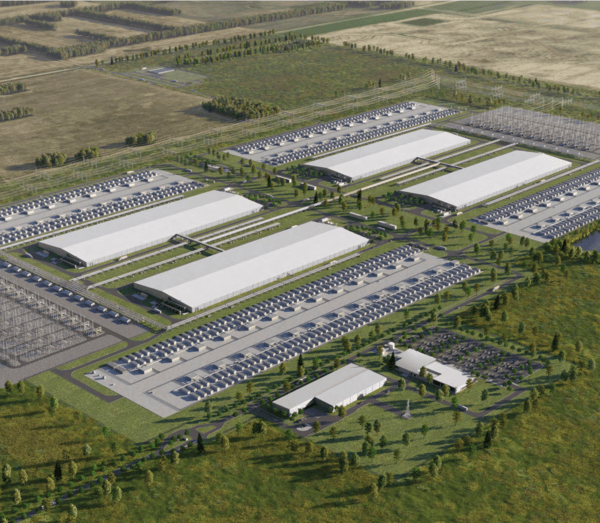
Meta will also significantly expand its computing infrastructure. This year, it plans to increase computing capacity to 7GW, adding 1GW in the first half of the year, an additional 5.5GW by year-end, and another 7GW next year to reach a total of 14GW. Capital expenditures related to AI infrastructure are expected to reach up to $145 billion this year, accounting for about 20% of the approximately $700 billion expected AI-related investments by major tech companies this year. To support infrastructure expansion, Meta has secured memory semiconductor supply contracts with Samsung Electronics, flash storage device supply contracts with SanDisk, and fiber optic equipment supply contracts with Sumitomo Electric.
On the same day, Meta also publicly released its first paid AI model API (Application Programming Interface), "Muse Spark 1.1," for developers. U.S. developers can use the service through a public preview, billed on a pay-per-use basis: $1.25 per million input tokens and $4.25 per million output tokens. New users receive $20 in free credits. Meta CEO Mark Zuckerberg stated that this will be one of the cheapest options, offered at highly aggressive and attractive prices.
The release of Meta's paid AI model also aligns with the intensifying price competition in the generative AI market. OpenAI recently launched GPT-5.6, introducing a performance-based pricing system and setting the usage fee for its popular model "Luna" at $1 per million input tokens and $6 per million output tokens. Anthropic has also implemented a limited-time discount rate for "Claude Sonnet 5." Industry analysts believe that the focus of competition in generative AI is shifting from model performance to operational costs and price competitiveness. Companies with their own semiconductors and data centers are better positioned to lower AI service costs and ensure price competitiveness. Mike Gualtieri, Vice President at research firm Forrester, stated that relying on other companies' chips cannot make a company a leader in the AI market, and from hyperscalers to SpaceX, companies are developing their own chips ultimately to secure cost competitiveness in AI services.
Related Products


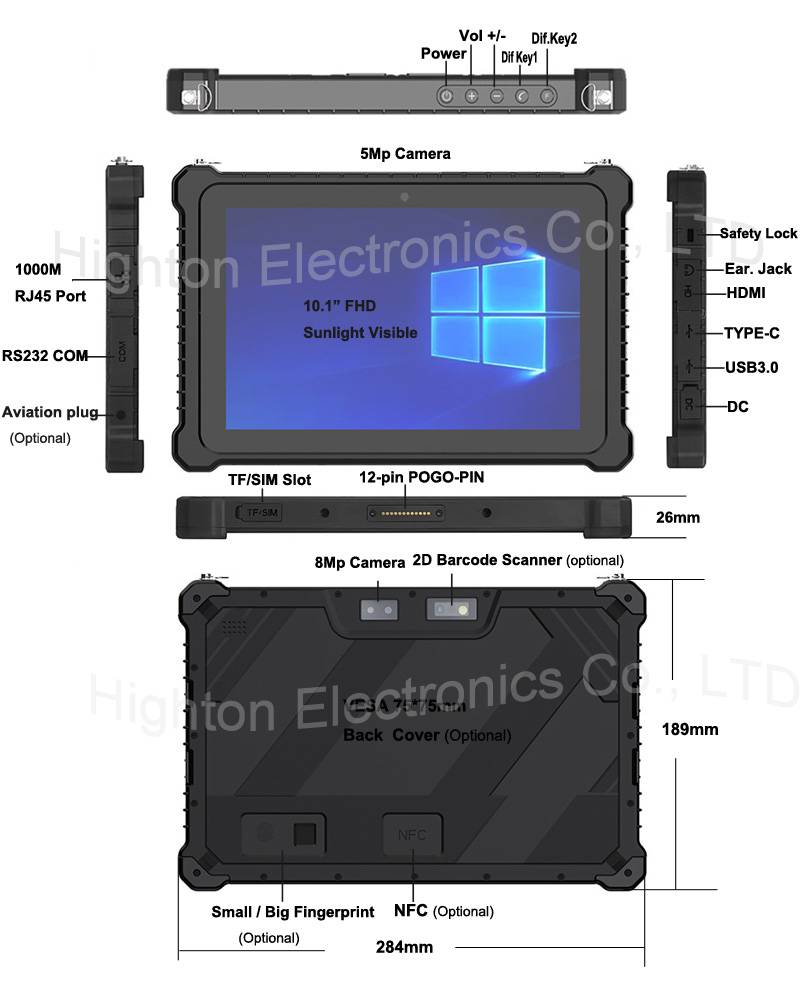
Hot Selling 10 Inch Intel N5100 I5 I7 FHD 8 +128GB 16+256GB Win10 Pro Win11 Pro 4G 5G Rugged Tablet PC Pad with NFC Barcode
Highton Electronics Co., Ltd.

Multi-function Marine Monitoring Low-altitude Detection Radar Sea-air Boundary Ocean Dynamic Environment Measurement
Chengdu Dixin Technology Co., Ltd.


MUX Series Communication Interface Device for Security and Stability Control System
Nanjing NR Electric Co., Ltd.

Automatic Aiming Laser Remote Obstacle Removal Robot
Pinggao Group Weihai High-Voltage Apparatus Co., Ltd.
G.652.D Wavelength-extended Non-dispersion Shifted Single-mode Optical Fiber
HONGAN GROUP CO., LTD.
20 Inch 1600*900 Full HD 60Hz TFT LED Monitor with VGA and DP Interfaces for Desktop Computers-Business Use
Guangzhou Zanying Optoelectronics Technology Co., Ltd.