China Allocates 800 Billion Yuan to Support "Two Priorities" Project Construction
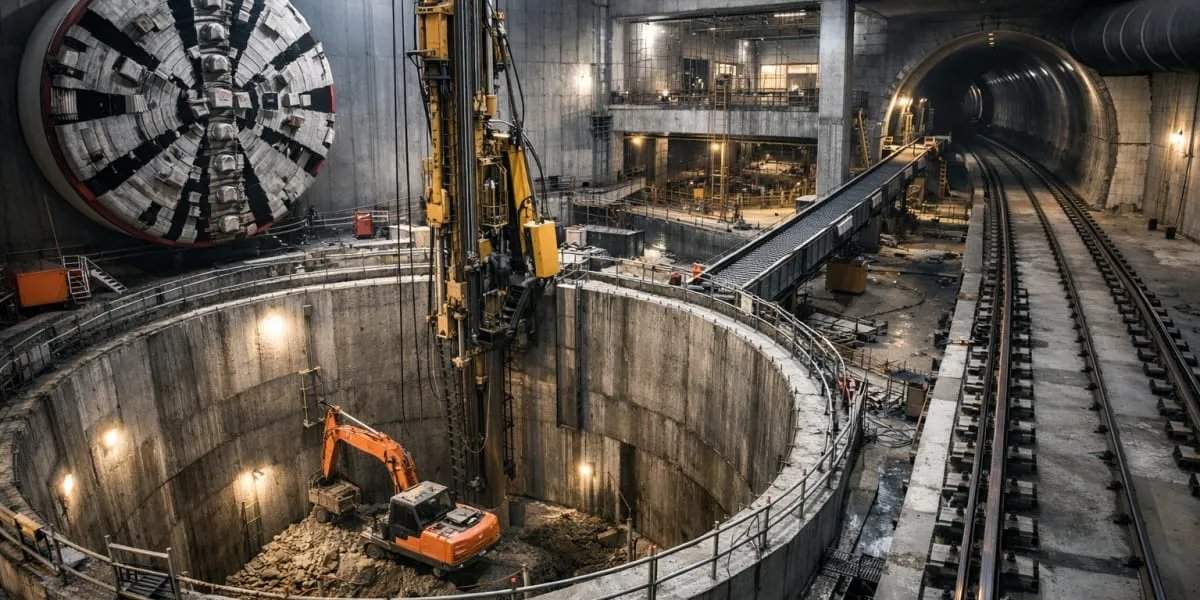
en.Wedoany.com Reported - Recently, the National Development and Reform Commission (NDRC) of China announced that the list of "Two Priorities" construction projects for this year has been fully distributed. Since the beginning of this year, the NDRC, in collaboration with relevant industry authorities, has coordinated the allocation of 800 billion yuan to support 1,417 major projects. These projects cover key areas such as technological innovation, ecological protection and restoration of the Yangtze River Basin, major transportation infrastructure along the Yangtze River, urban underground pipeline networks, major water conservancy projects, the New Western Land-Sea Corridor, higher education quality improvement and upgrading, and the "Three-North" Shelterbelt Forest Program.
In terms of "soft construction," relevant departments are advancing measures such as planning formulation, policy development, and institutional mechanism innovation. These include improving railway investment, financing, and pricing mechanisms, supporting cities along the Yangtze River in reforming sewage treatment charging models, researching and setting standards for the stable service life of various flood control engineering facilities, and deepening comprehensive reforms in agricultural water pricing.
Experts point out that the distribution pace of ultra-long-term special government bond funds supporting the "Two Priorities" construction this year is significantly faster than in previous years, reflecting a work orientation of "early deployment, early distribution, and early results." This has secured the initiative for projects to seize the golden construction period and generate tangible work output as soon as possible. These projects not only address current shortcomings and benefit people's livelihoods but also strengthen foundations and enhance long-term development potential.
However, since the second quarter, the growth rate of China's fixed asset investment has declined. Data released by the National Bureau of Statistics (NBS) shows that from January to May this year, China's national fixed asset investment (excluding rural households) totaled 17.8512 trillion yuan, a year-on-year decrease of 4.1%, with the decline widening by 2.5 percentage points from the previous month. Excluding real estate development, fixed asset investment fell by 1.2% year-on-year.
NBS spokesperson Fu Linghui stated that the widening decline in fixed asset investment is partly due to the impact of high temperatures and heavy rainfall in some regions, and also objectively reflects the transition between old and new development drivers, as well as the shift from quantitative expansion to qualitative improvement in investment. Despite the decline in investment growth, the investment structure continues to optimize, playing a significant role in strengthening foundations, promoting transformation, and benefiting people's livelihoods.
To stabilize and reverse the decline in investment, China has recently intensified its investment stabilization policies. The construction of the "Six Networks" and key areas is a major focus for expanding effective investment this year. NDRC spokesperson Li Chao recently stated that relevant plans and implementation schemes will be promptly introduced to further coordinate the construction content of the "Six Networks," clarify investment priorities in various fields, break down target tasks into annual plans, and specify timelines and progress schedules.
On June 16, NDRC Director Zheng Shanjie chaired a symposium, pointing out that the next step will involve strengthening the planning and construction of the "Six Networks," enhancing multi-network collaborative advancement, coordinating the use of various government funds and new policy-based financial instruments, strengthening guarantees for factors such as land and environmental impact assessments, adhering to both quality and efficiency, accelerating transformation and implementation, and promoting the formation of more tangible work output.
On June 30, the NDRC held a national on-site meeting to promote the growth and expansion of the private economy, showcasing over 290 high-quality projects to attract private investment. A relevant official from the NDRC's Private Economy Development Bureau stated that during the "15th Five-Year Plan" period, the output value of China's six emerging pillar industries is expected to expand to over 10 trillion yuan, with the total scale of the service sector having a growth space of 20 trillion yuan. As the construction of the "Six Networks" and key areas accelerates, private enterprises should seize development opportunities and invest in key areas.
In terms of funding, the NDRC previously clarified that it will promote the distribution of 755 billion yuan in central budget investment and 1 trillion yuan in ultra-long-term special government bonds for this year, essentially completing distribution by the end of June. It will further increase the proportion of local government special bonds used for project construction and accelerate the orderly release of 800 billion yuan in new policy-based financial instrument funds.
Experts suggest that, overall, under the current policy orientation of stabilizing and reversing the decline in investment, the growth rate of fixed asset investment is expected to gradually return to positive territory in the later period. The recent slowdown in growth is more attributable to adjustments in policy pacing. It is anticipated that infrastructure investment will have room to accelerate in the second half of the year, with the annual growth rate likely to be around 4.0% to 4.5%, an acceleration of 5.5 to 6.0 percentage points compared to last year.
Related Products


Pure Polyurethane Wall Panel BD-AEF-PIR-01
Baodu International Engineering Technology Co., Ltd.
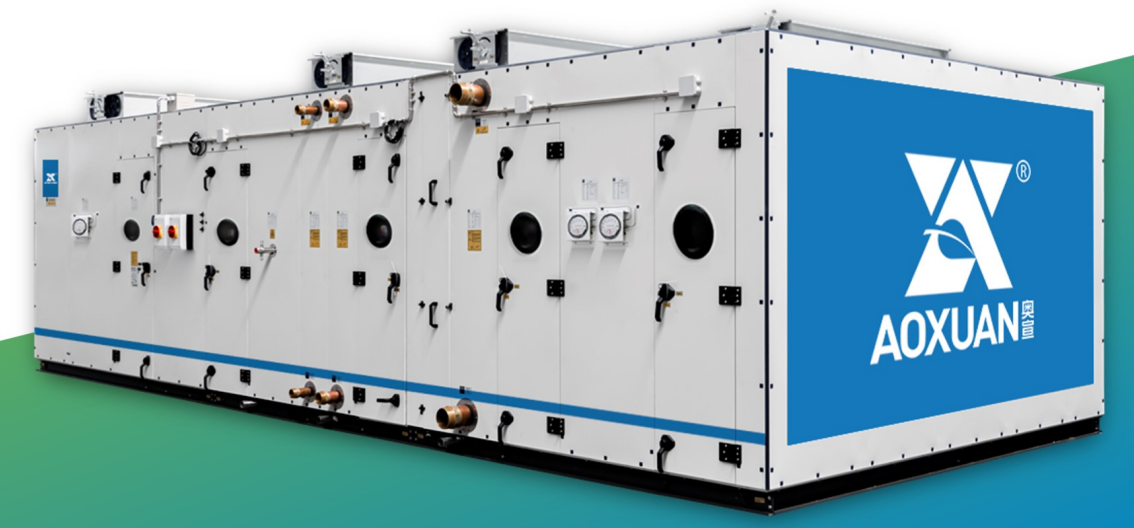
Aoxuan Intelligent Precision Air Conditioning Unit
SHANGHAI AOXUAN PURIFICATION TECHNOLOGY CO., LTD.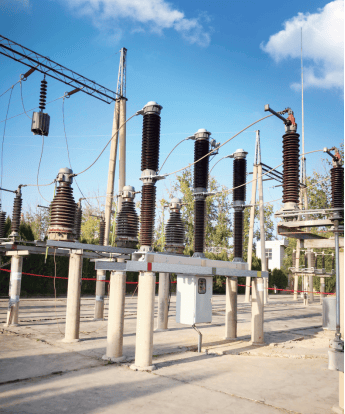
145kV Porcelain Column Type Sulfur Hexafluoride Circuit Breaker
TBEA ZONFA Shanghai High Voltage Switchgear Co., Ltd.
Ceiling light | led Ceiling Light | LED Indoor light | LED Ceiling lighting
Queendom Group Technology Co., Ltd.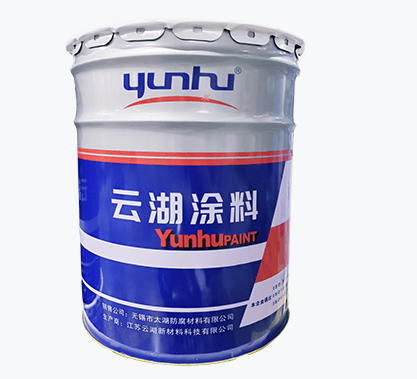
YHTank8400N Solvent-Free Liquid Epoxy Coating
JIANGSU YUNHU NEW MATERIAL TECHNOLOGY CO., LTD.