Micron Japan Launches $9.3 Billion Hiroshima Plant Expansion, Focusing on 1γ DRAM and HBM Capacity
en.Wedoany.com Reported - In Higashihiroshima, Hiroshima Prefecture, Japan, Micron Technology has officially launched a total investment of 1.5 trillion yen (approximately $9.3 billion) for a factory expansion project, with a groundbreaking ceremony held on July 4, 2026, local time. This is Micron's core capacity deployment in response to the explosive demand for storage in the AI era, and a key project for Japan to revitalize its domestic semiconductor industry chain. Japan's Ministry of Economy, Trade and Industry will provide up to 500 billion yen in subsidies for the project.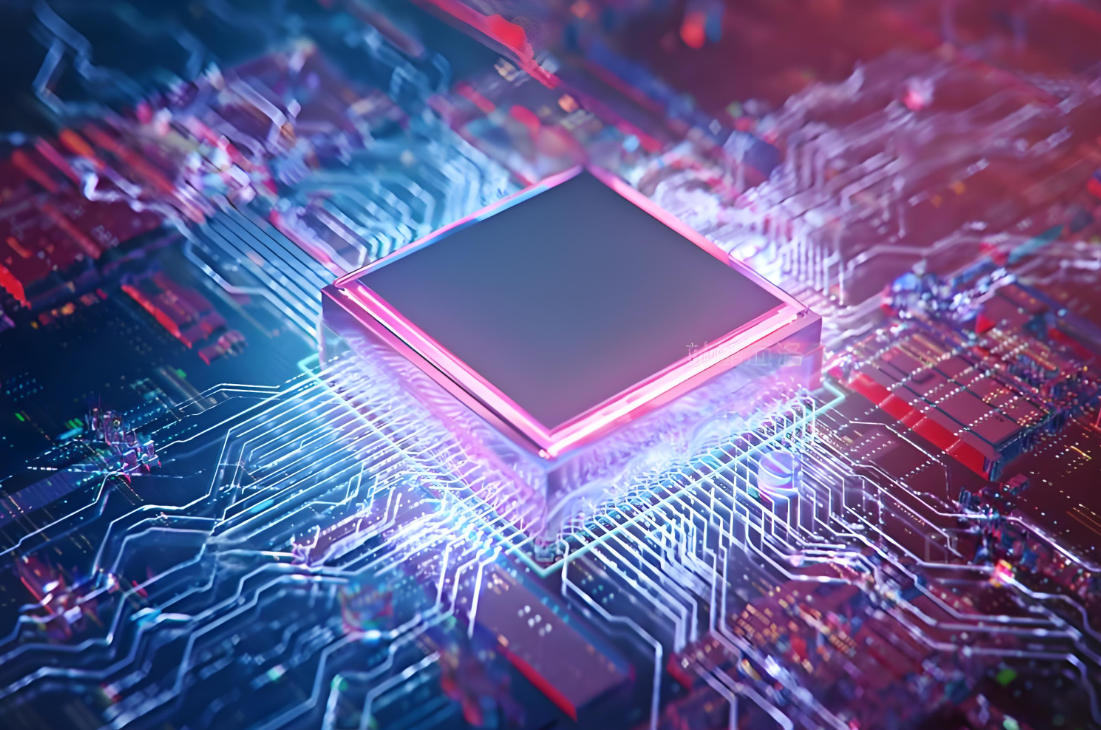
The Hiroshima plant boasts a semiconductor manufacturing heritage spanning over 35 years, reflecting the evolution of Japan's memory industry. Established in 1988 as the NEC Hiroshima plant, it was integrated into Elpida Memory in 2003 during Japan's DRAM industry consolidation. After Micron acquired the bankrupt Elpida in 2013, it officially became Micron's core operational entity in Japan. Micron's first mass-produced HBM wafer in history was born here. The plant is also surrounded by upstream material suppliers for photoresists, specialty electronic gases, and silicon wafers, with approximately 80% of production raw materials available for local procurement, offering significant advantages in supply chain stability and process support capabilities.
The core technology of this expansion is Micron's 1γ (1-gamma) process DRAM, currently the world's most advanced DRAM technology node. Based on the technical accumulation of Micron's 1α and 1β process generations, this technology marks the first comprehensive application of extreme ultraviolet lithography in DRAM manufacturing, paired with a new generation of HKMG and CMOS process solutions. Compared to the previous 1β process, 1γ DRAM reduces power consumption by over 20%, increases storage density by more than 30%, and doubles bit performance, enabling it to meet high-performance storage needs across multiple scenarios such as AI computing, high-end consumer electronics, smart vehicles, and cloud data centers. In addition to standard DRAM products, the new production line will also focus on high-bandwidth memory (HBM) capacity, covering high-end products for AI computing power such as HBM4 and HBM4E. Currently, Micron's HBM4, developed for NVIDIA's Vera Rubin platform, has entered mass production.
According to the project plan, this expansion will involve constructing a new cleanroom production facility covering 28,000 square meters, with construction and equipment installation carried out in phases. The production line is expected to commence commercial shipments in the summer of 2028 and reach full capacity by 2030, at which point monthly wafer output will reach 40,000 units. Japan's Minister of Economy, Trade and Industry, Ryosei Akazawa, stated at the groundbreaking ceremony that Micron is currently Japan's only domestic DRAM manufacturer, and this investment holds strategic value for Japan's semiconductor ecosystem. According to Counterpoint Research data, SK Hynix held a 58% share of the global HBM market in the first quarter of 2026, while Micron's market share rose from 9% at the end of 2024 to approximately 21% by the end of 2025, surpassing Samsung to become the world's second-largest player. This expansion of the Hiroshima plant is a key move for Micron to narrow the gap with the industry leader and compete for dominance in the AI storage market.
Related Products



Comprehensive Mining Automation Control System
Beijing Tianma Intelligent Control Technology Co., Ltd.

Conveyor Belt Intelligent Monitoring System
LUO YANG WIRE ROPE INSPECTION TECHNOLOGY CO., LTD.


Multi-function Marine Monitoring Low-altitude Detection Radar Sea-air Boundary Ocean Dynamic Environment Measurement
Chengdu Dixin Technology Co., Ltd.
Flat Portable Satellite Terminal 0.35m Aperture Manual Portable Terminal
China Starwin Science & Technology Co., Ltd.
GYTA Type Non-Self-Supporting Aerial/Duct Optical Cable
TONGDING INTERCONNECTION INFORMATION CO., LTD.