City University of Hong Kong Achieves 20.5% Efficiency in Organic Solar Cells
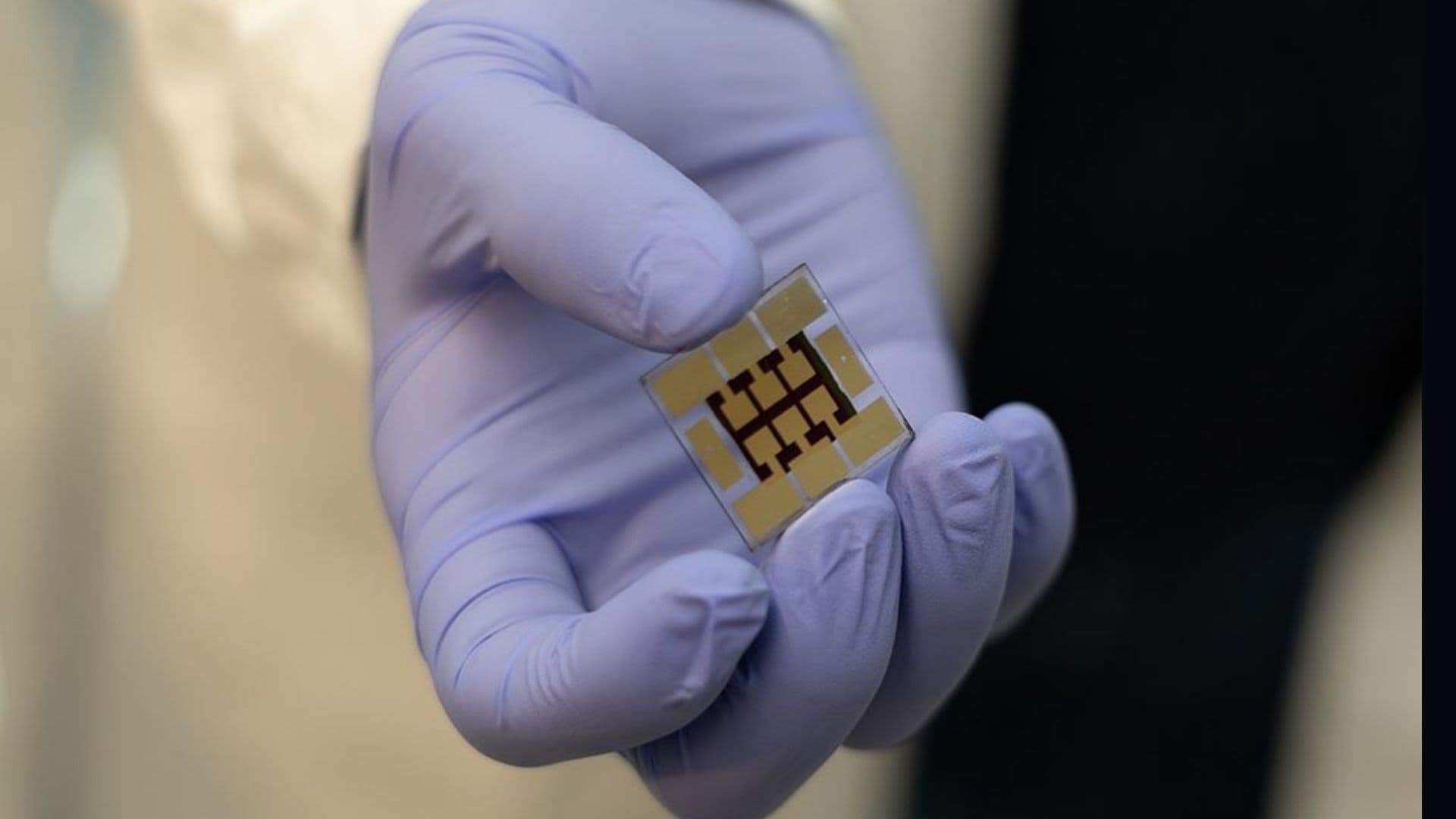
en.Wedoany.com Reported - Researchers at the City University of Hong Kong (CityUHK) have achieved a power conversion efficiency of 20.5% in organic solar cells, with the key being a new strategy for recycling triplet excitons—converting these typically non-luminescent excited states, often considered energy loss channels, back into extractable free charge carriers, thereby reducing energy losses in conventional organic photovoltaic devices.
Triplet excitons in organic solar cells have historically constrained efficient charge generation due to their long lifetimes and spin-forbidden transitions. The mechanism developed by the CityU team can convert these trapped excited states into free electrons and holes collectable at the electrodes, enhancing photocurrent output without sacrificing device voltage. Currently, certified efficiencies of organic solar cells have exceeded 20%, and laboratory-scale devices have surpassed 21% efficiency through pathways such as non-fullerene acceptors, morphology control, and reduced energy losses.
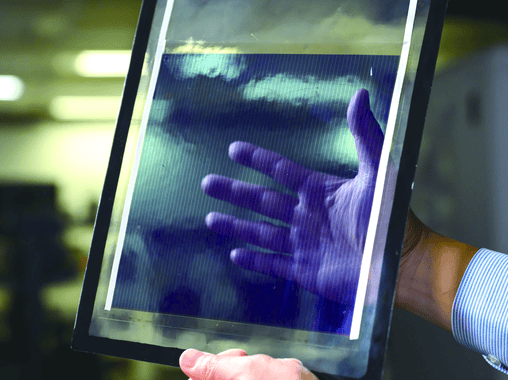
The researchers used organic solar cells integrating a small-molecule non-fullerene acceptor (NFA) named FTh-4F, which belongs to the fused-ring electron acceptor family and features strong near-infrared absorption, efficient electron transport, and low energy losses. "After introducing this acceptor as a ternary component into other host organic photovoltaic systems, we recovered triplet-mediated losses and improved organic photovoltaic efficiency by maximizing the number of extractable photocarriers," the research team explained.
Experiments revealed that the persistence of free charge carriers is much longer than that of spin-triplet excitons, indicating that triplet excitons can be converted back into free charge carriers rather than dissipating as heat. By increasing the number of triplet excitons through sensitization, the researchers confirmed this recycling pathway via interfacial triplet charge transfer state experiments. Additionally, optimizing the acceptor's side-chain structure and exciton delocalization reduced the singlet-triplet energy gap (ΔEST), enabling more efficient triplet exciton dissociation. Subsequent laboratory experiments pushed the power conversion efficiency beyond 21%, though further details were not disclosed.
The related findings were published in the journal Nature under the title "Recycling of spin-triplet excitons in organic photovoltaics." The researchers stated: "This study refines the scientific framework of exciton/charge carrier evolution in organic optoelectronic devices and opens broad application prospects for systems involving charge separation and charge recombination processes, expected to significantly improve energy utilization efficiency and drive the transition toward a cleaner, more efficient, and more sustainable future."
Related Products


CITIC Heavy Industries Offshore Wind Power Equipment Hydraulic Pile Hammer
CITIC Heavy Industries Co., Ltd.
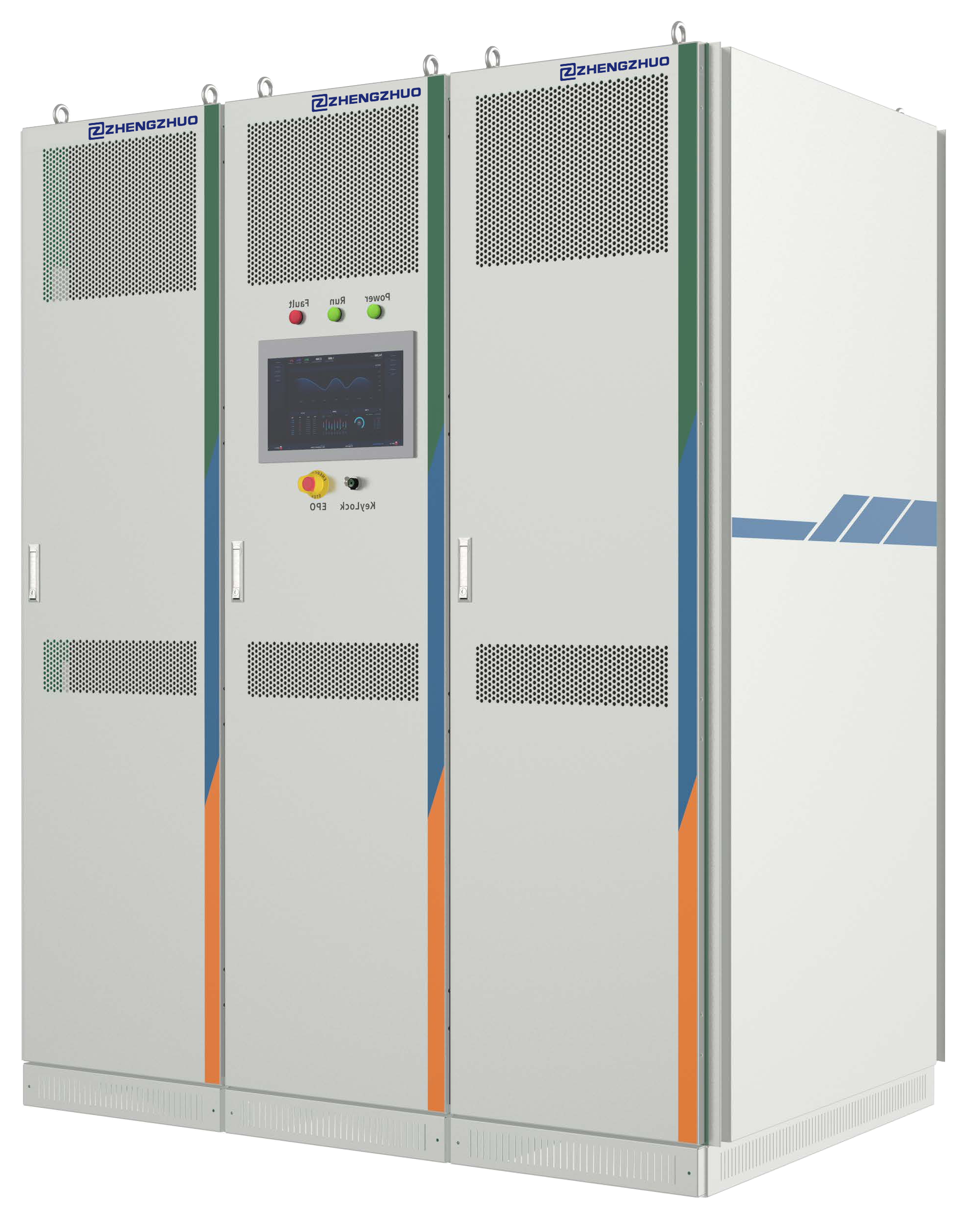
IGBT Hydrogen Production Power Supply - High Power Air Cooling
Beijing Zhengzhuo Engineering Technology Co., Ltd.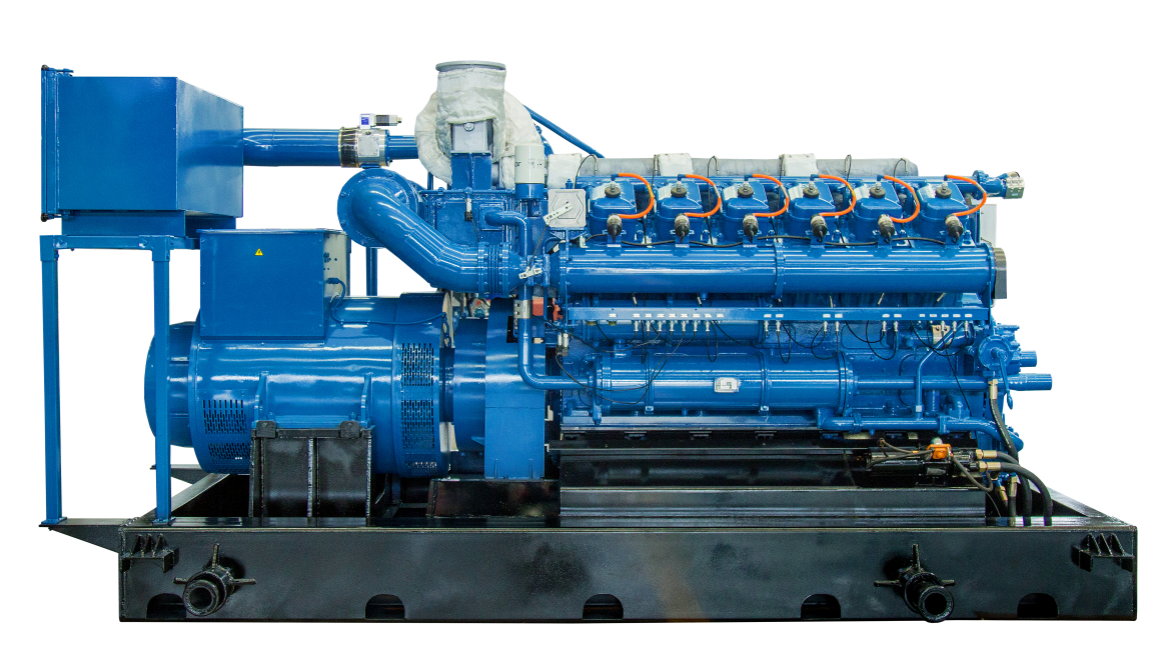

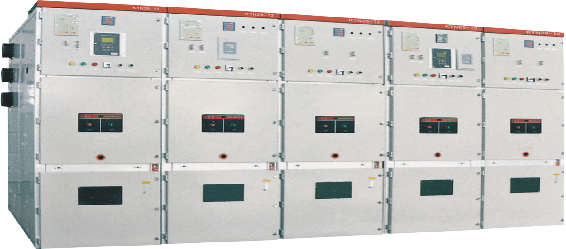
KYN28-12/24 Indoor High-Voltage Metal-Clad Removable Switchgear
Shenzhen Zhaoyang Hui Technology Co., Ltd.


Microcomputer Protection and Substation Automation
Beijing Agent Devote Power Technology Development Co., Ltd.