German Robotics Association: 5% Revenue Decline Expected in 2026, but Automation Demand Still Rising
en.Wedoany.com Reported - Patrick Schwarzkopf, Managing Director of the Robotics + Automation Association (Fachverband Robotik + Automation) under the German Engineering Federation (VDMA), recently shared his views on industrial automation trends, noting that although the industry's turnover is expected to decline by 5% in 2026, demand for automation solutions from manufacturing companies continues to grow. Human-machine collaboration and artificial intelligence are becoming key drivers of process optimization. These topics will be central to discussions at the AMB 2026 international metalworking exhibition in Stuttgart.
Schwarzkopf analyzed that due to geopolitical tensions and challenges related to corporate localization, companies remain cautious about new investments, but the automation trend has not reversed. Demographic changes will become increasingly prominent in the coming years, and companies need to alleviate the workload of qualified employees through automation to maintain competitiveness. The rapid development of AI, particularly in generative AI and physical AI, is creating new opportunities, including the development of "Agentic AI" and simplifying the operation and programming of automation solutions. Additionally, channels such as the International Federation of Robotics (IFR) online platform Go4Robotics can serve as information sources for companies seeking solutions.
Automation is no longer limited to mass production; robotic solutions are becoming a viable option for small-batch manufacturing. Schwarzkopf stated that technological advancements have lowered the entry barrier for small and medium-sized enterprises. The "small batches, high variety" model requires programming systems that are fast and easy to operate, making "no-code" solutions particularly important. Automation processes can be configured via drag-and-drop functions on graphical interfaces, and robot motion trajectories can be defined through manual guidance and saved with a single click. He believes that outdated notions of automation being too complex or too costly no longer reflect reality, and companies can experience mature solutions firsthand at professional trade fairs.
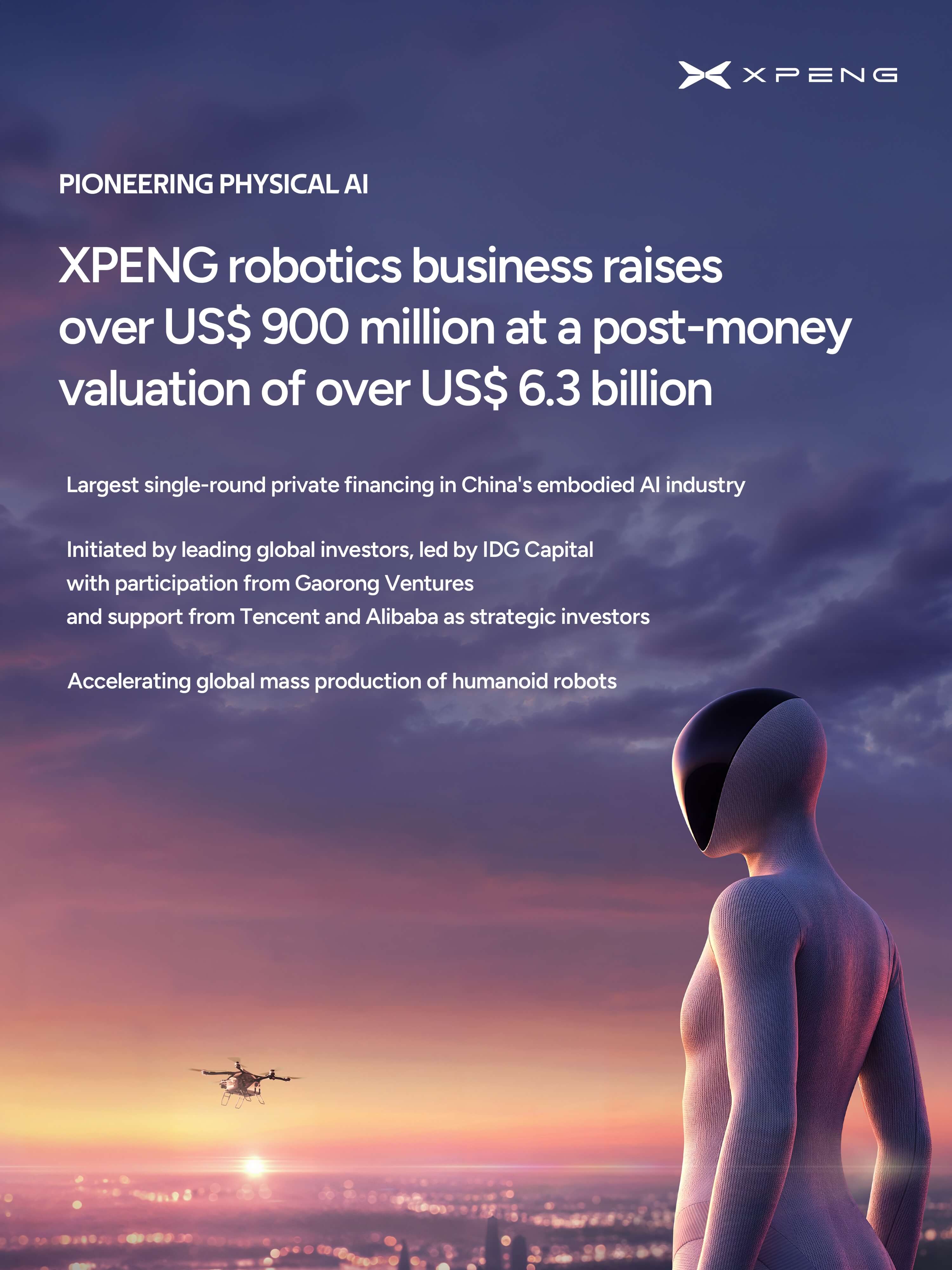
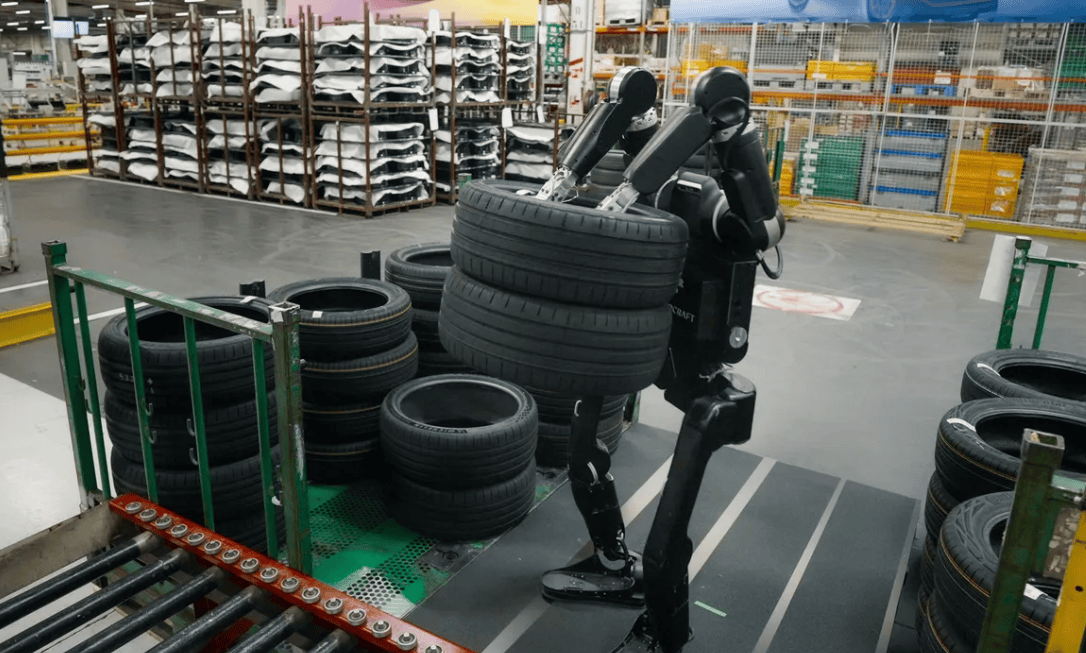
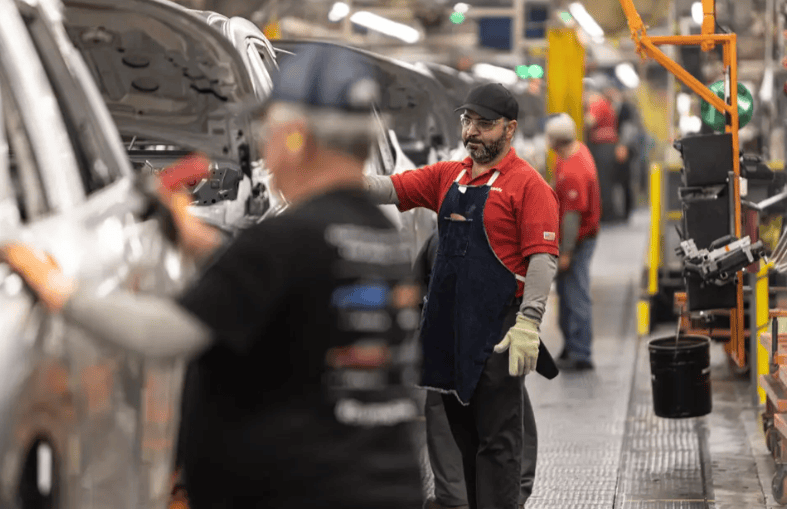
Direct human-machine collaboration is becoming a reality with simplified programming and the development of AI sensors. Schwarzkopf noted that collaborative robots (cobots) have successfully established themselves, but most applications still focus on "coexistence" (operation without protective fences) rather than direct interaction. Humanoid robots are driving collaboration into a new, closer phase, with AI helping robots understand their environment and act autonomously. Although significant development work remains, humanoid robots have moved from laboratories to industrial pilot projects, promoting deeper interaction between humans and machines.
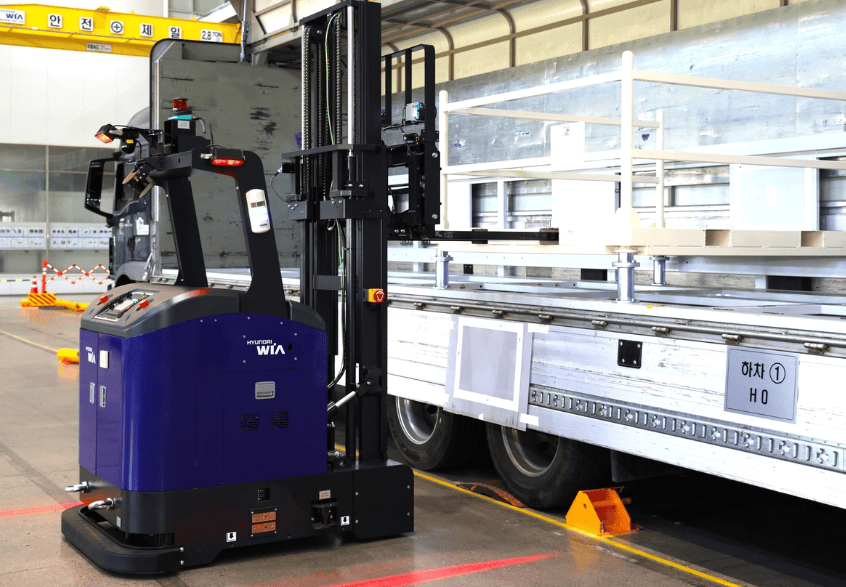
The upcoming AMB 2026, to be held in September, will bring together the entire metalworking value chain in Stuttgart, including manufacturers, users, and research institutions. Citing data from the International Federation of Robotics, Schwarzkopf pointed out that "machine tending" (automatic loading and unloading of workpieces in processing equipment) is one of the main applications for robots. The annual new installations of robots for machine tool loading and unloading increased from 14,500 units in 2015 to 19,000 units in 2024, with preliminary data for early 2025 indicating double-digit growth. Global installations of collaborative robots have also increased significantly, reaching approximately 65,000 units in 2024, accounting for 12% of total industrial robots. The mobile robotics sector is growing the fastest, with mobile manipulators flexibly connecting various devices.
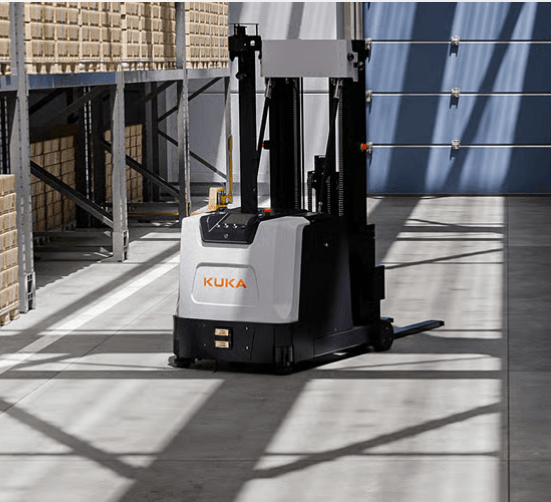
Automation will be a theme across all exhibition halls at AMB 2026. The "Automation and Handling Technology" zone in the Oskar Lapp Hall (Hall 6) will feature exhibitors such as FANUC, KUKA, Cellro, RoboJob, and Wassermann Technologie, showcasing the latest automation solutions for production and process management. Professional visitors can observe on-site how robotics, collaborative automation, and the Industrial Internet of Things are driving the development of metalworking processes.
Related Products


CAP1400 main feedwater flow nozzle flowmeter.
Jiangsu Hongda Instrument Technology Co., LTD.
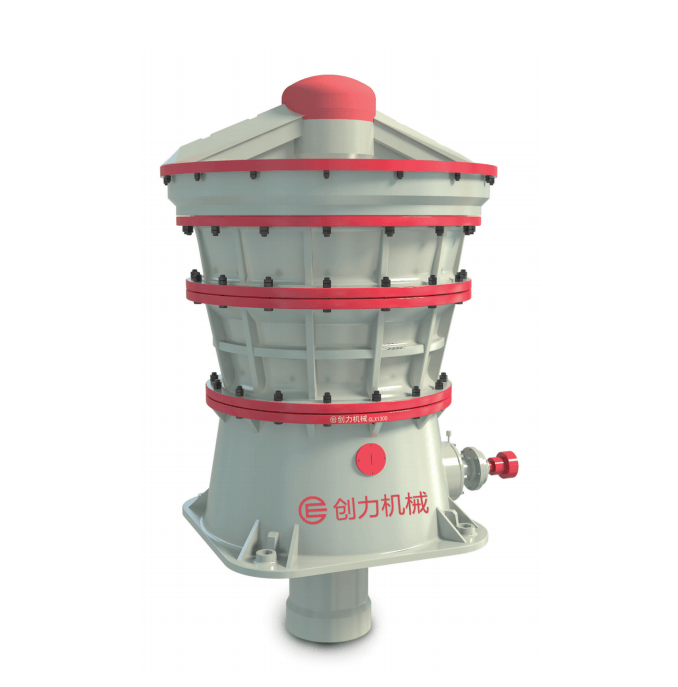
CLX Series Intelligent Hydraulic Gyratory Crusher
Guangdong CHUANGLI intelligent machinery Equipment Co., LTD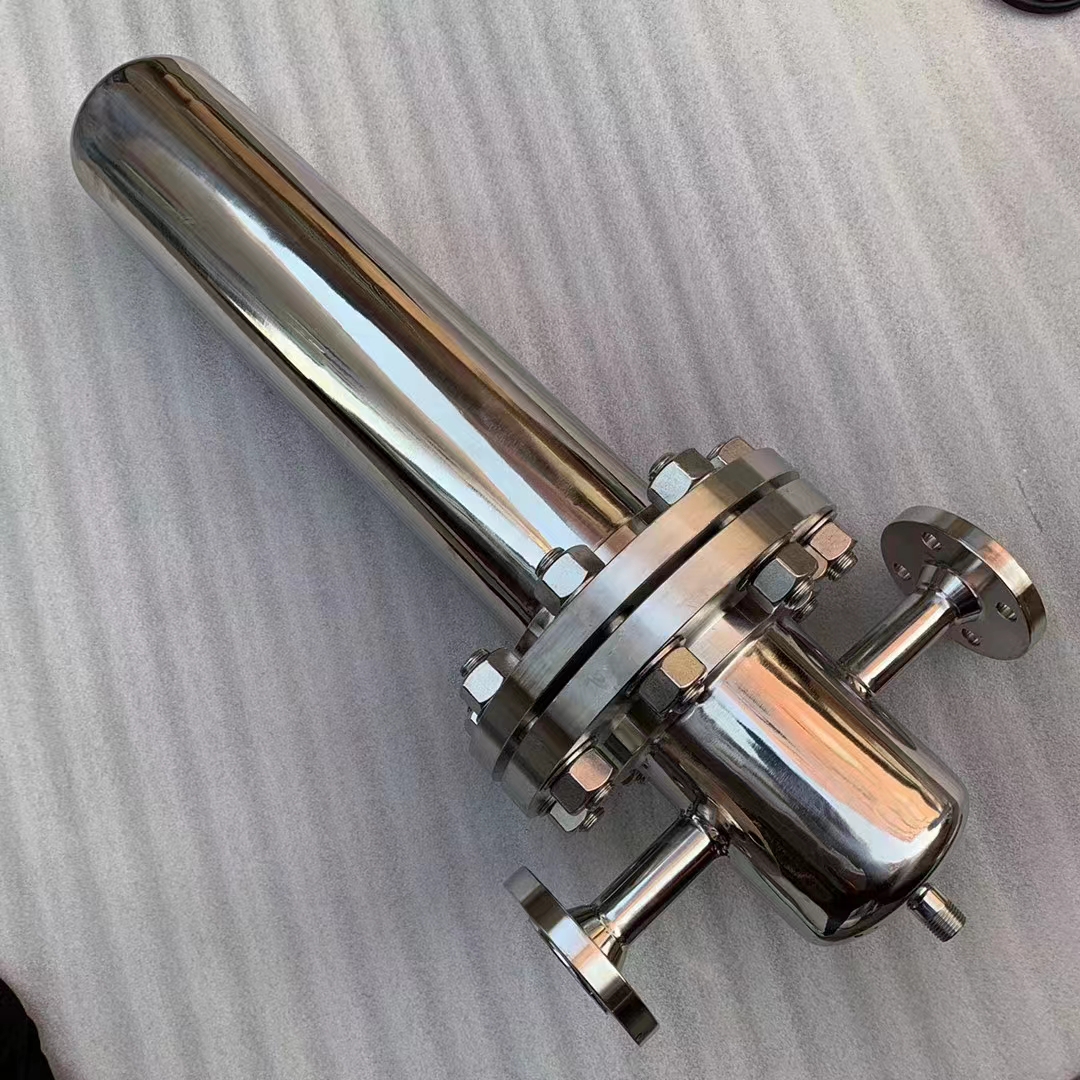
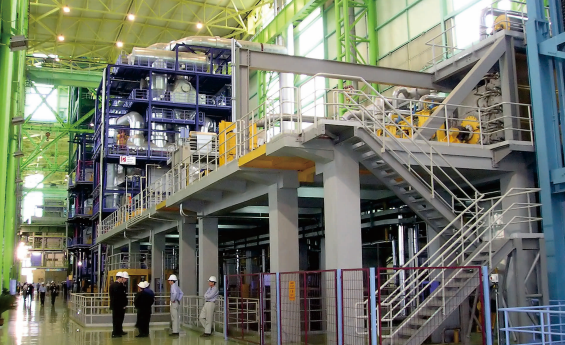
Strip Coating and Plating Production Line Equipment
MCC-SFRE HEAVY INDUSTRY EQUIPMENT CO., LTD.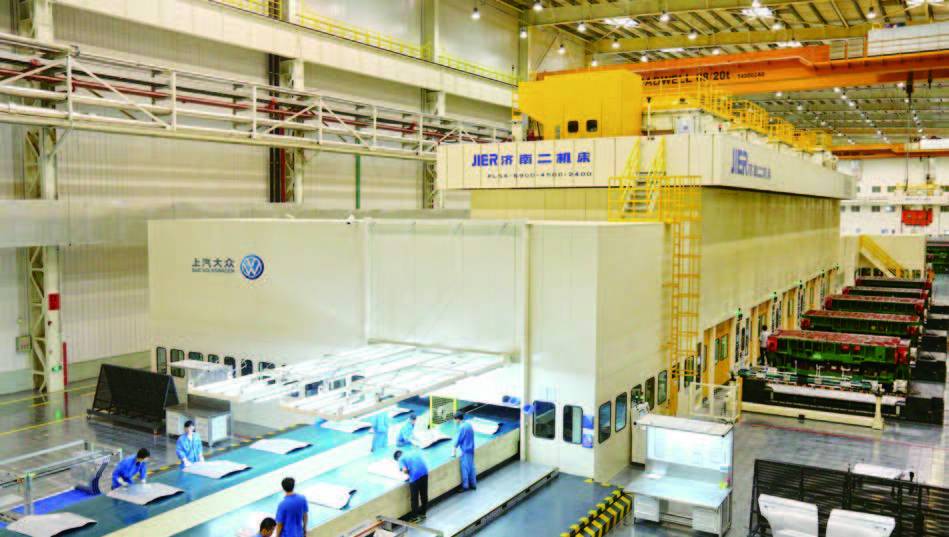
High-Speed Flexible Fully Automatic Stamping Production Line
JIER Machine-Tool Group Co., Ltd.
Pneumatic high-pressure wear-resistant ball valve
Zhejiang Deca Control Valve Meter Co., Ltd.

Industrial and Commercial Point-Type Gas Detector
Jinan Benan Technology Development Co., Ltd.