Gotion High-Tech to Invest Approximately €950 Million in Battery Materials Factory in Spain by 2027
en.Wedoany.com Reported - Gotion High-Tech and the Spanish Ministry of Industry have officially confirmed an investment of approximately €950 million in Valladolid to build a cathode active material factory and a battery recycling plant on a 12-hectare industrial site, with the project scheduled to commence in 2027.
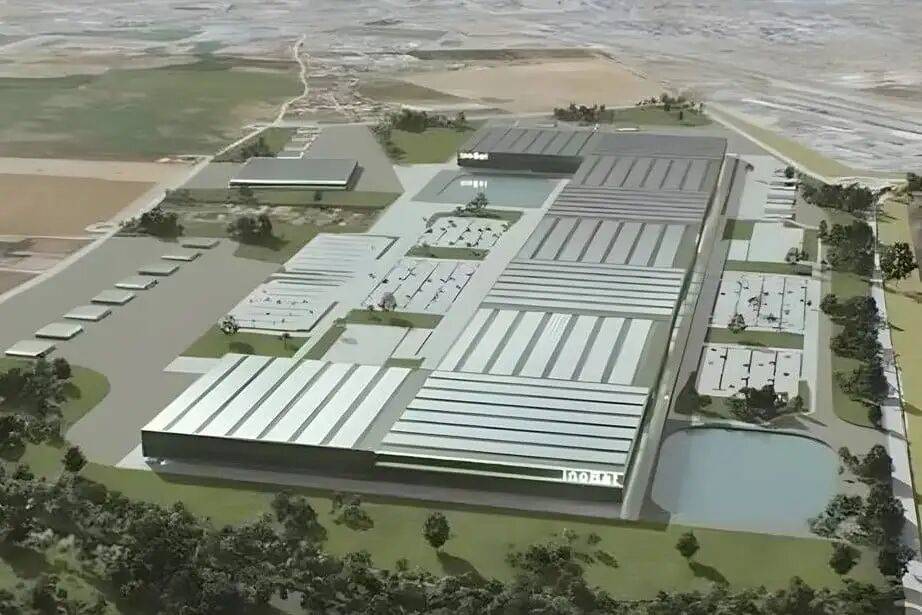
The Spanish government will provide €138 million in subsidies for the project under the PERTE VEC plan. This amount is €46 million higher than the provisional figure announced in May, representing the largest single grant under the PERTE plan for upstream battery infrastructure (excluding cell assembly), and the first time the plan has funded cathode materials and recycling rather than gigafactory production. The funding comes from the PERTE electric mobility support program, from which Volkswagen subsidiary SEAT, Stellantis Group, and Volkswagen's battery division PowerCo have previously received hundreds of millions of euros in subsidies in earlier rounds.
As a supplier of lithium-ion cells and battery materials, Gotion supplies electric vehicle manufacturers and energy storage operators. Its output in Valladolid will consist of cathode material precursors and recycled battery metals. In the European cathode materials sector, Gotion's competitors include BASF (with its plant in Schwarzheide, Germany, already operational), Ecopro BM (whose Hungarian plant began production at the end of 2025), and the XTC-Orano joint venture in Dunkirk (planned to start production in 2028). Gotion's Valladolid plant aims for an annual production capacity of 200,000 tons of cathode materials, roughly double the capacity of Ecopro BM's Hungarian plant (108,000 tons).
The project is being advanced in two phases: Phase 1 is the recycling plant, with a budget of €411.5 million, capable of processing up to 200,000 tons of battery materials annually; Phase 2 is the cathode production plant, with a budget of €539.1 million. Gotion has not yet provided a specific timeline for completing Phase 1 or commencing Phase 2.
Spanish Minister of Transport Óscar Puente stated that Gotion aims to bring the plant into operation as soon as possible, noting that the cathode material factory will be unique within the European Union, and the recycling plant will also stand out due to its technological components. He further pointed out that Gotion plans to collaborate with Inobat to invest approximately €5 billion in building a groundbreaking factory covering the entire battery supply chain in Europe, aiming to reduce dependence on tariffs or fluctuations in international markets. Puente added that the Ministry of Transport firmly believes Gotion will continue investing until its total investment in Spain reaches €5 billion.
The Valladolid industrial complex is designed to operate in synergy with Gotion's planned 20 GWh cell production factory in Morocco. Black mass recycled in Valladolid will be used for cathode production within the same site; the resulting cathode materials will supply the Moroccan cell factory, and the finished cells will enter the Volkswagen supply chain, which already includes the PowerCo gigafactory under construction in Sagunto (approximately 400 km to the south).
Volkswagen is the largest shareholder of Gotion High-Tech. This equity structure provides Gotion with an internal buyer serving as an upstream anchor customer, an advantage not currently held by any independent cathode producer operating in Europe. The relationship runs deeper: Gotion actively supports Volkswagen in developing unified cells for mass production, meaning the Valladolid plant is not a speculative commercial facility but a supply asset embedded within existing industrial commitments.
Gotion's two planned factories in Spain were initially associated with Slovak battery cell manufacturer InoBat. After Inobat failed to submit the required guarantees to the Spanish government, Gotion, as a shareholder of InoBat, took over the project. This episode actually accelerated the project's progress, and the now-formalized subsidies have removed the last substantial obstacle before construction begins.
The EU Battery Regulation mandates that from 2031, new electric vehicle batteries must contain minimum levels of recycled lithium, nickel, and cobalt. Within the EU regulatory framework, a plant capable of recycling end-of-life batteries and immediately converting the recovered materials into new cathodes will become a compliance asset for all gigafactory buyers on the continent from that date.
This €950 million first-phase project initiates a vertically integrated closed loop: from recycling end-of-life batteries in Europe, through cathode material production, across the Strait of Gibraltar to cell manufacturing in Morocco, and finally into vehicles assembled within the EU. Spain has now become the upstream anchor point of this closed loop.
Related Products

Perfluorinated Ionic Membrane-CM-10N Series Membrane
Guizhou Juneng Century Technology Co., Ltd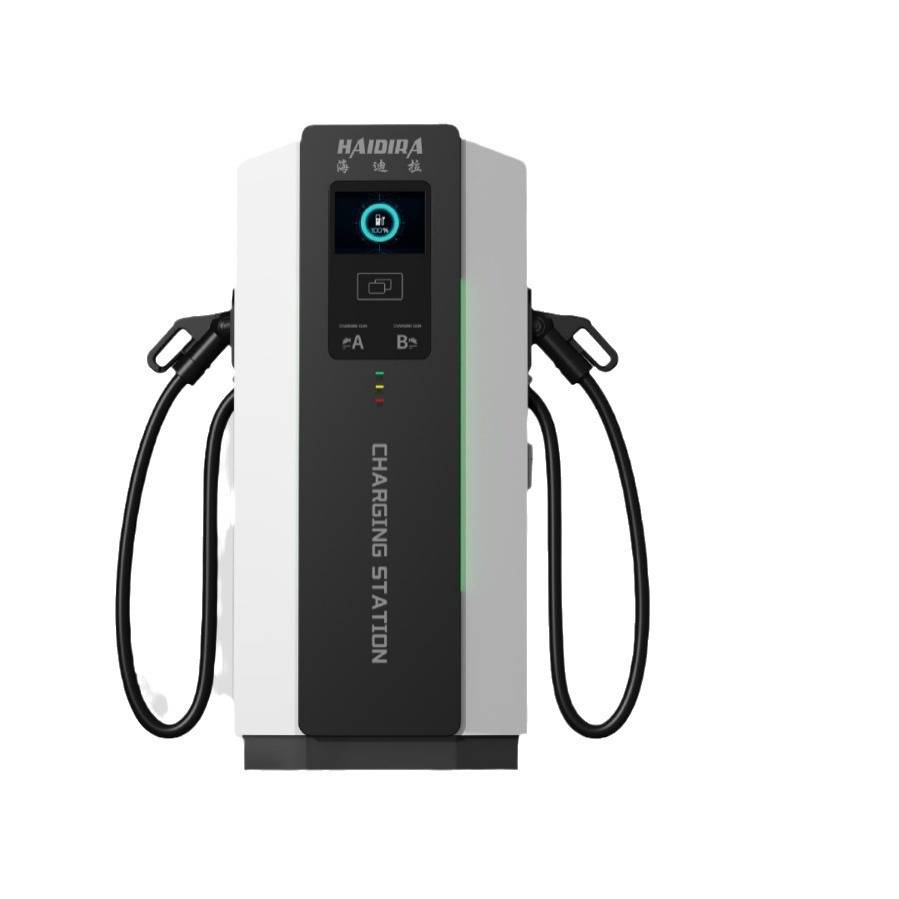
Manufacturer Direct Sales Tesla New Energy Electric Vehicle Universal DC 180kW Dual-gun Charging Pile Commercial Fast Charger
Anhui Haidira Electric Technology Co., Ltd.
Forest and Grassland Heat Source Infrared Monitor
China Huayun Meteorological Technology Group Co., Ltd.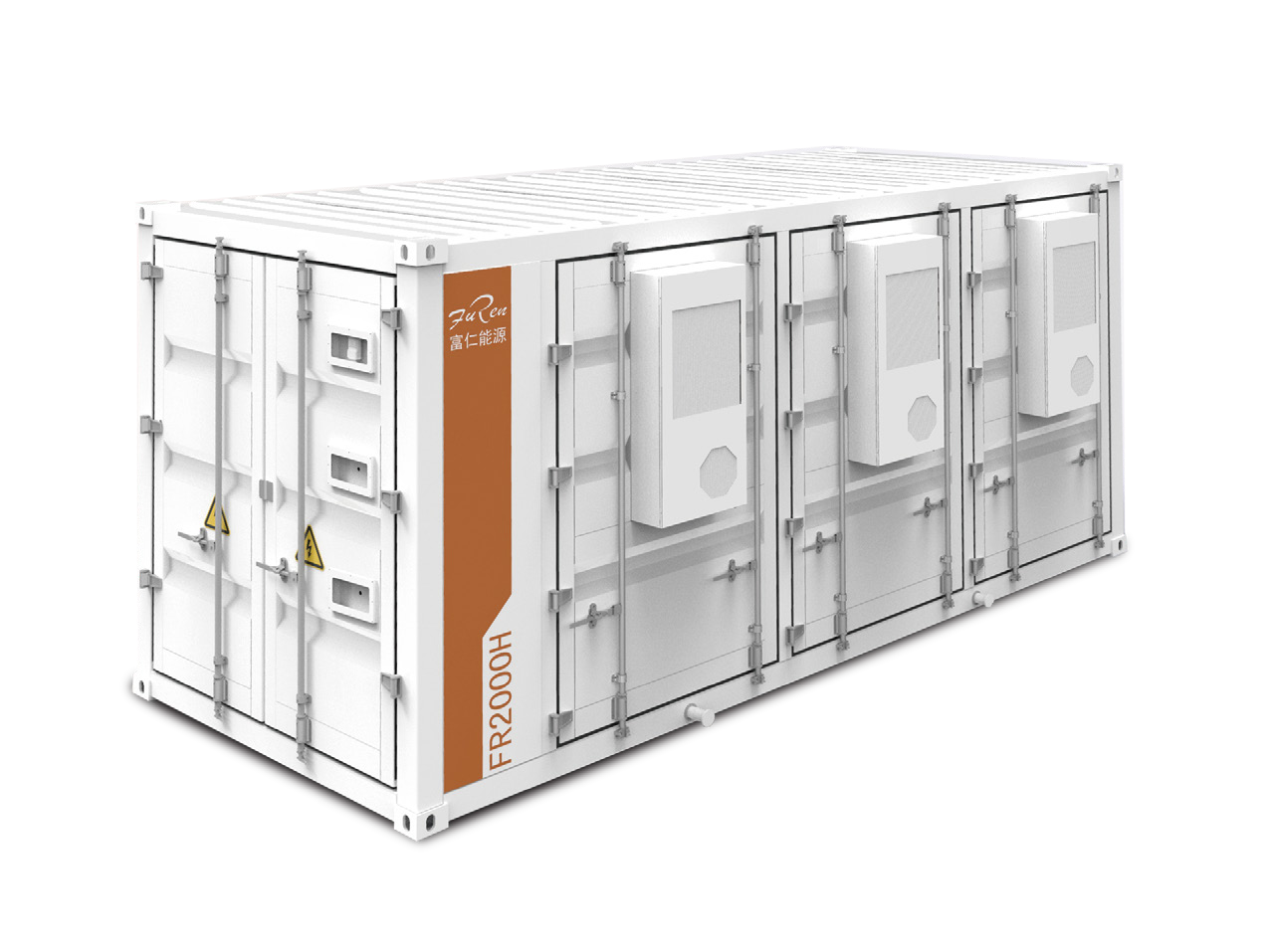
FR2000H 2.15MWh (Air-cooled) 20-foot Containerized Energy Storage System
Jiangyin Furen High-tech Co., Ltd.
Industrial and Commercial Point-Type Gas Detector
Jinan Benan Technology Development Co., Ltd.