Stelar Metals Discovers 1.41% Tungsten Mineralization in Australia's Northern Territory
en.Wedoany.com Reported - Stelar Metals has discovered widespread high-grade tungsten mineralization at the Hill of Leaders project in the Northern Territory, with initial rock chip sampling returning grades of up to 1.41% WO3.
The company stated that this result confirms the existence of a large-scale tungsten mineralization system, with scheelite and wolframite found across multiple historical mining areas and prospects.
Stelar Metals (ASX:SLB) said the results indicate that tungsten mineralization is widespread rather than isolated, significantly enhancing exploration potential.
The 18 rock chip samples collected in the first phase were aimed at confirming historical reports, characterizing mineralization types, and optimizing priority areas for subsequent exploration. More than a quarter of the samples returned tungsten grades above 0.5% WO3, with two exceeding 1% WO3. Two-thirds of the samples had grades above 0.05% WO3—a commonly used cut-off grade for many tungsten projects.
Stelar Metals Executive Chairman Stephen Biggins said this is exactly the result the company expected from the initial reconnaissance at Hill of Leaders, with widespread tungsten mineralization and grades exceeding 1% WO3 indicating a truly large-scale tungsten system. Biggins founded Core Lithium (ASX:CXO) in 2010 and served as its Managing Director for over a decade, leading the Finniss lithium project through acquisition, discovery, resource definition, permitting, financing, offtake, construction, and production. Finniss became the Northern Territory's first lithium mine and one of Australia's highest-grade lithium resources.
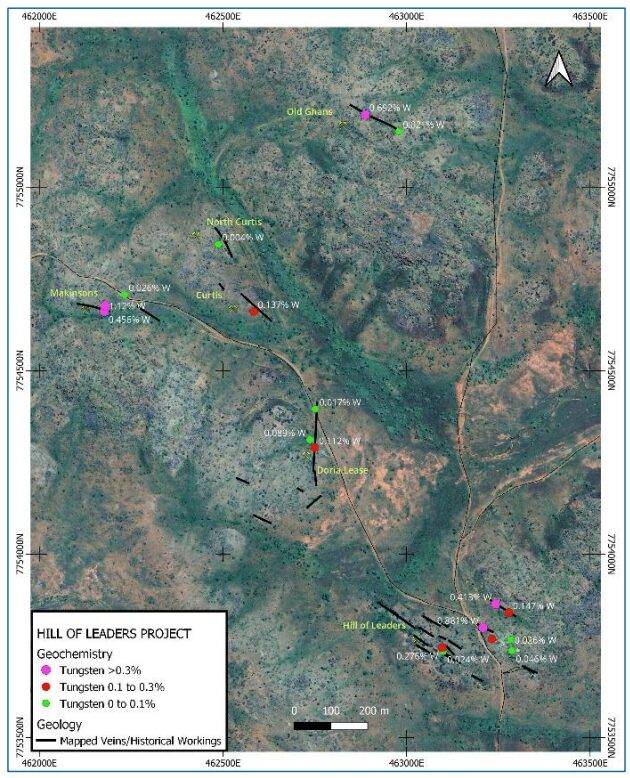
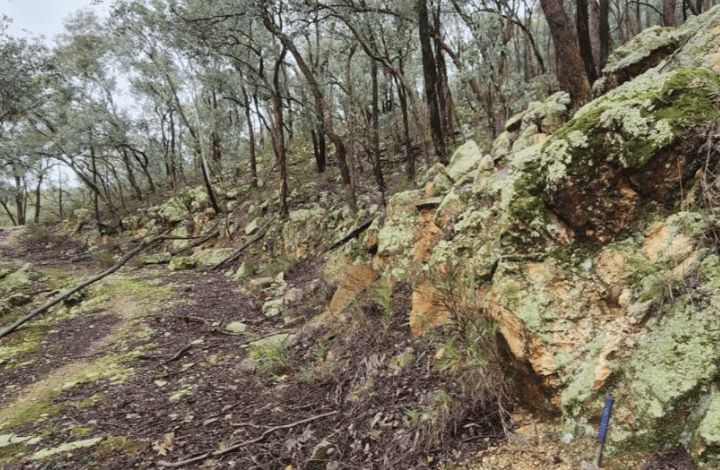
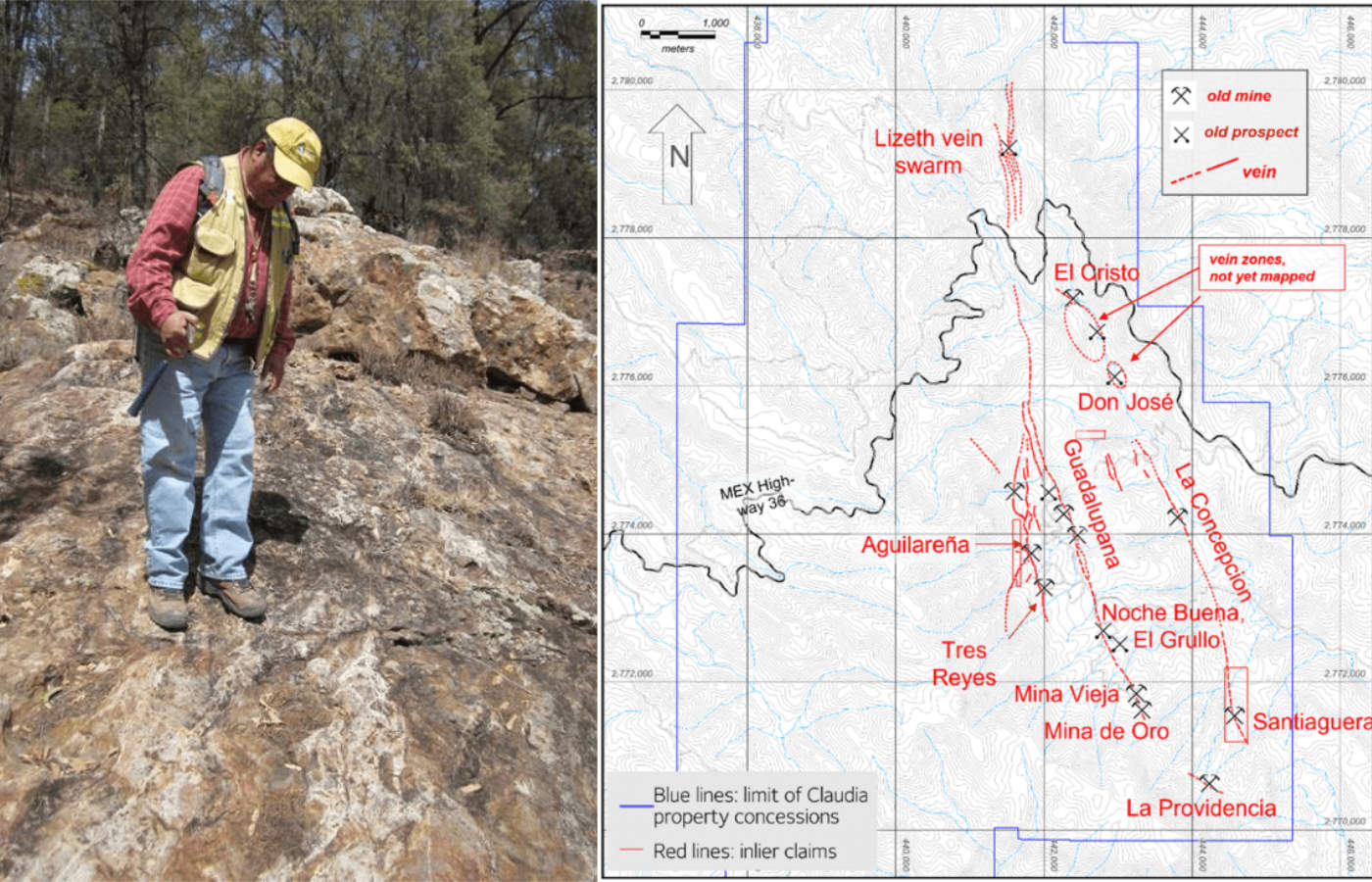
Tungsten mineralization at Hill of Leaders is believed to occur in quartz veins, adjacent alteration zones, and greisens developed within the large Hill of Leaders granite system. The company has identified multiple sub-parallel and overlapping quartz vein corridors, some extending approximately 2 kilometers in length and about 200 meters in width. Mineralization remains open in multiple directions, indicating potential for expansion through further mapping, sampling, geophysics, and drilling.
Early mapping has also revealed nearly 30 separate mine trenches, mostly trending northwest-southeast. Initial sampling yielded elevated molybdenum grades, with an average molybdenum grade of 0.026% Mo across 18 samples and a peak value of 0.058% Mo. Management noted that molybdenum is a recognized by-product at several Australian tungsten deposits, including Tivan's (ASX:TVN) Molyhil project in the Northern Territory, which hosts 4.65 million tonnes of resources grading 0.25% WO3 and 0.09% Mo. Four samples returned copper grades above 0.5%, with one sample from the Old Ghan prospect grading 6.64% copper, 0.16 g/t gold, and bismuth values up to 0.4% Bi. Stelar said these results suggest the potential presence of a significant polymetallic mineralization system.
Stelar is currently preparing for the next phase of exploration at Hill of Leaders, including further geological mapping, expanded surface sampling, detailed geophysical surveys, and the first reverse circulation drilling program. Drilling will target the continuity, width, and grade of deeper tungsten mineralization. Biggins said that against the backdrop of tightening global tungsten supply—driven by Chinese export restrictions and Western efforts to secure critical minerals supply chains—Stelar is well-positioned to advance the project. Assay results from the second phase sampling program are expected to be released in the coming weeks, with an update on the timing of the first reverse circulation drilling also anticipated soon.
Related Products
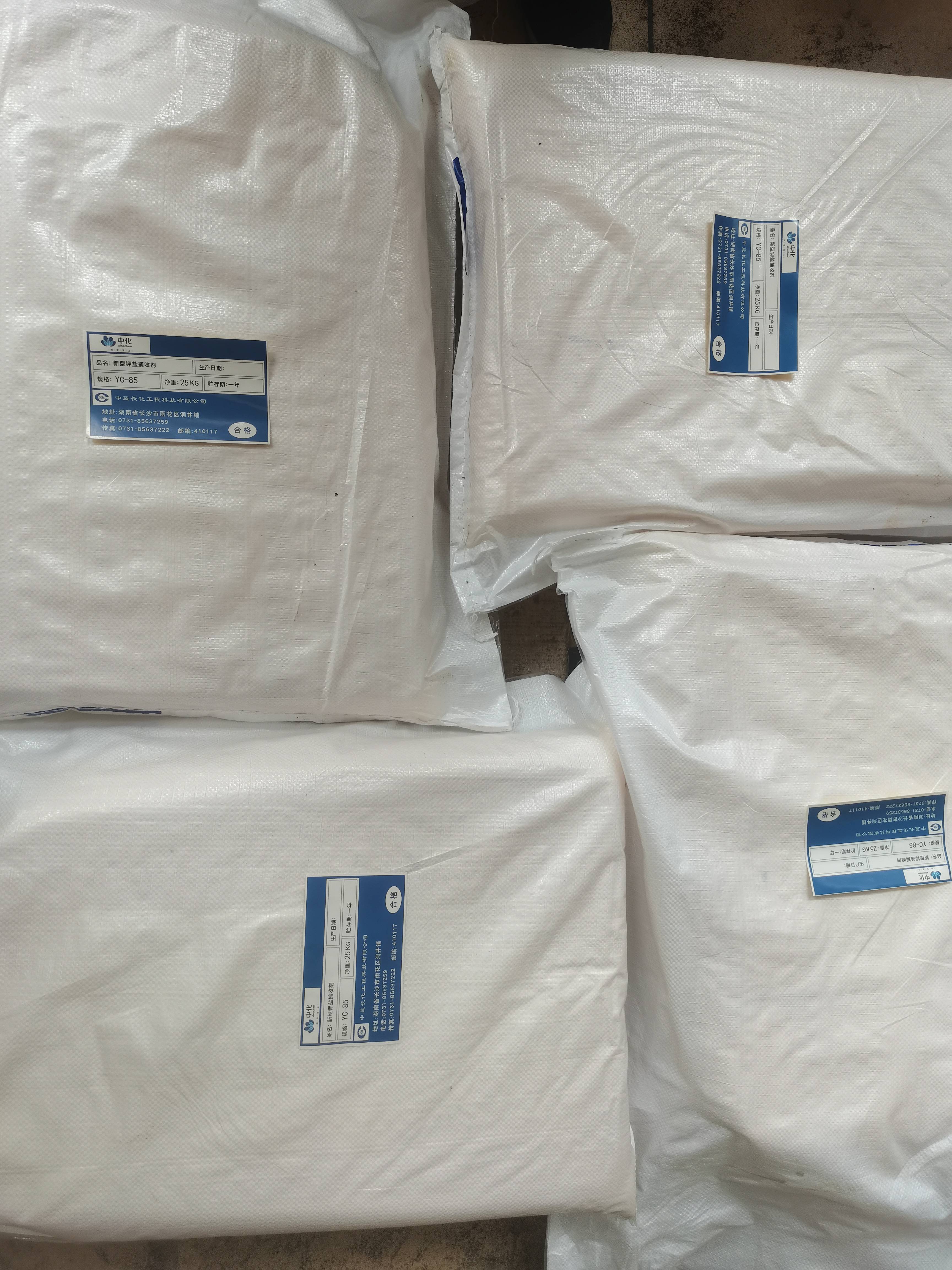

New Environmentally Friendly Green Potassium Salt Collector
Chonfar Engineering and Technology Co., Ltd.
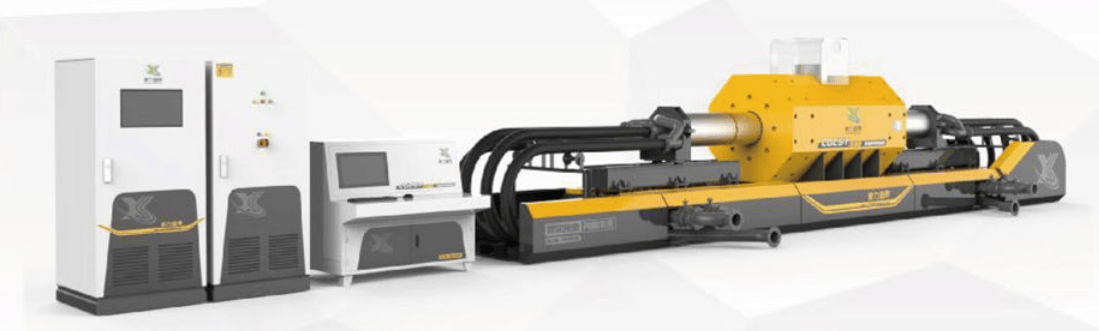
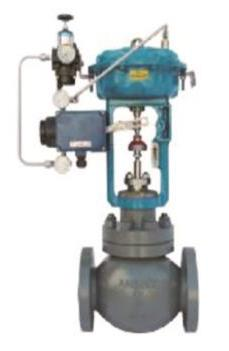
Quick-Change Single-Seat Control Valve / Quick-Change High-Pressure Single-Seat Control Valve
Beijing Consen Automation Technology Co., Ltd.
Industrial and Commercial Point-Type Gas Detector
Jinan Benan Technology Development Co., Ltd.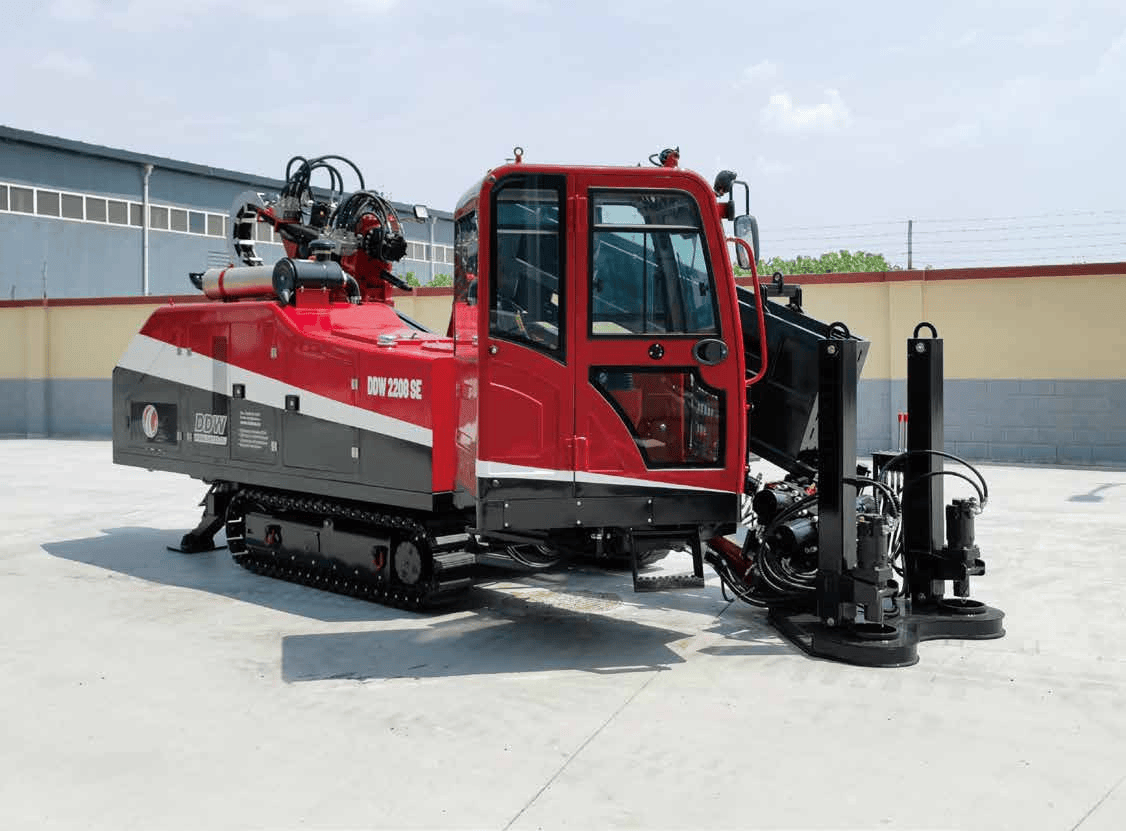
DDW22/08SE-HORIZONTAL DIRECTIONAL DRILL
DW/TXS Construction Equipment (Beijing) Co., Ltd.