Zimbabwe's Granite Output Surges 271% in Q1
en.Wedoany.com Reported - Zimbabwe's granite industry recorded a significant production surge in the first quarter of 2026, with output jumping from 23,848 metric tons in the same period last year to 88,570.37 metric tons, an increase of 271.4%. This data comes from the first-quarter performance report released by the Ministry of Mines and Mining Development, making granite one of the fastest-growing mineral sectors in the country.
Behind this substantial production growth is the government's policy shift from exporting raw materials to processing finished products. The Mutoko area in Mashonaland East Province is the center of this activity, supplying approximately 75% of Zimbabwe's annual black granite output, with an annual production of about 150,000 tons. Black granite is widely used globally for high-end countertops, flooring, and architectural finishes due to its durability and smooth appearance.
First-quarter output has already exceeded more than half of the 79,000 tons of granite (valued at $10 million) exported in the first eight months of 2025. Full-year production in 2026 is expected to significantly surpass previous levels and could substantially boost export revenues.
For years, Zimbabwe's granite was primarily exported as raw blocks, limiting economic benefits for local communities and the national treasury. President Emmerson Mnangagwa's rural industrialization plan prioritizes value addition and beneficiation in the mining sector, with granite receiving special attention. The Rich Basin granite processing plant in Mutoko cuts and polishes approximately 70 tons of granite daily, producing tiles and designer stone products for local and international markets, exporting to Poland, China, Germany, and the United States, and is seeking additional land from local authorities to expand operations.
Italian company RED Graniti, through its subsidiary Southern Graniti, has been operating in Zimbabwe for over 15 years, running three granite quarries in the Mutoko area and a processing plant in Chitungwiza that transforms granite blocks into slabs for export and local markets. Italian Ambassador Joseph Giacalone, during a visit to these facilities, stated that Italy fully supports companies operating in Zimbabwe and is committed to promoting investment, transparency, and industrial integration.
Granite is already a significant contributor to Zimbabwe's mineral export basket. In 2022, construction stone exports reached $13.9 million, making it the country's 22nd largest export product that year, with major destinations including Germany ($3.78 million), France ($3.45 million), Mozambique ($2.72 million), Italy ($1.42 million), and Spain ($761,000). Between 2021 and 2022, France, Germany, and Italy were the fastest-growing markets, indicating rising European demand for Zimbabwean granite.
In September 2025, the cabinet decided to reserve quarrying and granite mining for Zimbabwean nationals. A new mining tax system introduced in January 2025 increased the tax on black granite and other minerals from 1% to 2% of total sales or export value, with taxes payable in the transaction currency. The government also requires mining companies to establish community economic empowerment trust funds to drive rural industrialization through industrial parks and revenue-sharing mechanisms.
Despite significant industry growth, environmental challenges persist. The Minerals Marketing Corporation of Zimbabwe has expressed concerns about the environmental costs of expanded granite mining, citing major environmental degradation issues such as vegetation removal, rubble dumping, disruption of natural river flows, and pollution. The corporation calls for strict enforcement of environmental laws to ensure sustainable mining practices and land reclamation. Environmental groups criticize weak enforcement and inadequate penalties, arguing that fines are too low to deter well-funded mining companies.
Market analysts predict continued growth for Zimbabwe's granite industry. The broader stone mining and quarrying market is expected to grow at a compound annual growth rate of 70.36% during the 2020-2024 period, while the African granite market is projected to grow at a steady 2.40% through 2027, positioning Zimbabwe alongside South Africa, Ethiopia, Algeria, and Nigeria as key players. The remarkable production increase in the first quarter of 2026, combined with improved processing capacity and supportive policy frameworks, suggests that granite could become a major pillar of Zimbabwe's mineral export revenue in the coming years.
Related Products



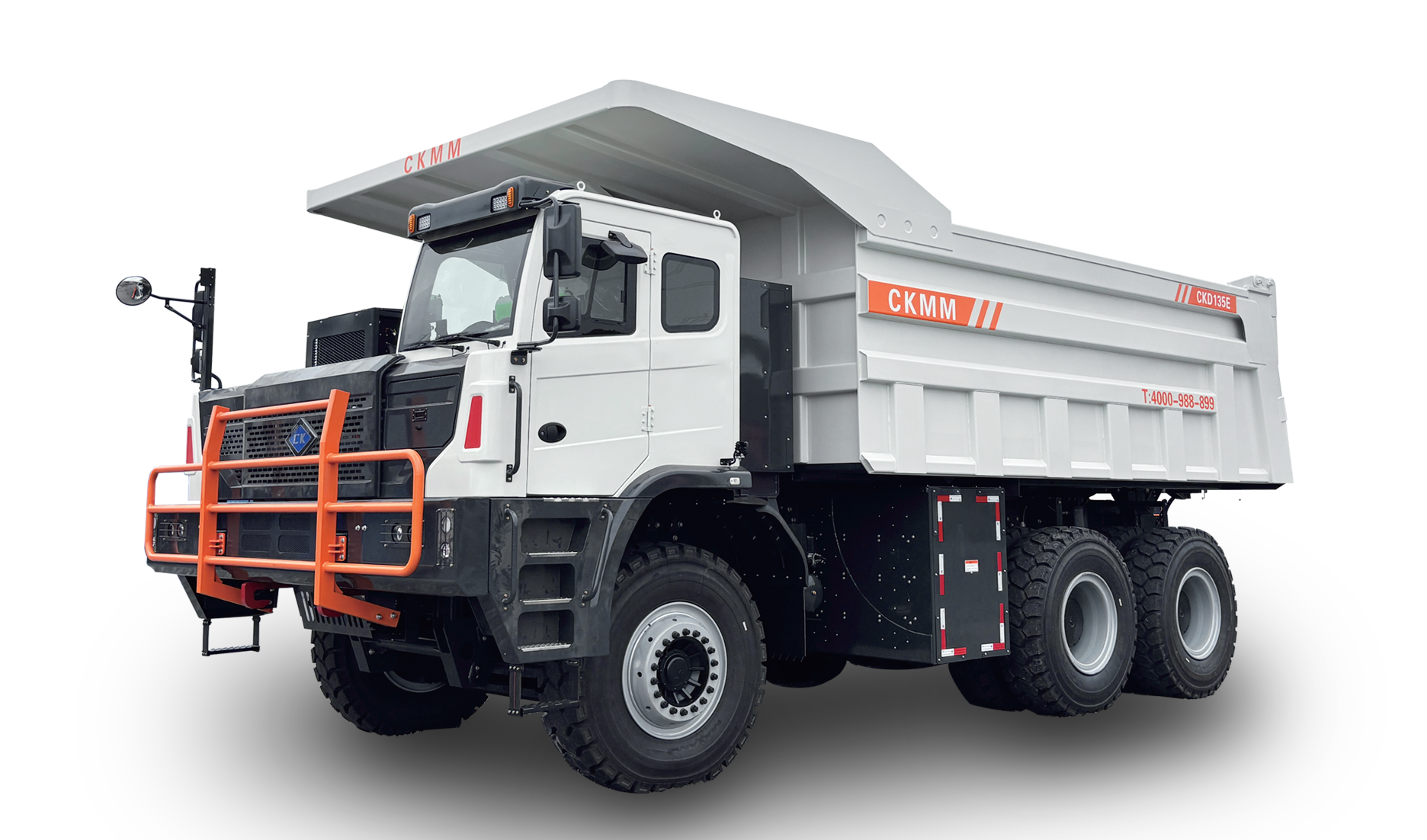
CKD135E Pure Electric Wide-body Dump Truck
Jiangsu Changkuang Engineering Machinery Co. Ltd.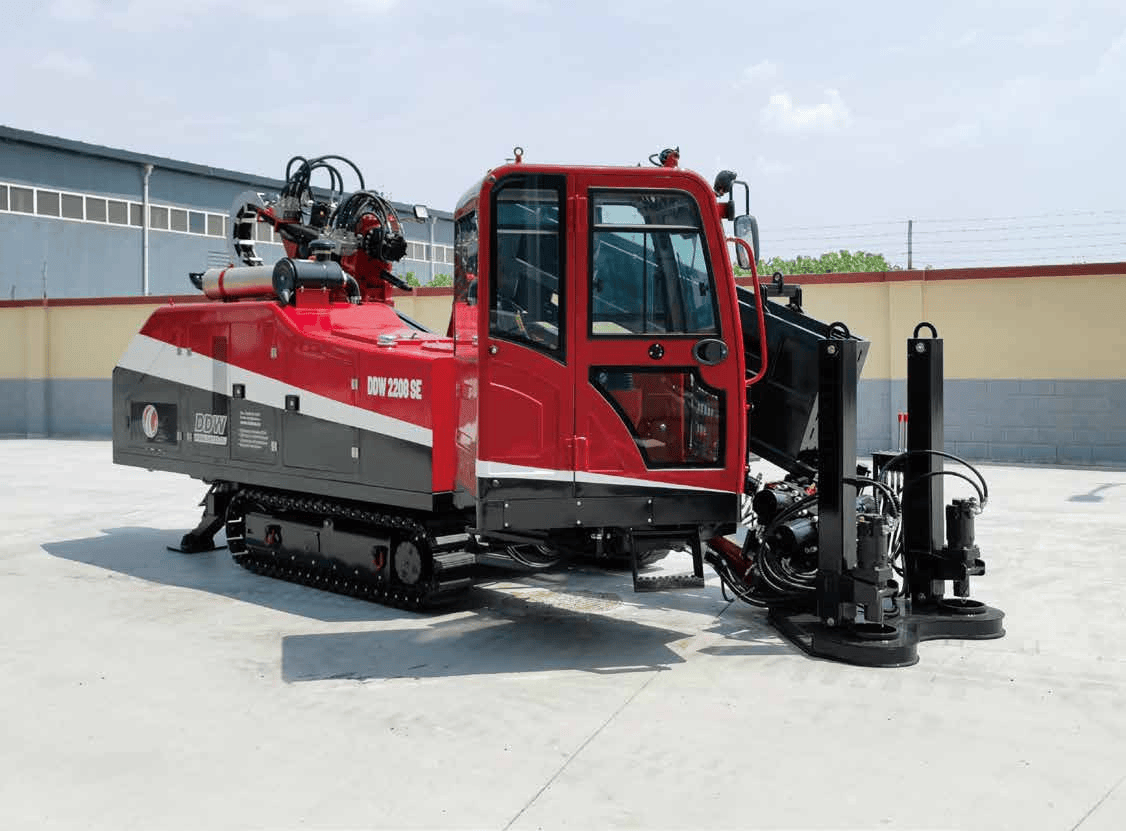
DDW22/08SE-HORIZONTAL DIRECTIONAL DRILL
DW/TXS Construction Equipment (Beijing) Co., Ltd.

Industrial and Commercial Point-Type Gas Detector
Jinan Benan Technology Development Co., Ltd.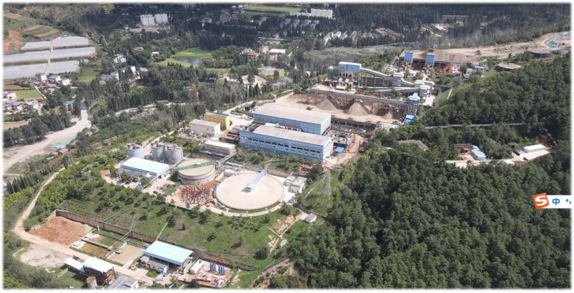
Yunnan Phosphorus Chemical Group Co., Ltd. 2 Million t/a Phosphorus Ore Mining and Beneficiation Project
China Bluestar Lehigh Engineering Corporation
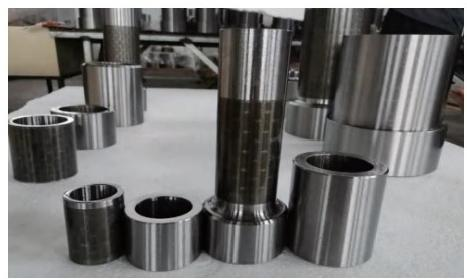
High-temperature Equal Wall Thickness High-power Screw Drilling Tool
Orient Energy & Technologies Co., Ltd.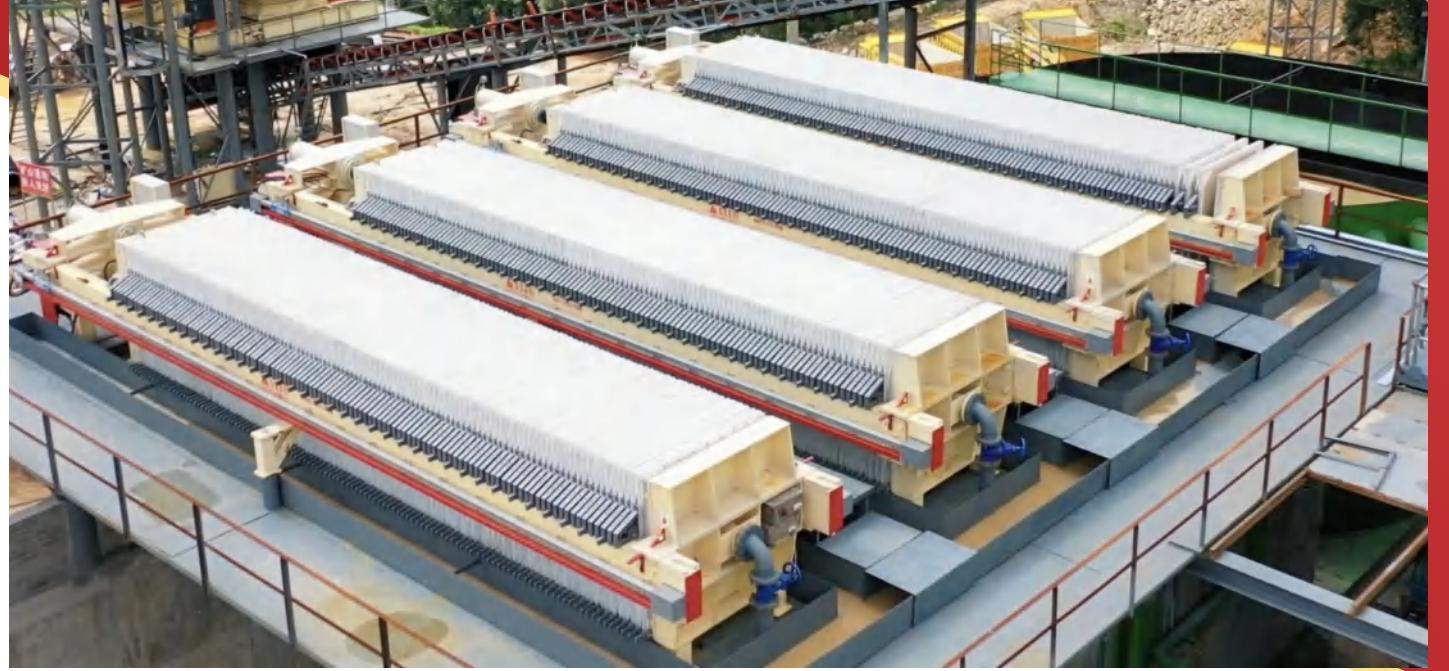
Hydraulic Plate and Frame Filter Press
Guangdong Leimeng Intelligent Equipment Group Co., Ltd.